Body Muscle Side Front View
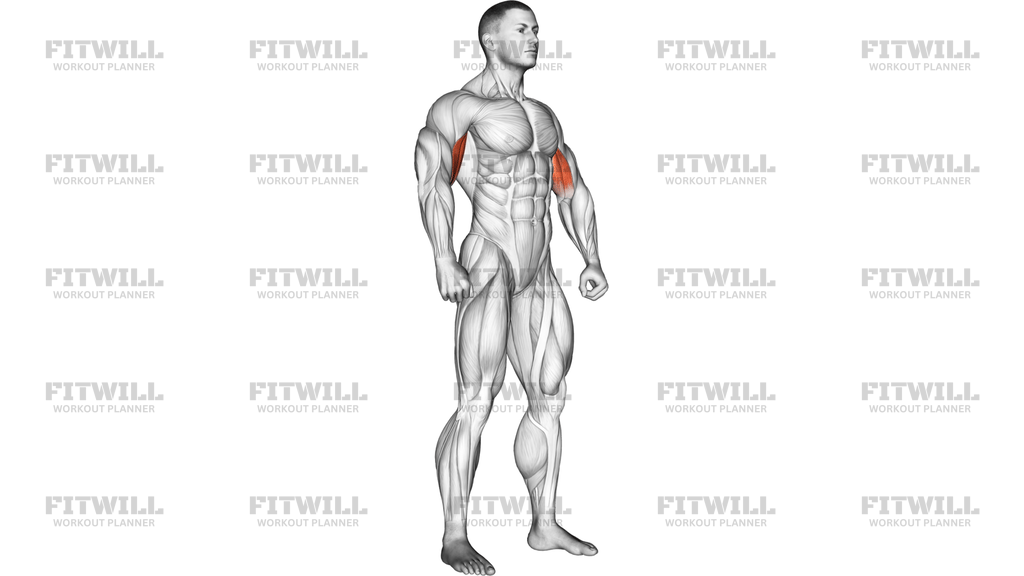
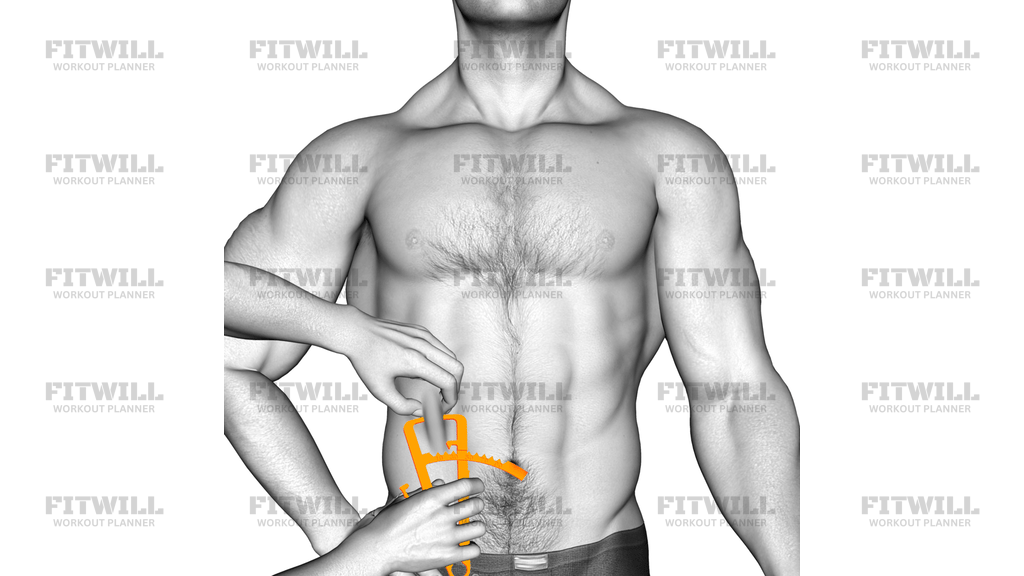
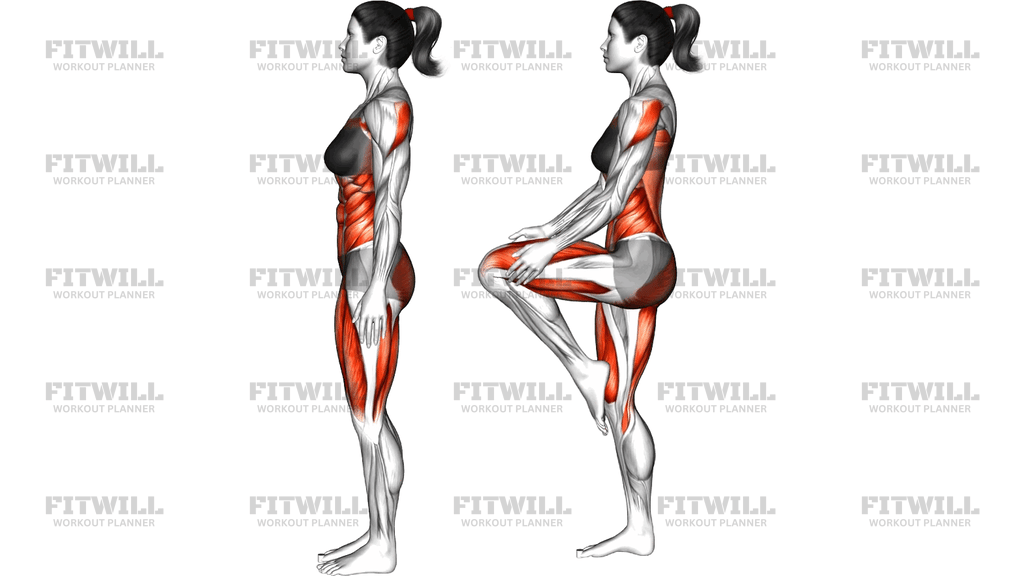
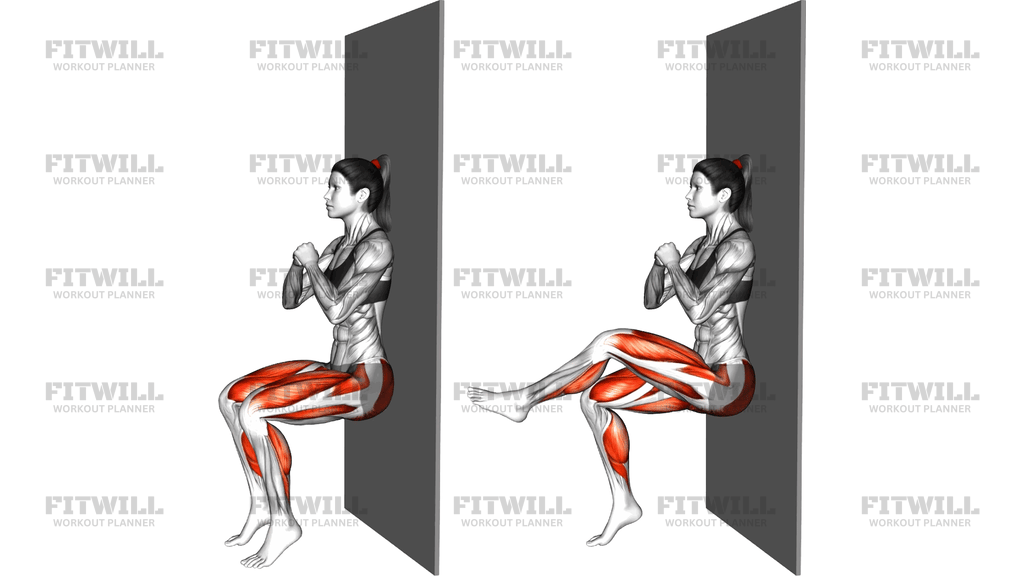
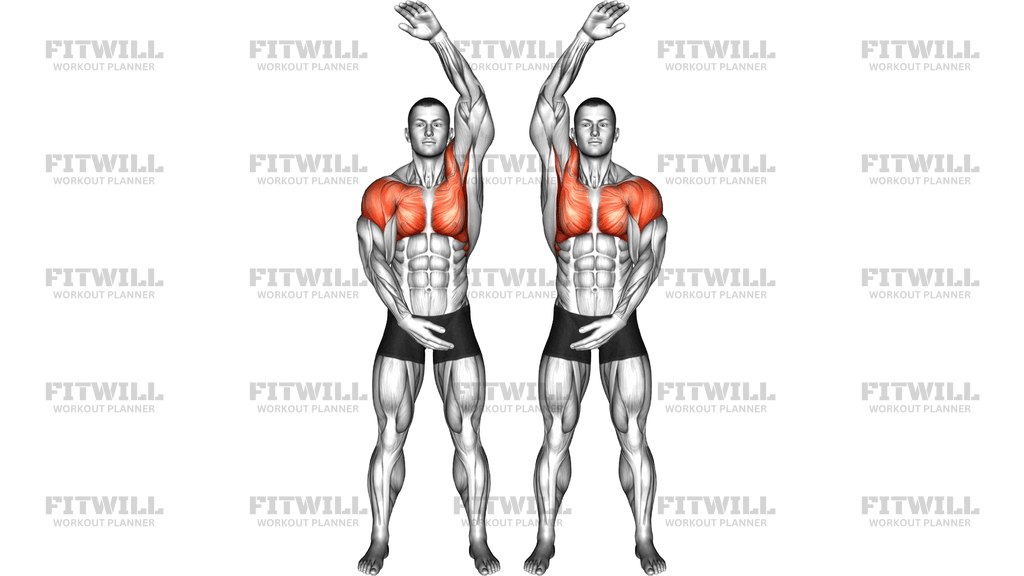
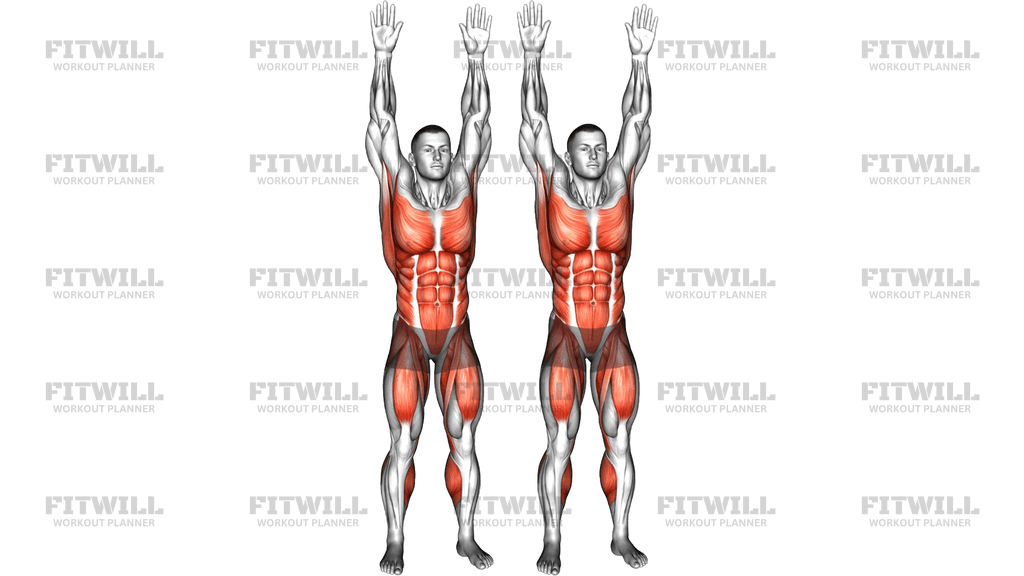
Body Muscle Side Front View is a standing anatomical pose, not a dynamic lift. The figure is shown in a relaxed upright stance with a slight quarter turn so the front of the chest, shoulders, arms, and torso can be read clearly while still keeping the side line of the body visible. The highlighted upper-arm and trunk regions suggest where the figure carries visible tension in this view, especially around the shoulder cap, arm line, and waist.
Use this pose when you need a clean side-front reference for posture, symmetry, and muscle presentation. It works well for anatomy study, physique tracking, coaching visuals, and any format that needs a neutral full-body stance with clear muscle definition. The setup matters because a small change in rib position, shoulder height, pelvic tilt, or foot pressure can change how the body reads from the camera or illustration angle.
To create the pose, stand tall with the feet about hip-width apart and the weight centered evenly through both legs. Keep the knees soft, stack the rib cage over the pelvis, and let the shoulders settle instead of climbing toward the ears. The arms should hang naturally beside the thighs with enough tone to show shape without clenching the fists or twisting the torso too far.
Hold the position with quiet breathing and steady trunk tension. Keep the abdomen lightly braced so the waist stays organized and the torso does not sway. If you want a stronger front-quarter look, rotate only enough to expose the side profile while keeping the pelvis and chest aligned. This pose is most useful when you need a repeatable posture reference for teaching, assessment, or display rather than a rep-based strength exercise.
[ Workout Log & Planner ]
Put your next workout in Fitwill
Keep your plan and training log ready when you are.


Instructions
- Stand tall on a flat surface with your feet about hip-width apart.
- Turn the body slightly to create a clear front-quarter side view.
- Stack the rib cage over the pelvis and keep the knees soft.
- Let the shoulders drop and settle away from the ears.
- Hang the arms naturally beside the thighs with relaxed hands.
- Keep the chin level and the neck long so the head stays stacked.
- Lightly brace the abdomen to hold the torso steady.
- Breathe quietly and hold the pose for the intended count or capture.
- Relax and reset before repeating the stance.
Tips & Tricks
- Keep the pelvis square enough that the pose still reads as a side-front view, not a full twist.
- Avoid flaring the ribs, which makes the waist look wider and the torso less organized.
- Soften the knees so the legs look long without locking the joints straight.
- Let the shoulders sit low; shrugging hides the arm and neck lines the image is trying to show.
- Keep the fists loose unless you specifically want a harder physique look.
- Distribute weight evenly across both feet so one hip does not drift higher than the other.
- Use quiet nasal breathing to keep the chest from bouncing while holding the stance.
- If you are using this as a reference pose, keep the same foot angle and torso turn each time for consistency.
Frequently Asked Questions
Is Body Muscle Side Front View a real exercise or a pose?
It is best understood as a standing anatomical pose used to show the body from a side-front angle.
What should be visible in the side-front view?
The chest, shoulder line, arms, waist, and leg alignment should all read clearly without an extreme twist.
Do I need equipment for this pose?
No equipment is required; a flat floor and enough space to stand tall are usually enough.
How much should I turn my body?
Only turn enough to show a clear front-quarter angle. Over-rotating makes the pose look like a full side profile.
Should I flex hard while holding the position?
A light isometric tone is enough. Hard flexing can distort posture and make the shoulders and ribs look strained.
Can beginners use this stance for posture practice?
Yes. It is a simple way to learn stacked posture, shoulder position, and even weight distribution.
What is the most common mistake in this view?
Raising the shoulders or arching the lower back changes the outline of the body and makes the pose less clean.
How long should I hold the pose?
Hold it long enough to assess or capture the position, usually just a few steady seconds at a time.