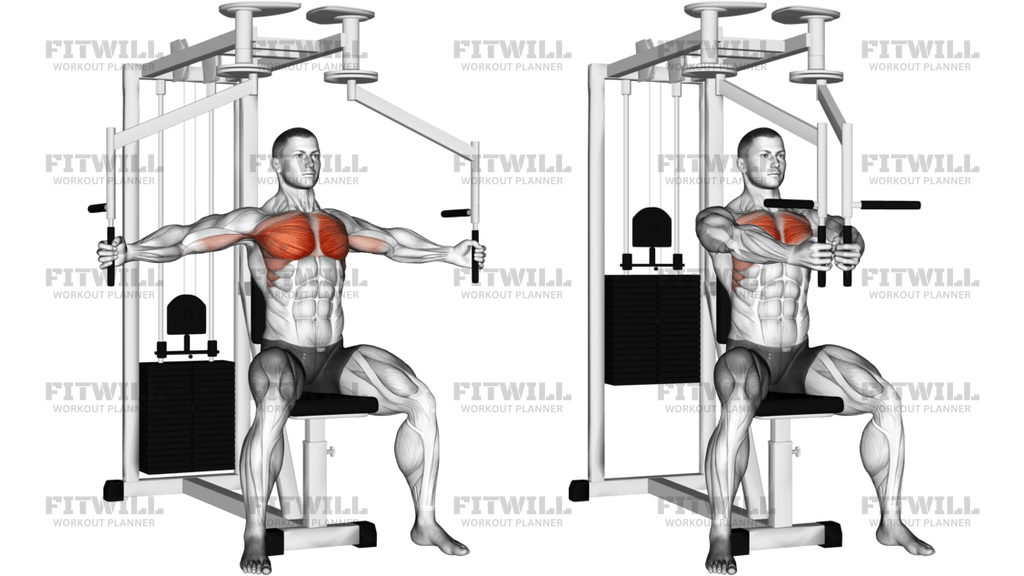
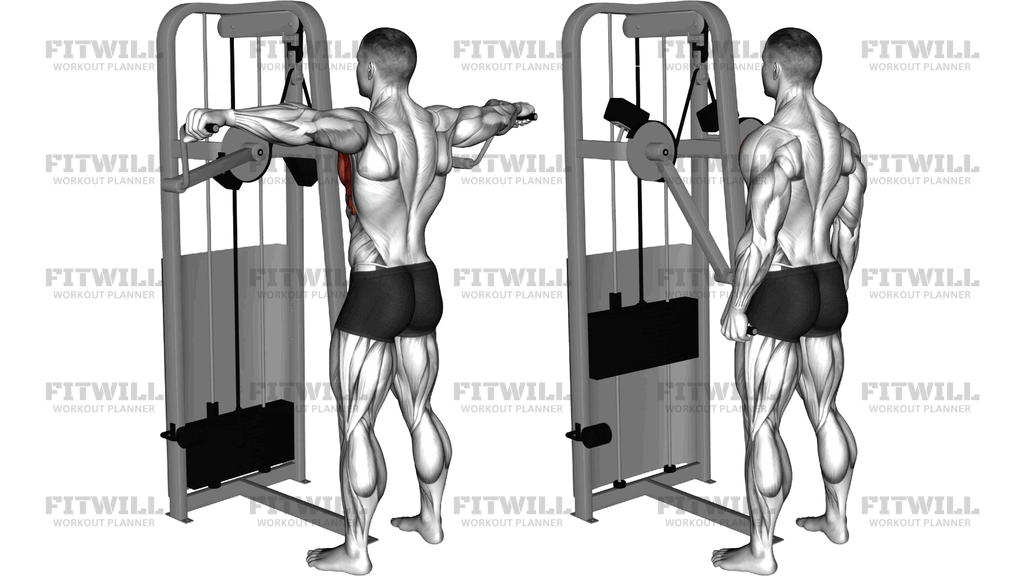
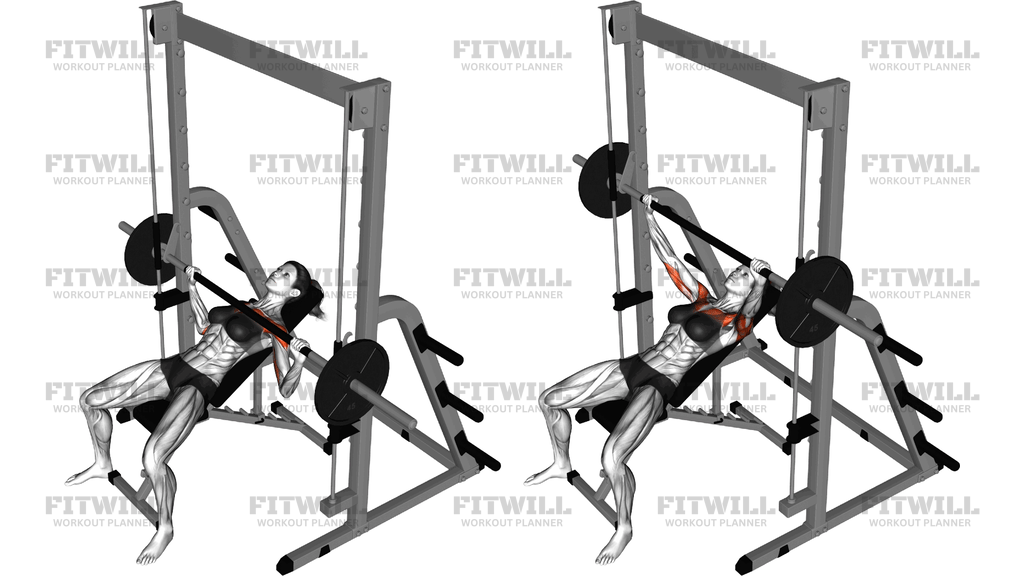
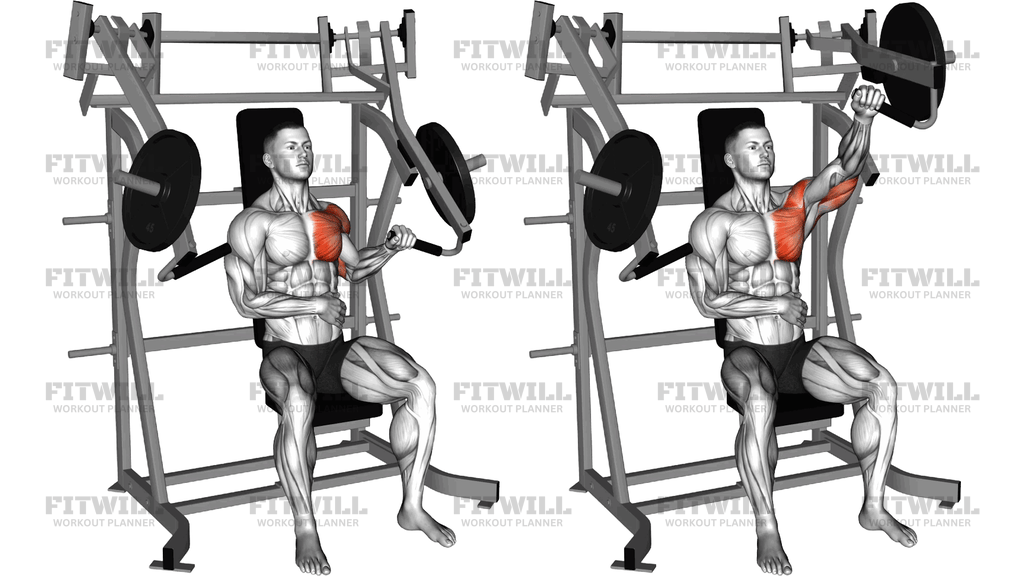
Lever Decline Chest Press
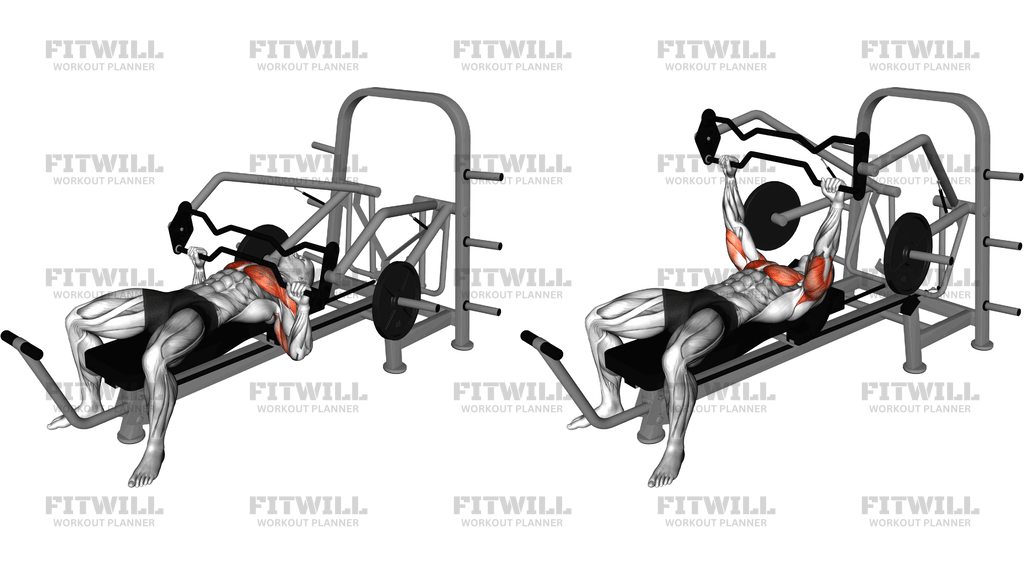
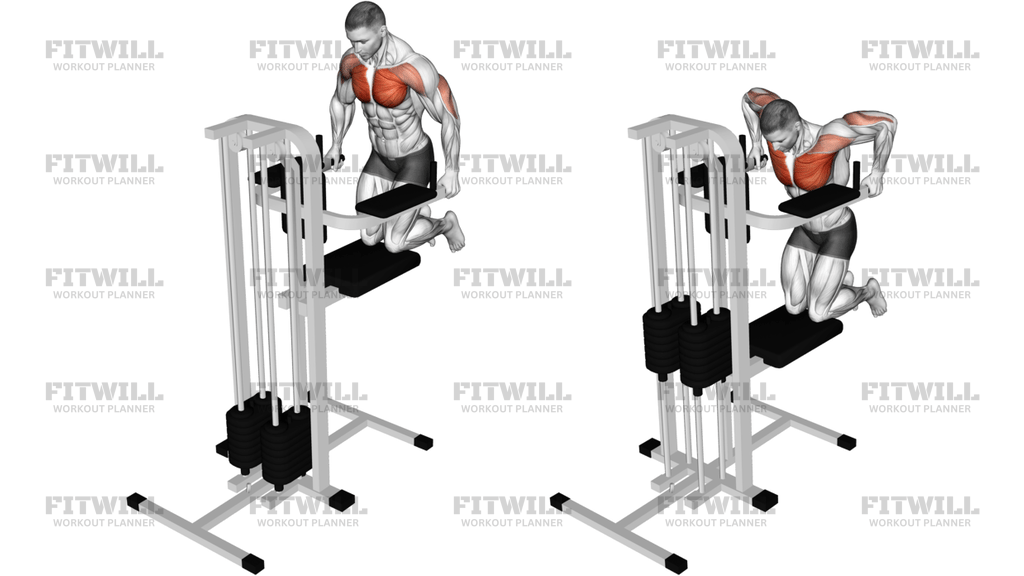
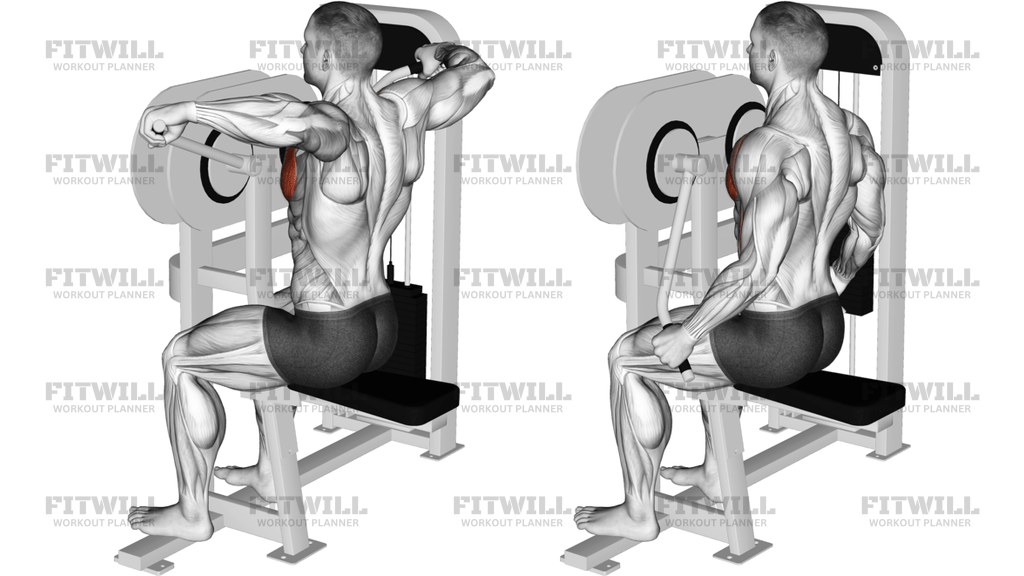
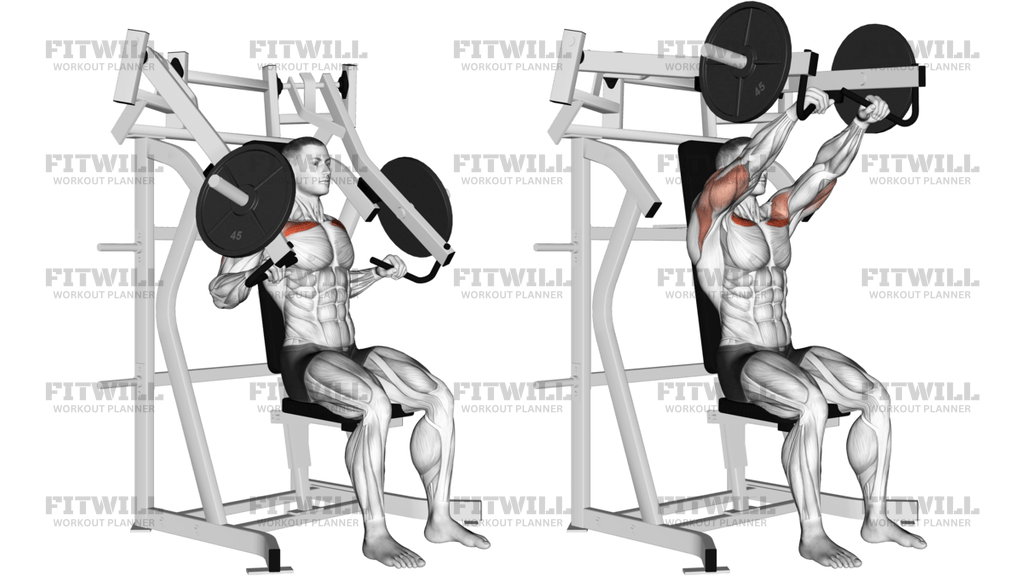
Lever Decline Chest Press is a machine-based pressing movement for building the chest with a fixed path and a stable torso position. The decline seat angle changes how the press feels compared with a flat machine press: your shoulders stay slightly below the handles, your chest stays lifted against the back pad, and the machine guides the bar path so you can focus on pressing hard instead of balancing the load.
The main training target is the pectoralis major, with the front shoulders and triceps helping finish each rep. Because the leverage machine removes the need to stabilize a free bar, it is useful for controlled hypertrophy work, high-quality accessory sets, or as a safer pressing option when you want repeatable technique. It is still a compound movement, so the setup matters: where the seat sits, how the handles line up with the chest, and how firmly your upper back stays planted all change the feel of the exercise.
A good set starts before the first rep. Set the seat so the handles sit around mid-chest or just below chest height at the starting position, then pull your shoulder blades back and down against the pad. Plant your feet, keep your ribs from flaring, and take the slack out of the machine before pressing. That start position should feel packed and stable, not stretched loose through the shoulders.
On each rep, press the handles forward in a smooth arc until your arms are extended without locking your elbows aggressively. Lower the handles back under control until you feel the chest lengthen and the upper arms move just behind the line of the torso, but stop before the shoulders roll forward. The fixed machine path should let you keep tension on the chest through the full range, with the wrists stacked and the elbows tracking slightly below shoulder level.
Lever Decline Chest Press is a strong choice for chest-focused sessions, upper-body split days, and machine-based programs where you want to load the pecs without needing a spotter. It also works well as a secondary press after free-weight work, because the guided path lets you chase clean reps and consistent tension when fatigue is already building. Keep the movement deliberate, match the seat and handle position to your body, and use the machine to create repeatable chest work rather than bouncing through short, sloppy presses.
[ Workout Log & Planner ]
Put your next workout in Fitwill
Keep your plan and training log ready when you are.


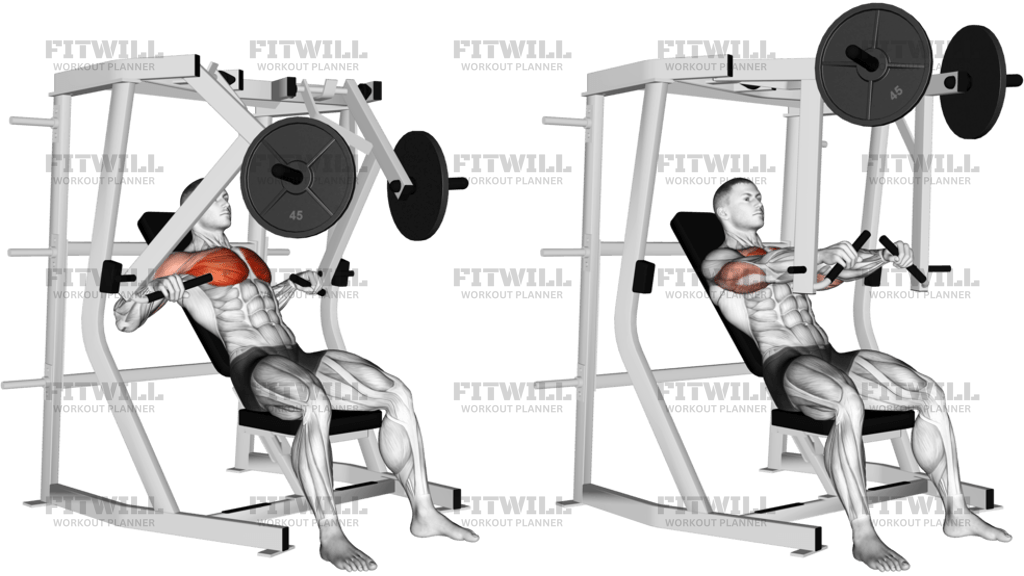
Instructions
- Set the seat on the leverage machine so the handles line up around mid-chest at the start, then sit back with your upper back and head against the pad.
- Plant both feet flat on the floor, keep your hips down, and pull your shoulder blades back and slightly down before you unrack or start the press.
- Wrap your hands around the handles with a firm, even grip and stack your wrists over your forearms.
- Take a breath, brace your torso, and press both handles forward in a smooth arc until your arms are almost straight.
- Keep your elbows slightly below shoulder height as you press so the shoulders stay comfortable and the chest stays loaded.
- Pause briefly near the top without slamming the handles together or locking out hard.
- Inhale and lower the handles back toward the chest under control, letting the elbows travel just behind the torso line if the machine allows it comfortably.
- Keep your upper back pinned to the pad and avoid letting your ribs pop up as the handles come back.
- Repeat for the planned reps, then guide the handles back to the rack or stop point before releasing tension.
Tips & Tricks
- If the start position feels like a shoulder stretch instead of a chest stretch, lower or raise the seat until the handles sit closer to mid-chest.
- Keep your shoulder blades pinned to the back pad; letting them slide forward turns the rep into a front-shoulder press.
- Do not flare your elbows straight out to the sides. A slightly tucked path keeps the press smoother on the shoulders.
- Use a controlled lower and avoid letting the weight stack or lever arms crash into the bottom position.
- Press through the middle and inner part of the hand, not just the fingers, so the wrists stay stacked under load.
- A small pause near the top is fine, but do not fully relax the pecs between reps if you want continuous tension.
- Keep your chest high without turning the movement into a lower-back arch. The torso should stay anchored to the pad.
- Choose a load that lets both handles move evenly. If one side shoots ahead, the set is too heavy or your setup is uneven.
- If the machine feels better with a shorter range, stop the descent just before the shoulders roll forward off the pad.
Frequently Asked Questions
What muscles does Lever Decline Chest Press work most?
The main target is the chest, especially the pectoralis major, with the front shoulders and triceps helping finish the press.
Is Lever Decline Chest Press beginner-friendly?
Yes. The guided machine path makes it easier to learn than a free barbell press, as long as the seat is set so the handles line up with your chest.
Where should the handles start on Lever Decline Chest Press?
At the start, the handles should sit around mid-chest or slightly below it, not up at your shoulders. If the line feels off, adjust the seat before loading the set.
Should my shoulder blades stay back on Lever Decline Chest Press?
Yes. Keep them pulled back and down against the pad so the chest does the work and the shoulders do not roll forward at the bottom.
How low should I lower the handles?
Lower until you feel the chest stretch and the upper arms move just behind the torso line if the machine allows it comfortably. Stop sooner if the shoulders start to drift forward.
Why use a decline machine press instead of a flat press?
The decline angle and fixed lever path can make pressing feel more stable and chest-focused, especially for controlled accessory work or higher-rep sets.
What is the biggest mistake on Lever Decline Chest Press?
Letting the shoulders roll forward or bouncing off the bottom. Both usually mean the seat is wrong, the load is too heavy, or the descent is too fast.
Can I use Lever Decline Chest Press after barbell bench press?
Yes. It works well as a follow-up press when you want to keep chest tension high without needing the same amount of balance or setup as a barbell movement.
Do I need to lock out hard at the top?
No. Finish the rep with the arms almost straight, then keep tension on the handles instead of snapping into a hard joint lockout.