Lever Reverse-Grip Vertical Row
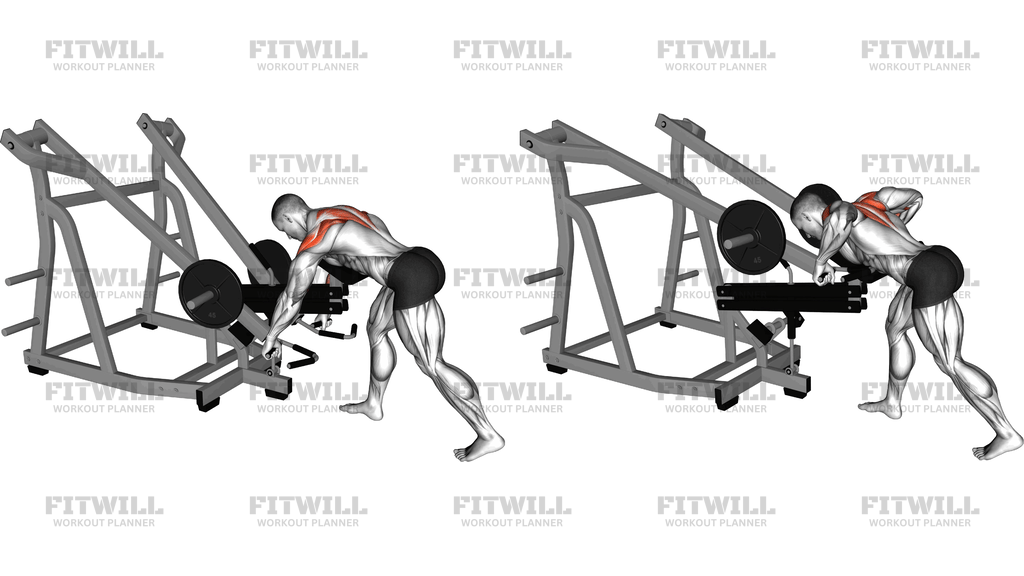
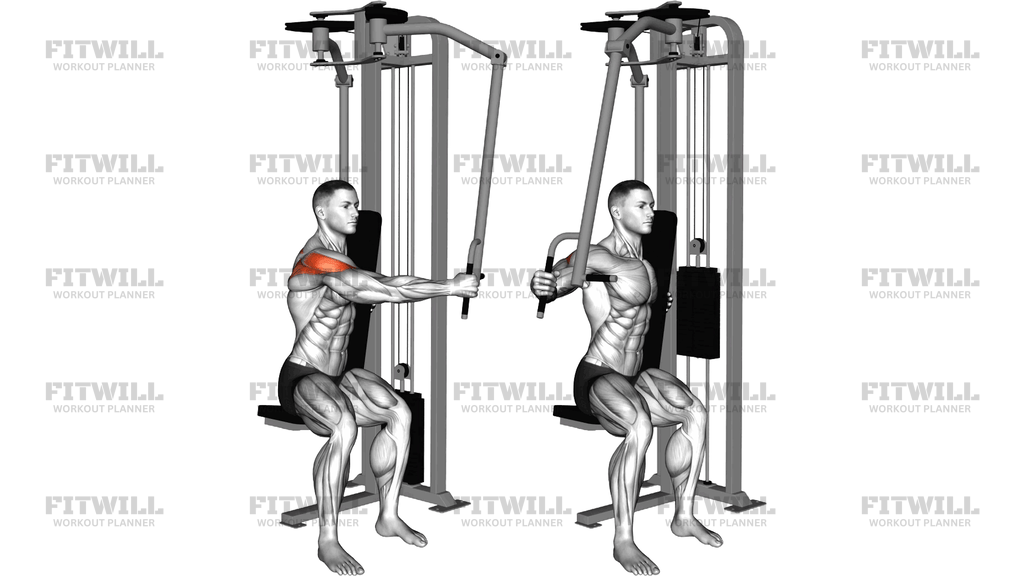
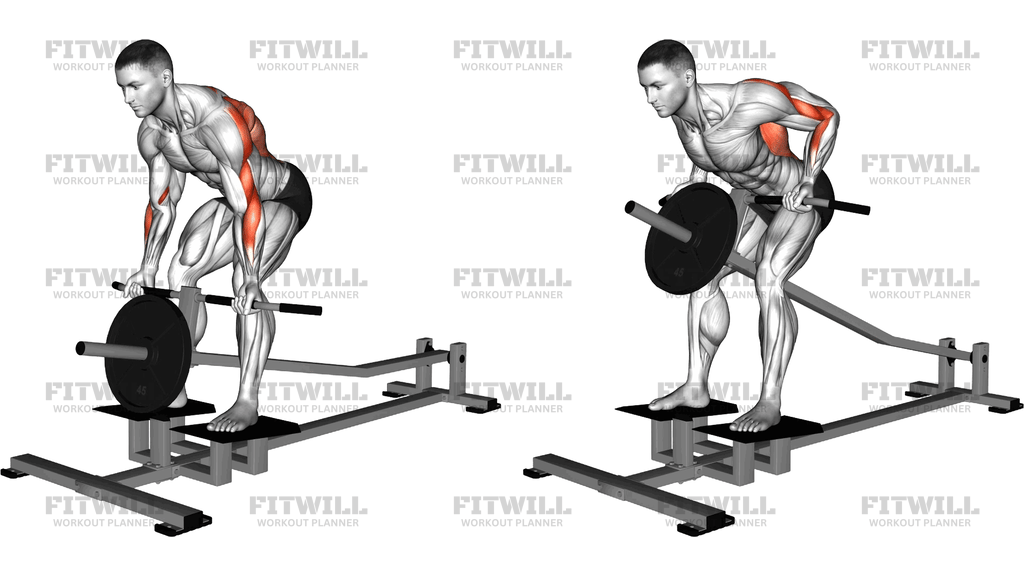
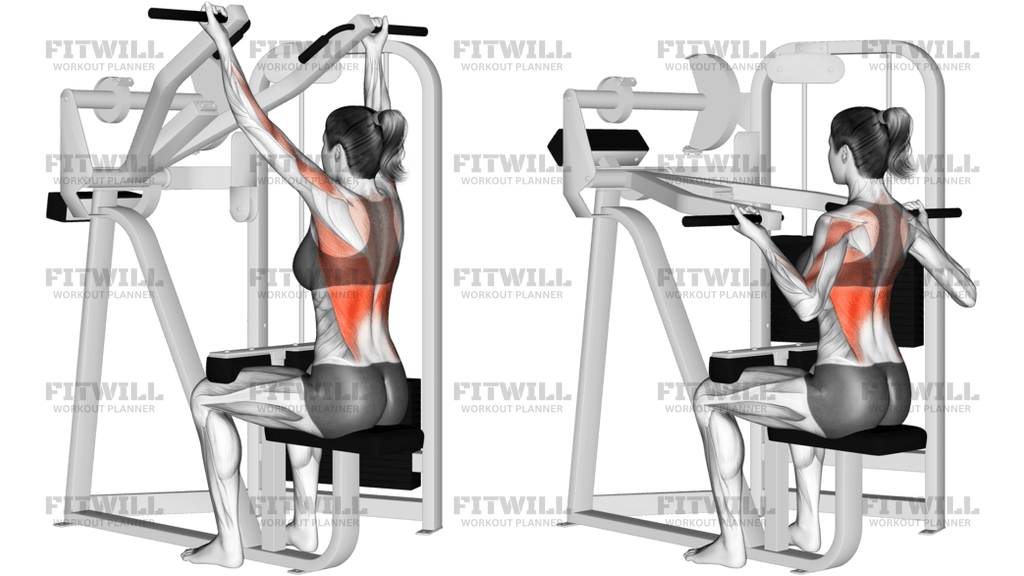
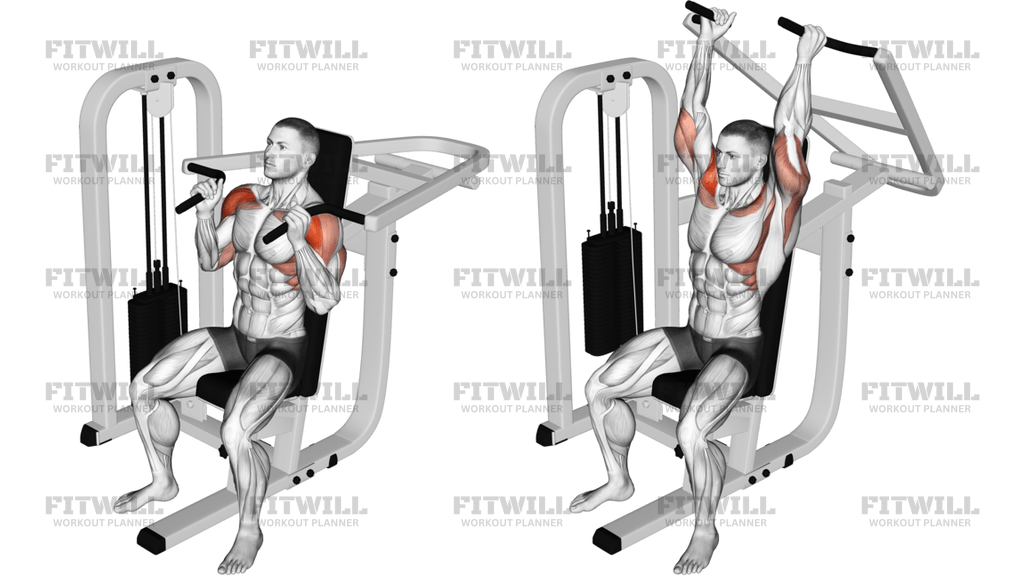
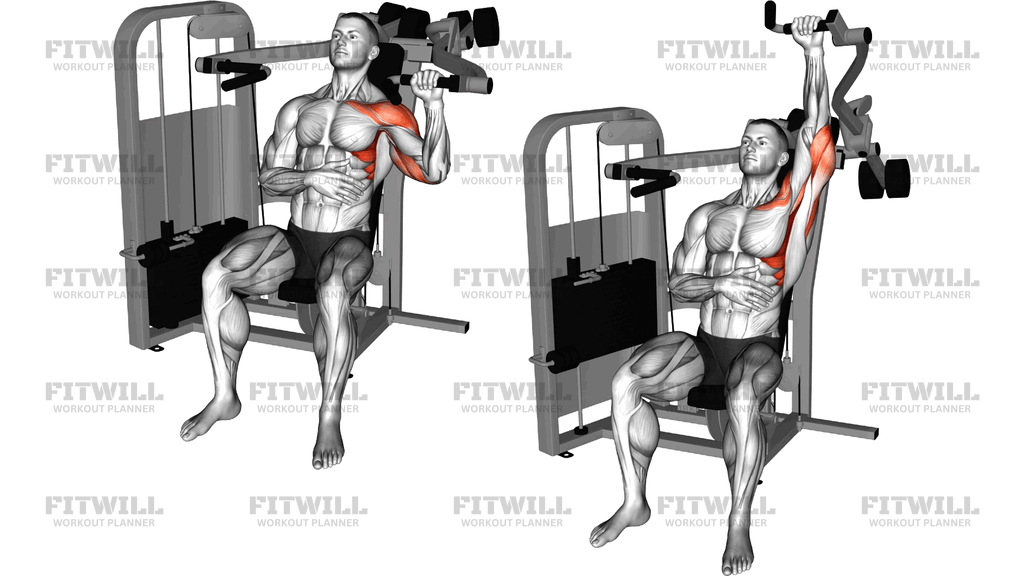
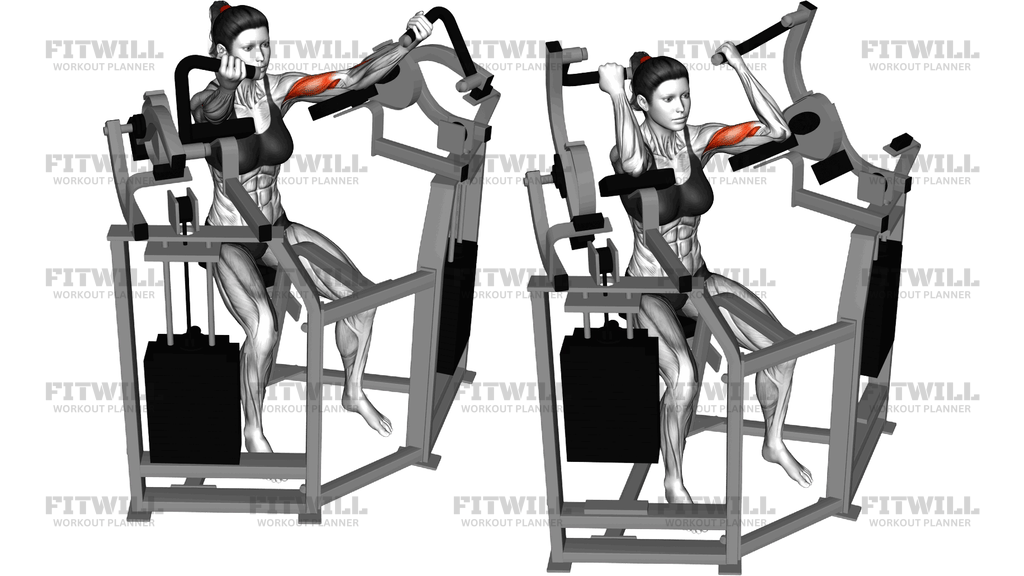
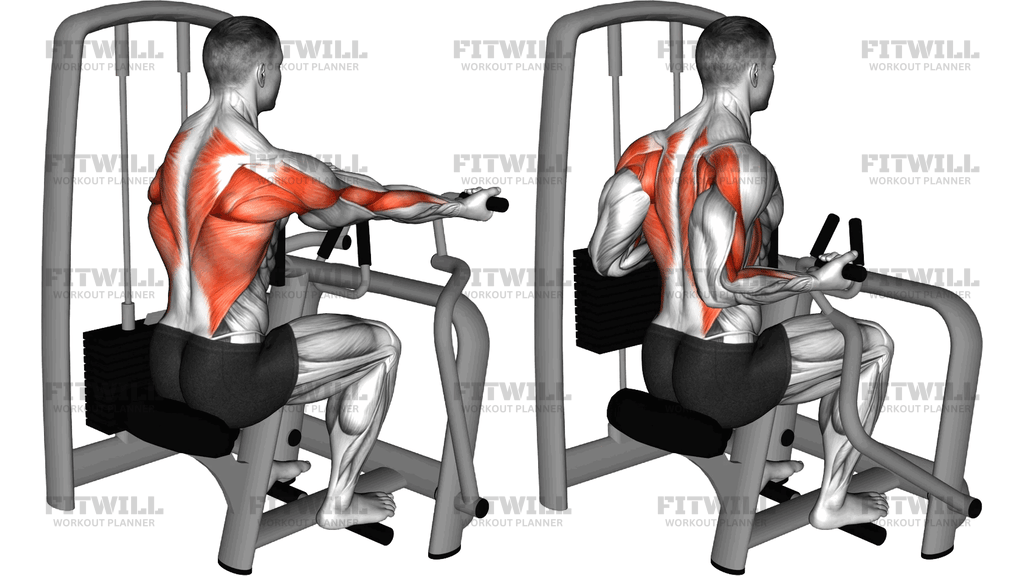
Lever Reverse-Grip Vertical Row is a guided machine row performed with an underhand grip to train the upper back through a vertical pulling path. In the image, the lifter sits upright on a leverage machine with the chest tall, feet planted, and the hands reaching forward before pulling the handles back toward the torso. The reverse grip changes the feel of the row: the elbows stay closer to the body, the biceps help less than in an overhand row, and the upper back and traps have to finish the movement cleanly.
This exercise is primarily a back movement, with the traps taking the lead and the rhomboids, lats, and biceps contributing to control. The machine path helps keep the repetition consistent, but the setup still matters. If the seat position is too high or too low, the pull will drift into the shoulders or lose tension early. A good setup keeps the handles in a strong starting line, the shoulders set down away from the ears, and the torso steady enough that the upper back is doing the work instead of momentum.
At the start of each rep, let the arms lengthen without collapsing the chest or rounding the shoulders forward. Pull the handles down and back in a smooth arc, driving the elbows toward your sides and toward the lower ribs or upper abdomen. Finish by squeezing the shoulder blades without shrugging up, then return under control until the arms are long again and the stack or lever never slams into the stop.
Use a controlled load that lets you keep the same torso angle and elbow path on every repetition. This is a useful accessory lift for back development, posture-focused training, and machine-based sessions where you want repeatable tension without balancing a free weight. It can work well for beginners because the machine guides the path, but only if the lifter keeps the neck relaxed, the wrists straight, and the return phase slow enough that the upper back stays connected from start to finish.
Fitwill
Log Workouts, Track Progress & Build Strength.
Achieve more with Fitwill: explore over 9600 exercises with images and videos, access built-in and custom workouts, perfect for both gym and home sessions, and see real results.
Start your journey. Download today!




Instructions
- Adjust the seat so the handles start around mid-chest level, then sit tall with your feet flat and your thighs secured against the machine.
- Take the reverse grip on the handles, palms up, and keep your wrists straight with your chest lifted and shoulders set down.
- Reach forward until your arms are long, but keep a small amount of tension in the upper back instead of letting the shoulders roll forward.
- Brace your midsection and begin the pull by drawing your elbows down and back toward your sides.
- Guide the handles toward your lower ribs or upper abdomen in the machine's natural arc rather than jerking them straight back.
- Keep your torso upright and still as you pull; do not lean, rock, or drive with your hips.
- Squeeze your shoulder blades together briefly at the end of the rep without shrugging your shoulders up.
- Lower the handles slowly until your arms are nearly straight again, then reset before the next repetition.
- Breathe out as you pull and inhale as you return, keeping the rhythm steady for the full set.
Tips & Tricks
- Use a seat height that lets the handles line up with your mid-chest so the first pull starts from a strong shoulder position.
- Keep the elbows tracking close to your ribs; flaring them wide turns the row into a different machine pattern.
- Think about driving the elbows back, not yanking with the hands, so the traps and upper back finish the rep.
- Stop the pull when the shoulders begin to shrug; extra range after that usually comes from the neck and momentum.
- Let the chest stay tall on the return instead of collapsing forward into the stack or lever.
- Keep the wrists stacked over the forearms so the reverse grip does not fold the hands back during the pull.
- Use a load you can lower slowly for at least two counts; the eccentric is where this row can get sloppy fast.
- If the seat or thigh pad lets your body lift off, reduce the load before you try to force more range.
- A brief squeeze at the top is useful, but holding the handles too long can turn the set into an isometric shrug.
- Finish the set when your torso starts moving before the handles do; that is the first sign the machine is too heavy.
Frequently Asked Questions
What muscles does the Lever Reverse-Grip Vertical Row work most?
It mainly targets the trapezius and upper back, with the rhomboids, lats, and biceps helping to control the pull.
Why use a reverse grip on this row?
The underhand grip keeps the elbows closer to the body and changes how the upper back and arms share the work.
Where should the handles travel during the rep?
Pull them in a smooth arc toward the lower ribs or upper abdomen, following the machine's path without jerking back.
How upright should I stay on the machine?
Stay tall with a steady torso. A little movement is normal, but if you have to lean or rock to finish the rep, the load is too heavy.
Should I shrug at the top of the row?
No. Finish by squeezing the shoulder blades together and keeping the shoulders away from the ears.
Is this exercise beginner-friendly?
Yes. The machine path makes it easier to learn, as long as you start light and control the return instead of letting the stack slam.
What is the most common mistake with this machine row?
Most people use too much weight and turn the rep into a body swing, which shifts the work away from the upper back.
Can I use this as a back-building accessory after compound lifts?
Yes. It works well after heavier pulling work when you want extra upper-back volume without needing a barbell or dumbbell setup.