Posterior Tibialis Stretch
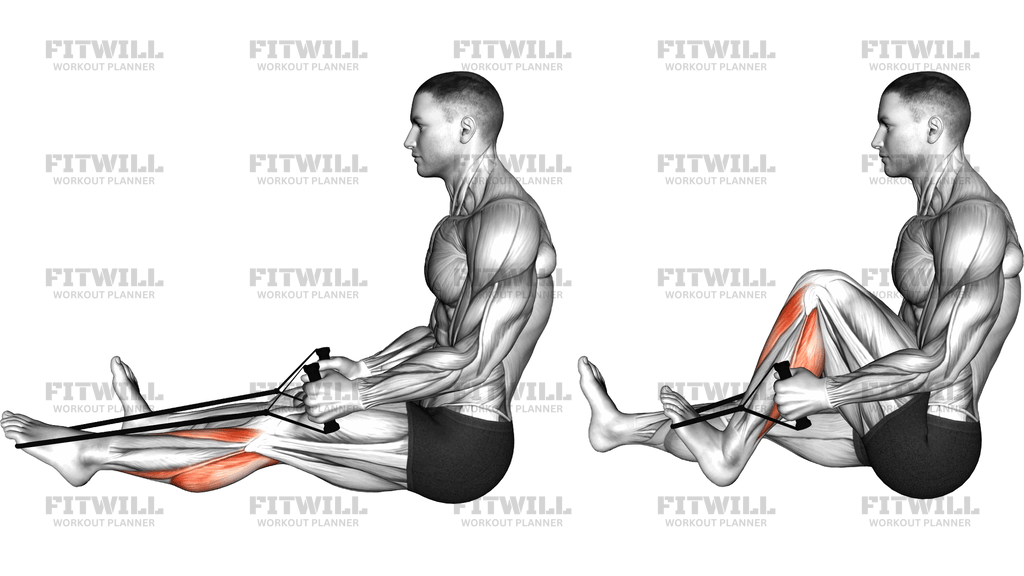
Posterior Tibialis Stretch is a seated rope-assisted stretch for the inside of the lower leg, ankle, and arch. The image shows one leg extended on the floor while the other leg is folded in for support, with the rope looped around the forefoot so you can guide the ankle into a deeper stretch without bouncing or twisting the knee.
This stretch is useful when the posterior tibialis feels tight after running, jumping, calf work, or long periods on your feet. That muscle helps support the arch and control how the foot settles into the ground, so a clean stretch usually feels strongest along the inner calf, just behind the inside ankle, and sometimes into the arch. The goal is not to yank the foot back as far as possible, but to create a steady line of tension that opens the lower leg while keeping the heel and knee calm.
The setup matters because the rope changes the line of pull. Sit tall, keep the working leg long enough that the calf can lengthen, and use both hands to guide the foot rather than forcing the toes back with a jerky arm motion. A small amount of outward rotation through the sole of the foot can bias the posterior tibialis more than a simple calf stretch, but the movement should stay subtle. If the knee bends too much, the stretch shifts away from the deep calf and into a milder ankle position.
Use slow breathing and a patient hold to let the tissue relax. A hard, sharp pull in the Achilles or a cramp in the foot means you are overdoing the range or holding too much tension in the toes. Ease back, reset the rope, and find a position you can hold evenly on both sides. This is a good mobility drill before lower-body training, or as a cooldown when the feet and ankles need targeted recovery.
[ Workout Log & Planner ]
Put your next workout in Fitwill
Keep your plan and training log ready when you are.


Instructions
- Sit on the floor or mat and loop the rope around the ball of one foot, holding an end in each hand.
- Extend the working leg in front of you with the heel on the floor and the other leg folded in for balance.
- Square your hips and sit tall before you start pulling on the rope.
- Gently draw the foot toward your shin until you feel the ankle and inner calf begin to lengthen.
- Slightly turn the sole of the foot outward if you want more posterior tibialis tension, but keep the motion small.
- Keep the knee mostly straight or only softly bent so the stretch stays in the lower leg instead of collapsing into the hip.
- Hold the end position with steady breathing and no bouncing.
- Release the rope slowly, reset the foot, and repeat before switching sides.
Tips & Tricks
- Keep the heel heavy on the floor so the stretch stays in the calf and ankle instead of turning into a hamstring stretch.
- Use the rope to guide the foot; do not jerk the toes back with your arms.
- A slight outward turn through the sole can increase the stretch on the inside lower leg, but too much rotation can irritate the ankle.
- If your toes are curling hard, the foot will cramp before the posterior tibialis stretches. Relax the toes and pull from the ankle instead.
- A straighter knee usually increases the stretch, while a softer knee makes it easier on tight ankles.
- Breathe out as you ease into the end range so the lower leg can soften.
- Stop short of any sharp pull in the Achilles tendon or a pinch at the inside ankle bone.
- Keep the torso upright instead of folding over the thigh, which changes the stretch and makes it harder to control.
Frequently Asked Questions
What does Posterior Tibialis Stretch target?
It targets the deep calf and ankle area on the inside of the lower leg, especially the posterior tibialis and nearby arch-supporting tissues.
What should I feel during the stretch?
You should feel a steady stretch along the inner calf, behind the inside ankle, and sometimes into the arch, not a sharp pinch in the tendon.
Do I need the rope for this stretch?
A strap, rope, or towel all work. The key is having enough reach to control the foot without rounding the whole body toward the leg.
Should the knee be straight or bent?
A straighter knee usually gives a stronger posterior tibialis stretch. A slight bend is fine if your ankle is very tight or the pull feels too aggressive.
How is this different from a normal calf stretch?
A normal calf stretch usually stays more general, while this version uses the rope and foot angle to bias the inner lower leg and arch-supporting tissues more directly.
Why does my foot cramp during this exercise?
The stretch is probably too hard or your toes are gripping the rope. Back off the range, relax the forefoot, and breathe until the cramp eases.
Can I do this after running or calf training?
Yes. It works well after impact work, calf raises, or any session that leaves the lower leg feeling stiff and dense.
What is the most common mistake with this stretch?
Pulling the foot aggressively while rounding the torso or twisting the knee. Keep the leg position stable and let the ankle do the work.