Modified Push-Up To Forearms
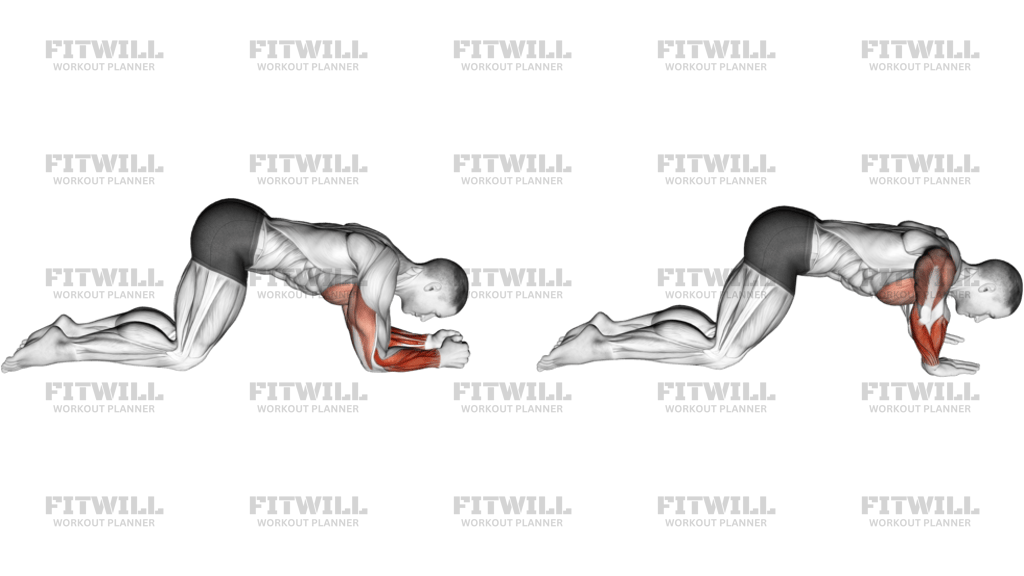
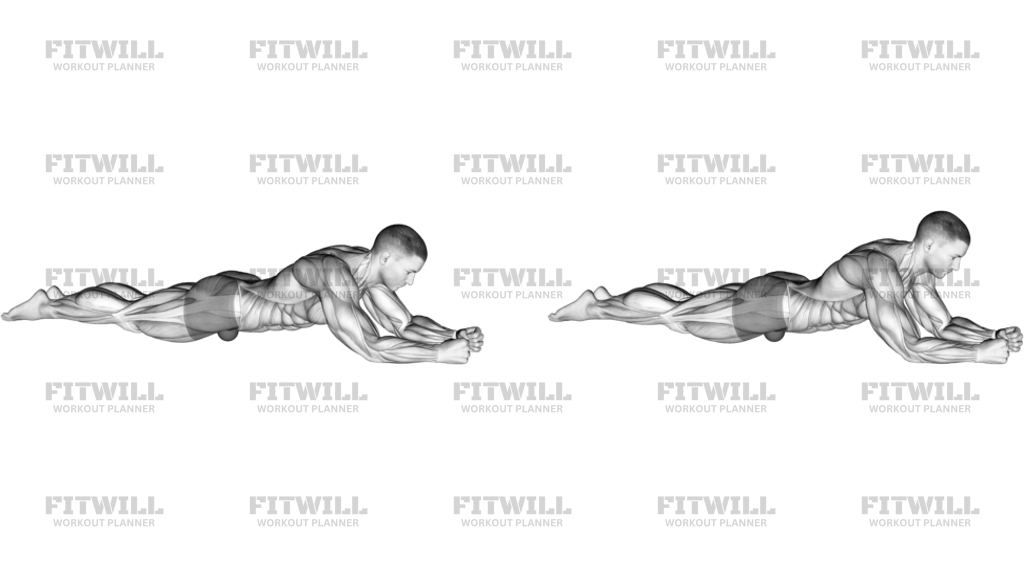
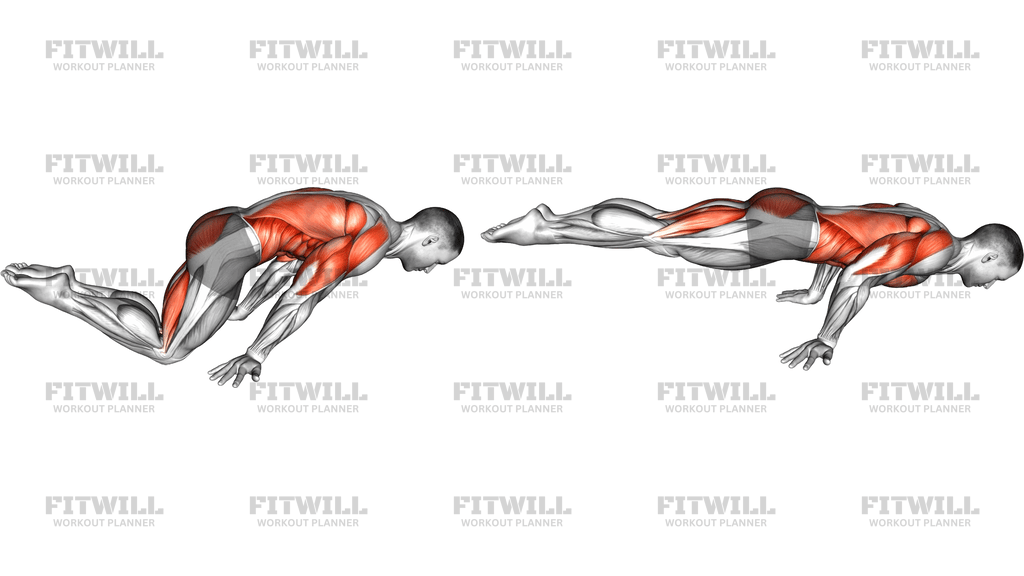
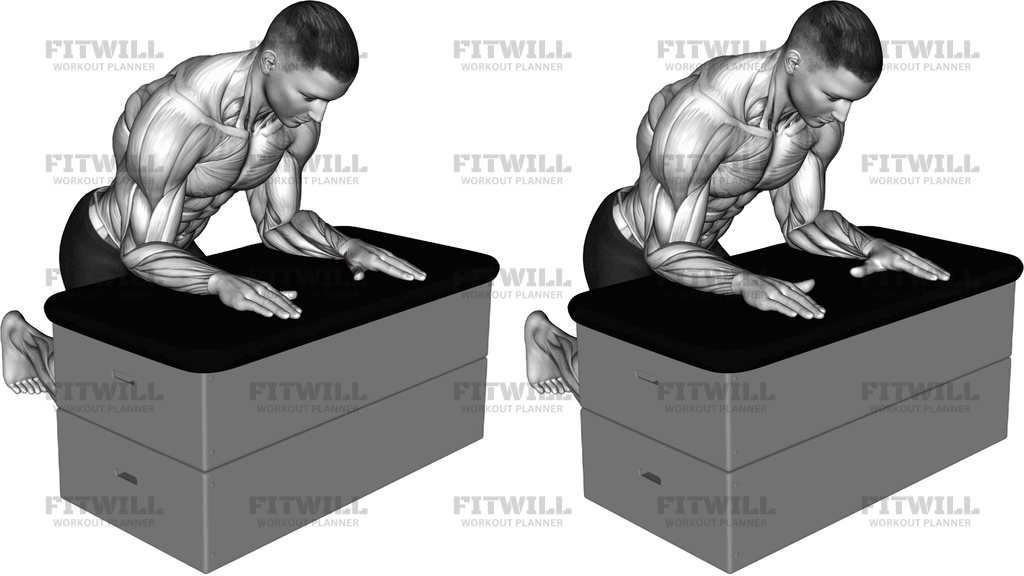
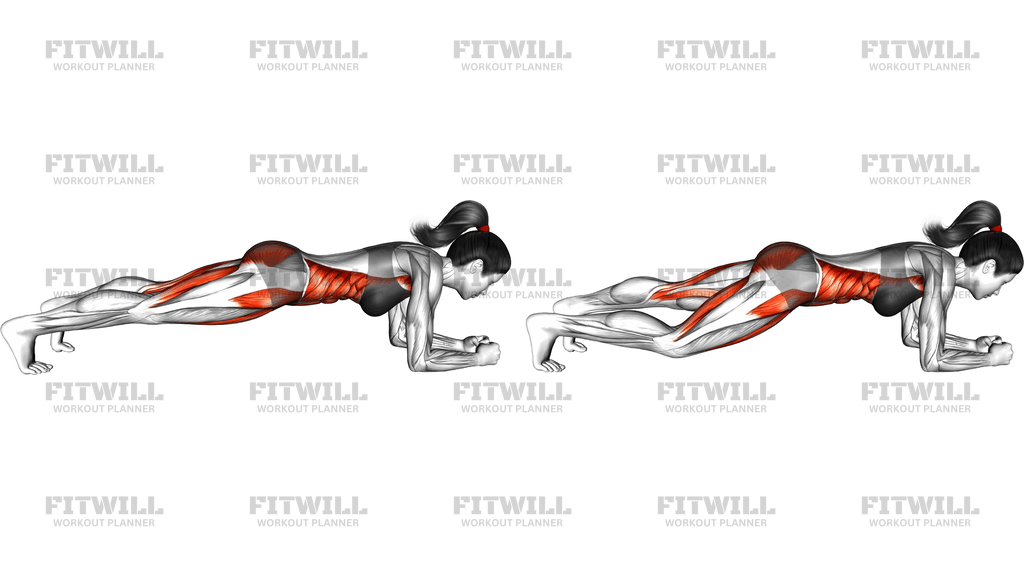
Modified Push-Up to Forearms is a bodyweight floor exercise that trains a controlled transition between a kneeling push-up support and forearm support. It is useful for building shoulder stability, triceps strength, forearm endurance, and trunk control while you learn to keep the torso steady as the base of support changes.
The setup matters because this movement is easy to turn into a sloppy scramble if the elbows, shoulders, and knees are not lined up before the rep starts. Start on a mat with the knees down, the torso long, and the shoulders stacked over the supporting joint you are using at that moment. The forearms should land parallel or nearly parallel, with the elbows close enough that you can keep pressure centered instead of drifting side to side.
As you move, lower or return one arm at a time under control rather than dropping into the floor. Keep the ribs tucked, the hips level, and the neck long so the body stays organized while the arms do the work. The goal is not speed. The goal is to make the transition smooth enough that the forearms, triceps, front shoulders, and core can all stay engaged through the entire rep.
This variation is especially helpful when you want a push-up pattern that reduces wrist loading while still challenging the upper body and midline. It fits well in warm-ups, accessory work, or floor-strength circuits, and it can be scaled by shortening the range, slowing the tempo, or keeping the knees in contact with the floor throughout. If the shoulders start collapsing forward or the lower back takes over, the set is too hard or the rep quality has broken down.
Use Modified Push-Up to Forearms when you want a simple bodyweight drill that teaches control between two support positions. Clean repetitions should feel deliberate, quiet, and repeatable from start to finish.
Fitwill
Log Workouts, Track Progress & Build Strength.
Achieve more with Fitwill: explore over 9600 exercises with images and videos, access built-in and custom workouts, perfect for both gym and home sessions, and see real results.
Start your journey. Download today!




Instructions
- Kneel on a mat and place your hands under your shoulders, or start from the kneeling support position shown in the setup.
- Keep your knees under your hips and your torso long so your upper body is braced before you move.
- Lower one forearm to the floor, then the other, bringing the elbows under the shoulders and keeping the forearms parallel or nearly parallel.
- Hold the ribs down and the hips level so your trunk does not twist as the base of support changes.
- If you are returning to the hands, press one palm into the floor, then the other, with the elbows tracking close to your sides.
- Move slowly through the transition instead of dropping or rocking onto the floor.
- Exhale as you press or lower through the hardest part of the rep, then reset your breath at the top or bottom.
- Repeat for the planned number of repetitions while keeping the knees, torso, and shoulders controlled.
Tips & Tricks
- Stack the elbows under the shoulders before each rep so the forearms do not drift too far forward.
- Keep the forearms parallel and the hands relaxed; a wide arm position usually makes the transition unstable.
- Press the knees lightly into the mat so the hips stay level instead of swinging side to side.
- Think about moving the chest and hips together rather than letting one end of the body lag behind.
- Keep the neck in line with the spine and look slightly ahead of your hands or forearms.
- Use a slower tempo if you feel yourself dropping into the floor instead of lowering with control.
- A mat under the forearms and knees helps if the floor pressure limits your range or makes you rush.
- If your lower back arches, shorten the range and finish the rep before the torso starts to sag.
- This variation should feel friendlier on the wrists than a standard push-up because the load sits on the forearms.
Frequently Asked Questions
What does Modified Push-Up to Forearms train most?
It emphasizes forearm support strength, shoulder stability, triceps control, and core tension during the floor transition.
Is this just a push-up variation?
It is a push-up pattern, but the main challenge is the controlled move from hand support to forearm support or back again.
Should my knees stay on the floor?
Yes, for the modified version the knees stay down so you can keep the torso controlled while you change arm positions.
Where should my elbows be during the rep?
Keep them close to the body and aim to stack them under the shoulders when you are on the forearms.
Can beginners do Modified Push-Up to Forearms?
Yes. Beginners can keep the range short, stay on the knees, and move slowly through each transition.
What is the biggest form mistake?
Letting the hips twist or sag while the arms are changing position is the most common error.
Is this easier on the wrists than a regular push-up?
Usually yes, because the load shifts to the forearms instead of placing the hands in full wrist extension.
How can I make the exercise harder?
Slow the lowering, pause longer on the forearms, or extend the lever by moving the knees farther back as control improves.
Where should I feel the exercise most?
You should feel the forearms, triceps, front shoulders, and abdominal wall working to keep the transition stable.