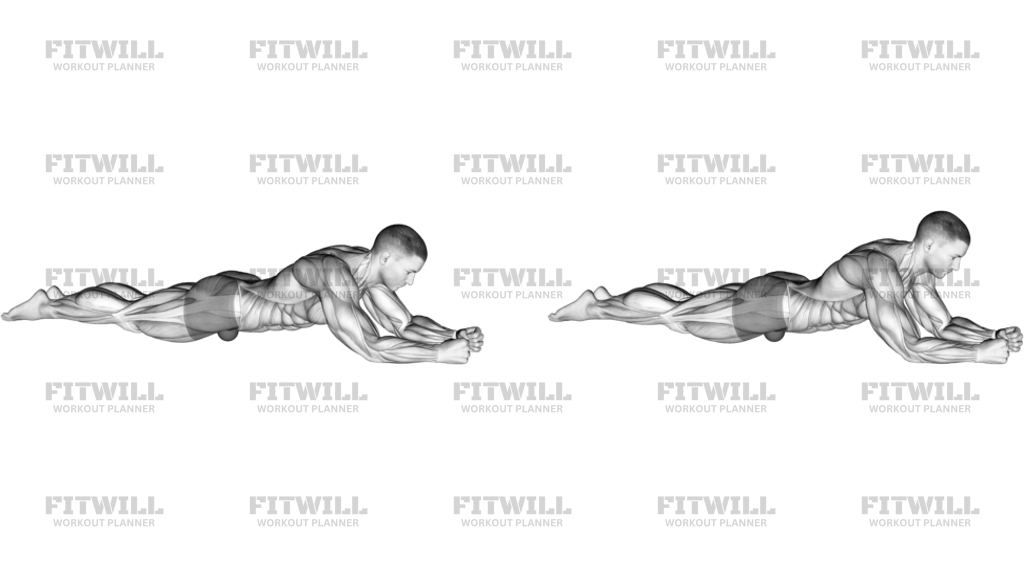
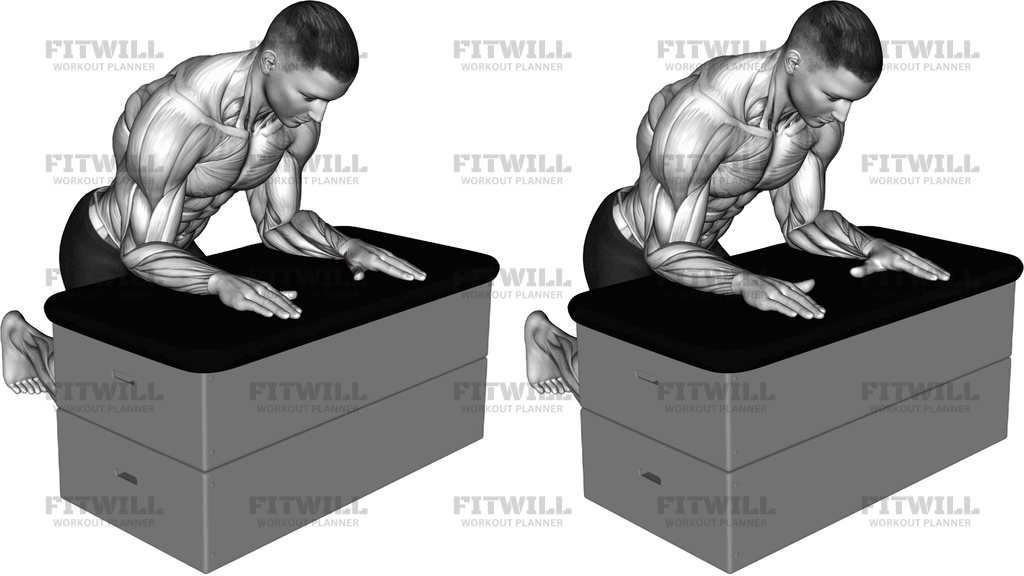
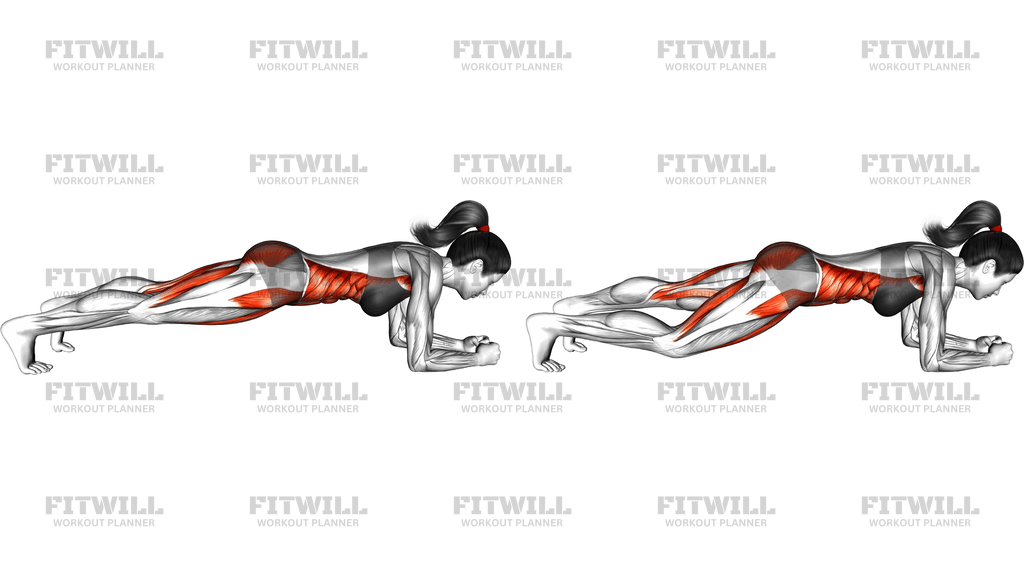
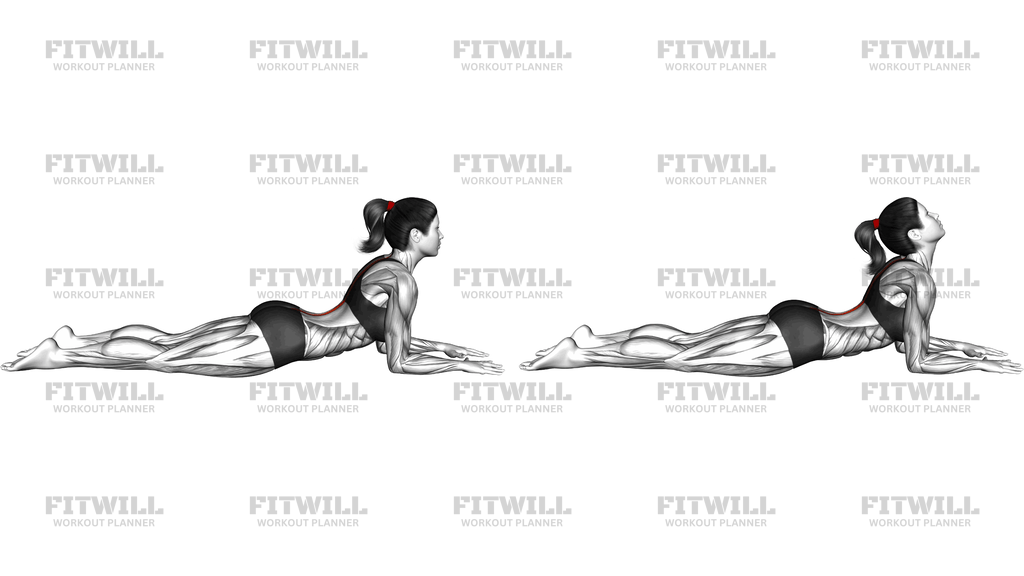
Handboard Hang With 90 Degree Elbow
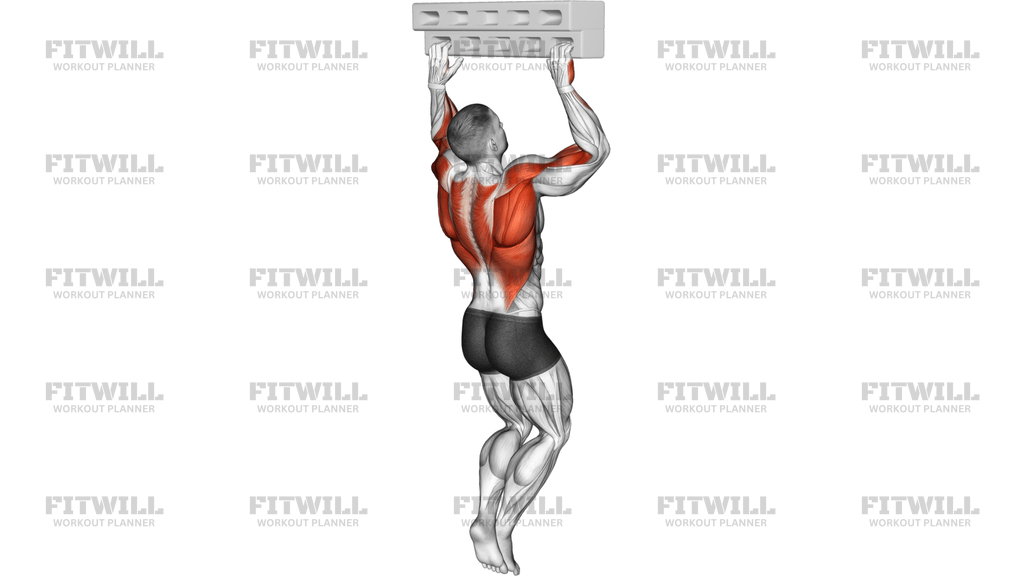
Handboard Hang With 90 Degree Elbow is a bodyweight isometric hold performed on a handboard or climbing-style board with both elbows fixed around a right angle. The exercise is built to challenge grip endurance, forearm tension, shoulder stability, and trunk control at the same time. Because the elbows stay bent and the hands are fixed on small edges, the hold demands a very deliberate setup and a quiet body if you want the right muscles to do the work.
This movement is especially useful when you want climbing-specific pulling endurance without the speed of a dynamic pull-up or the full stretch of a straight-arm hang. Handboard Hang With 90 Degree Elbow places the forearms, hands, biceps, rear shoulders, and mid-back in a stable but demanding position while the core keeps the torso from swinging. The goal is not to climb upward or chase range of motion; it is to own one exact joint angle and keep the whole body organized under tension.
The setup matters because a small change in shoulder position or wrist angle changes how the hold feels. Reach the board, take your chosen grips, and lift into a position where the elbows sit close to 90 degrees, the shoulders stay active instead of shrugged, and the ribs do not flare forward. A slight posterior pelvic tilt and firm abdominal brace help stop the lower back from arching while the legs stay quiet beneath you. If the board is high, step from a box or use a spotter so you can get into position without a sloppy jump.
During the hold, the body should look almost still. Keep both hands evenly loaded, keep the neck long, and let the shoulders stay packed down rather than creeping toward the ears. Breathing should be short and controlled so you can keep tension without losing position. When the hold is finished, lower one hand or one foot at a time and reset cleanly instead of dropping suddenly from the board.
Handboard Hang With 90 Degree Elbow fits well in climbing prep, grip-strength sessions, upper-body endurance work, or as a targeted accessory when you want to train scapular control and forearm stamina together. It is not a max-effort pulling lift, and it should not be used to force through shoulder pain or finger pain. The best sets are the ones where the elbows stay set, the torso stays quiet, and the grip gives out only after the rest of the body has stayed organized the whole time.
Fitwill
Log Workouts, Track Progress & Build Strength.
Achieve more with Fitwill: explore over 9600 exercises with images and videos, access built-in and custom workouts, perfect for both gym and home sessions, and see real results.
Start your journey. Download today!




Instructions
- Stand under the handboard and place both hands on matching edges or holds with a secure overhand grip.
- Step up, jump lightly, or use a box until your body is hanging with both elbows bent close to 90 degrees.
- Set your shoulders down away from your ears before you settle into the hold.
- Bring your ribs down and brace your abdomen so your torso does not arch or swing.
- Keep the wrists stacked and the forearms vertical enough that both sides share the load evenly.
- Hold the position without letting one elbow flare higher or one shoulder drift forward.
- Breathe in short, controlled breaths while keeping the grip and trunk tension steady.
- When the hold is complete, lower one foot or hand at a time and reset on the floor or box with control.
Tips & Tricks
- If your shoulders creep toward your ears, shorten the hold and reset with a stronger scapular set.
- Keep the elbows near the same 90-degree angle on both sides; one arm drifting straighter usually means the set is breaking down.
- Use chalk or a cleaner grip surface if your hands slip before your shoulders fatigue.
- A box under the board lets you get into position without a big jump, which is useful when training for time.
- Do not let the ribs flare forward to buy extra hold time; that usually turns the exercise into a back arch instead of a clean hang.
- If your elbows or biceps tendon feel pinchy, reduce the hold time or use a larger edge before trying again.
- Keep the neck relaxed and your gaze neutral so you do not tense the upper traps unnecessarily.
- Stop the set as soon as one hand starts rotating open or your body begins to swing side to side.
Frequently Asked Questions
What does Handboard Hang With 90 Degree Elbow train most?
It mainly trains grip endurance and forearm tension, with a strong demand on the shoulders, upper back, and core to keep the hanging position stable.
How is Handboard Hang With 90 Degree Elbow different from a dead hang?
A dead hang hangs from straight elbows, while this version keeps the elbows bent around 90 degrees. That changes the stress toward bent-arm grip endurance and shoulder stability.
Should my elbows stay exactly at 90 degrees the whole time?
Aim to keep them close to 90 degrees. A small amount of drift is normal, but if the angle opens a lot you are no longer doing the same hold.
Is Handboard Hang With 90 Degree Elbow good for climbers?
Yes. It is a useful climbing-specific accessory for finger, forearm, and shoulder endurance, especially when you want to practice holding tension on a board without moving through a full pull.
Can beginners do this exercise?
Yes, but beginners should use short holds, a lower board, or a box for support so they can keep the shoulders set and the body still.
Why do my shoulders burn before my grip does?
That usually means your scapular stabilizers and upper-back muscles are working hard to keep the shoulders packed. If it happens too quickly, shorten the hold or use bigger holds.
What is the biggest mistake on the handboard?
Shrugging up, swinging, or letting one arm take over. The hold should stay even, controlled, and quiet instead of turning into a survival grip.
How can I make Handboard Hang With 90 Degree Elbow easier?
Use larger edges, reduce the hold time, or support one foot on a box so less of your bodyweight is hanging from the hands.