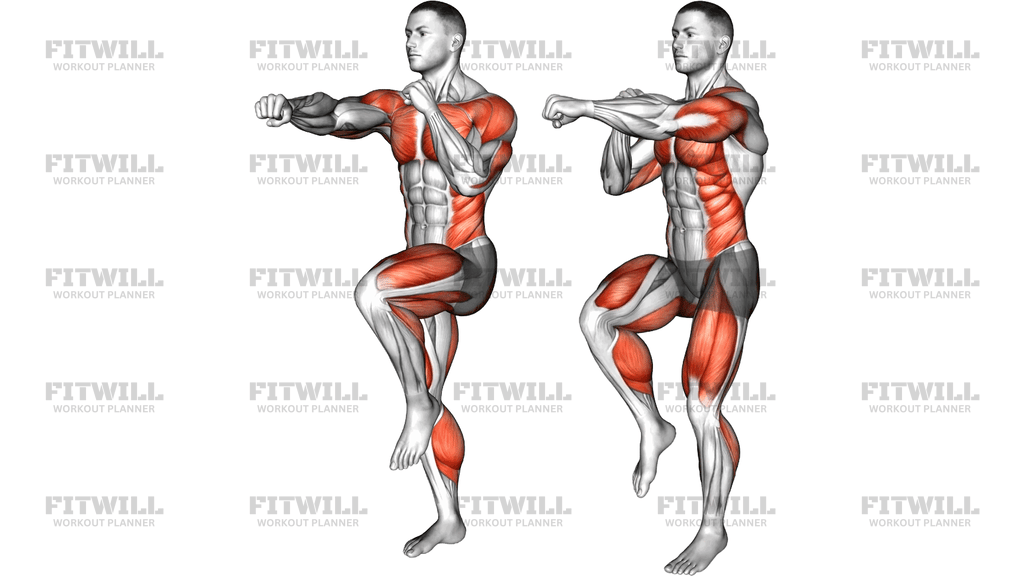
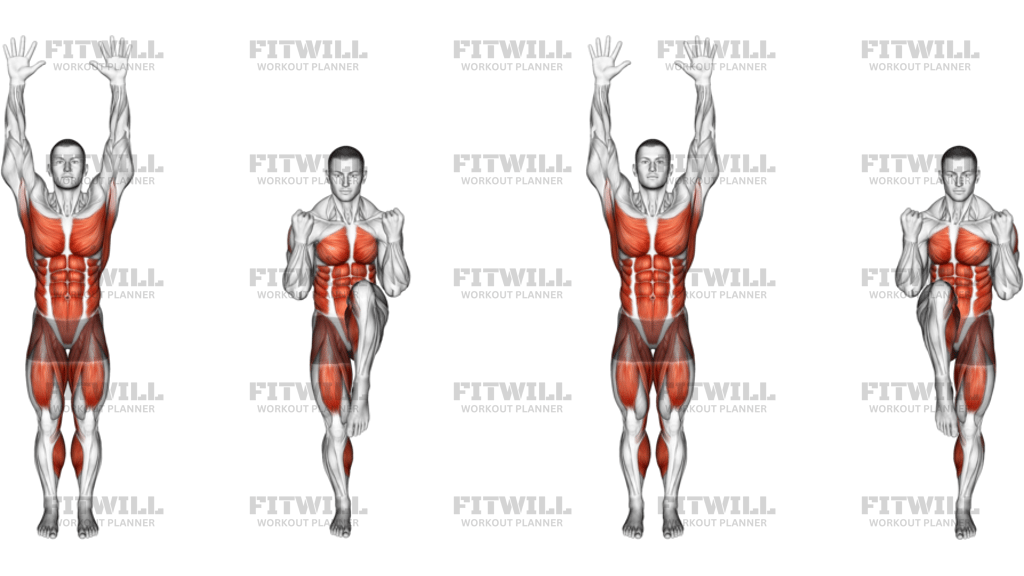
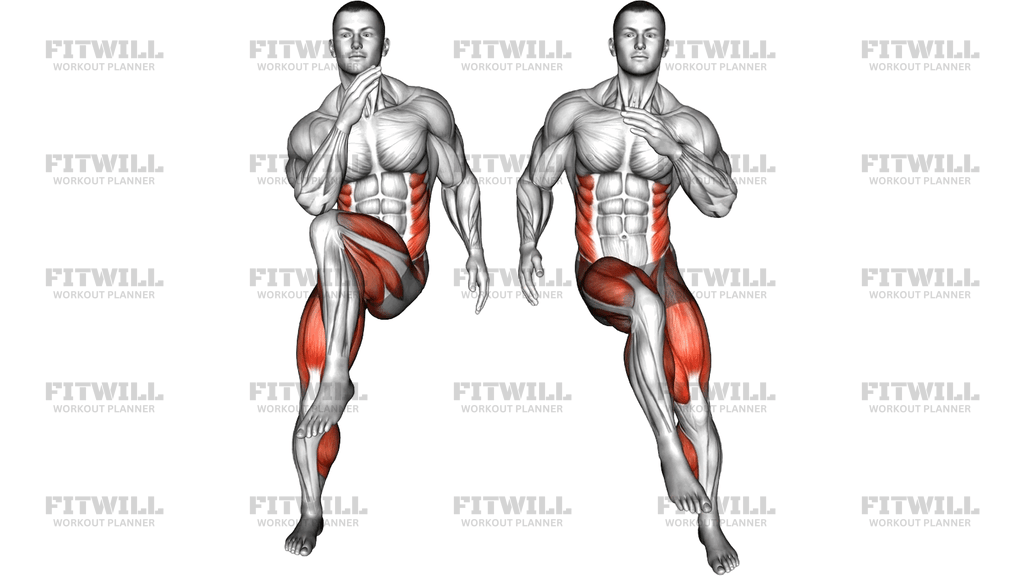
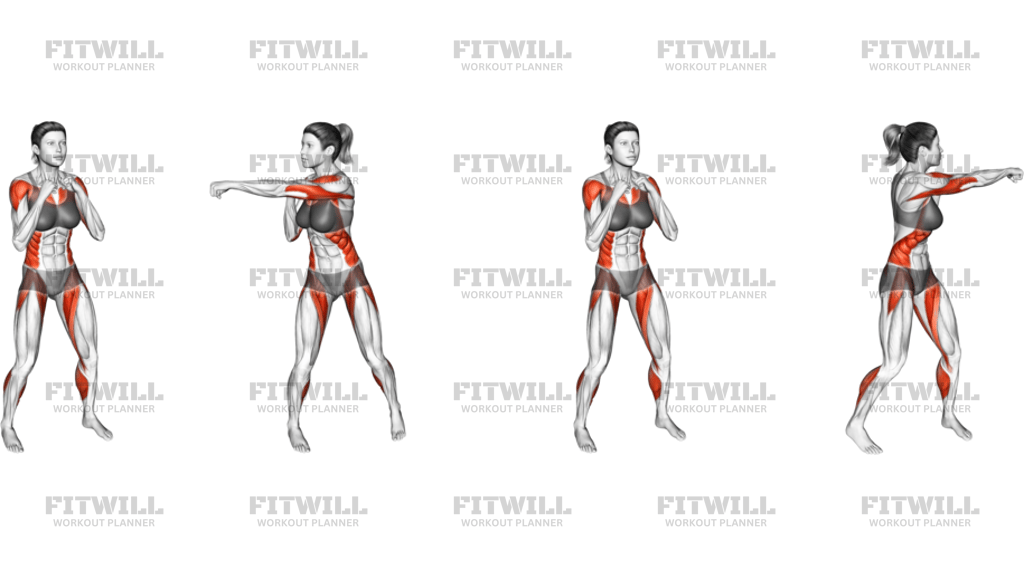
Knee Tuck Jump
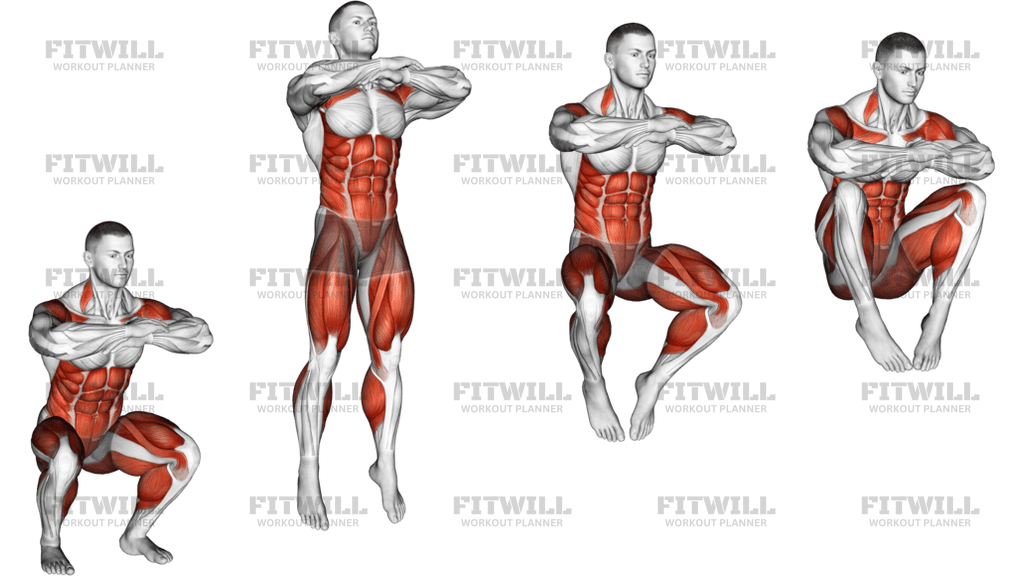
Knee Tuck Jump is a bodyweight plyometric drill built around a fast vertical jump and a compact knee tuck at the top. It is meant to train explosive leg drive, quick hip flexion, and landing control in the same rep, so the jump has to stay athletic rather than sloppy or exaggerated. The arms are often kept crossed in front of the chest, which removes extra swing and makes the lower body do the work.
This exercise is useful when you want power, rhythm, and coordination rather than heavy external load. The main work comes from the quads, glutes, calves, and core, with the hip flexors helping pull the knees up during the tuck and the trunk muscles keeping the torso from folding forward. Because each rep finishes with a landing, the quality of the deceleration matters just as much as the height of the jump.
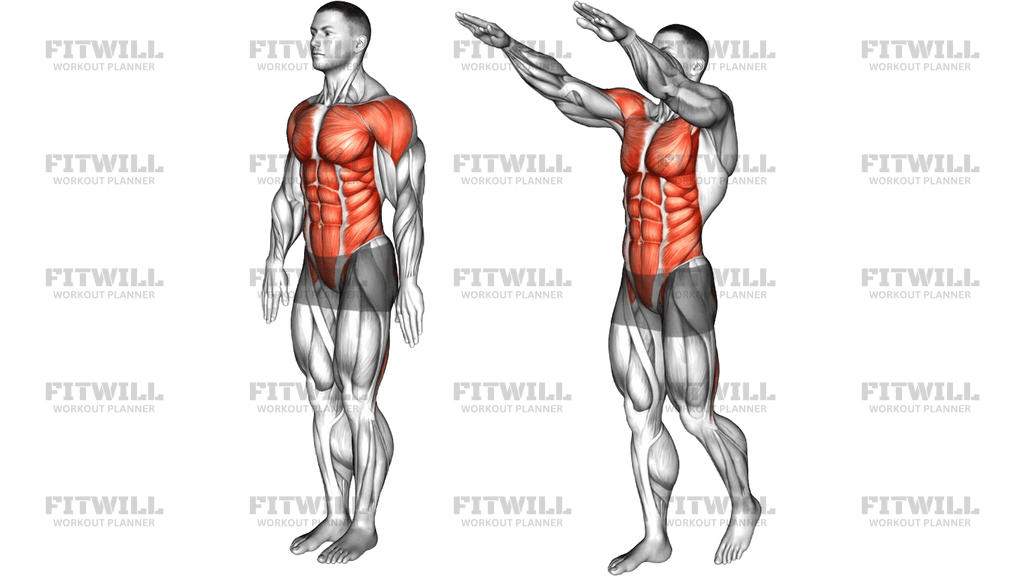
The setup should be simple and repeatable: stand on a flat, non-slip surface with your feet about hip-width apart, chest tall, and ribs stacked over your pelvis. Sink into a short athletic dip, then drive straight up off both feet. As you rise, keep the jump vertical, bring the knees toward the chest at the top, and prepare to land under control instead of reaching forward or drifting backward.
A good Knee Tuck Jump looks crisp from the floor to the landing. You should leave and land in roughly the same spot, with soft knees and hips absorbing the force quietly. If the tuck makes your torso round hard, your feet scatter, or the landing gets loud, the rep is too aggressive and the jump height needs to come down.
Knee Tuck Jump fits best in plyometric work, conditioning blocks, or athletic warm-ups where power output and movement quality are the priorities. It is not a max-effort grinding exercise, so lower rep counts and full recovery usually produce better results than long, sloppy sets. Use it to build sharper takeoff mechanics, cleaner landings, and better lower-body reactivity without relying on equipment or heavy loading.
[ Workout Log & Planner ]
Put your next workout in Fitwill
Keep your plan and training log ready when you are.


Instructions
- Stand on a flat, non-slip surface with your feet about hip-width apart and your arms crossed in front of your chest.
- Stack your ribs over your pelvis, keep your chest tall, and soften your knees into a short athletic dip.
- Shift pressure into the midfoot and heels so you can jump straight up without rocking forward.
- Drive forcefully through both feet and leave the floor with a vertical jump.
- At the top of the jump, pull your knees up toward your chest while keeping your torso tall.
- Keep the tuck compact and controlled instead of forcing your knees higher than your landing can support.
- Land softly on the balls of your feet and let the heels settle as you absorb the impact through your ankles, knees, and hips.
- Reset your balance in the same stance before the next rep, and stop the set if the landing gets loud or unstable.
Tips & Tricks
- Keep your arms crossed over your chest if you want the legs to do all the work and to prevent extra swing from inflating the jump.
- Use a smaller tuck if your torso folds forward or your feet shoot out in front of you at the landing.
- Land in the same footprint you took off from; drifting forward usually means you are reaching for height instead of jumping vertically.
- Think of the rep as jump, tuck, and absorb, not jump and collapse.
- Keep the knees tracking over the toes on the dip and landing so they do not cave inward.
- Choose a surface with enough grip and a little give, such as rubber flooring, to make the landing quieter and safer.
- Plyometric quality drops fast, so stop the set when your jumps get slower, lower, or noisier.
- Use low rep sets with full recovery; this movement is about power output, not fatigue.
Frequently Asked Questions
What muscles does Knee Tuck Jump work most?
The main demand is on the quads, glutes, calves, and core, with the hip flexors helping pull the knees into the tuck.
Is Knee Tuck Jump beginner friendly?
It can be, but beginners should start with small jumps and quiet landings first. If you cannot land softly and stay balanced, use a squat jump until the mechanics are clean.
Should I swing my arms during Knee Tuck Jump?
This version is often done with the arms crossed over the chest so the legs have to produce the power without help from momentum. That also makes the landing easier to judge.
How high should the knees come up?
Bring the knees up only as high as you can while still landing in control. A smaller, clean tuck is better than forcing a huge knee lift and losing the rep.
What is the biggest mistake with Knee Tuck Jump?
The biggest mistake is chasing height and landing stiff or forward. Keep the jump vertical and absorb the landing through the ankles, knees, and hips.
What surface should I use for Knee Tuck Jump?
Use a flat, non-slip surface with a little give, like rubber flooring or turf. Avoid slick tile, concrete, or uneven ground because they make the landing less predictable.
How many reps should I do?
Low rep sets work best, usually just a few crisp jumps at a time. Once the landing gets noisy or the tuck gets sloppy, the set is over.
How do I progress Knee Tuck Jump safely?
Progress by keeping the same takeoff and landing quality while gradually improving jump speed or adding a rep or two. Do not increase height if it changes your body position in the air or makes the landing unstable.