Weighted Tricep Dips
Weighted Tricep Dips are a loaded pressing exercise performed on parallel dip handles with a weight belt hanging between the legs. The added load makes the movement more demanding than a bodyweight dip, but the exercise still depends on the same basics: a stable shoulder position, a controlled descent, and a strong elbow extension to finish each rep. When the torso stays fairly upright and the elbows track back instead of flaring wide, the triceps do most of the work.
This exercise trains the triceps heavily while also challenging the chest, front delts, scapular stabilizers, grip, and trunk. In anatomy terms, the primary work centers on the triceps brachii, with support from the anterior deltoids, forearm flexors, and rectus abdominis. The weight belt adds a clear overload without changing the basic dip pattern, which makes it useful for strength-focused sets, hypertrophy work, and progression after a solid bodyweight dip has been mastered.
The setup matters because the hanging plate can swing and pull the body out of position if it is not centered. Grip the handles firmly, lock the shoulders down away from the ears, and start from a tall support position with the elbows straight and the chest lifted. Before the first rep, brace the midsection and cross or tuck the feet so the plate hangs still between the legs. A clean start keeps the shoulders organized and prevents the set from turning into a bounce.
Each repetition should lower under control until the upper arms are near parallel or the shoulders begin to lose a packed position. From there, press the handles down and extend the elbows to return to the top without kicking, swinging, or shrugging. Keep the chain or belt from drifting forward, and keep the neck long so the upper traps do not take over. Exhale through the press and inhale on the way down to keep the trunk stable.
Weighted Tricep Dips are best used when you want a heavy upper-body accessory lift that rewards strict form more than speed. They are effective, but they are also demanding on the shoulders and sternum, so the range of motion should stay pain-free and the load should increase gradually. If the shoulders feel pinched at the bottom, shorten the depth, reduce the weight, or use an assisted dip variation until the movement is smooth and repeatable.
Fitwill
Log Workouts, Track Progress & Build Strength.
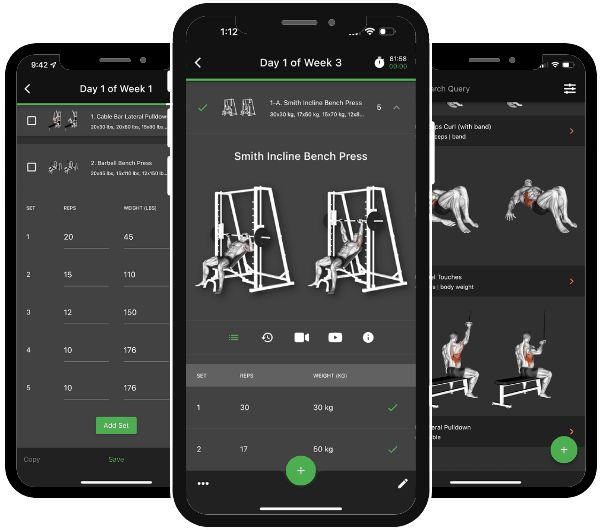
Achieve more with Fitwill: explore over 5000 exercises with images and videos, access built-in and custom workouts, perfect for both gym and home sessions, and see real results.
Start your journey. Download today!


Instructions
- Clip the weight belt securely and let the plate hang centered between your legs before you step onto the dip station.
- Grip the parallel handles firmly, lock your elbows at the top, and keep your shoulders pulled down away from your ears.
- Stack your ribs over your pelvis, cross or tuck your feet behind you, and keep the hanging plate still before the first rep.
- Unlock the elbows and lower yourself by bending the arms, keeping the elbows tracking back rather than flaring wide.
- Descend until your upper arms are close to parallel with the floor or until your shoulders start to lose a packed position.
- Pause for a brief moment at the bottom without bouncing the plate or drifting forward.
- Drive the handles down and extend the elbows until you return to a tall support position with straight arms.
- Exhale as you press up, inhale on the way down, and reset the shoulders before starting the next rep.
Tips & Tricks
- Keep the belt centered so the plate hangs quietly; a swinging load pulls your torso out of position.
- Stay more upright if you want the triceps to dominate; a bigger forward lean shifts more stress to the chest and shoulders.
- Use a depth that keeps the front of the shoulder comfortable even if that is shallower than parallel.
- Lower under control for about two to three seconds instead of dropping into the bottom.
- Do not let the elbows flare hard to the sides; a slight back track keeps the pressing line cleaner.
- Keep your neck long and avoid shrugging at the top, especially when the added weight gets heavy.
- If the handles feel unstable, shorten the set and reduce the load before the grip or shoulders start to compensate.
- Add weight in small jumps; a clean bodyweight dip with perfect control is a better base than chasing the plate.
Frequently Asked Questions
What do Weighted Tricep Dips train most?
They mainly train the triceps, with the chest, front delts, grip, and trunk helping to stabilize and press.
How should my body position look on the dip handles?
Start tall on the handles with the shoulders depressed, elbows straight, and the weight belt hanging centered between your legs.
How low should I go on the dip bars?
Lower until your upper arms are close to parallel or until the shoulders begin to lose a comfortable, packed position.
Should my elbows flare out on this movement?
No. Let the elbows travel slightly back so the triceps can extend the arms without extra shoulder stress.
Is the hanging plate supposed to swing?
No. The belt and plate should stay as still as possible so the load does not change the rep path.
Can beginners use Weighted Tricep Dips?
Beginners usually should master bodyweight or assisted dips first, then add weight only when the handles and bottom position feel controlled.
What if my shoulders feel pinched on the dip handles?
Shorten the range of motion, reduce the load, and keep the torso more upright; if that still hurts, switch to a safer triceps exercise.
What is a good progression for the weight belt?
Add small amounts of weight only after you can keep the handles steady, the descent controlled, and every rep identical.