Standing Reach Up Back Rotation Stretch
Standing Reach Up Back Rotation Stretch is a standing mobility drill that opens the lats, sides of the torso, upper back, and shoulders while asking the trunk to stay tall and organized. With the hands overhead, the body reaches long and then arcs backward with a small rotation, creating a controlled stretch through the rib cage and shoulder line rather than a loose low-back bend.
It is most useful as a warm-up before overhead pressing, pulling, throwing, climbing, or any session where the shoulders and thoracic spine need to move freely. It also works well between strength sets or inside a mobility circuit when you want to restore range of motion without adding fatigue. The movement is simple, but the setup determines whether it opens the right tissues or just collapses into the lower back.
Keep the feet planted, knees soft, and glutes lightly engaged so the pelvis stays steady while the upper body moves. Reach up first, then let the chest and rib cage arc gently backward and slightly around the working side. The stretch should feel long through the side body and shoulder, with the neck relaxed and the elbows controlled, not yanked past a comfortable position.
Breathe slowly through each repetition and use the exhale to ease into the end range. A good rep finishes with a clear lengthening sensation, not pinching in the shoulder or compression in the lumbar spine. Return to center with control, reset the posture, and repeat on the other side if you are using the drill bilaterally. Beginners can use it safely with a small range and patient tempo as long as they avoid forcing the rotation or backbend.
Fitwill
Log Workouts, Track Progress & Build Strength.
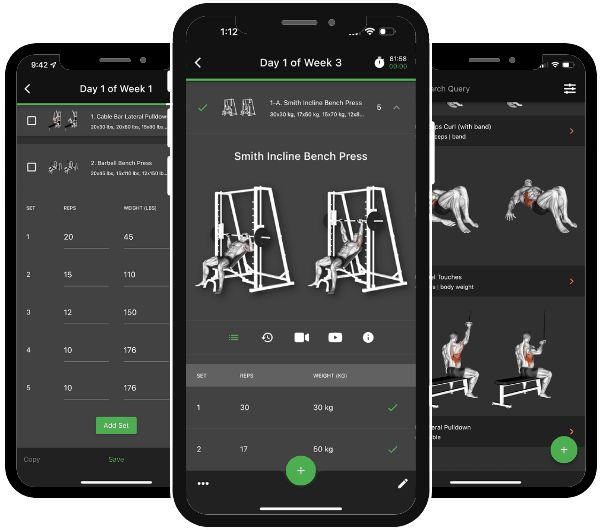
Achieve more with Fitwill: explore over 5000 exercises with images and videos, access built-in and custom workouts, perfect for both gym and home sessions, and see real results.
Start your journey. Download today!


Instructions
- Stand tall on a flat surface or mat with your feet about hip-width apart and your weight spread evenly through both feet.
- Interlace your fingers overhead or press your palms together, then straighten your arms without locking the elbows.
- Lift through the crown of your head first so your ribs stay stacked over your pelvis before you start the stretch.
- Keep your shoulders active and reach both arms upward as if you are trying to make yourself taller.
- Exhale as you gently arc the torso backward and rotate the rib cage a few degrees toward the side you want to open.
- Keep the hips facing forward and let the movement come from the upper back, ribs, and side body instead of the low back.
- Pause briefly in the end range while keeping the neck relaxed and the glutes lightly engaged.
- Inhale as you return slowly to center, then reset your posture before repeating or switching sides.
Tips & Tricks
- Think of the first cue as a vertical reach, not a backward lean; the upward lift should happen before the rotation starts.
- If your lower back takes over, shorten the range and keep the ribs pulled down as you move.
- A small side-and-back arc is usually enough to open the lats and obliques; a bigger bend is not automatically better.
- Keep the chin slightly tucked so the neck does not crank backward with the arms.
- Press the feet into the floor and lightly squeeze the glutes to keep the pelvis from drifting forward.
- Use the exhale to soften into the stretch, especially as you approach the rotated end position.
- If the shoulders feel pinchy overhead, lower the hands a little and keep the elbows from drifting behind the ears.
- Move slowly enough that you can feel whether the stretch stays in the side body instead of turning into a twist through the hips.
Frequently Asked Questions
What does Standing Reach Up Back Rotation Stretch target most?
It mainly stretches the lats, side body, upper back, and shoulders while also asking the trunk to stabilize.
Can beginners perform this exercise?
Yes. Beginners should keep the range small, move slowly, and stop well before the low back starts to take over.
Do I need equipment for this stretch?
No external load is needed. A mat or flat floor is enough for stable footing and comfort.
What is the most common mistake?
Most people lean back from the lower back instead of reaching tall first and rotating only the upper trunk.
Should I feel this in my low back?
No. You should feel length through the side body and upper torso, not compression or pinching in the lumbar spine.
How long should I hold the stretch?
A short hold of one to three calm breaths per side is usually enough if the position stays controlled.
When is this stretch most useful?
It is a good warm-up before overhead lifting, pulling, throwing, or any session that needs freer shoulder and thoracic motion.
What should I do if my shoulders feel tight overhead?
Lower the arms slightly, reduce the backbend, and keep the hands moving in a comfortable line instead of forcing the rotation.