Forearm Pronator Stretch
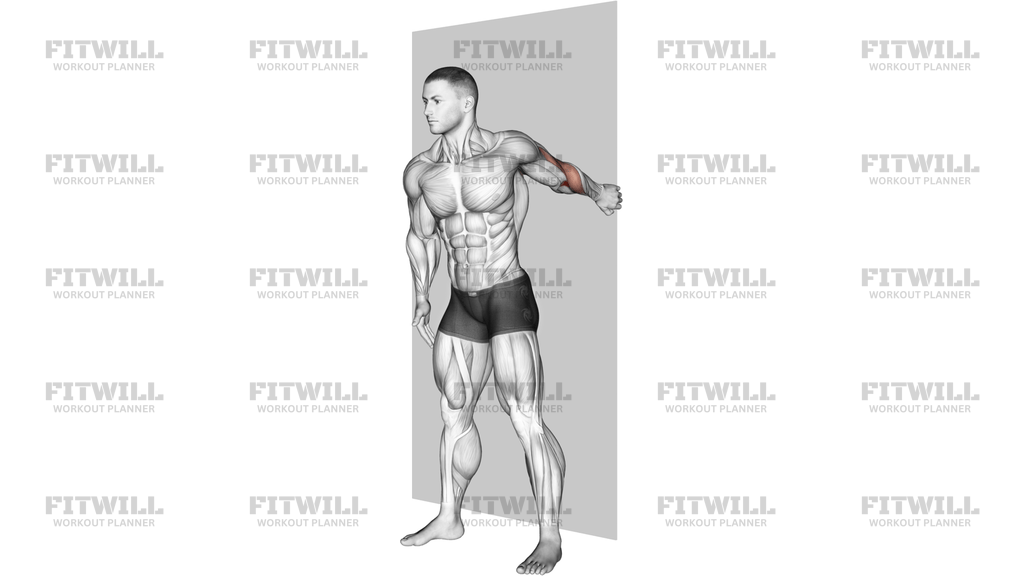
Forearm Pronator Stretch is a standing mobility drill for the forearm rotators and the tissue around the inner elbow. It is meant to create a calm, repeatable stretch through the pronator side of the forearm rather than a loaded strength effort. The value of the exercise comes from how precisely you set the arm, wrist, and shoulder before you sink into the stretch.
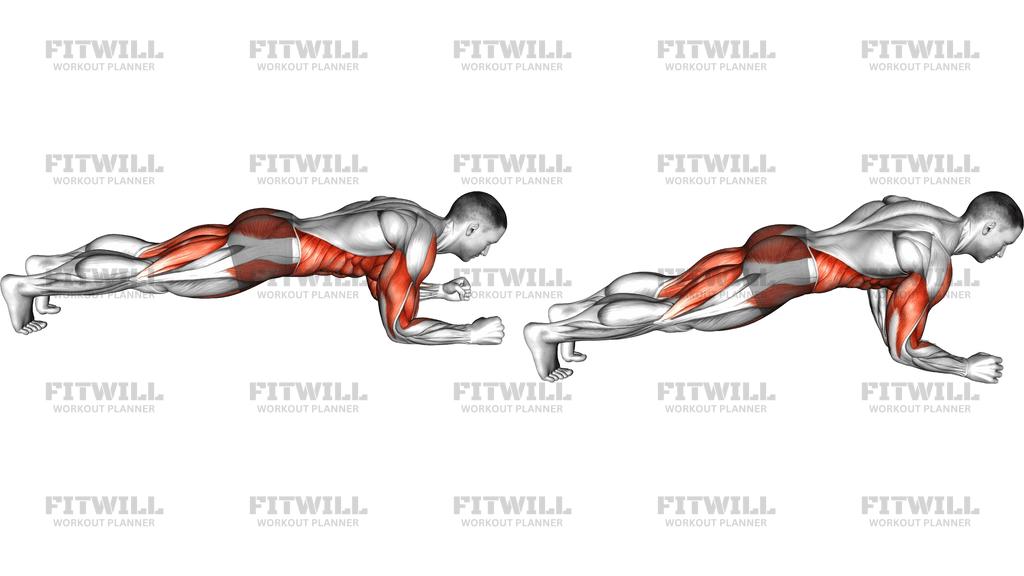
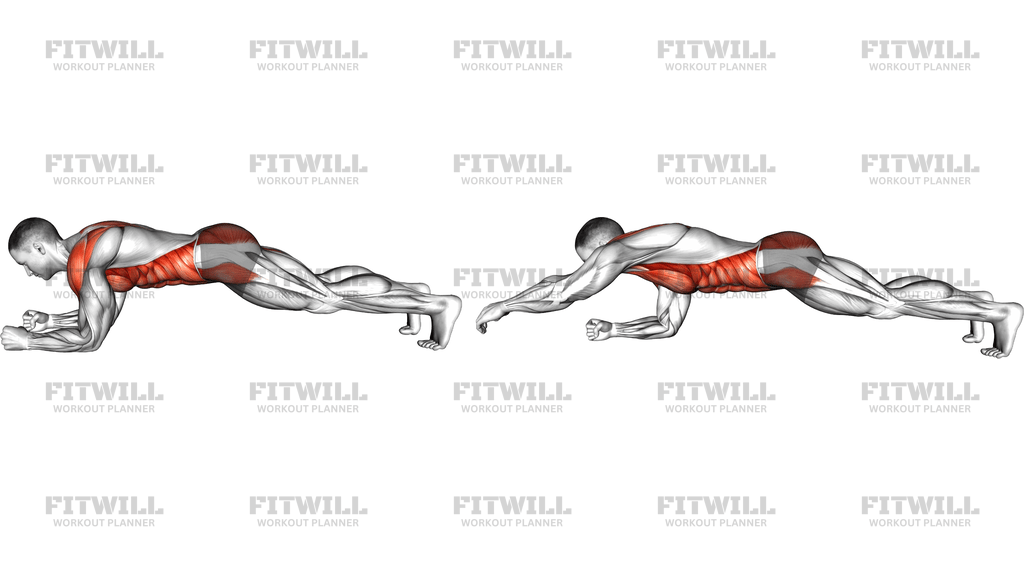
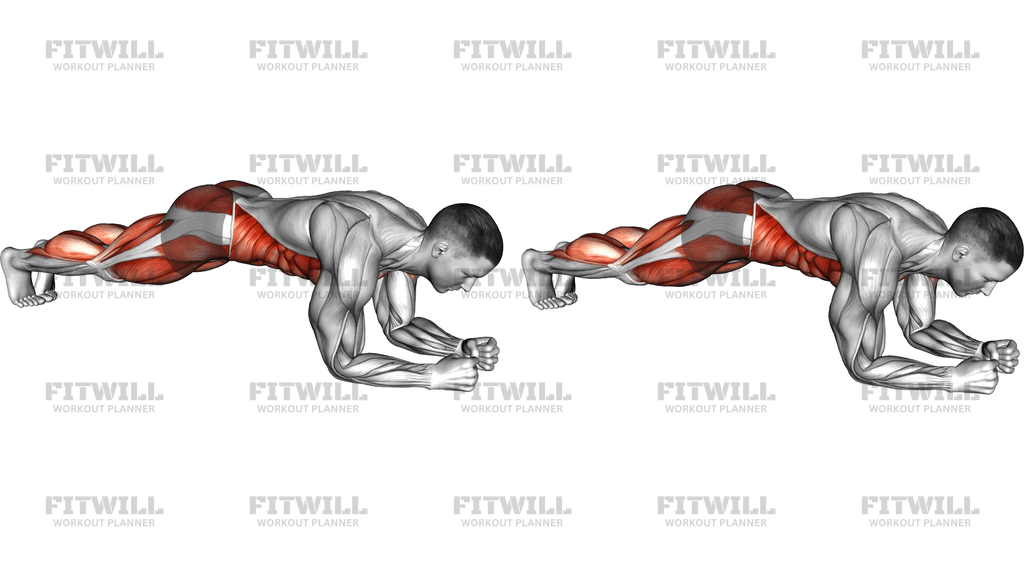
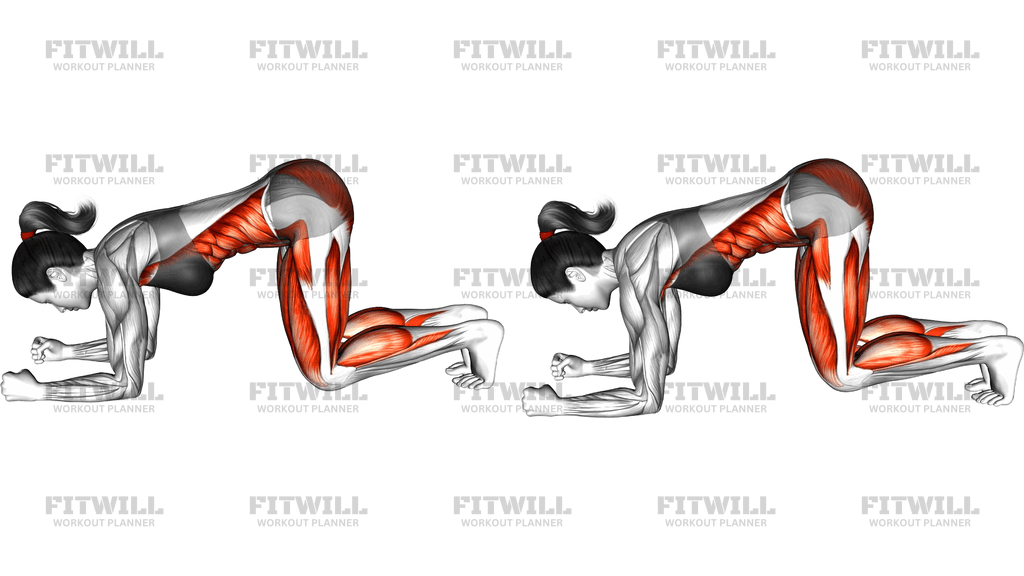
The image shows a simple bodyweight setup with one arm held straight out at shoulder height while the rest of the body stays tall and quiet. That long lever matters because the pronator muscles work across the forearm and elbow, so a bent elbow or a shrugged shoulder quickly moves the sensation away from the target area. When the setup is clean, the stretch stays on the forearm instead of turning into a wrist crank or shoulder twist.
This movement is useful after pulling sessions, grip-heavy training, racket sports, climbing, typing, or any workout that leaves the forearms feeling tight and packed. It can also help when repeated pronation and gripping make the elbow area feel stiff. Because the exercise is based on position and breathing, the goal is not to force a bigger range each time; the goal is to find a controlled end range you can repeat without irritation.
A good repetition moves gradually into the stretch, pauses long enough for the tissue to settle, and then eases out with the same control. If the wrist starts to pinch, the elbow bends, or the shoulder takes over, the stretch becomes less specific and usually less useful. Keeping the hand, wrist, elbow, and shoulder organized makes the movement feel small but effective.
Use Forearm Pronator Stretch as part of a warm-up, cool-down, or recovery block whenever the forearms limit grip quality or upper-body comfort. It is beginner friendly, but it should still feel deliberate and pain free. Slow breathing, steady posture, and a relaxed grip are the main tools that make the stretch work well.
Fitwill
Log Workouts, Track Progress & Build Strength.
Achieve more with Fitwill: explore over 9600 exercises with images and videos, access built-in and custom workouts, perfect for both gym and home sessions, and see real results.
Start your journey. Download today!




Instructions
- Stand tall and extend one arm straight out at shoulder height with the elbow long and the hand relaxed.
- Keep the shoulder down and the chest square so the stretch stays in the forearm instead of the upper arm or neck.
- Use the opposite hand to gently guide the wrist or hand into the stretch until you feel a clear pull through the inner forearm.
- Hold the elbow and wrist in one line so the forearm stays supported and the joint does not collapse.
- Pause in the end range for 15 to 30 seconds while breathing slowly and evenly.
- Ease out of the stretch a few degrees, then settle back into the same position if you want another hold.
- Switch sides and match the same arm height, hand pressure, and hold time.
- Finish by shaking out the forearm and reopening the hand before your next set or activity.
Tips & Tricks
- Keep the stretch mild enough that you can breathe normally; forearms respond better to steady pressure than a hard yank.
- If the wrist feels pinchy, reduce the angle and keep the hand closer to a neutral line with the forearm.
- A shrugged shoulder usually steals tension away from the pronator line, so keep the shoulder blade down as you settle in.
- Do not let the elbow bend just to chase more range; the long-arm position is what makes the stretch specific.
- Exhale as you ease deeper into the hold so the whole arm stays soft instead of bracing against the stretch.
- If your fingers are clamped tight, the effort shifts into the hand instead of the forearm; relax the grip before you hold.
- Use this after pulling, curling, climbing, or racquet work when the forearm tissues are already warm.
- Stop if you feel tingling, numbness, or sharp pain near the elbow or into the hand.
Frequently Asked Questions
What does Forearm Pronator Stretch target most?
It targets the pronator side of the forearm, especially the tissue around the inner forearm and inner elbow.
Do I need equipment for the stretch?
No. A bodyweight setup is enough, although a wall or doorway can help you keep the shoulder quiet.
Should my elbow stay straight during the hold?
Yes. Keeping the elbow long is what helps the stretch stay through the forearm instead of shifting to the shoulder.
Why do I feel it near the inside of my elbow?
That is common because the pronator teres and nearby forearm tissue attach close to the inner elbow.
Is this the same as a wrist flexor stretch?
No. A wrist flexor stretch is usually more about bending the wrist; this one should feel more like forearm rotation and a long pull through the pronator side.
Can beginners use Forearm Pronator Stretch?
Yes. It is beginner friendly as long as the pressure stays light and the position remains pain free.
When is the best time to do it?
It works well after grip-heavy work, at the end of an upper-body session, or during a mobility warm-up if the forearms feel tight.
What should I avoid while holding the stretch?
Avoid twisting the shoulder, cranking on the fingers, or forcing the wrist into a sharp pinch.