Wrist Radial Deviator And Extensor Stretch
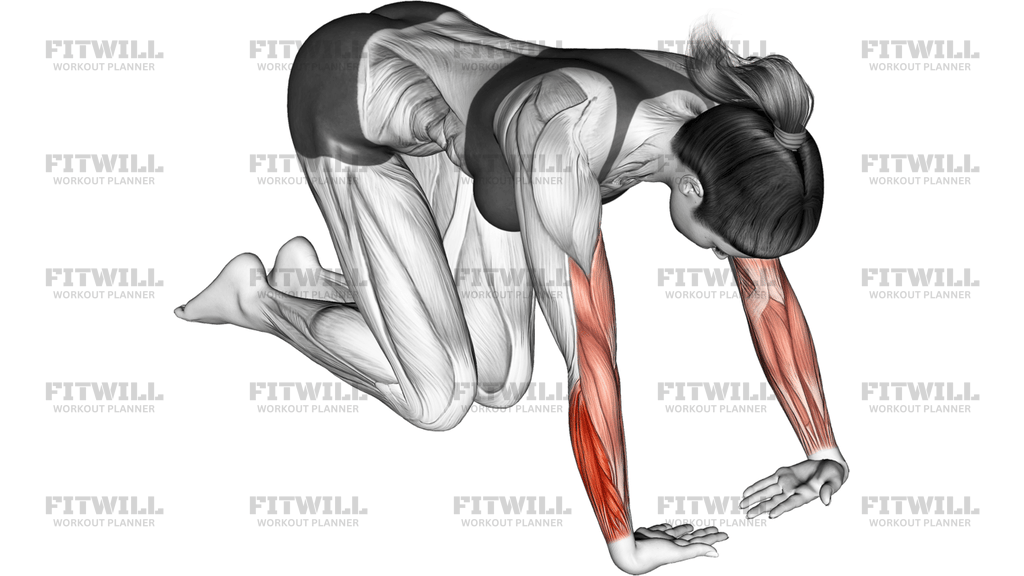
Wrist Radial Deviator And Extensor Stretch is a kneeling floor stretch for the forearms and wrists. The setup uses body weight and an exercise mat to place the wrist and hand in a loaded position so you can open the thumb-side forearm and the back of the wrist without forcing the range. It is a simple movement, but the quality of the position matters more than the depth of the stretch.
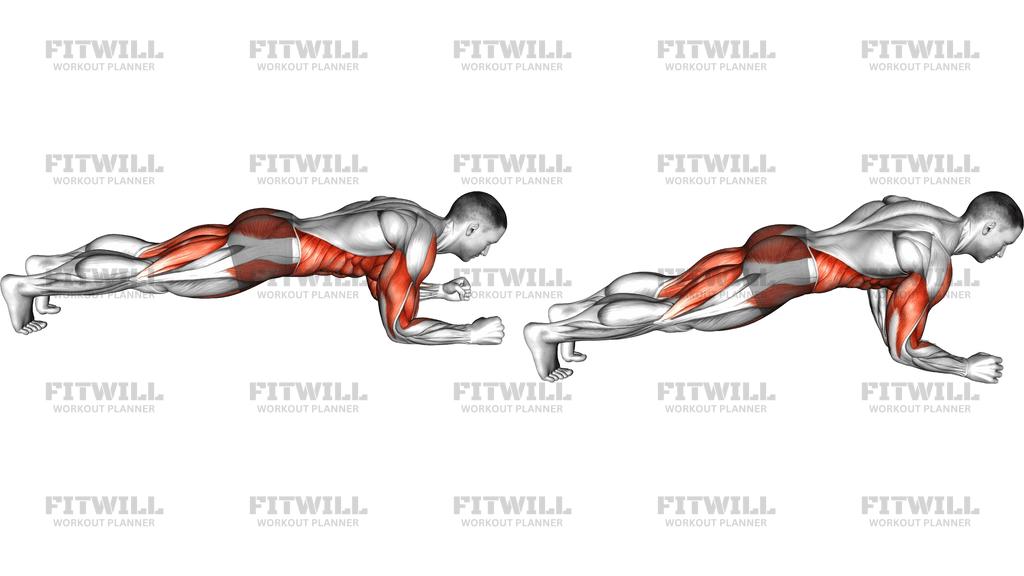
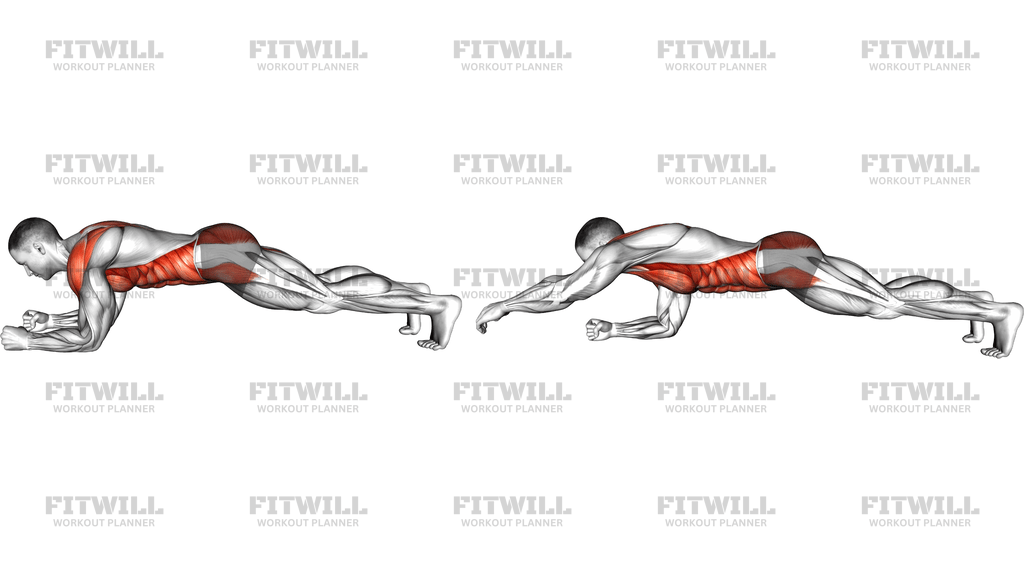
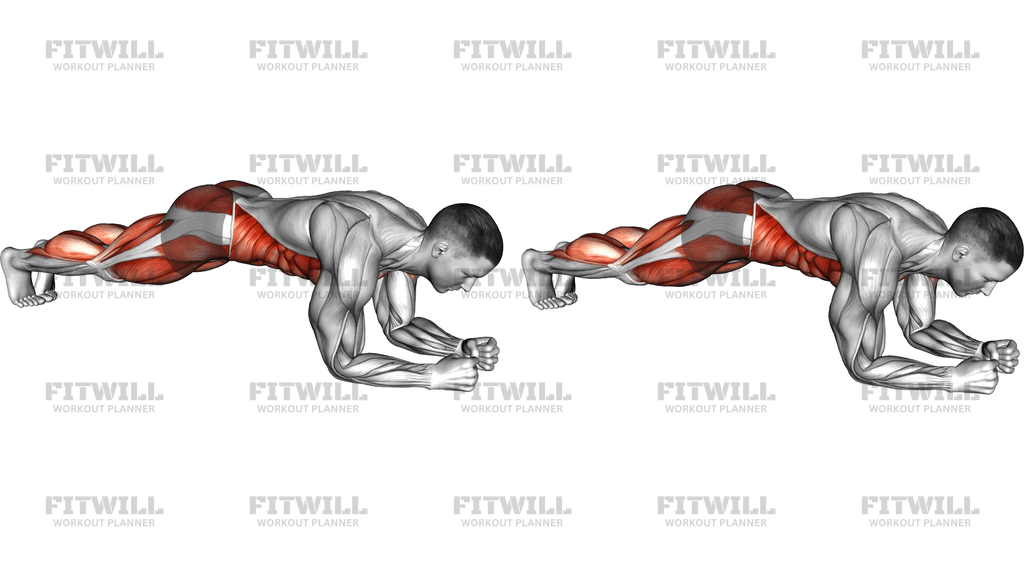
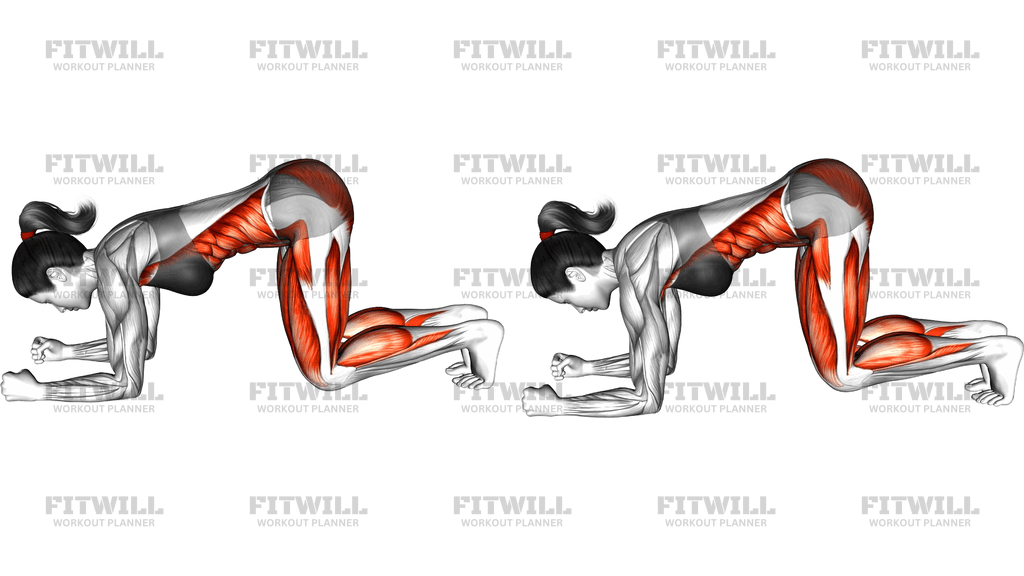
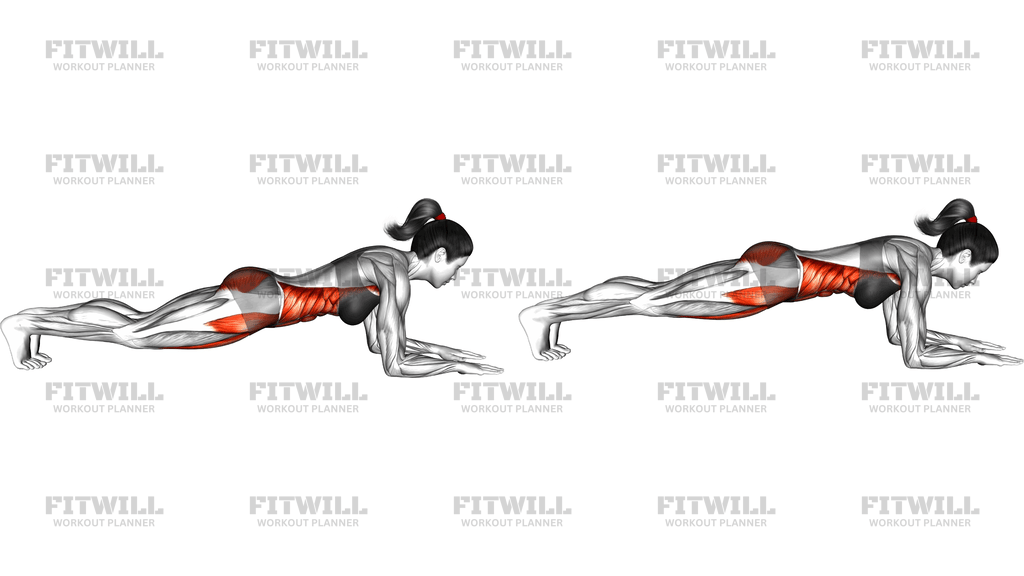
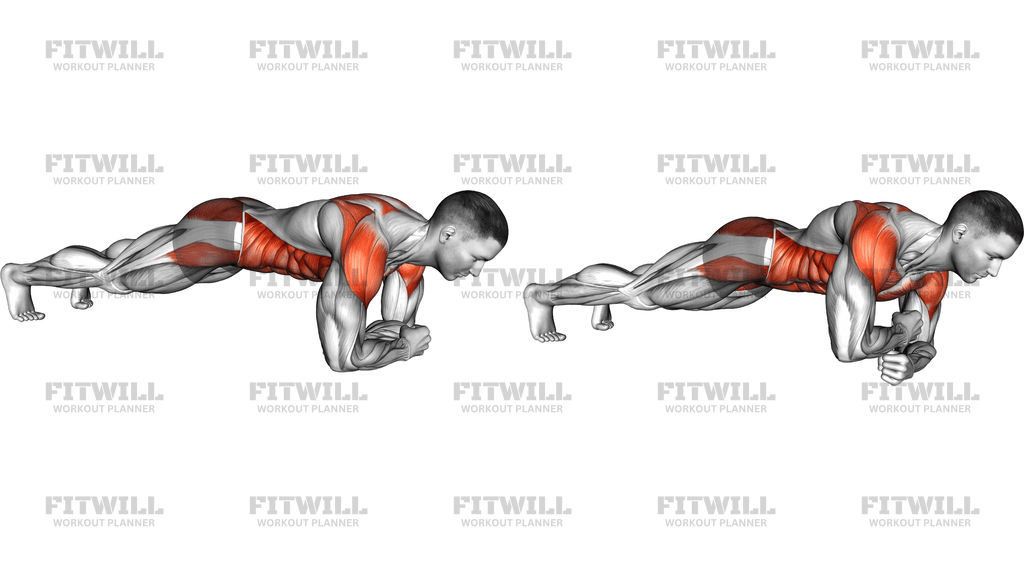
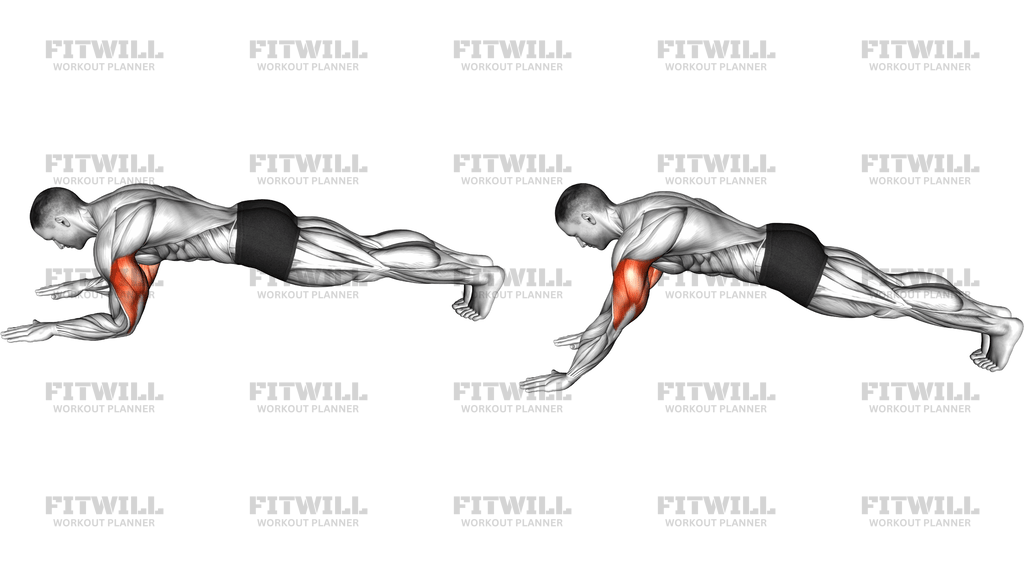
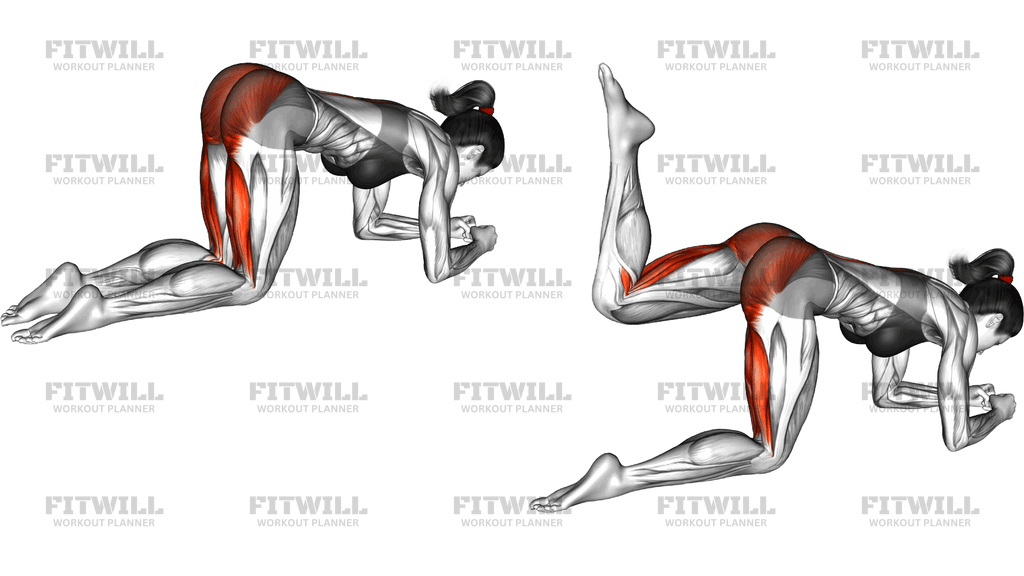
From the image, the exercise is performed on the floor in a hands-and-knees position with the arms straight, the hands flat, and the torso folded over the shoulders. That position lets you control how much pressure goes into each palm while the hips travel back and forward. A small change in hand angle or how far you rock back can make the stretch feel much more specific to the radial side of the forearm or to the wrist extensors.
This stretch is useful when the forearms feel tight after pressing, handstands, planks, crawling patterns, racket sports, or long periods of typing and gripping. It can also be a helpful warm-up before training if the wrists need time to adapt to bodyweight loading. The goal is not to chase the biggest possible range. The goal is to create a clear stretch in the forearm while keeping the shoulders, elbows, and neck relaxed enough that the position stays steady.
Good execution starts with a stable setup. Press the hands evenly into the mat, keep the elbows long, and shift the hips back just far enough to feel tension along the wrist and forearm. If the angle is too aggressive, the stretch usually moves into the heel of the hand, the wrist joint, or the shoulder instead of the target tissues. A cleaner rep comes from a controlled rock back, a brief pause, and a smooth return.
Use this movement as a mobility or recovery drill, not as a high-effort strength exercise. Breathe normally, soften the ribs, and let the forearm tension ease on the exhale. If one side is tighter, you can spend a little longer there or slightly adjust the hand angle, but the stretch should stay pain-free and under control. Consistent positioning will do more for this exercise than forcing deeper range.
[ Workout Log & Planner ]
Put your next workout in Fitwill
Keep your plan and training log ready when you are.


Instructions
- Kneel on the mat and place both hands flat on the floor under or slightly in front of the shoulders.
- Spread the fingers and press the palms evenly so the wrists feel supported before you move.
- Keep the elbows straight but not locked and let the shoulders stay away from the ears.
- Shift the hips back slowly until you feel a stretch through the thumb-side forearm and wrist.
- Adjust the hand angle a few degrees if you want the stretch to feel more specific or less intense.
- Pause in the end range for a steady breath without letting the shoulders shrug.
- Rock the hips forward just enough to come out of the stretch, then reset the hands.
- Repeat the motion with the same setup on both sides if one wrist feels tighter.
Tips & Tricks
- If the stretch lands mostly in the heel of the hand, move the hands slightly farther forward and reduce the hip shift.
- A folded towel or a thicker mat can make the wrist angle more tolerable when the floor feels too hard.
- Keep pressure spread through the full palm instead of dumping all of it into the thumb mound.
- The elbows should stay long; bending them turns the drill into a shoulder position instead of a wrist stretch.
- A smaller rock-back with a longer pause usually works better than trying to sit all the way onto the heels.
- Breathe out as you move into the stretch to help the forearm relax without yanking on the joint.
- If one side is tighter, do not twist the torso to cheat the range. Adjust the hand angle instead.
- Stop immediately if you feel sharp wrist pain, tingling, or numbness rather than a clean muscular stretch.
Frequently Asked Questions
What does Wrist Radial Deviator And Extensor Stretch target most?
It primarily targets the forearm tissues on the thumb side and the wrist extensor side of the forearm.
Can beginners perform this exercise?
Yes. Beginners can use a very small rock-back and a cushioned mat so the wrists can adapt gradually.
How should my hands be placed on the floor?
Place the hands flat, spread the fingers, and keep them under or slightly in front of the shoulders so the stretch stays controllable.
What is the most common setup mistake?
Most people rock back too far too soon and lose the clean forearm stretch, turning it into wrist or shoulder discomfort.
Should my elbows stay straight during the stretch?
Yes, keep the elbows long so the forearm and wrist take the load instead of letting the movement collapse into the shoulders.
Why do my wrists feel it more than my forearms?
Usually the hand angle is too aggressive. Bring the hands a little farther forward, reduce the rock-back, or use a thicker mat.
When is this stretch most useful?
It works well before plank-heavy training, after pressing work, or after long sessions of gripping, typing, or climbing.
Can I do one wrist at a time?
Yes. Doing one side at a time can help you find the exact hand angle and hold time that feels best for each wrist.