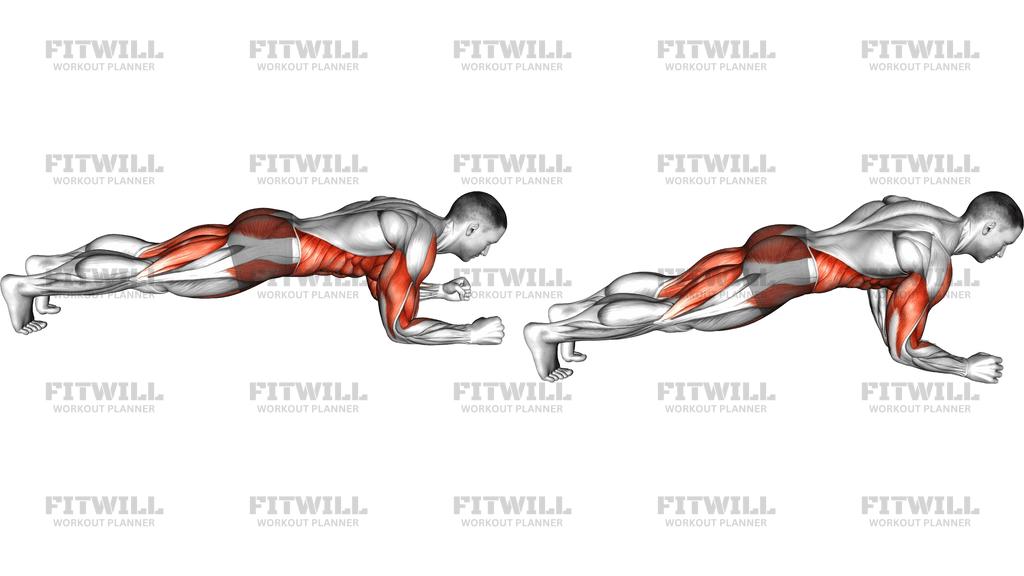
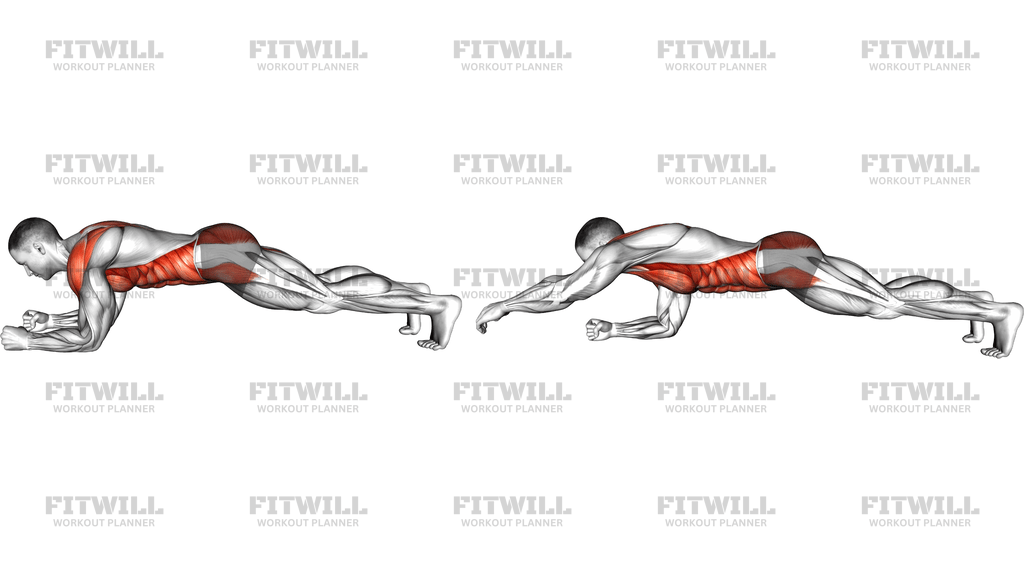
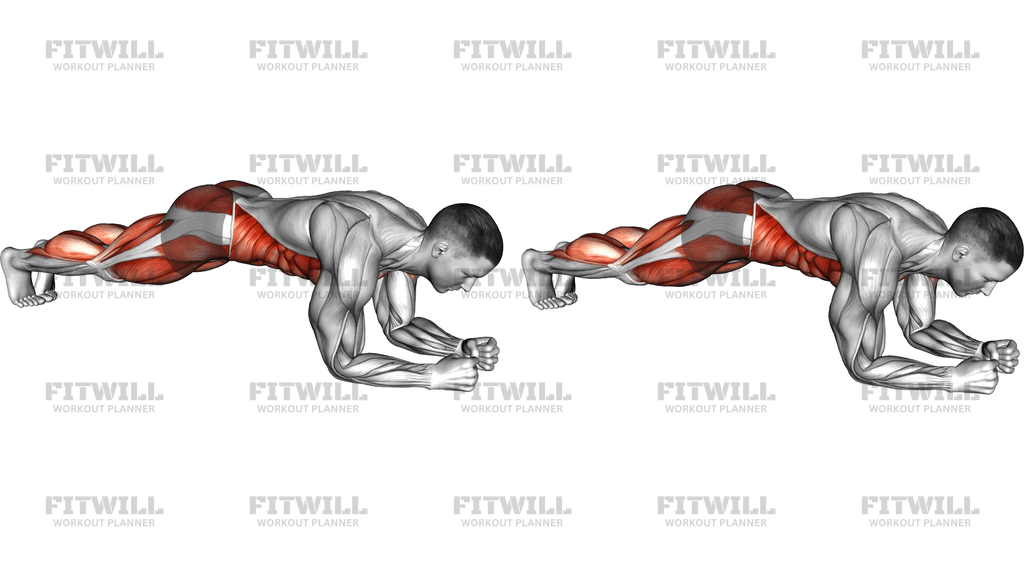
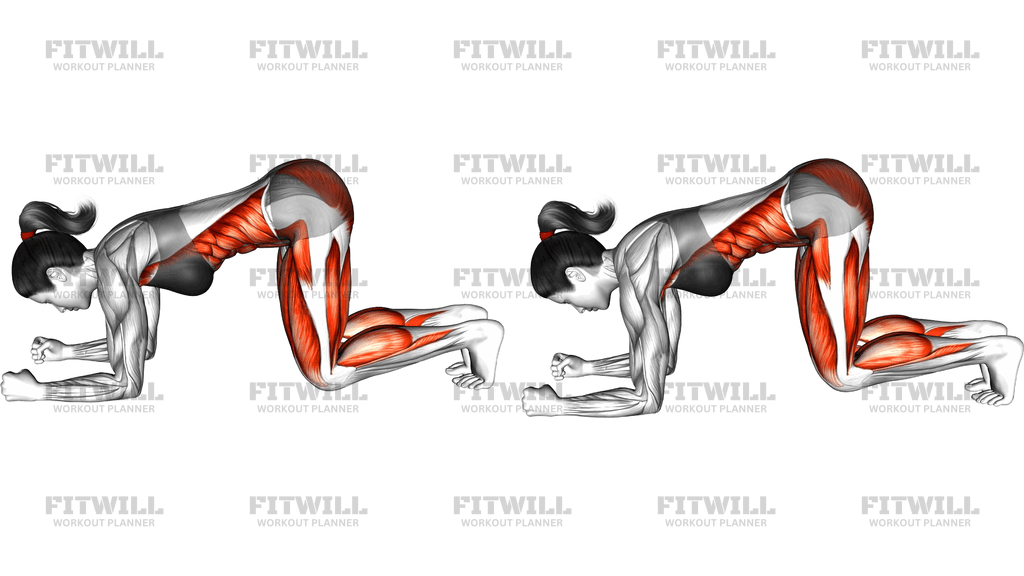
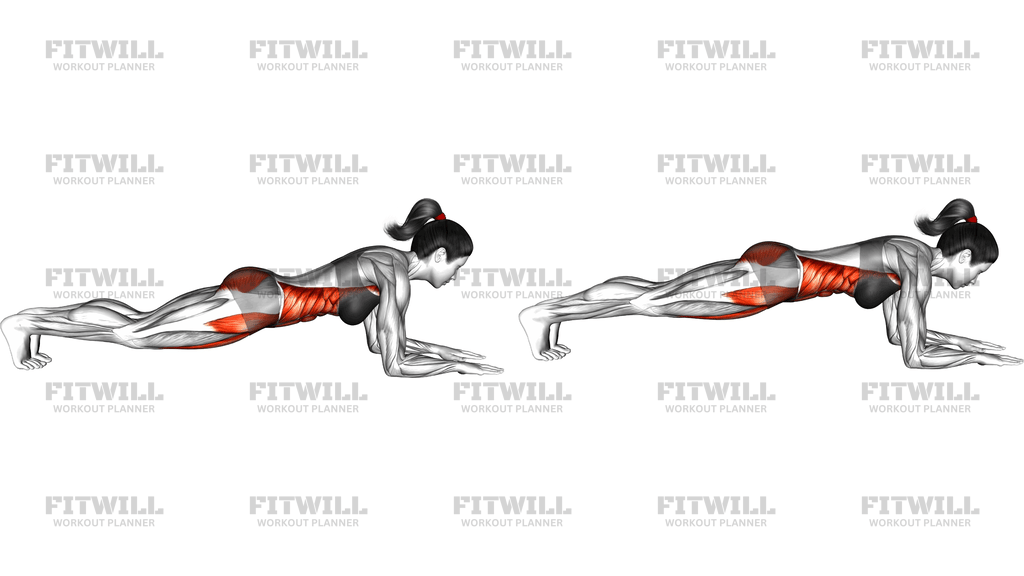
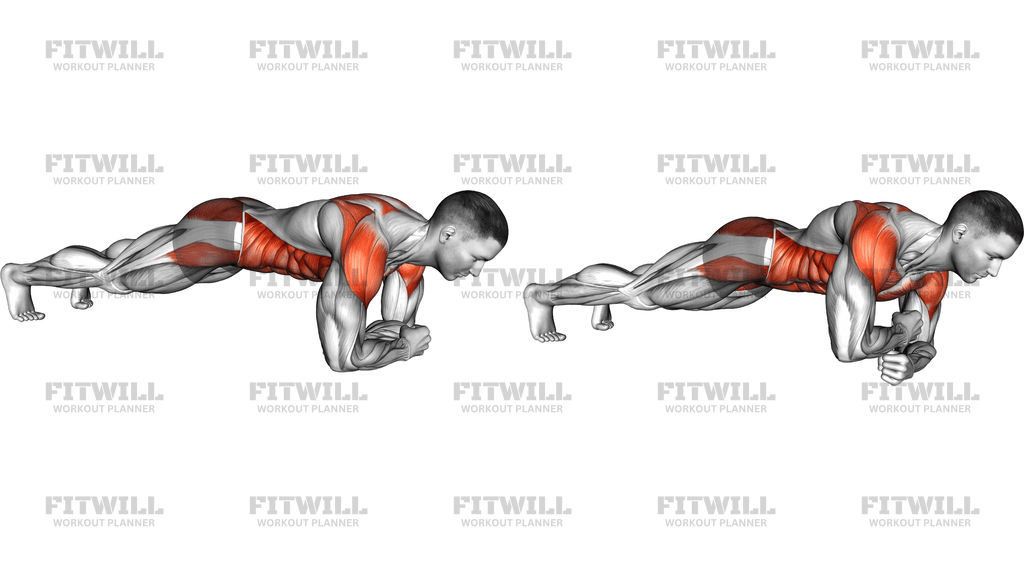
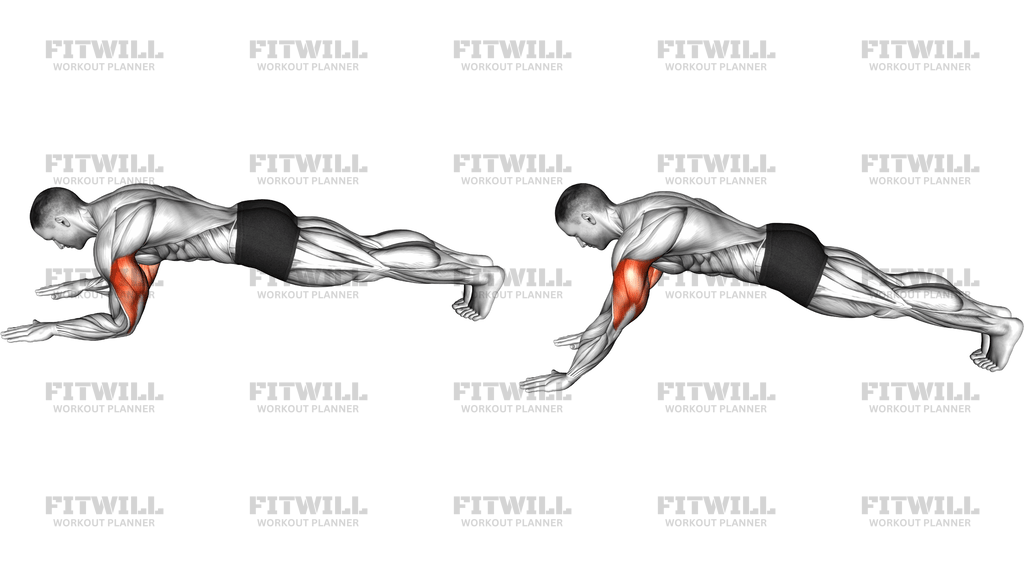
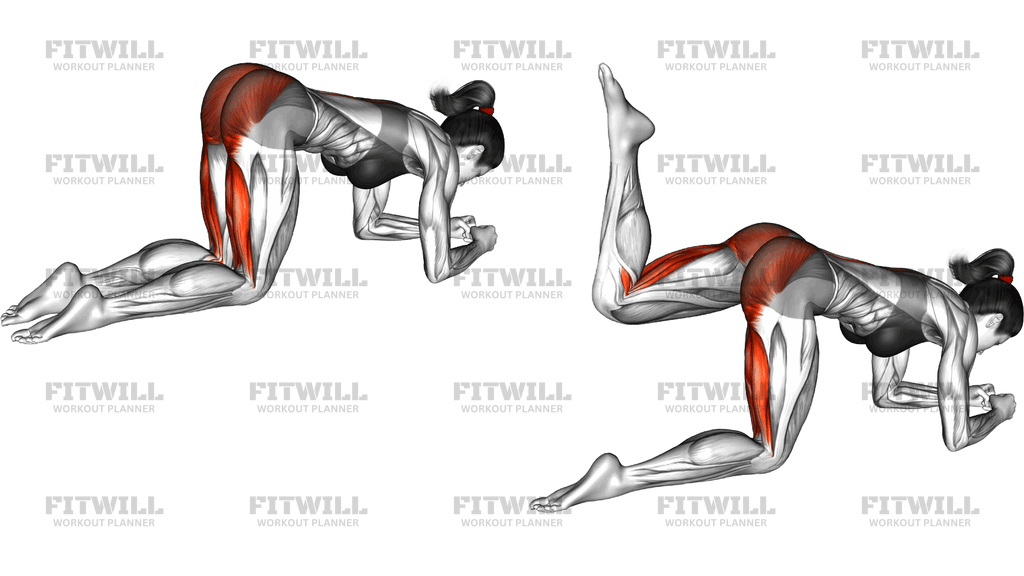
Wrist Radial Deviator And Flexor Stretch
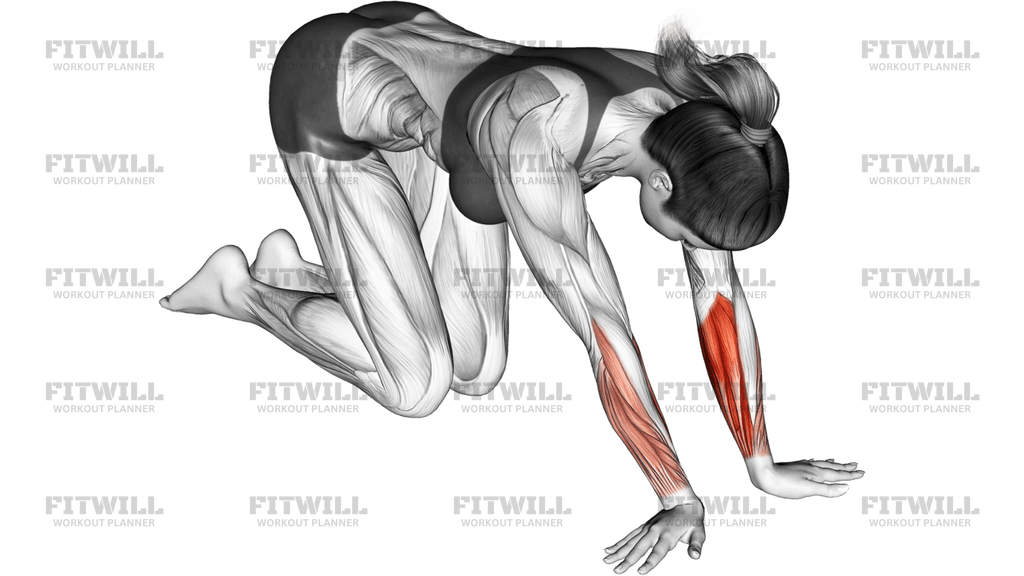
Wrist Radial Deviator And Flexor Stretch is a kneeling floor stretch that loads the forearms, wrists, and a small amount of shoulder support while the hands stay planted on an exercise mat. It is most useful when the wrist flexors and the thumb-side of the forearm feel tight from pressing, crawling, climbing, gripping, or long hours at a keyboard.
The movement looks simple, but the setup matters. Small changes in hand angle, shoulder position, and how far the hips travel back will change where the stretch lands. When the palms stay flat and the elbows remain long, the stretch should run through the forearm rather than collapsing into a sharp wrist pinch.
Wrist Radial Deviator And Flexor Stretch works best as a controlled mobility drill, not a forced test of range. Start with your hands under your shoulders, then shift your body weight backward until you find a strong, steady stretch on the front of the forearm and around the wrist. The goal is to breathe through a comfortable end range and keep the hands grounded instead of bouncing into the joint.
This exercise fits well after upper-body training, before pressing work, or during a recovery session when the wrists need a little extra attention. It can also be used on one side at a time if one wrist is noticeably tighter. If the stretch creates numbness, tingling, or a sharp joint sensation, reduce the angle, back off the range, or stop the set and reassess the position.
[ Workout Log & Planner ]
Put your next workout in Fitwill
Keep your plan and training log ready when you are.


Instructions
- Kneel on an exercise mat and place both palms flat on the floor under your shoulders, with the fingers turned toward your knees or slightly inward if that is the stretch you are after.
- Keep your elbows straight but not locked, spread your fingers, and let your shoulders settle away from your ears.
- Brace lightly through your trunk and keep the backs of your hands and palms planted before you move your hips.
- Shift your hips back a few inches to start loading the wrists and forearms.
- Continue sitting back slowly until you feel a firm stretch through the forearm flexors and the thumb-side of the wrist.
- Hold the end position without bouncing, and keep breathing in a slow, easy rhythm.
- If the stretch is too mild, take a little more body weight back; if it feels sharp, move forward and reduce the wrist angle.
- Return your hips forward, unload the hands, and reset before repeating or switching sides.
Tips & Tricks
- Stack your shoulders directly over your hands before you sit back; starting too far behind the wrists usually turns the stretch into joint pressure.
- Let the fingers point only as far inward as your wrists tolerate. Forcing the rotation farther often shifts stress from the forearm into the wrist capsule.
- Keep the elbows long and active instead of softening them. Bent elbows shorten the stretch and let the shoulders take over.
- Move the hips back in small steps. A few centimeters can change the stretch from manageable to aggressive.
- If the heels of the palms start to lift, you are loading the wrists too quickly or sitting back too far.
- Use a folded towel or thicker mat under the hands if the floor is too hard for your wrists.
- Exhale as you sit back and avoid holding your breath, which often makes the forearm flexors tighten up.
- Stop immediately if the sensation turns into tingling, numbness, or a sharp pinch in the wrist joint.
Frequently Asked Questions
What does Wrist Radial Deviator And Flexor Stretch target most?
It mainly targets the forearm flexors and the tissues around the thumb-side of the wrist.
Should my fingers point toward my knees in Wrist Radial Deviator And Flexor Stretch?
Usually, yes. Turning the fingers toward the knees creates the forearm and wrist position that makes the stretch effective, but you can soften the angle if your wrists feel sensitive.
Why do I feel Wrist Radial Deviator And Flexor Stretch in my shoulders too?
Your shoulders are supporting part of your body weight, so some work there is normal. If the shoulders take over too much, shift a little more weight back into the hands and keep the elbows long.
How long should I hold each rep of Wrist Radial Deviator And Flexor Stretch?
A steady 10 to 30 second hold is usually enough. The stretch should feel controlled and repeatable, not like a max-effort test.
Is Wrist Radial Deviator And Flexor Stretch a good warm-up before pressing work?
Yes, it can be useful before push-ups, bench work, or hand-supported training if your wrists need a little mobility first. Keep the hold light so you do not fatigue the hands before lifting.
What should I do if my wrists feel pinchy in this stretch?
Shorten the range, reduce how far the fingers turn in, or use a thicker mat under the hands. A pinching wrist is a sign to back off, not push through.
Can I do Wrist Radial Deviator And Flexor Stretch one side at a time?
Yes. A single-sided version is useful if one wrist is tighter or if you want to control the angle more precisely on that side.
What is the most common mistake in Wrist Radial Deviator And Flexor Stretch?
Sitting back too fast and turning a mobility drill into a sharp wrist bend. Small, slow shifts are safer and usually create a better forearm stretch.