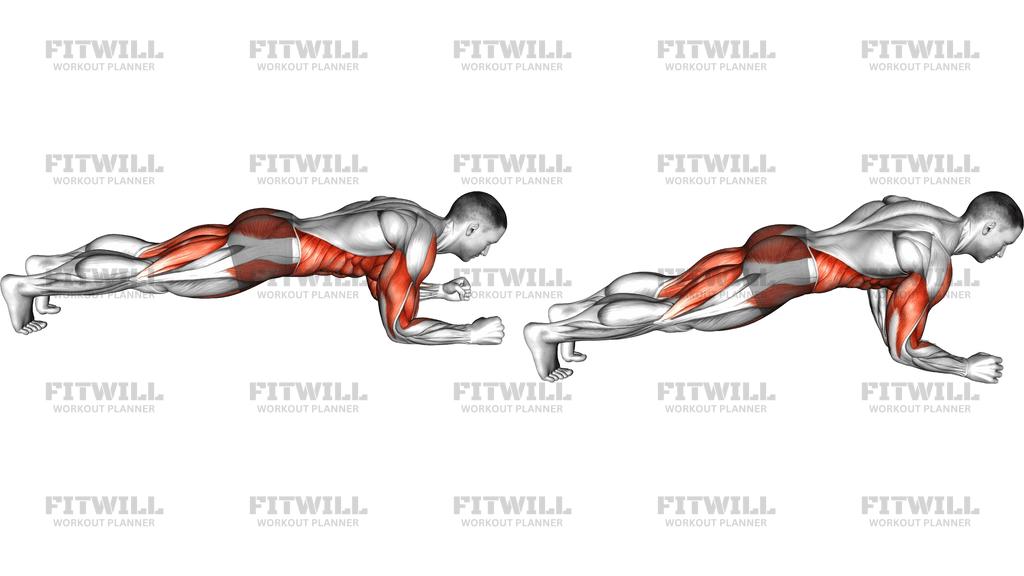
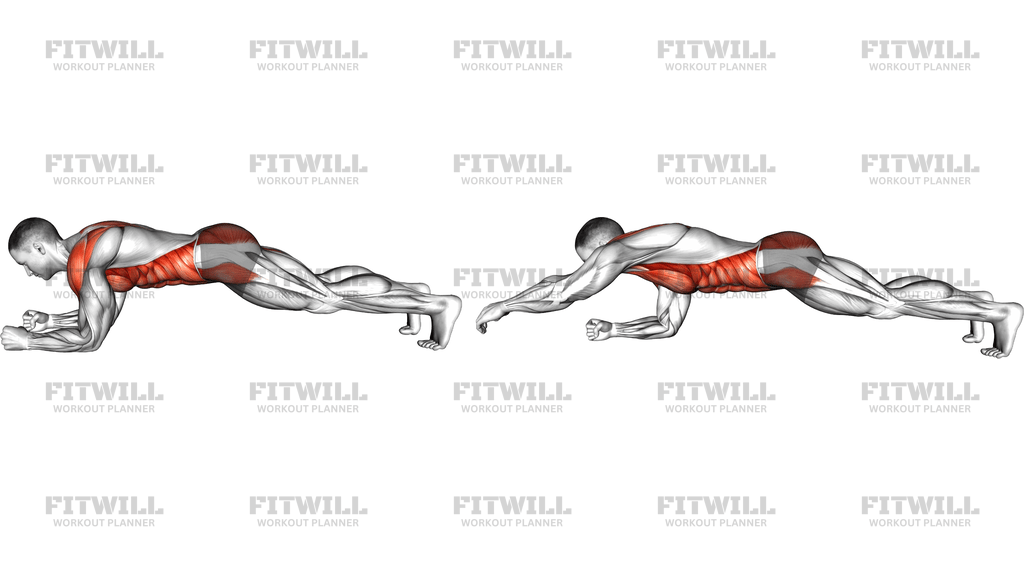
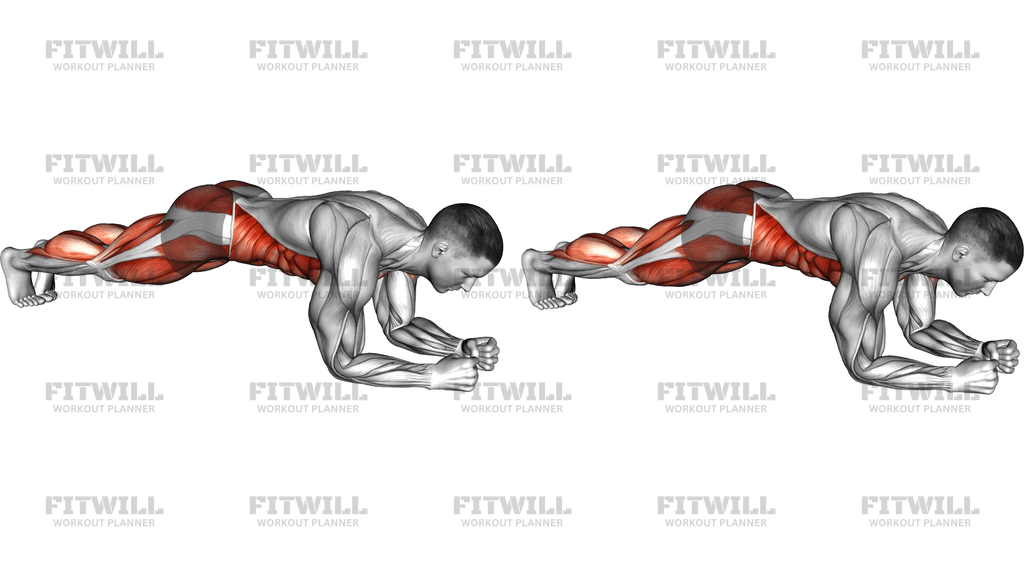
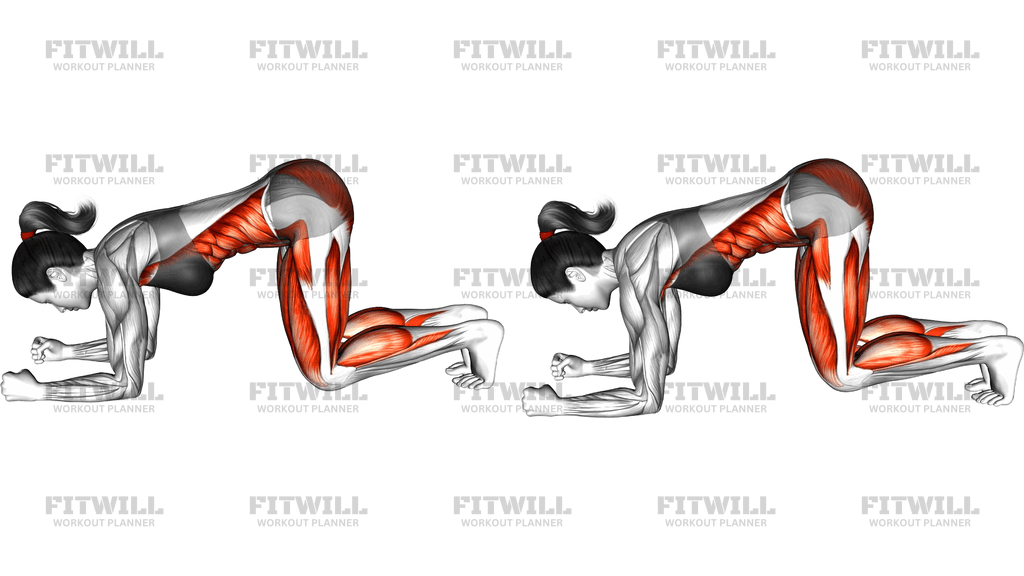
Wrist Ulnar Deviator And Flexor Stretch
Wrist Ulnar Deviator And Flexor Stretch is a floor-based wrist mobility drill that opens the palm side of the forearm while gently biasing the pinky-side of the wrist. It is useful before pressing, push-ups, front-rack work, climbing, or any session where the hands need to bear load comfortably. The goal is not to force a huge stretch; it is to create a repeatable position that makes the wrists feel better, not more irritated.
Set up on a mat in a hands-and-knees position with the hands planted under or slightly in front of the shoulders. Spread the fingers, keep the elbows long but not locked, and let the shoulder blades stay calm so the pressure stays organized through the hand instead of dumping into the wrist. If one side is tighter, you can bias that wrist by shifting a little more bodyweight into it while keeping the other side light for balance.
From there, slowly rock the hips back until you feel a clear stretch through the forearm flexors and along the ulnar side of the wrist. Small changes in hand angle matter here, so a slight turn toward the pinky edge can increase the sensation without needing a bigger lean. Breathe steadily and back out before the stretch turns sharp, numb, or pinchy.
This stretch fits well in a warm-up, between upper-body sets, or after long periods of gripping bars, dumbbells, handles, or climbing holds. Lifters who bench, front squat, clean, or do a lot of floor support work often use it to restore wrist comfort and keep their hand position cleaner in the next set. Beginners can use a very small range and short holds, then build tolerance over time instead of chasing depth.
Keep the pressure spread across the whole palm, not jammed into the heel of the hand or collapsed into the base of the thumb. If the front of the wrist pinches, reduce the lean, change the hand angle a few degrees, or elevate the hands on a bench or box. For most people, the best version of Wrist Ulnar Deviator And Flexor Stretch is the one you can repeat on both sides without shrugging, gripping, or forcing pain.
[ Workout Log & Planner ]
Put your next workout in Fitwill
Keep your plan and training log ready when you are.


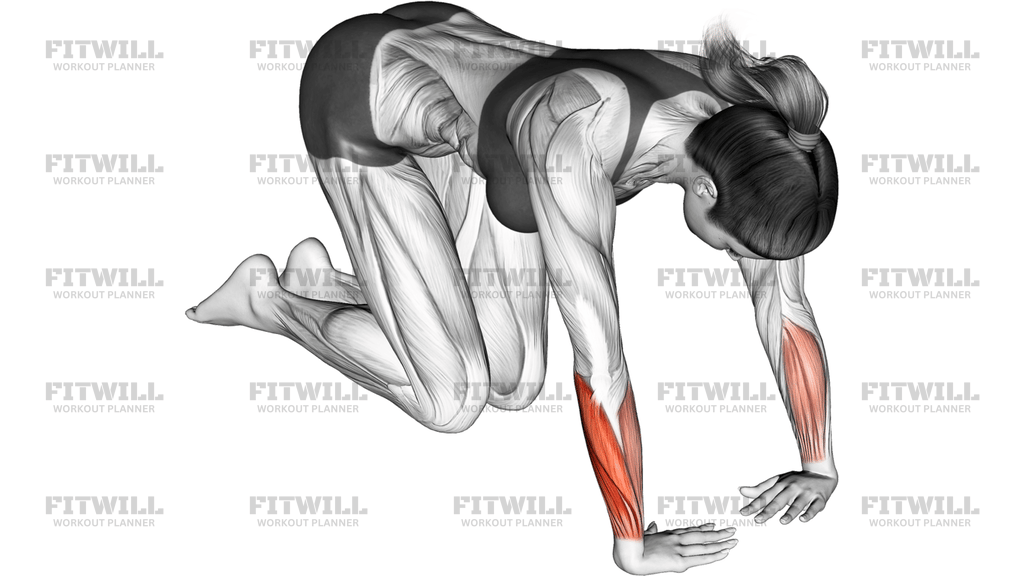
Instructions
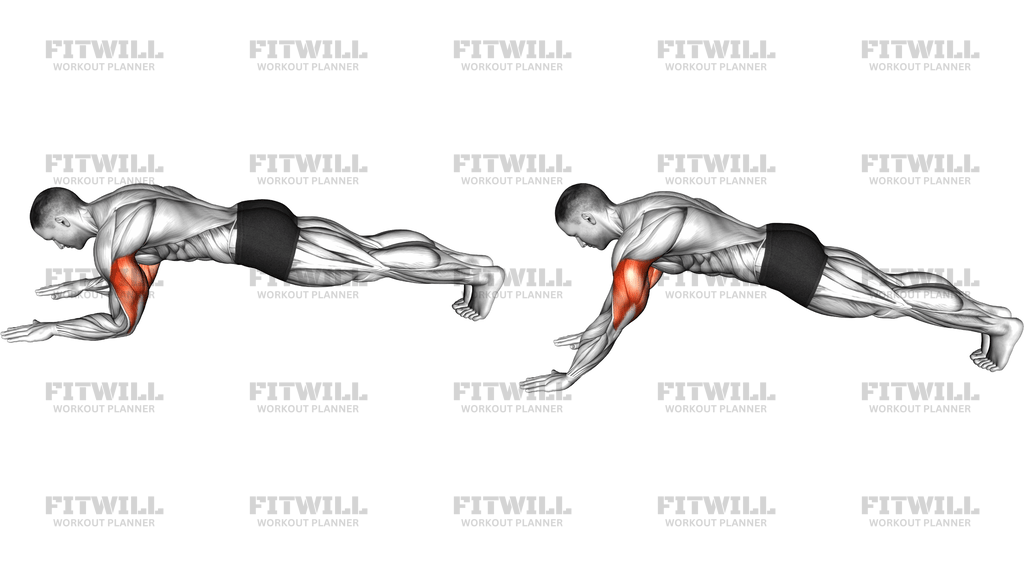
- Kneel on a mat in a tabletop position with your knees under your hips and your hands under your shoulders.
- Plant your palms flat, spread your fingers wide, and angle the hands to a comfortable position before you load them.
- Keep your elbows long but not locked and let your shoulders stay down instead of shrugging toward your ears.
- Shift your hips back a few inches so bodyweight starts to load the wrists without collapsing the chest.
- If one wrist needs more emphasis, bias that hand slightly toward the pinky side while the palm stays rooted to the floor.
- Rock back only until you feel a firm stretch through the forearm flexors and the ulnar side of the wrist.
- Breathe in and out slowly while you hold the end range, and do not bounce into a deeper position.
- Ease your hips forward to come out of the stretch, then reset or switch sides before repeating.
- Lift your hands only after the load is off the wrists, then shake out the forearms if they feel crowded.
Tips & Tricks
- Spread the pressure across the whole palm so the stretch does not get trapped at the heel of the hand.
- If you feel a pinch in the front of the wrist, reduce the lean before you try to increase the angle.
- A folded towel or pad under the hands can make the stretch much friendlier on a hard floor.
- Keep the elbows straight enough that the stretch stays in the forearm instead of leaking into the triceps.
- Short 10-20 second holds are enough when the wrists are stiff; longer holds work better after a warm-up.
- Use the same hand angle on both sides only if both wrists tolerate it equally.
- Stop if you get tingling or numbness, then change the angle instead of pushing harder.
- For pre-workout mobility, use small rocks; for cooldown work, settle into a still hold and breathe.
Frequently Asked Questions
What does Wrist Ulnar Deviator And Flexor Stretch target most?
It mainly stretches the wrist flexors and the pinky-side of the forearm, with some loading through the hand and shoulder as you support your bodyweight.
Can beginners perform Wrist Ulnar Deviator And Flexor Stretch?
Yes. Start with a small rock-back and a short hold, and use a pad or towel if the floor feels too sharp on the wrists.
Why do I feel Wrist Ulnar Deviator And Flexor Stretch in my palm instead of my forearm?
Your weight is probably too far forward or the hand angle is too steep. Back off a little and spread the pressure across the whole palm.
Should my elbows stay straight during Wrist Ulnar Deviator And Flexor Stretch?
Mostly yes. Straight elbows keep the stretch in the forearm and stop you from turning it into a bent-arm shoulder drill.
How is this different from a regular wrist flexor stretch?
This version also biases the ulnar side of the wrist, so the stretch feels more specific along the pinky-edge forearm line.
What should I do if my wrist pinches?
Reduce the lean, change the hand angle a few degrees, or elevate the hands on a bench or box. Pinching means the joint is irritated, not that you need more force.
Can I do both wrists at once?
Yes, if both sides tolerate the same setup and your shoulders stay level. If one wrist is tighter, work them one at a time so you do not compensate.
When should I use Wrist Ulnar Deviator And Flexor Stretch in my workout?
It fits best in a warm-up, between upper-body sets, or after long gripping work when the wrists need to open back up.