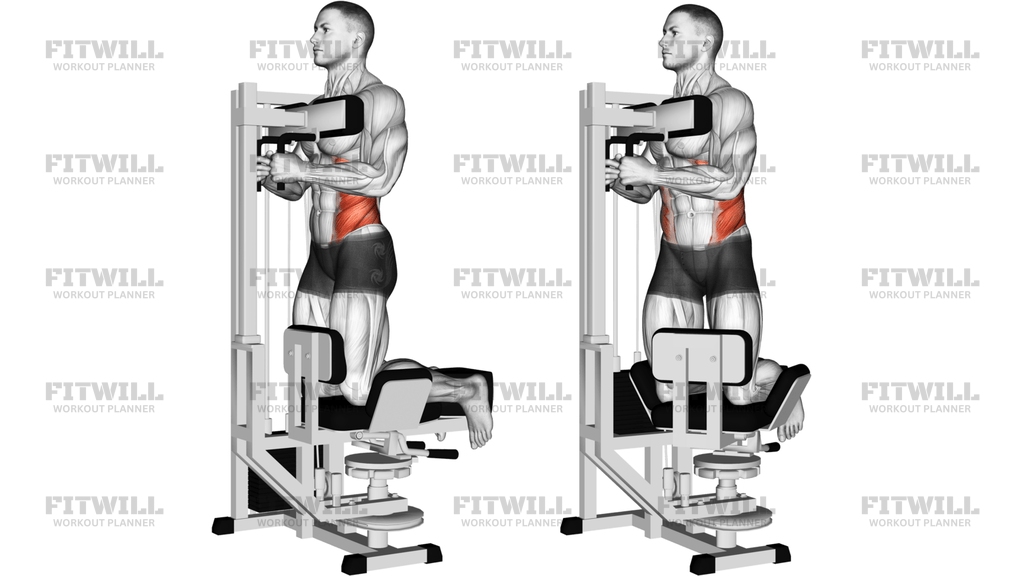
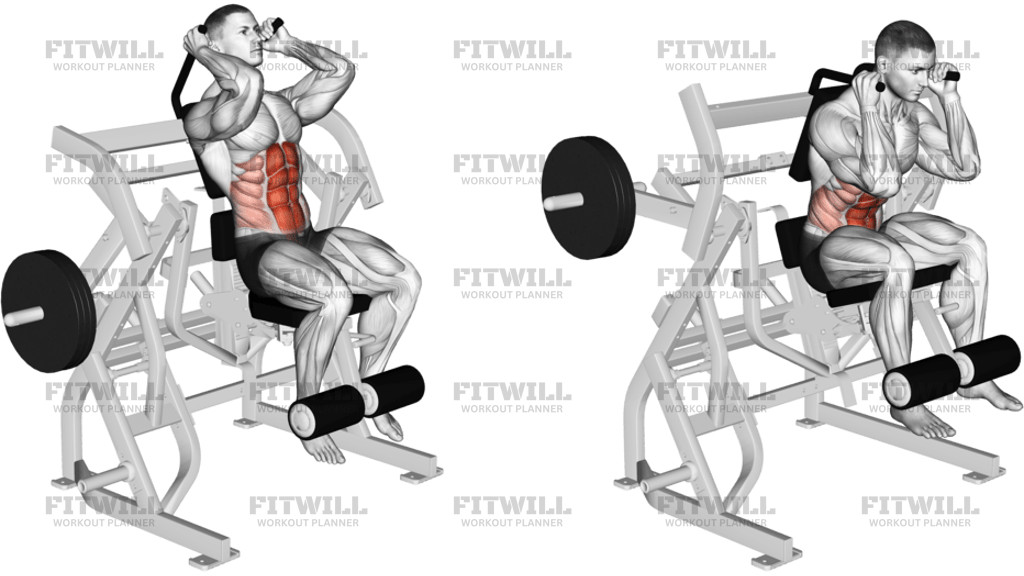
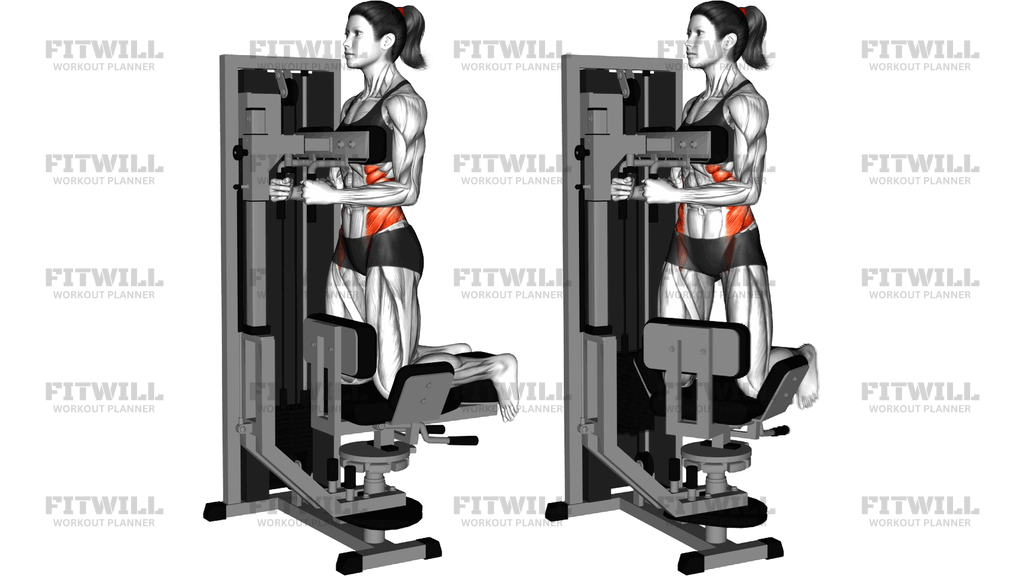
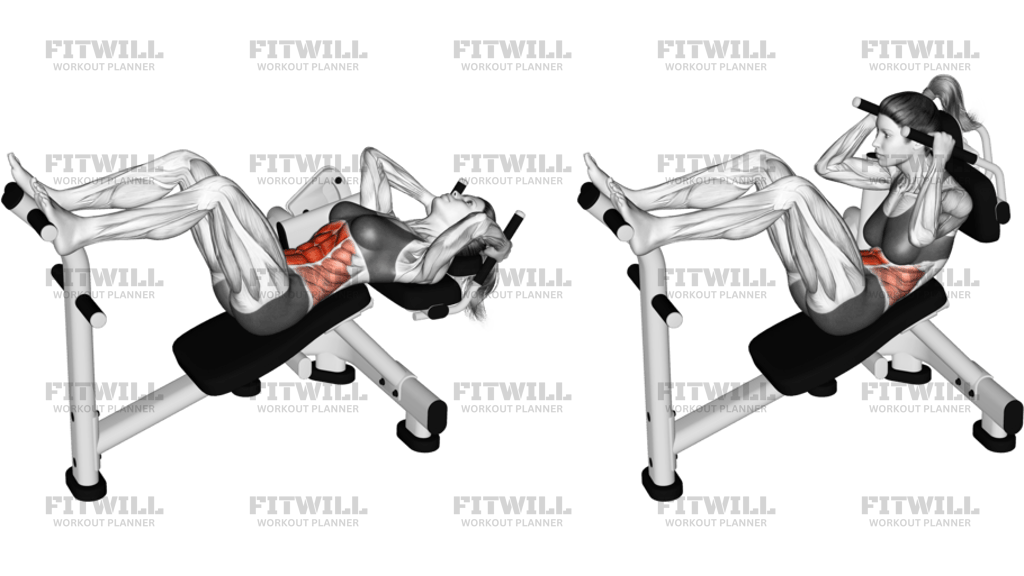
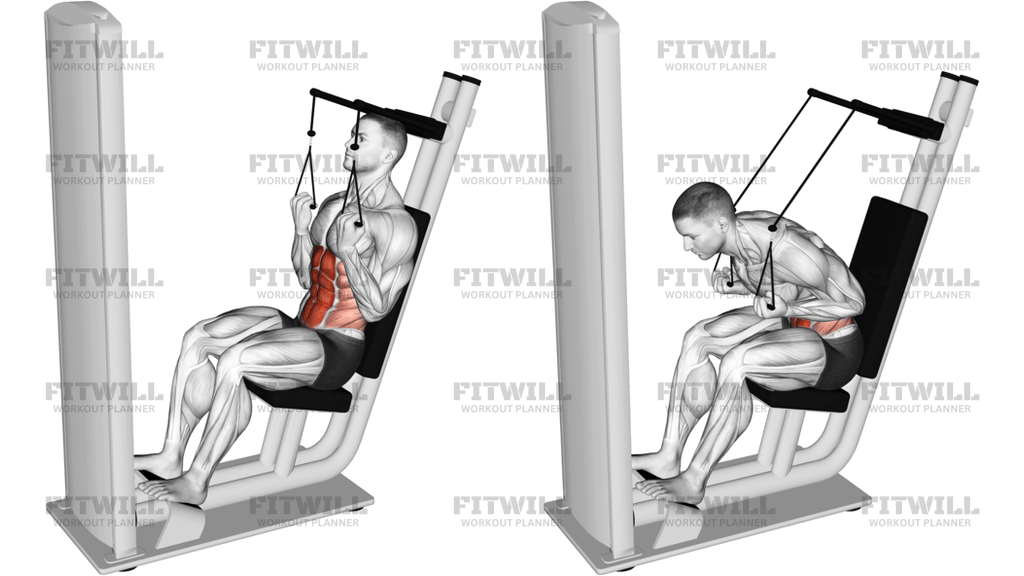
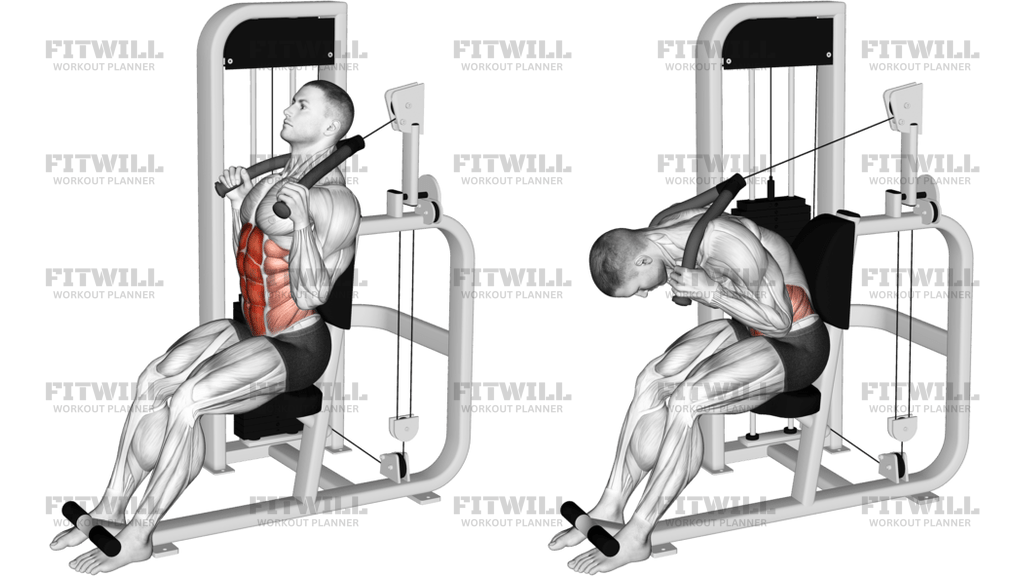
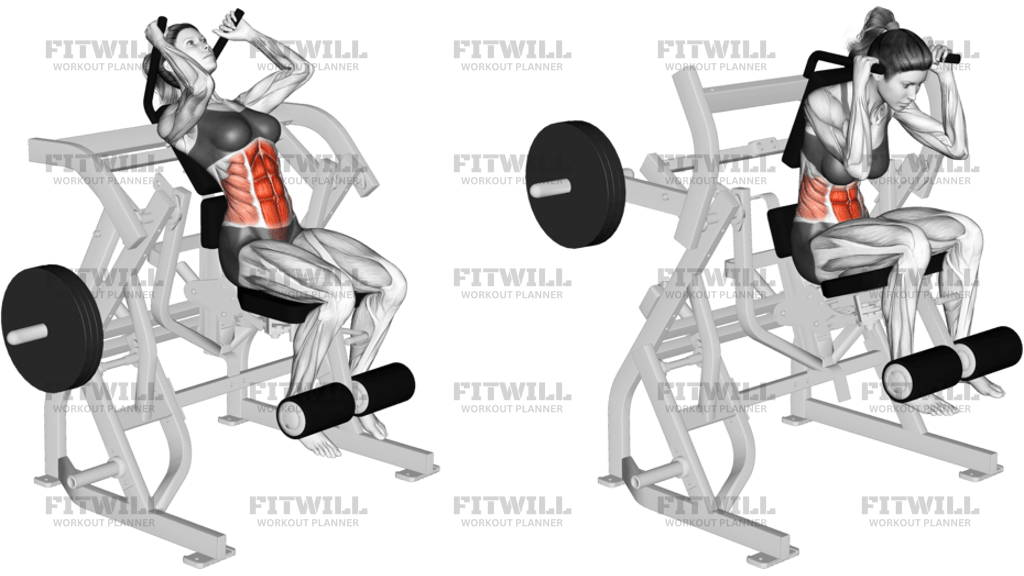
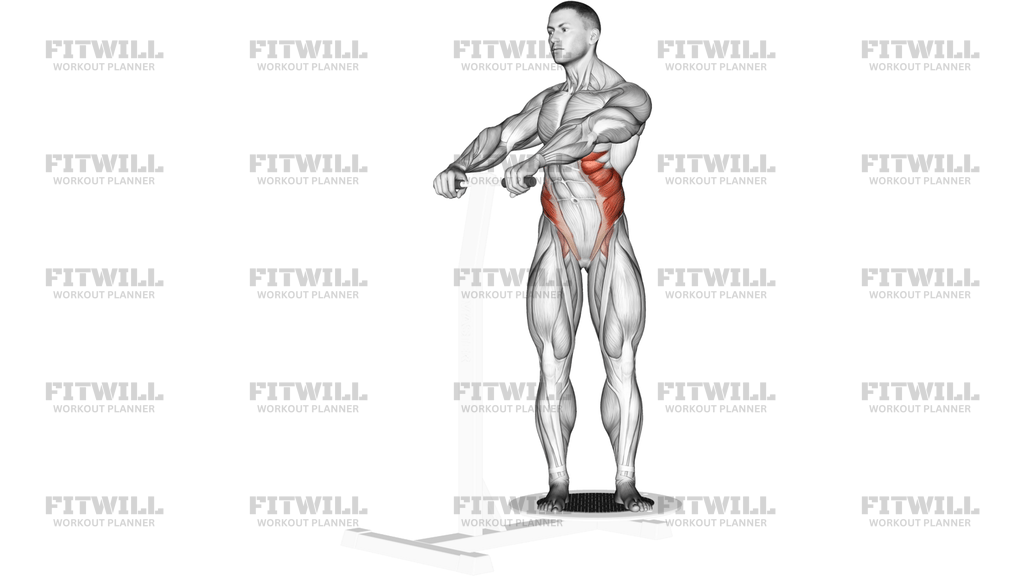
Lever Lying Leg Raise Bent Knee
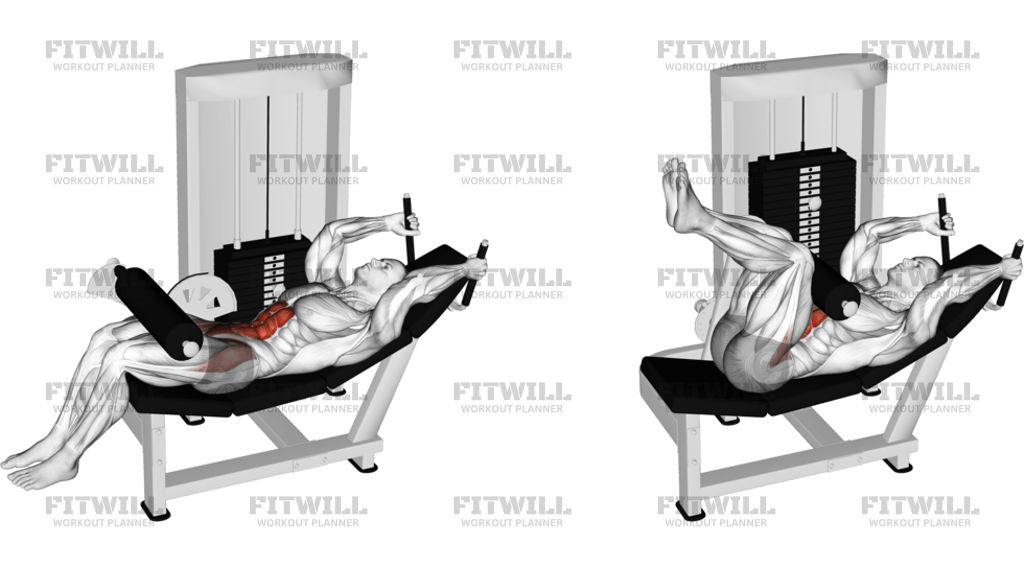
Lever Lying Leg Raise Bent Knee is a machine-based abdominal exercise performed while lying back on a padded bench and gripping the overhead handles for stability. Your legs start bent and supported by the lower roller, then you curl the knees upward toward your torso against the machine's resistance. The bent-knee position shortens the lever arm, which usually makes the movement easier to control than a straight-leg raise while still keeping strong tension on the lower abs and hip flexors.
The exercise is useful when you want a guided core movement that lets you train trunk flexion without having to balance your body weight or stabilize a hanging position. The machine setup matters because the torso angle, hip position, and hand grip determine whether the work stays on the abs or shifts into swinging, lumbar extension, and hip-driven momentum. A good setup keeps the pelvis anchored, the neck relaxed, and the lower back able to curl slightly as the knees travel in.
Mechanically, the main muscle focus is the rectus abdominis, with the obliques and deep abdominal wall helping control the torso and the iliopsoas assisting the leg lift. Because the knees stay bent, the hips still contribute, but the shorter lever makes it easier to keep the repetition strict. That makes this a practical option for building abdominal strength, improving control in posterior pelvic tilt, and adding an accessory core movement to bodybuilding, general strength, or conditioning sessions.
The best reps are smooth and deliberate. Start from a stable hang on the handles, brace before the legs move, then curl the knees upward by folding the pelvis and lower abdomen instead of kicking the legs. At the top, the hips should feel tucked and the abs should be fully shortened. Lower the knees slowly until you can keep the low back from arching off the pad or letting the stack slam, then reset and repeat.
Use a load and range that let you keep the torso quiet from rep to rep. If the movement turns into swinging, neck strain, or a big hip snap, the resistance is too high or the tempo is too fast. This exercise works best as controlled accessory work near the middle or end of a workout, especially when you want concentrated abdominal tension without spinal loading from a barbell or free-weight setup.
[ Workout Log & Planner ]
Put your next workout in Fitwill
Keep your plan and training log ready when you are.


Instructions
- Lie back on the padded bench and grip the overhead handles with your shoulders relaxed.
- Place your bent legs under the lower roller so your thighs are supported and your knees start comfortably flexed.
- Press your lower back gently into the pad and brace your abs before the first rep.
- Curl your knees upward toward your chest by tucking the pelvis, not by swinging the legs.
- Lift until your knees are high and your abs feel fully shortened, then pause for a brief squeeze.
- Lower the knees slowly until your hips can stay controlled and your lower back remains on the pad.
- Keep the handles and torso steady while you breathe out on the lift and inhale on the way down.
- Reset fully between reps if the stack or roller starts to swing.
Tips & Tricks
- Keep your grip firm enough to stabilize your upper body, but do not pull yourself into a crunch with the arms.
- Let the pelvis roll slightly upward at the top so the abs finish the rep, rather than stopping when the thighs are merely lifted.
- If your hip flexors dominate, shorten the range and slow the lowering phase until the abdomen regains control.
- Do not let the lower roller swing backward on the descent; the return should look as controlled as the lift.
- Keep your chin neutral and eyes forward so you avoid neck tension while the torso stays fixed.
- A smaller bend in the knees will make the lever longer and harder; keep the bend consistent if you want repeatable reps.
- Exhale as the knees travel up to help maintain abdominal tension and reduce rib flare.
- Stop the set when your low back starts arching or the movement turns into a leg kick.
Frequently Asked Questions
What muscle does Lever Lying Leg Raise Bent Knee target most?
The main target is the rectus abdominis, with the obliques and deep core helping stabilize the torso.
Why are the knees bent instead of straight?
Bent knees shorten the lever arm, which usually makes the exercise easier to control and less demanding on the hip flexors.
How should I set up on the machine?
Lie back on the pad, hold the handles overhead, and place your bent legs under the lower roller so the torso stays anchored.
How high should I lift my knees?
Lift until the abs are fully shortened and the pelvis can curl slightly, but stop before you have to swing or arch the back.
Should my lower back stay flat on the pad?
Yes, the lower back should stay controlled against the pad as much as possible; if it arches hard, the load is too heavy.
Is this a good exercise for beginners?
Yes, because the machine guides the path and the bent-knee position makes the movement easier to control than a straight-leg raise.
What is the most common mistake on this exercise?
The usual mistake is using momentum from the hips and legs instead of curling the abs to drive the raise.
When should I use this in a workout?
It works well as accessory core work after your main lifts, or in a dedicated ab block where controlled tension matters more than load.