Crouching Heel Back Achilles Stretch
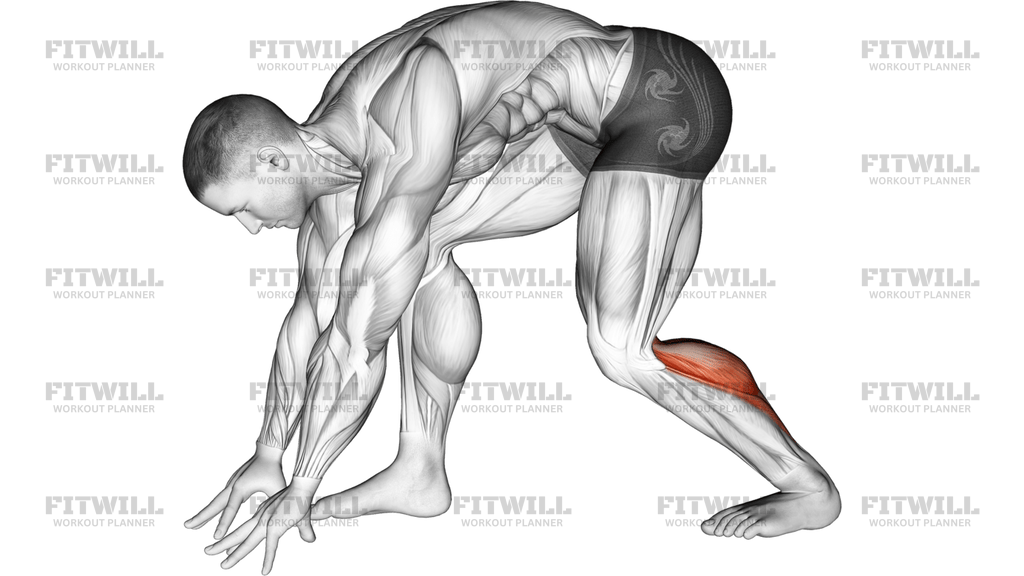
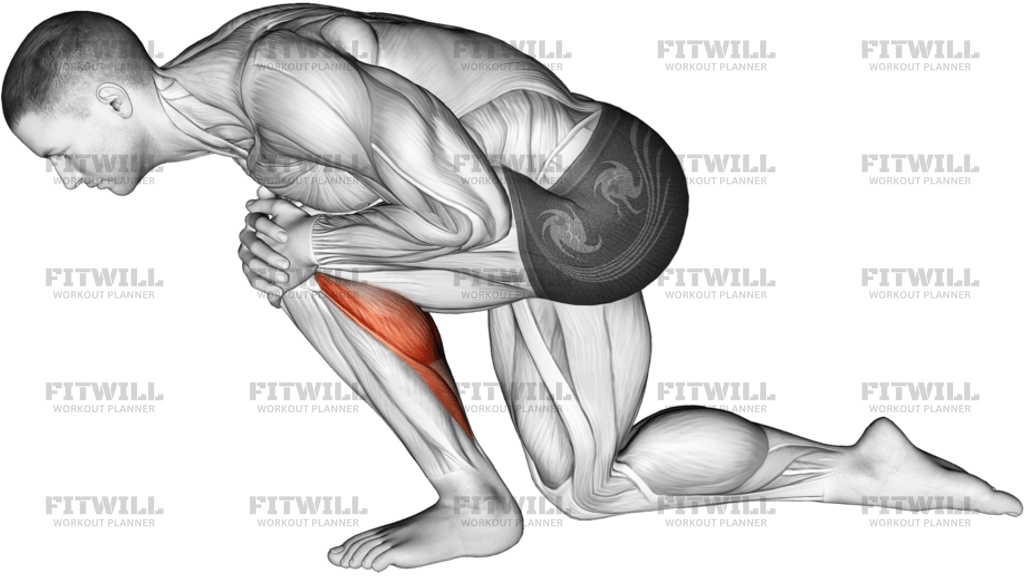
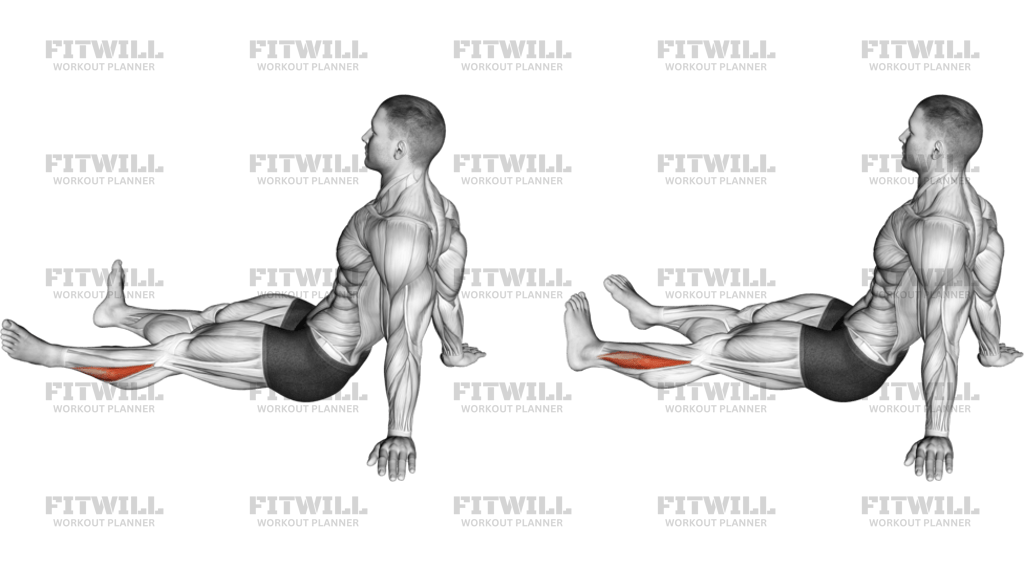
Crouching Heel Back Achilles Stretch is a bodyweight lower-leg mobility drill performed from a low crouch with both hands on the floor or mat. One leg stays bent under the body while the other leg reaches back with the heel pressed into the ground, creating a direct stretch through the calf and Achilles tendon on the rear leg. The position is compact, but the details matter: if the heel lifts, the knee caves inward, or the torso shifts too aggressively, the stretch moves away from the target and into the ankle, foot, or low back.
This exercise is most useful when you want to open up the lower leg before running, squatting, lunging, jumping, or any session that asks the ankle to bend deeply under load. It can also work well after training if the calves feel tight from standing, impact work, or heavy lower-body lifting. The visible image shows a deep crouch with the rear heel anchored, which tells you the intent is not a generic hamstring stretch but a specific calf-and-Achilles bias on the back leg.
Good execution starts with a stable base. Put the hands down for support, keep the front foot planted, and extend the rear leg until the heel can stay heavy. From there, shift your body weight slowly until you feel a firm stretch in the lower calf and Achilles tendon. The sensation should stay local to the back lower leg, not spike sharply in the ankle joint or force the front knee to twist. Breathe through the hold so the tissues can relax instead of bracing harder.
Because this is a stretch, the goal is a repeatable, pain-free position rather than chasing maximum depth. Small setup changes make a big difference: shortening the stance reduces intensity, while a longer reach back increases it. Use the stretch on both sides evenly, come out with control, and stop if the heel will not stay down or if the Achilles feels irritated rather than lengthened.
[ Workout Log & Planner ]
Put your next workout in Fitwill
Keep your plan and training log ready when you are.


Instructions
- Place both hands on the floor or mat and drop into a low crouch so you can support your body weight.
- Step one leg back and keep that rear heel flat on the ground with the toes pointing mostly forward.
- Keep the front foot planted under you and let the front knee bend enough to let the torso stay low.
- Straighten the back knee just enough to create tension through the calf without lifting the heel.
- Brace lightly through the trunk and keep the chest angled down toward the floor.
- Shift your hips backward and slightly down until you feel the stretch build in the rear calf and Achilles.
- Hold the end position and breathe slowly, letting each exhale soften the stretch a little more.
- Ease out of the stretch with control, then switch sides and match the setup on the other leg.
Tips & Tricks
- Drive the stretch through the rear heel, not through the ball of the foot.
- If the heel keeps popping up, shorten the stance before trying to go deeper.
- A slightly bent back knee shifts some of the work away from the calf; a straighter knee increases the Achilles emphasis.
- Keep the rear arch from collapsing inward so the ankle stays lined up under the shin.
- Use your hands as light supports instead of dumping all of your weight onto them.
- The stretch should feel strongest in the back lower leg, not as a pinch in the front knee.
- Match both sides carefully, even if one ankle feels much tighter than the other.
- Exhale slowly as you settle into the bottom position so the calf can relax instead of guarding.
Frequently Asked Questions
What does Crouching Heel Back Achilles Stretch target most?
It mainly targets the rear calf and Achilles tendon on the leg that stays back with the heel down.
Where should I place my hands during the stretch?
Put both hands on the floor or mat in front of you so you can stay low and keep the rear heel grounded.
Should the back heel stay flat the whole time?
Yes. The heel should stay heavy on the floor; if it lifts, reduce the depth or shorten the stance.
Should the back knee be straight or bent?
A straighter back knee increases the calf and Achilles stretch, while a slight bend makes the position easier.
What is a common mistake in this stretch?
Letting the rear foot roll onto the toes or twisting the front knee to chase more depth are the most common problems.
Can beginners do this stretch?
Yes. Beginners can use a shorter stance and a lighter shift of body weight while keeping the heel planted.
How do I make the stretch easier?
Keep more weight in your hands, bring the rear foot a little closer, and stop at the first point of tension in the calf.
What should I feel in the stretch?
You should feel a clear pull in the back lower leg, especially through the calf and Achilles, not a sharp joint pain.
When is this stretch most useful?
It works well before running, squatting, or jumping sessions, and also after training if your calves feel tight.