Standing Raised Leg Hip Adductor Stretch
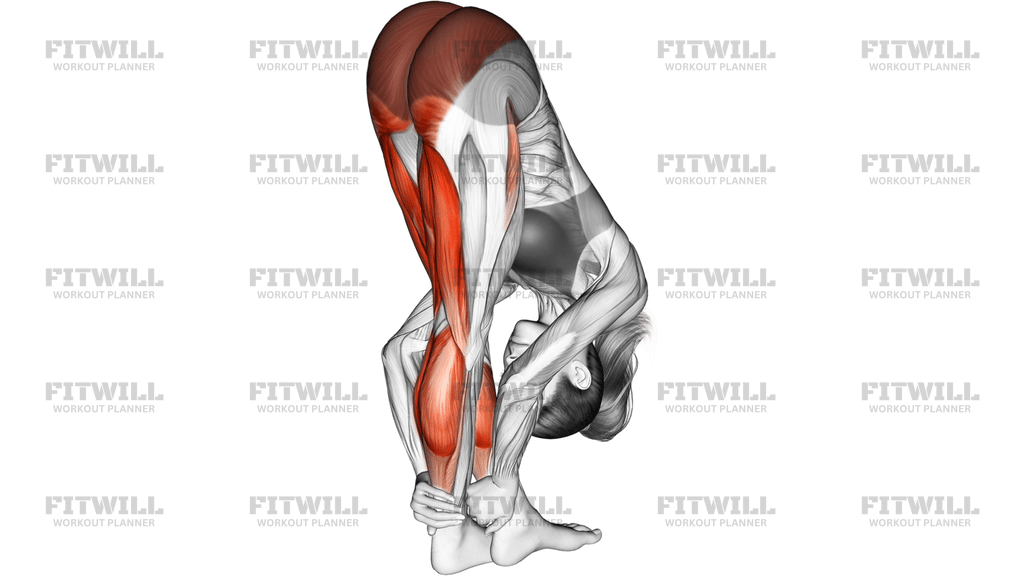
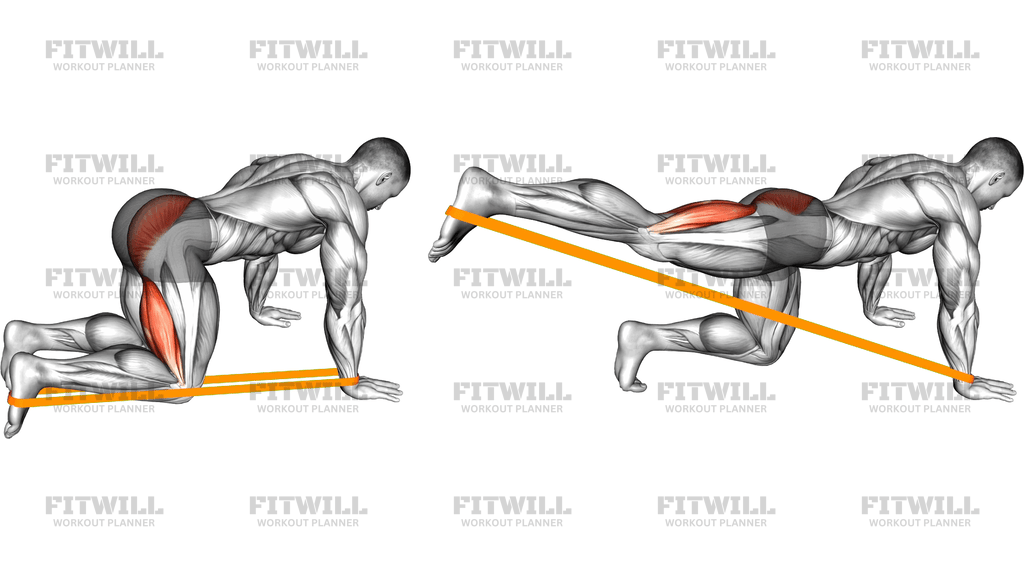
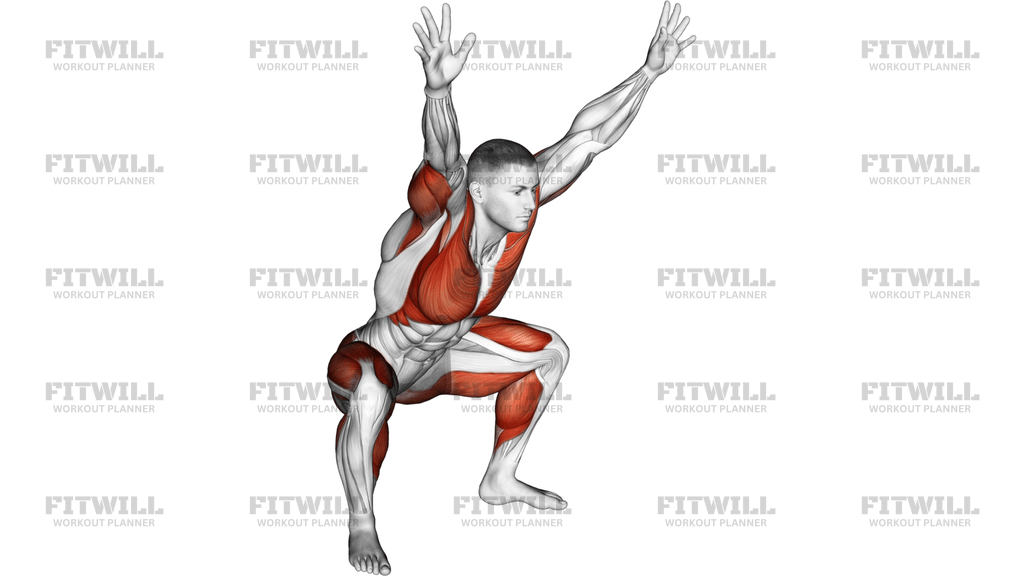
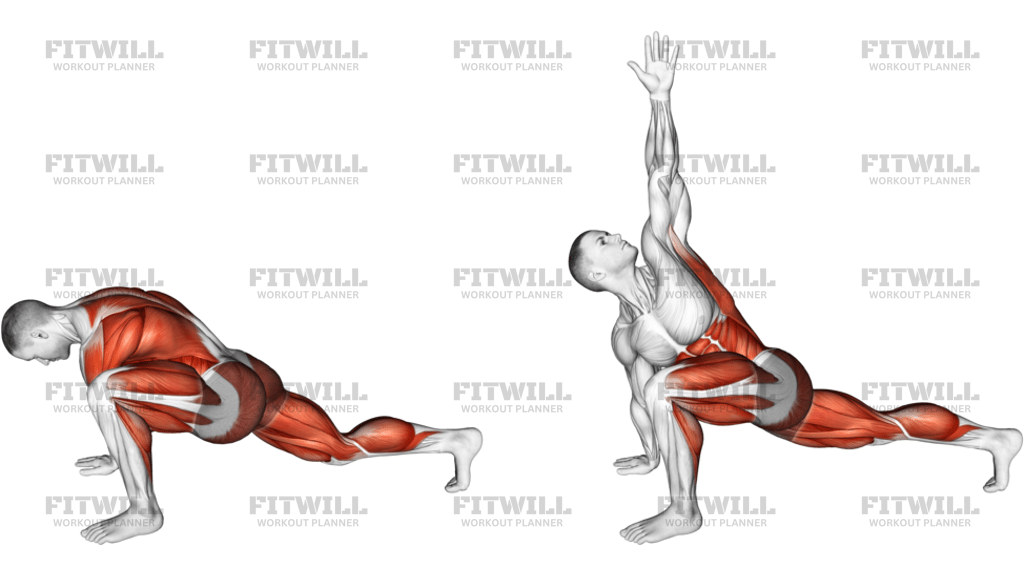
Standing Raised Leg Hip Adductor Stretch is a standing mobility drill for the inner thigh and hip of the elevated leg. In the image, one foot is placed on a box while the other leg stays straight on the floor and the torso folds forward and down. That setup creates a long line from the hip through the knee and lets you feel a controlled stretch along the adductors instead of dumping into the lower back.
This stretch is useful when the inner thigh feels tight before squats, lateral work, lunges, or any session that asks the hips to open and stabilize. The raised leg position matters because it changes the angle of the pelvis and makes it easier to isolate the groin and inner-thigh tissues. A small adjustment in stance, box height, or torso angle can change the sensation a lot, so the goal is not to force depth but to find a smooth, repeatable stretch with clean alignment.
The best execution starts with a firm standing foot, a straight but not locked raised leg, and a long spine as you hinge forward. Keep the hips squared as much as your mobility allows and let the chest move toward the thigh rather than collapsing through the low back. The stretch should build gradually along the inner thigh and hip, with steady breathing helping the muscles soften. If the hamstring, groin, or low back takes over, back off and reset the position.
Use this movement as part of a warm-up, cool-down, or mobility block when you want to improve hip openness and reduce stiffness in the adductors. It works well as a low-load corrective drill because the only real resistance is your body position and gravity. Stay patient with the range, move in and out of the stretch under control, and avoid bouncing or twisting aggressively. Done well, the exercise teaches the hips to stay organized while the inner thigh lengthens.
Fitwill
Log Workouts, Track Progress & Build Strength.
Achieve more with Fitwill: explore over 9600 exercises with images and videos, access built-in and custom workouts, perfect for both gym and home sessions, and see real results.
Start your journey. Download today!




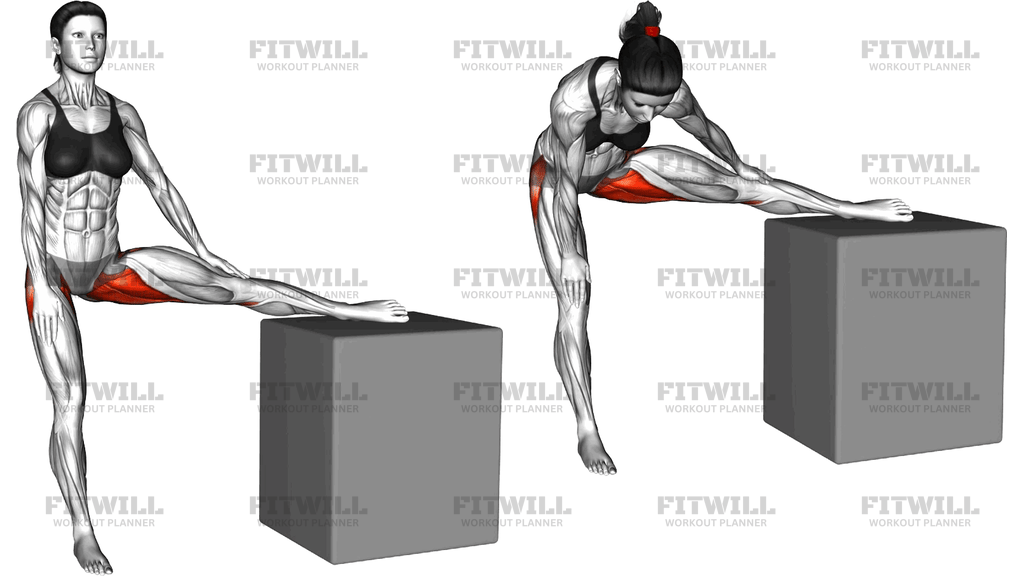
Instructions
- Stand beside a box or bench and place one foot on top with the raised leg straight and the toes pointing up or slightly forward.
- Plant the standing foot firmly and keep your weight centered over the heel and midfoot before you lean.
- Square your hips as much as possible and lengthen your spine so you hinge from the hips instead of rounding your lower back.
- Reach your chest toward the thigh of the raised leg, letting the torso fold forward until you feel a strong but controlled inner-thigh stretch.
- Keep the elevated knee straight but not jammed back, and keep the foot relaxed on the surface.
- Hold the bottom position and breathe slowly, letting the exhale help the adductors soften.
- Use only a small, smooth rocking motion if you want to increase the stretch, and stop before any pinching or sharp pain.
- Press through the standing foot to come back up with control, then reset before repeating on the other side.
Tips & Tricks
- A lower box usually makes the stretch easier to control; a higher box will increase the demand on the adductors and balance.
- Keep the standing knee softly unlocked so you can hinge without shifting all the work into the low back.
- If you feel the stretch mostly in the hamstring, rotate the torso slightly more toward the raised leg and keep the chest long.
- If the inner thigh feels crampy, shorten the range and hold the position longer instead of pushing deeper.
- Let the exhale be slow and long; forcing the chest down while holding your breath usually makes the groin tighten.
- Keep the toes of the elevated foot neutral or slightly up if you want more of an inner-thigh line.
- Do not let the pelvis open hard to the side just to reach farther; that usually turns the stretch into a twist.
- Use a gentle pulse only after you have found a stable end position, and keep the pulse small enough to stay pain-free.
Frequently Asked Questions
What does Standing Raised Leg Hip Adductor Stretch mainly stretch?
It mainly targets the inner thigh adductors of the raised leg, with some stretch also felt through the hip and groin.
How high should the box or bench be?
Use a height that lets you keep the standing foot planted and the spine long; the goal is control, not forcing a huge fold.
Should the raised leg stay straight?
Yes, keep it straight but not locked hard into the joint so the stretch stays in the adductors instead of stressing the knee.
Why do I feel this in my lower back?
That usually means you are rounding or twisting instead of hinging. Reset with a taller chest and a smaller range.
Can I bounce at the bottom to get deeper?
No. A small, controlled hold is better than bouncing, which can irritate the groin and make the stretch less effective.
Is this more of a warm-up or a cool-down stretch?
It can be used for both, but it is especially useful in a warm-up when you want to open the hips before lower-body training.
What should I do if I feel a pinch in the groin?
Shorten the range, reduce the box height if needed, and keep the torso hinge smooth. Sharp pinching means you should back off.
Should my hips stay square to the floor?
As square as your mobility allows. A little opening is normal, but the more you twist, the less specific the adductor stretch becomes.