Plantar Flexion Stretch
Plantar Flexion Stretch is a seated floor stretch done from the position shown in the image: one leg stays straight, the other leg folds in for support, and the torso reaches forward only as far as you can keep control. In practice, this works like a quiet posterior-chain mobility drill that can bias the hamstrings, calf, and tissues around the back of the knee depending on how far you reach and how you place the foot. The goal is not to chase a dramatic fold; it is to create a steady, repeatable stretch with a tall spine and a stable pelvis.
The setup matters because the pelvis decides where the tension goes. Sit on a mat with both sitting bones grounded, square your hips toward the extended leg, and keep the chest lifted before you hinge. If the low back rounds immediately, you are probably reaching too far or sitting too low. A small cushion under the hips can help you stay upright long enough to feel the stretch where it belongs.
From there, hinge from the hip crease and reach toward the extended foot or lower leg with a calm grip. Use the hands as support, not as a way to yank yourself deeper. The straight leg should stay active and long, but it does not need to be forcibly locked. A slight bend is fine if it lets you keep the pelvis steady and the breath smooth. Hold each rep with controlled tension, then come back out gradually instead of bouncing.
This stretch is useful after lower-body training, running, or any session where the back of the legs feels tight and you want to restore range without adding load. It also works well as part of a warm-up when the range is reduced and the breathing stays easy. Beginners can do it comfortably, and more experienced lifters can use it to fine-tune side-to-side differences without turning the movement into a forceful toe-touch.
Keep the sensation in the muscles, not the joints. If the stretch shifts into sharp pain behind the knee, numbness, or a hard pull in the low back, come out of it and shorten the range. Small, calm adjustments usually produce a better result than forcing the torso farther forward. The best version of this exercise looks controlled, quiet, and symmetrical from the first rep to the last.
Fitwill
Log Workouts, Track Progress & Build Strength.
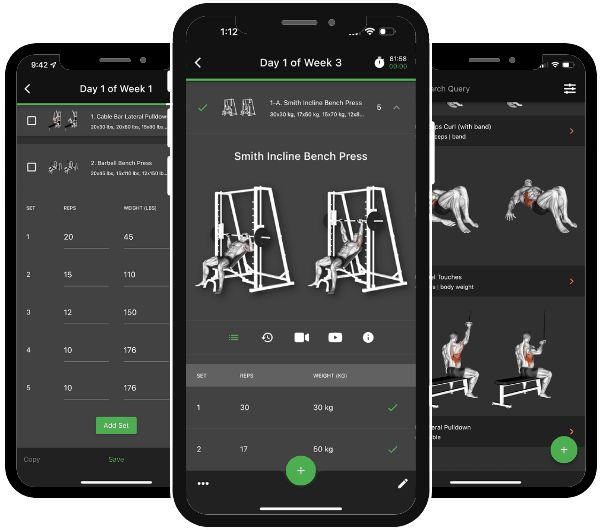
Achieve more with Fitwill: explore over 5000 exercises with images and videos, access built-in and custom workouts, perfect for both gym and home sessions, and see real results.
Start your journey. Download today!


Instructions
- Sit on a mat with one leg extended straight in front of you and the other leg bent comfortably to the side for balance.
- Ground both sitting bones, square your hips toward the straight leg, and lift your chest before you move.
- Keep the extended leg long and active without locking the knee hard.
- Hinge from the hips and reach toward the foot or lower leg instead of collapsing through the low back.
- Use your hands to support the stretch on the shin, ankle, or foot as needed; do not yank yourself deeper.
- Hold the forward position for a few slow breaths while keeping the shoulders relaxed and the neck long.
- Ease out of the stretch with control, then re-enter the same position if you are doing another repetition.
- Switch sides and repeat with the same setup, range, and breathing pattern.
Tips & Tricks
- A small cushion under the hips can make it easier to keep the pelvis forward instead of tucking under.
- If the straight knee starts to lock painfully, soften it slightly and keep the torso position clean.
- Reach from the hip crease first; rounding the upper back usually makes the stretch feel less precise.
- Keep the bent leg relaxed so it does not pull the pelvis off-center.
- Use the hands to guide position, not to crank the toes or force a bigger range.
- Exhale slowly as you settle into the stretch; a longer exhale usually lets the back of the leg soften.
- A mild pull behind the thigh or calf is normal, but a sharp bite behind the knee is a sign to shorten the range.
- If the stretch feels nervous or tingling, come out immediately and reset with a less aggressive reach.
Frequently Asked Questions
What does Plantar Flexion Stretch target most?
This seated version usually targets the hamstrings and calf on the straight leg, with the exact emphasis changing as you adjust your reach and foot position.
Can beginners perform this exercise?
Yes. Beginners can keep the bent knee more relaxed, sit on a cushion, and use a shorter reach until the torso stays tall.
Should my straight leg be completely locked?
No. Keep it long, but a tiny bend is better than forcing the knee straight and losing pelvic control.
Where should I feel the stretch?
You should feel a steady pull along the back of the thigh, behind the knee, or into the calf, not a sharp pinch in the joint.
Do I need to hold my foot with both hands?
No. Use as much hand support as you need to stay tall; some people only reach to the shin or ankle.
What is a common mistake with this stretch?
The most common mistake is folding at the low back and chasing the foot instead of hinging from the hips.
Can I use a strap or towel?
Yes, a strap or towel can help if your hands cannot reach comfortably, as long as you keep the pull gentle.
How long should I hold each rep?
A few slow breaths is usually enough. Longer holds are fine if the position stays calm and does not turn into a painful tug.