Seated Knee Up Extended Rotation Stretch
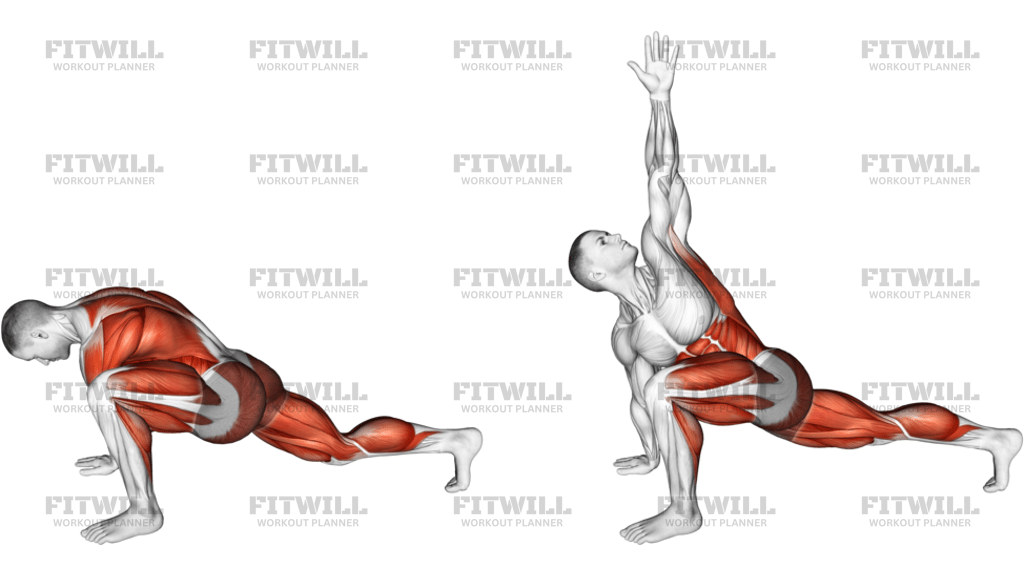
Seated Knee Up Extended Rotation Stretch is a floor-based mobility drill for the hips, glutes, and trunk. One leg stays extended on the mat while the other knee bends up, which creates a useful combination of hip opening and gentle rotation through the torso. The position is simple, but the value comes from how well you organize the pelvis, spine, and breathing before you move.
This stretch is less about forcing range and more about finding a position you can own. The extended leg helps keep one side of the pelvis long, while the bent-knee side lets you open the hip and rotate the ribcage without collapsing through the lower back. That makes it useful when the outer hip feels tight, the glutes are stiff from training, or you want a controlled rotation pattern before more demanding lower-body work.
The setup matters because small changes in foot placement and torso angle change where the stretch is felt. If you sit too slumped, the motion shifts into the low back. If you twist aggressively, you lose the hip stretch and turn it into a yanked rotation. A clean rep starts with a tall seat, a steady base on the mat, and a deliberate turn that stays comfortable in the hip and outer glute.
Use this movement as a warm-up mobility drill, a recovery stretch after leg training, or a controlled reset between heavier sets. Keep the reach and rotation smooth, breathe into the tight side, and stop short of any sharp pinching in the hip, groin, or lumbar spine. The best result is a repeatable stretch that opens the target area without making the position feel forced.
[ Workout Log & Planner ]
Put your next workout in Fitwill
Keep your plan and training log ready when you are.


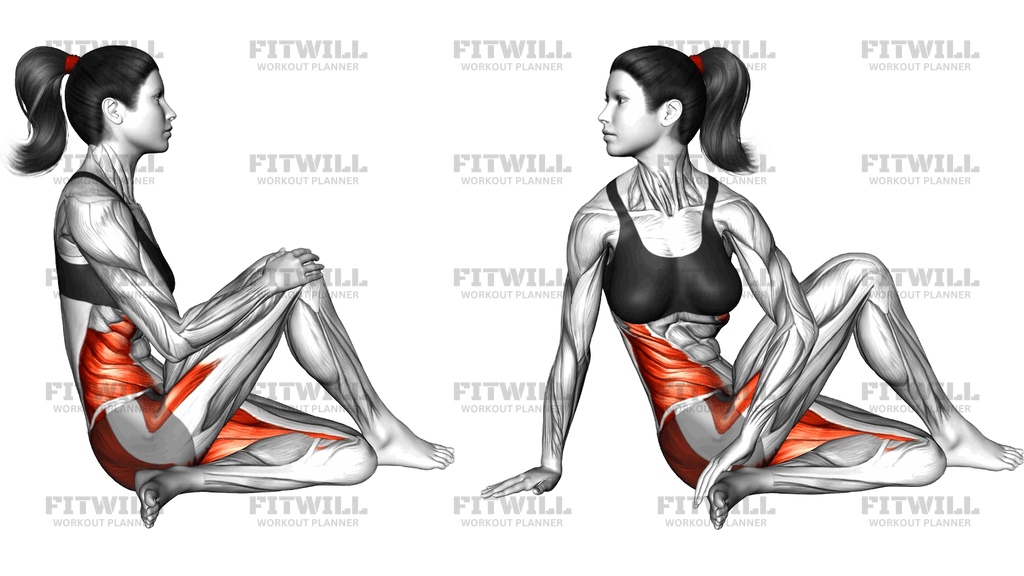
Instructions
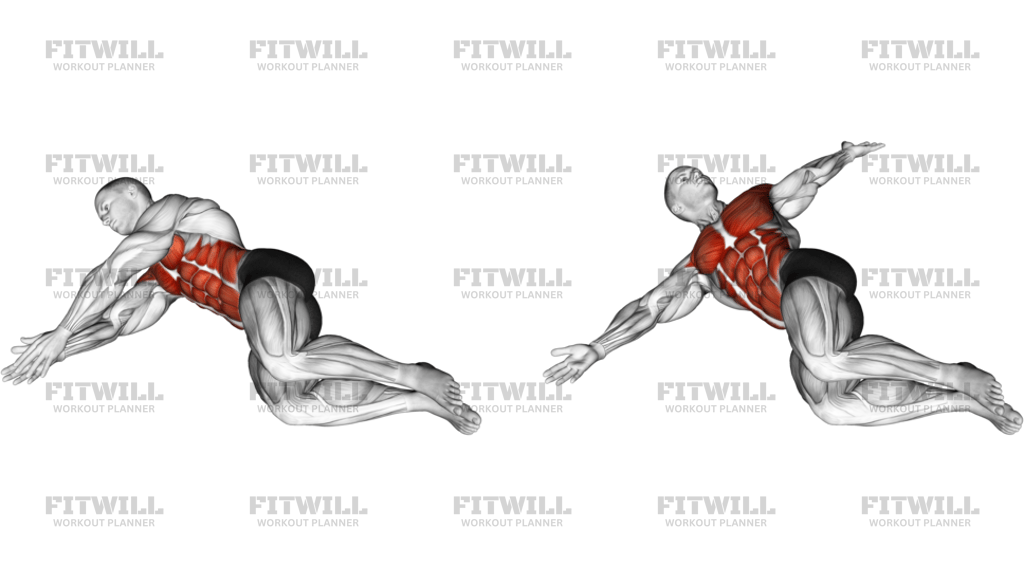
- Sit on the mat with one leg extended long and the other knee bent up, keeping both sitting bones as grounded as you can.
- Place the bent foot close to the opposite leg in a position that lets your pelvis stay square and your torso stay tall.
- Support yourself lightly with one hand behind you or beside your hip so you can rotate without collapsing.
- Brace gently through your midsection and lengthen through the crown of your head before you turn.
- Rotate your chest toward the bent-knee side, letting the movement come from the torso and hip rather than the low back.
- As you turn, let the bent knee drift in the direction of the rotation while the extended leg stays long and relaxed.
- Pause in the stretch for a calm breath or two, keeping the shoulders down and the neck soft.
- Return slowly to the start, then repeat on the other side if the program calls for symmetrical work.
Tips & Tricks
- Keep the extended leg active instead of letting it flop open, because a long leg helps the pelvis stay organized.
- If the stretch moves into your low back, sit a little taller and reduce the amount of rotation.
- A small turn that feels even is better than a big twist that makes the hip pinch.
- Use your supporting hand as a balance point, not a lever for cranking deeper into the stretch.
- Let the exhale soften the outer hip and glute instead of forcing the body farther with your arms.
- If the bent knee feels stressed, move the foot a little farther away from the pelvis and re-check your angle.
- Keep both shoulders from hiking toward the ears when you rotate.
- The stretch should feel like hip and glute lengthening, not a sharp pull through the groin or knee.
Frequently Asked Questions
What does Seated Knee Up Extended Rotation Stretch train most?
It mainly targets hip mobility, outer-glute length, and controlled trunk rotation.
Do I need a mat for the seated knee-up rotation stretch?
A mat helps because you need a stable seat and enough cushioning to stay tall while you rotate.
Where should I feel the stretch most?
You should feel it in the bent-knee hip, outer glute, and sometimes a mild opening across the lower back and side waist.
What is the biggest mistake in this stretch?
Most people twist from the low back and round the chest instead of keeping the pelvis steady and rotating from the torso.
Should the extended leg stay fully relaxed?
Keep it long and quiet, but do not let it collapse outward or cause the pelvis to tip.
Is this more of a hip stretch or a core exercise?
It is primarily a hip and glute stretch, with the core working to keep the rotation controlled.
Can beginners use this movement safely?
Yes, beginners can usually use it well as long as they keep the range small and avoid forcing the turn.
How do I make the stretch deeper without yanking it?
Improve the seat first, then use a slower exhale and a slightly longer hold rather than pulling harder.