Standing Hip Adduction Stretch
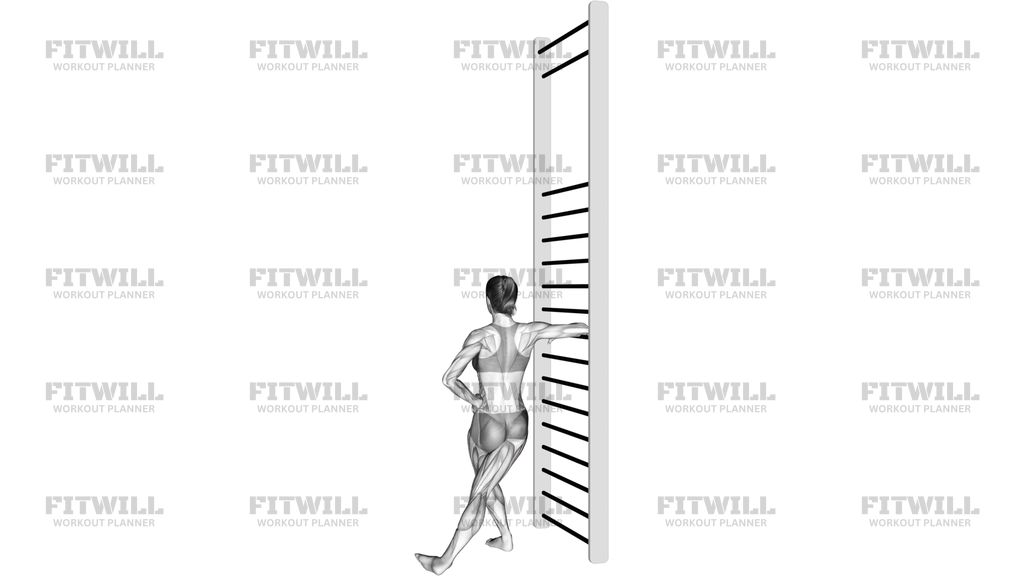
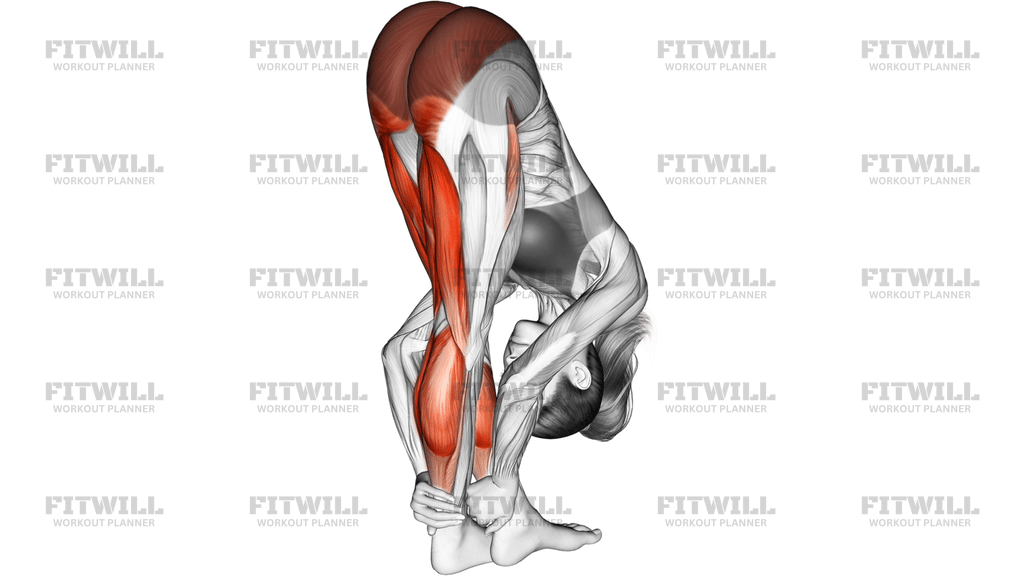
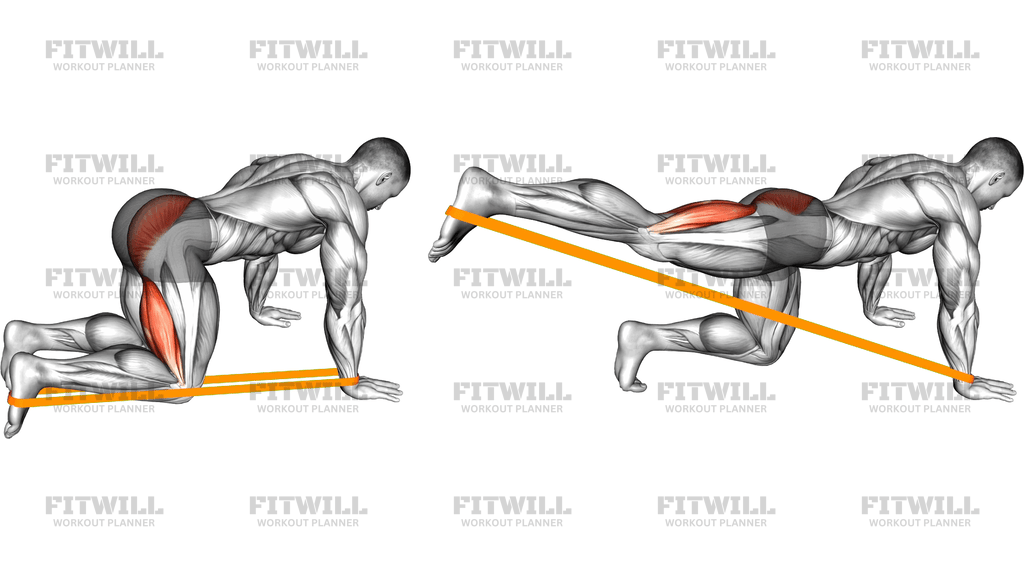
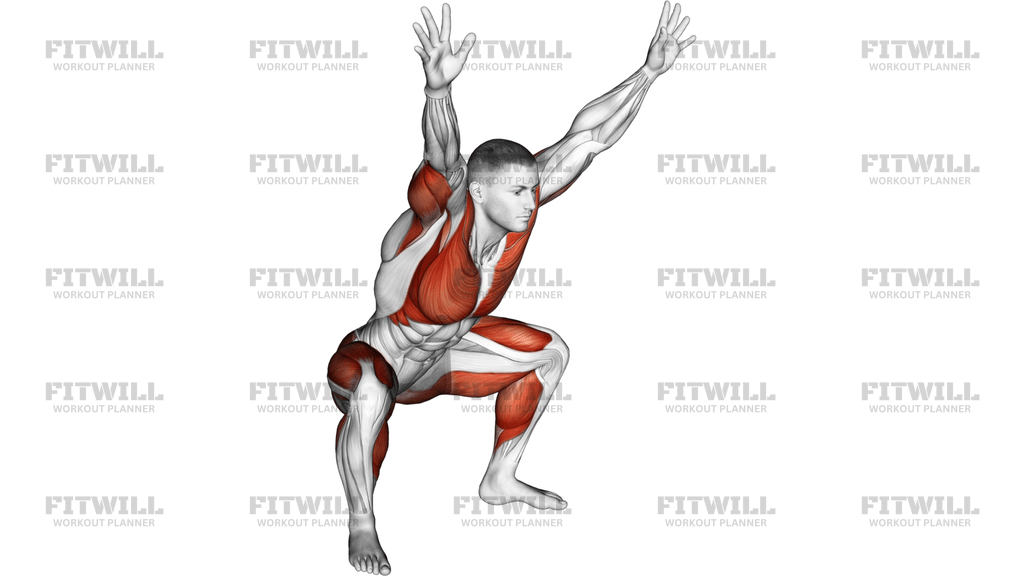
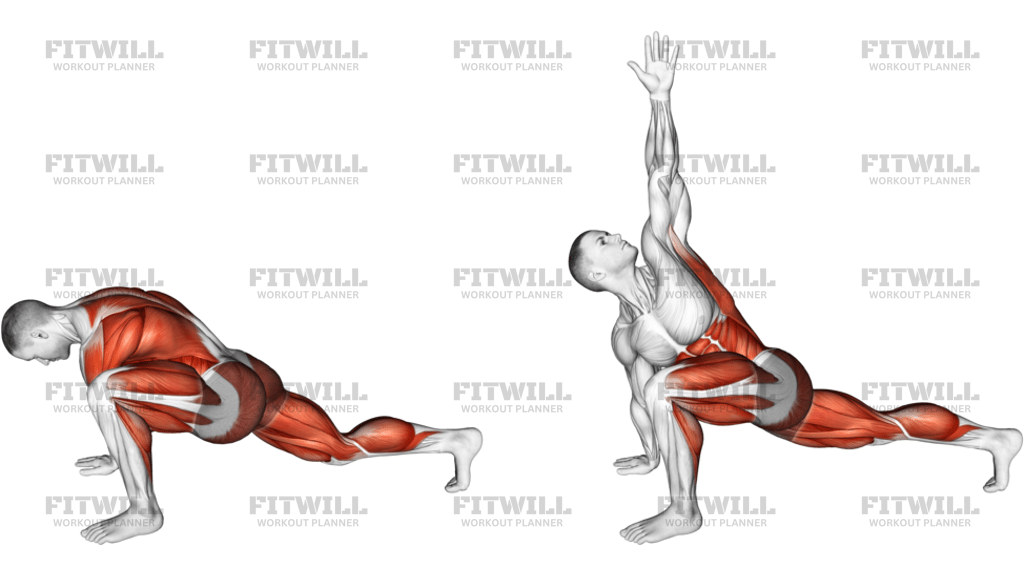
Standing Hip Adduction Stretch is a supported standing inner-thigh stretch that uses a wall bar, rack upright, or similar post for balance while you lengthen the adductors. The hand on the support is there to keep the torso tall and the pelvis organized so the stretch goes where you want it to go: the inner thigh and groin of the crossed or trailing leg, not the lower back.
That setup matters because the body naturally wants to lean, twist, or dump the hips forward when the stance gets wide or the stretch gets deep. A light hold on the support gives you a stable frame, which makes it easier to keep both feet grounded, the ribs stacked over the pelvis, and the knee position calm while the adductors lengthen. This is a mobility drill, not a strength test, so the stretch should feel deliberate and controllable.
Use it before squats, lunges, lateral work, skating drills, or any session where the hips need cleaner side-to-side motion. A good rep starts with a modest crossover stance, then a slow shift of the hips until the inside of the thigh opens without pinching in the hip joint or twisting the low back. Breathe into the end range and let the exhale reduce tension instead of forcing a bigger position.
The best version stays in a pain-free range and keeps the posture steady from start to finish. If you feel the stretch in the knee, ankle, or lumbar spine, shorten the stance and reduce the lean until the adductors take the load again. Controlled holds with clean alignment are more useful here than chasing a dramatic stretch that collapses the position.
[ Workout Log & Planner ]
Put your next workout in Fitwill
Keep your plan and training log ready when you are.


Instructions
- Stand beside a wall bar, rack upright, or other sturdy support and place the near hand on it at about shoulder height.
- Stagger your feet and cross one leg behind the other so the inner thigh of the trailing leg is the side you want to lengthen.
- Keep both feet flat and point the toes in a comfortable direction before you move deeper into the stretch.
- Set the pelvis square and the chest tall so the torso does not collapse toward the floor or twist away from the support.
- Slowly shift your hips toward the support side until you feel a clear stretch through the adductor line of the crossed leg.
- Keep the standing knee softly unlocked and the crossed leg long without jamming the back knee.
- Breathe slowly into the lower ribs, then let each exhale soften the stretch a little without bouncing.
- Come back to center under control, reset your stance, and switch sides before repeating.
Tips & Tricks
- Keep the support hand light; if you are leaning hard into it, the hips are probably doing less work than they should.
- Think about lifting the chest slightly as you shift, which helps the stretch stay in the inner thigh instead of the low back.
- If the rear knee feels jammed, shorten the crossover and let the leg angle change before pushing deeper.
- A narrower stance usually makes balance easier; only widen or cross farther if the pelvis still stays level.
- Let the exhale do part of the work. Forcing the position with a breath hold usually makes the groin guard up.
- Keep pressure through the whole foot, especially the heel and the base of the big toe, so the stance does not wobble.
- The stretch should feel like a long line through the groin and inner thigh, not a pinch in the front of the hip joint.
- Stop before any sharp pain, then back off a little and hold the cleaner, smaller position.
Frequently Asked Questions
What does Standing Hip Adduction Stretch target most?
It mainly targets the adductors, or inner thigh muscles, on the crossed or trailing leg.
Why is one hand on the wall bar or rack upright?
The support keeps your torso tall and helps you control the pelvis so the stretch stays in the adductors.
Which side should feel the stretch?
You should feel it most along the inner thigh of the leg that is crossed behind or set back in the staggered stance.
Can I do this if my groins are very tight?
Yes, but start with a smaller crossover and a shorter hold so the stretch stays comfortable and controlled.
Why do I feel it in my lower back instead of my inner thigh?
That usually means the ribs are flaring or the torso is twisting. Shorten the stance and keep the pelvis square.
Do my feet need to stay flat?
Yes. Keeping the foot planted helps you control balance and keeps the stretch focused through the adductor chain.
What is a common mistake with this stretch?
The biggest mistake is bouncing or forcing a deeper lean instead of holding a calm, square position.
When should I use this stretch?
It fits well before lower-body training, especially sessions that include squats, lunges, side steps, or lateral movement.