Assisted One Leg Extension
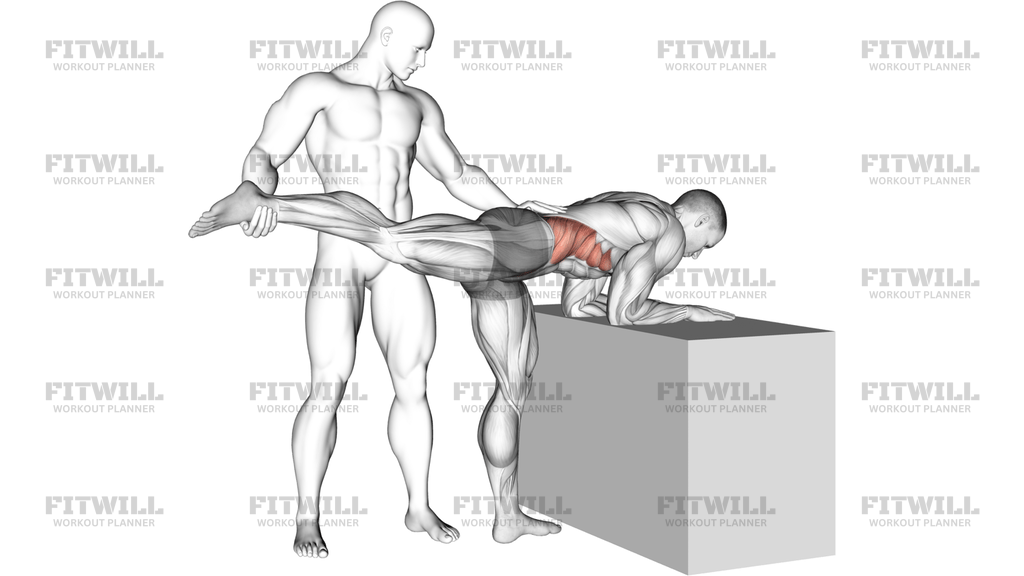
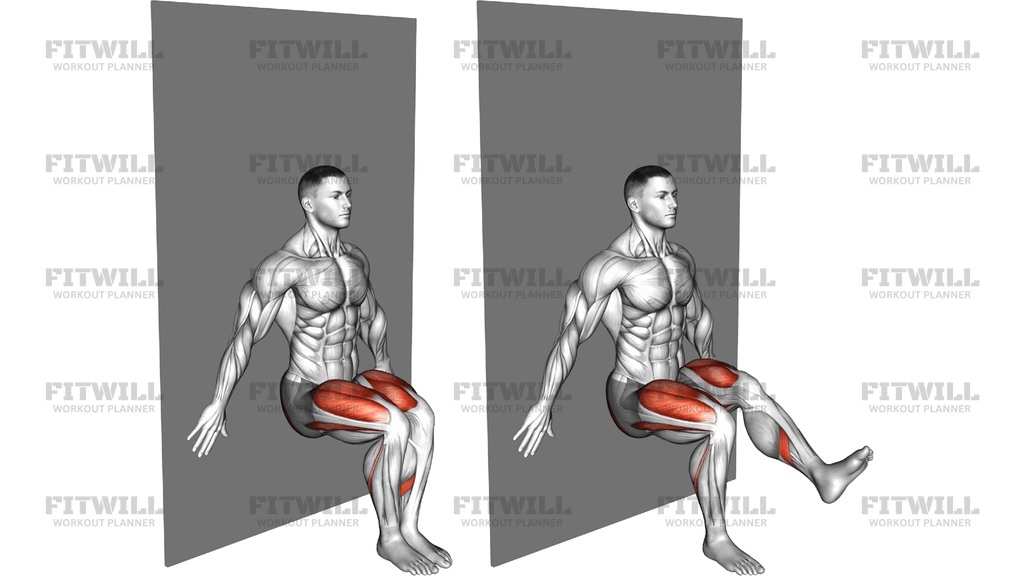
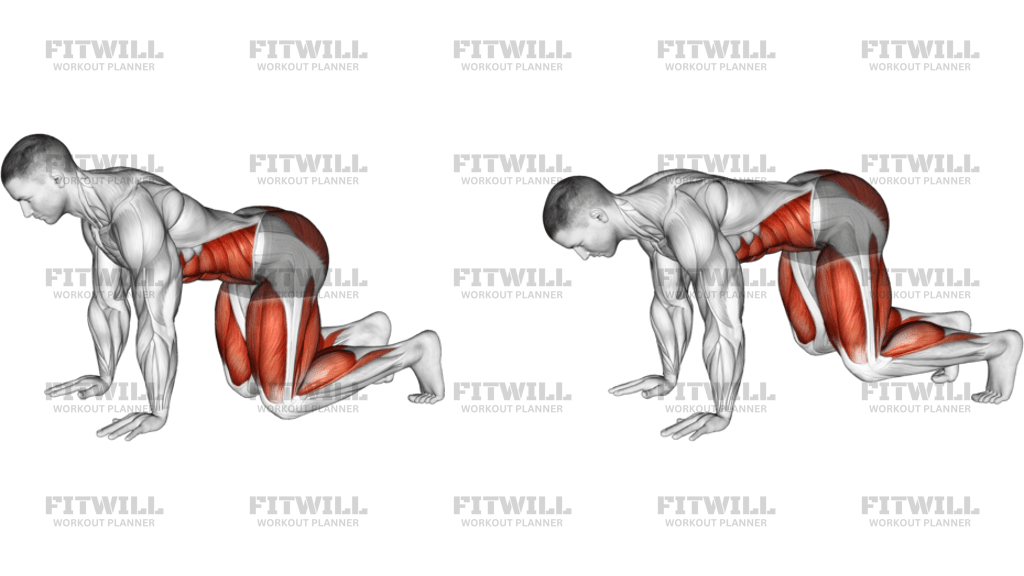
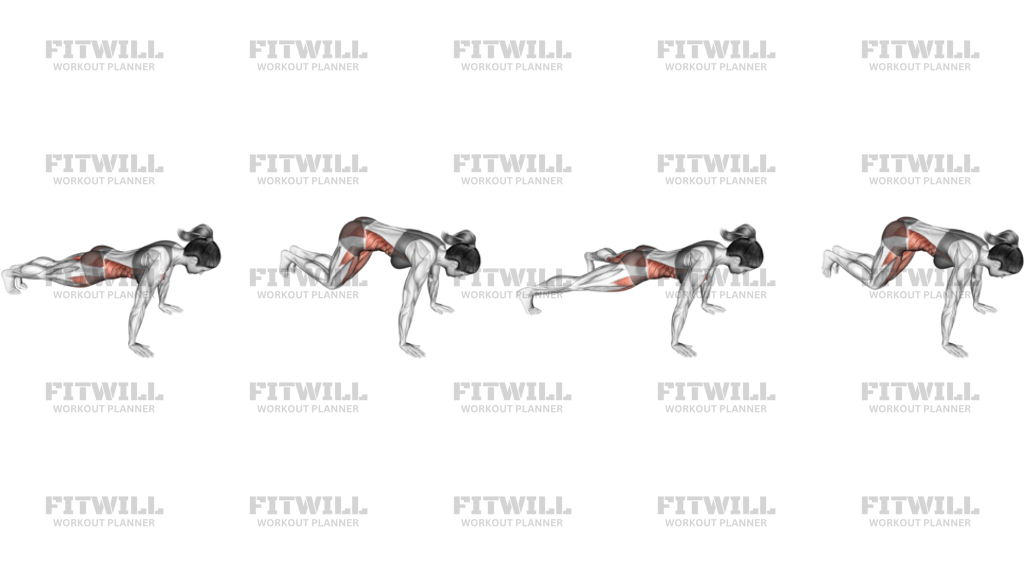
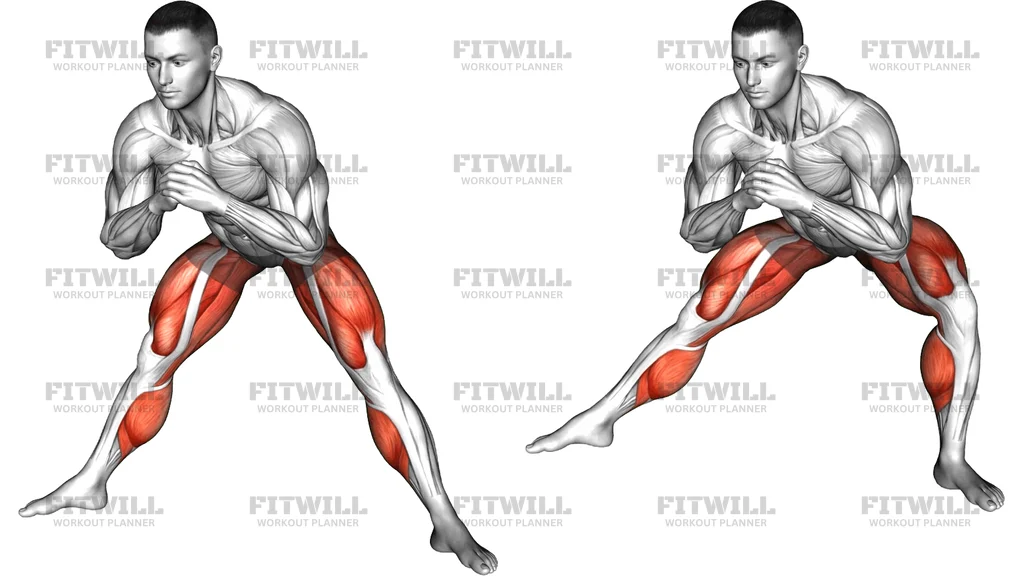
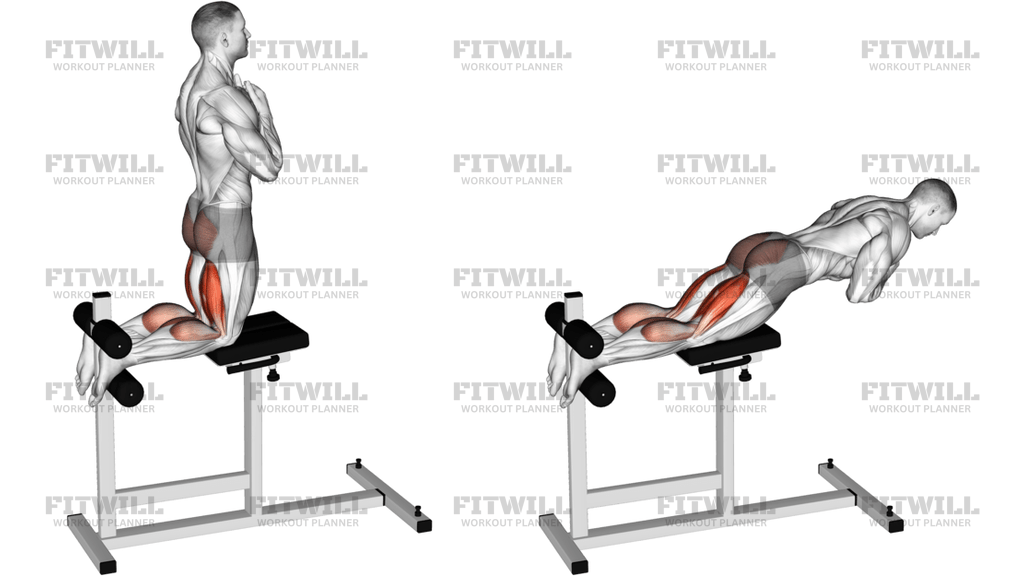
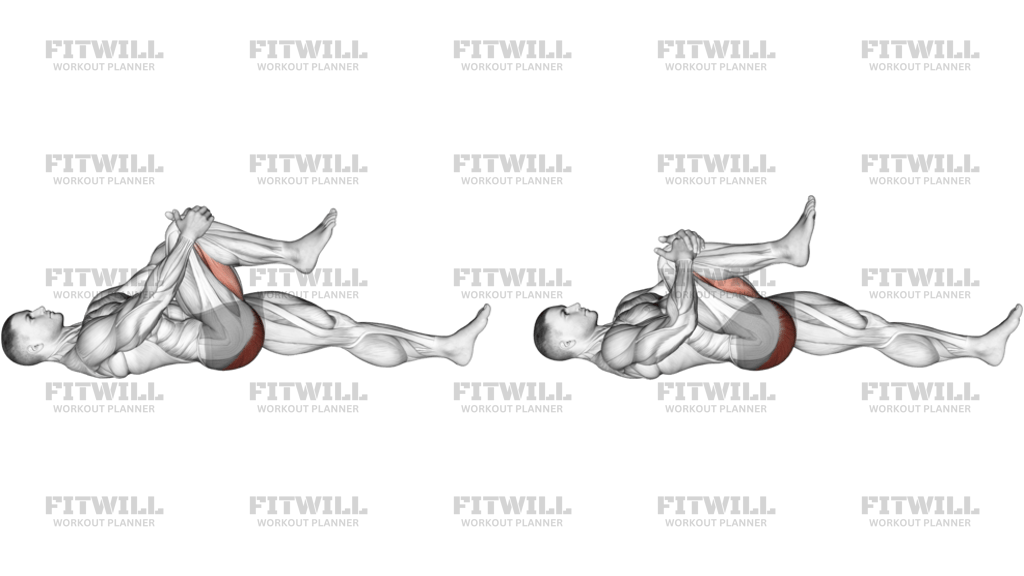
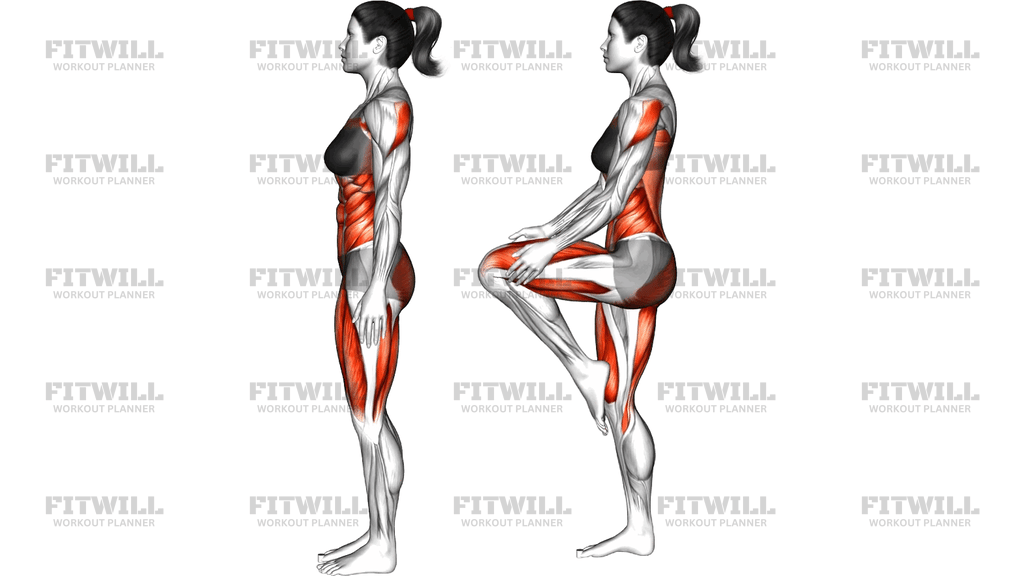
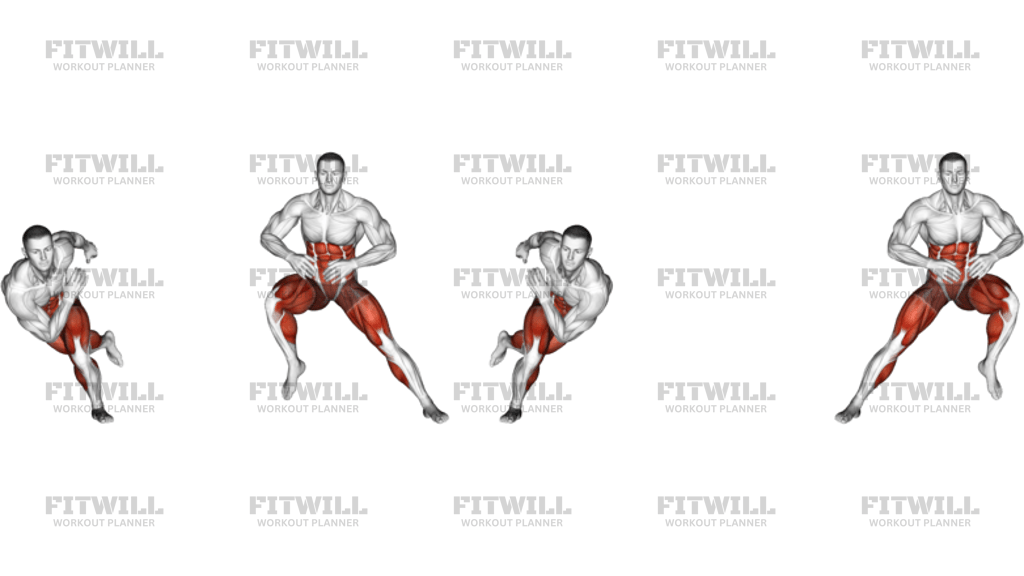
Assisted One Leg Extension is a partner-assisted hip extension drill performed from a forearm-supported position on a bench or box. One leg reaches long behind the body while the other leg and both forearms keep you anchored. The exercise is designed to train the glute on the working side, along with the hamstrings and deep core muscles that keep the pelvis from twisting.
The setup matters because this movement only works when the torso stays quiet. With the forearms planted and the ribs held down, the hip can extend without the lower back taking over. Your partner's role is to support the ankle or foot so the leg path stays smooth and the rep does not turn into a swing or a hard yank.
Each repetition should feel like a controlled hip drive, not a kick. Extend the leg to the point where you can still keep the hips square, pause briefly at the top, then lower slowly until you are back in the starting position. Keep the neck long, press evenly through the support points, and breathe out as the leg moves.
This drill fits well in activation work, glute-focused accessory training, or a mobility-strength warm-up for athletes who need better hip control. It is usually more useful with moderate reps and a clean tempo than with heavy force. If you feel it mostly in the lower back, shorten the range and let your partner reduce the amount of assistance.
[ Workout Log & Planner ]
Put your next workout in Fitwill
Keep your plan and training log ready when you are.


Instructions
- Set your forearms on a stable bench or box and keep your chest and hips square to the floor.
- Plant the support foot firmly and let the working leg extend straight behind you with the knee long.
- Have your partner support the working ankle or foot without pulling the leg off line.
- Brace your abs, tuck the ribs slightly, and keep the pelvis level before each rep.
- Exhale as you drive the working leg backward and slightly up using the glute.
- Pause briefly at the top when the hip is fully extended and the torso still feels quiet.
- Lower the leg slowly under control until you feel the load leave the glute, then reset.
- Repeat for the planned reps, then release the leg and switch sides carefully.
Tips & Tricks
- Keep the pelvis square; if one hip opens, the lower back will start cheating.
- Let the partner guide the ankle, not yank it, so the rep stays smooth.
- Stop the upward phase when the glute stops moving the leg and the spine wants to arch.
- Keep the support knee soft and rooted so the body does not sway.
- A small, clean range is better than forcing the leg higher than you can control.
- Exhale through the extension and inhale on the slow return to keep the torso braced.
- If you only feel the low back, shorten the range and lower the amount of assistance.
- Use this as an activation drill or accessory set, not as a max-effort strength movement.
Frequently Asked Questions
What muscles does Assisted One Leg Extension work?
Mainly the glute on the working side, with the hamstrings and core stabilizers helping control the pelvis.
Do I need a partner for this exercise?
Yes, the assisted version uses a partner to support the ankle or foot so the leg path stays smooth and controlled.
Why am I feeling this in my lower back?
Usually the pelvis is tilting or the leg is lifting too high; shorten the range and keep the ribs down.
Should the working knee stay straight or bent?
Keep it long and extended unless your coach or setup calls for a slight bend to protect the hamstring.
How high should the leg go?
Only as high as you can lift it without opening the hip or arching the back.
Is this a good warm-up exercise?
Yes, it works well for glute activation and hip control before lower-body training.
Can beginners do it?
Yes, beginners can use a small range and very light assistance as long as the torso stays stable.
What is the biggest mistake?
Letting the leg turn into a kick and letting the low back take over the rep.