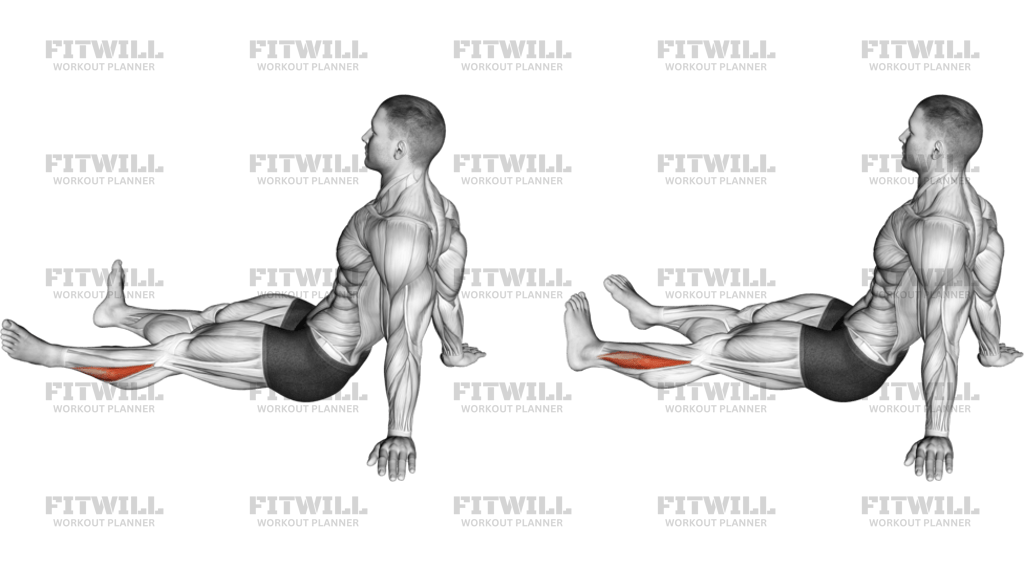
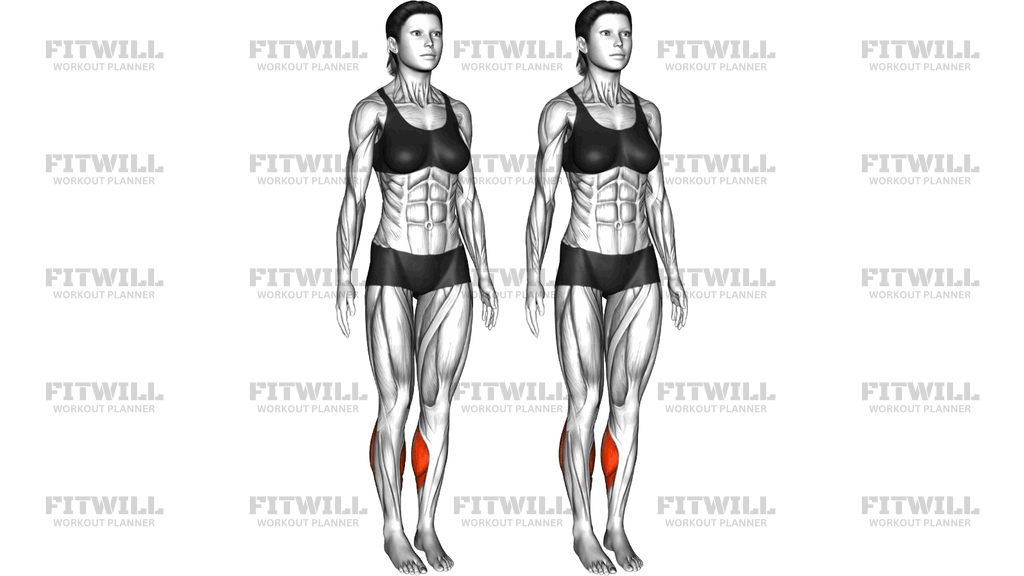
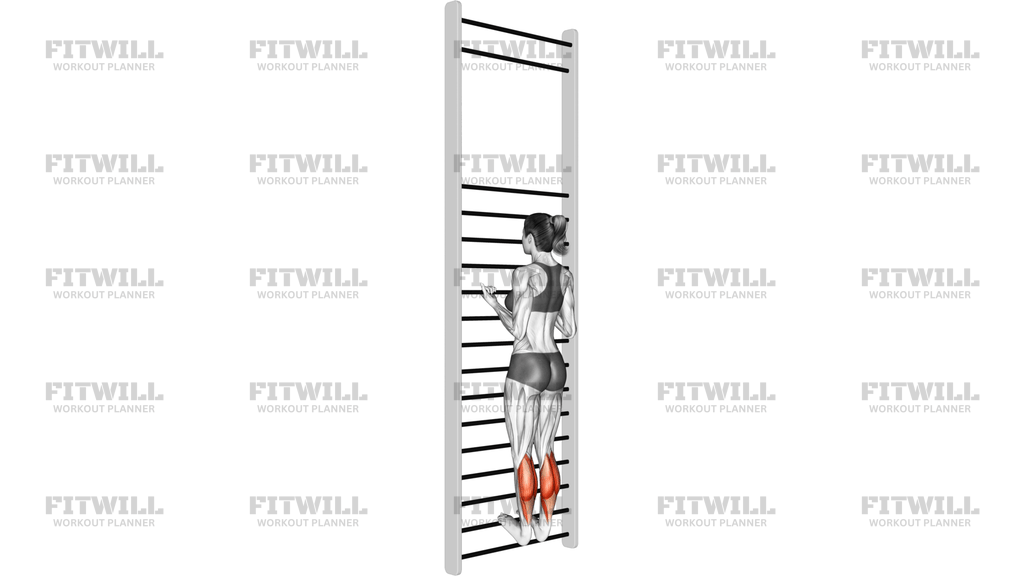
Standing Toe Flexor Stretch
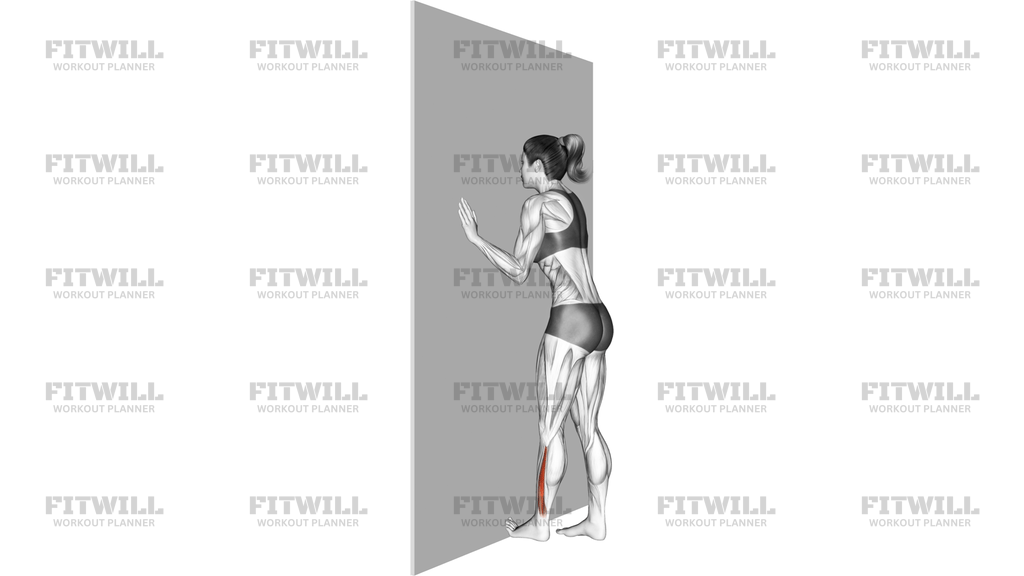
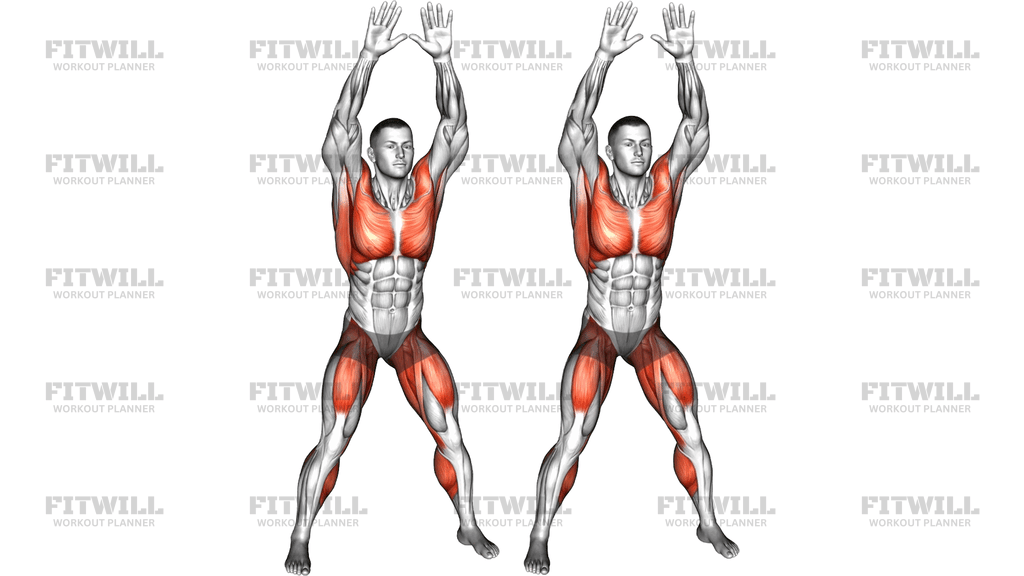
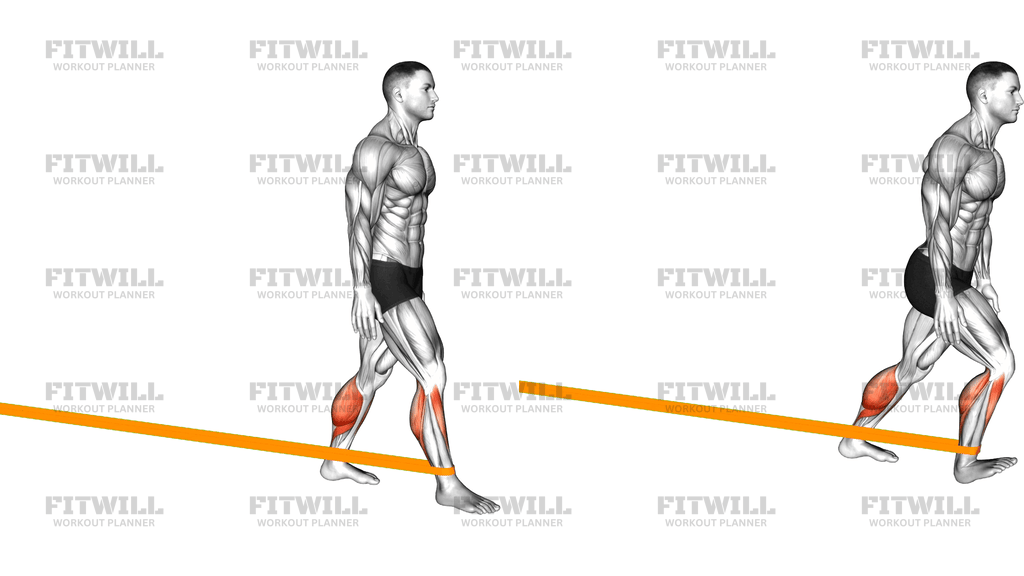
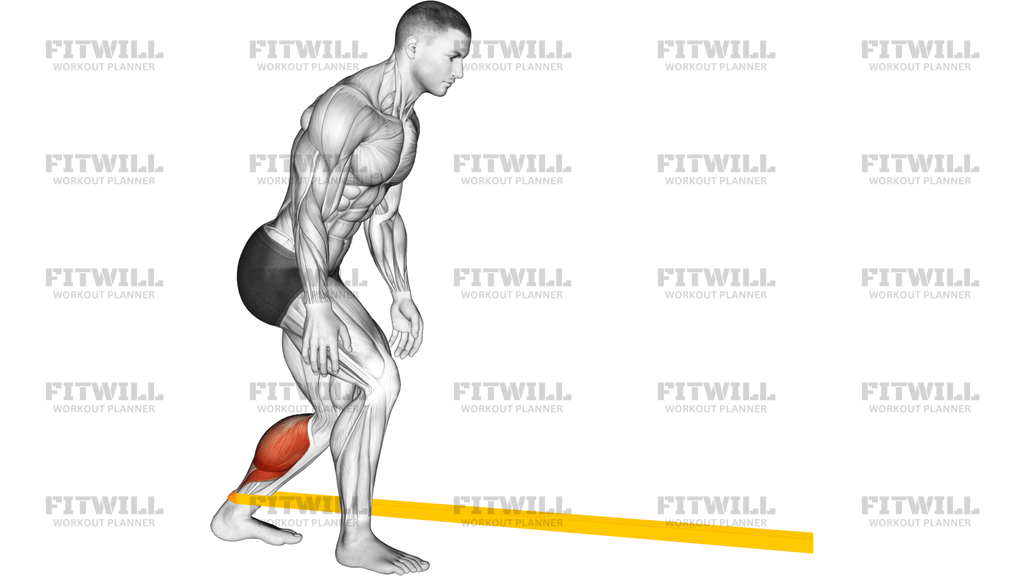
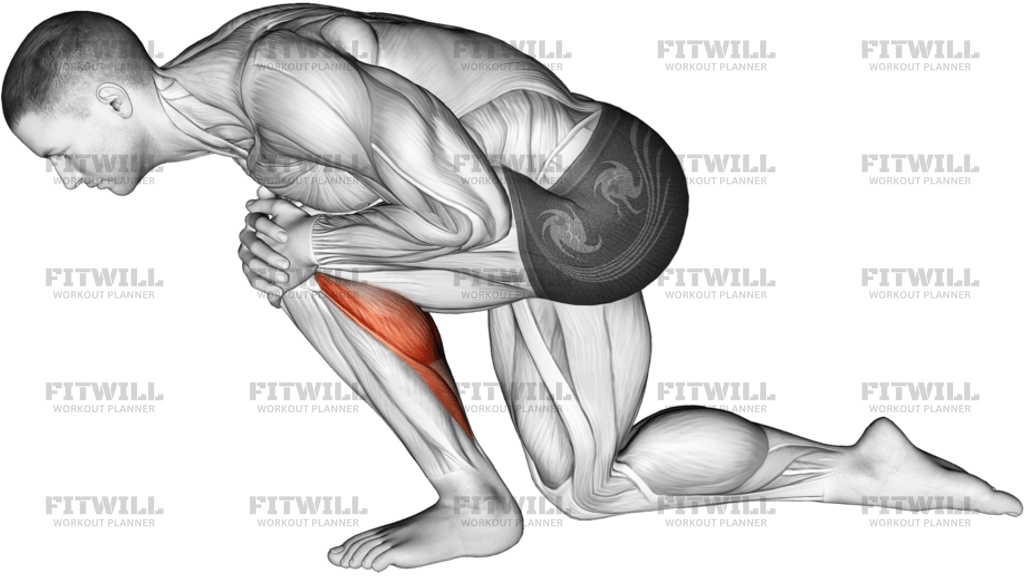
Standing Toe Flexor Stretch is a wall-supported standing lower-leg stretch that uses body weight and a stable hand contact to control tension through the calf, ankle, and foot. In the image, the athlete faces the wall with one hand on it for balance while the working foot stays rooted and the body leans only as far as needed to create a clear stretch. The purpose is not to force depth; it is to build a repeatable setup that lets you lengthen the lower leg without wobbling, twisting, or bouncing.
This exercise is useful when the calves, Achilles region, or the small muscles around the foot feel tight after running, jumping, long walks, or time spent on your feet. Because the wall fixes your balance point, you can pay attention to the exact angle of the ankle and how much forward lean you use. That makes it easier to find a stretch that is strong, controlled, and easy to repeat on both sides.
A good rep starts with the feet. Place the working foot close to the wall in the stretch position shown, keep the heel anchored, and use the hand on the wall only as light support. From there, shift your body forward gradually until you feel a firm stretch through the lower leg and foot. Keep the knee tracking in line with the toes, avoid collapsing the arch, and breathe out as you settle into the end position.
Use the stretch in a warm-up, cooldown, mobility circuit, or recovery session whenever you want a simple standing option instead of a floor-based drill. The best results come from calm breathing, patient holds, and consistent side-to-side work rather than trying to force a bigger range. If the stretch turns sharp in the heel, Achilles, or arch, reduce the lean and shorten the hold so the movement stays comfortable and useful.
Fitwill
Log Workouts, Track Progress & Build Strength.
Achieve more with Fitwill: explore over 9600 exercises with images and videos, access built-in and custom workouts, perfect for both gym and home sessions, and see real results.
Start your journey. Download today!




Instructions
- Stand facing a wall and place one hand on it at about chest height for balance.
- Set the working foot close to the wall in the stretch position shown, with the heel anchored and the toes relaxed or positioned as prescribed for your variation.
- Keep the other foot slightly behind you so you can shift forward without losing balance.
- Square your hips and lengthen through your torso before you move into the stretch.
- Lean forward slowly until you feel a firm stretch through the lower calf, ankle, and foot.
- Keep the working knee tracking over the middle toes instead of collapsing inward.
- Hold the end position without bouncing and breathe out to let the tissues settle.
- Ease back a small amount to reduce tension, then repeat the same path or switch sides.
- Reset the foot position before each new hold so the stretch stays consistent.
Tips & Tricks
- Use the wall for balance only; pressing hard through the hand usually makes the torso rotate and reduces the quality of the stretch.
- Keep the heel heavy the whole time so the movement stays in the lower leg instead of turning into a forefoot balance drill.
- If you feel the stretch mostly in the Achilles or heel cord, back the foot away from the wall a little and reduce the forward lean.
- Keep the arch from collapsing; a quiet foot gives you a cleaner stretch through the calf and ankle.
- A small lean is enough for most people, especially if you are trying to recover after running or jumping.
- Exhale as you settle into the end range, then keep the breathing slow so the calf does not guard against the stretch.
- Match both sides even if one ankle feels much tighter, so the shorter side does not keep getting skipped.
- If the toes cramp, shorten the hold and reset the foot position instead of forcing more range.
Frequently Asked Questions
What does Standing Toe Flexor Stretch mainly work?
It mainly stretches the calves and the lower-leg tissues around the ankle and foot, with the exact emphasis changing slightly based on foot position.
Do I need to hold the wall the whole time?
A light hand on the wall is the easiest way to keep balance and control the amount of forward lean.
Should my heel stay on the floor?
Yes. Keeping the heel rooted is what lets the stretch stay in the lower leg instead of turning into a balancing move.
Where should I feel the stretch in this wall setup?
You should feel it through the calf, around the ankle, and sometimes into the arch or front of the lower leg depending on how the foot is placed.
Can beginners use this stretch?
Yes. It is beginner-friendly because you can control the depth with your hand on the wall and your distance from it.
What is the biggest form mistake here?
Leaning too far forward or letting the arch collapse usually turns a clean stretch into a sloppy one.
How long should I hold each side?
Short to moderate holds are usually enough, especially in a warm-up or cooldown. Keep the hold long enough to feel tension but not long enough to lose posture.
When is this stretch most useful?
It works well after running, jumping, calf-heavy training, or any session where your lower legs feel tight and you want a standing mobility option.