Barbell Rear Delt Raise _shoulder
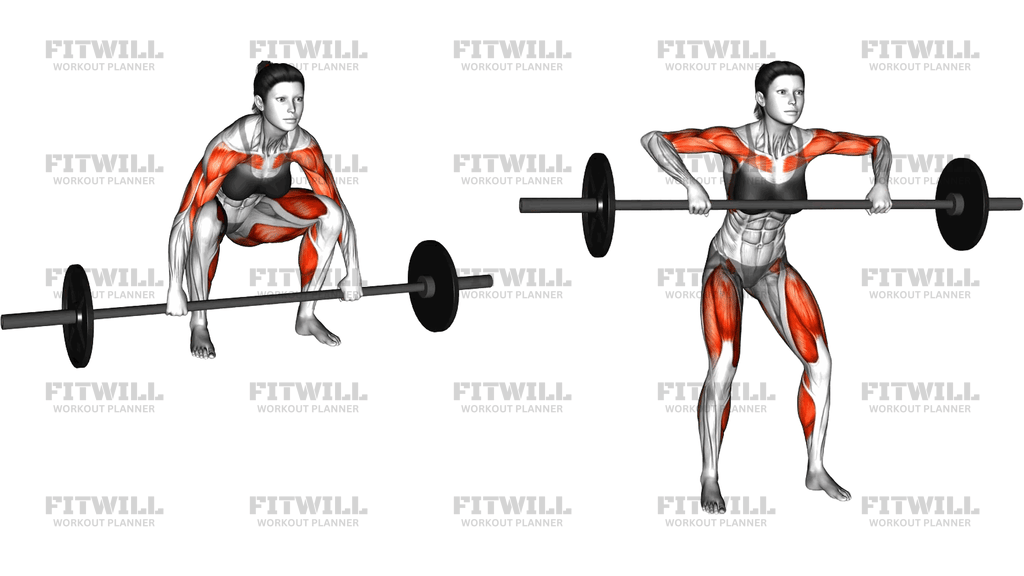
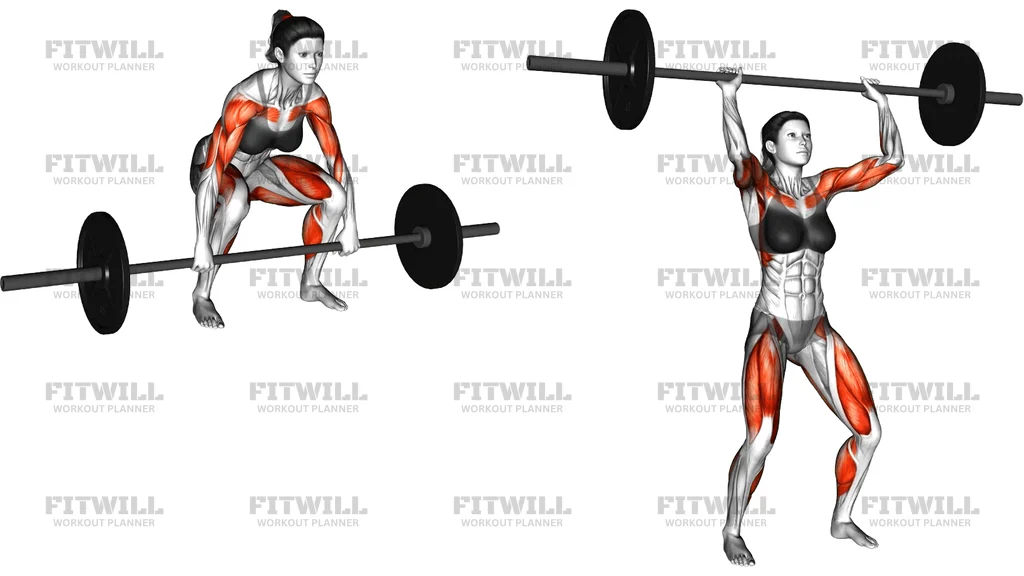
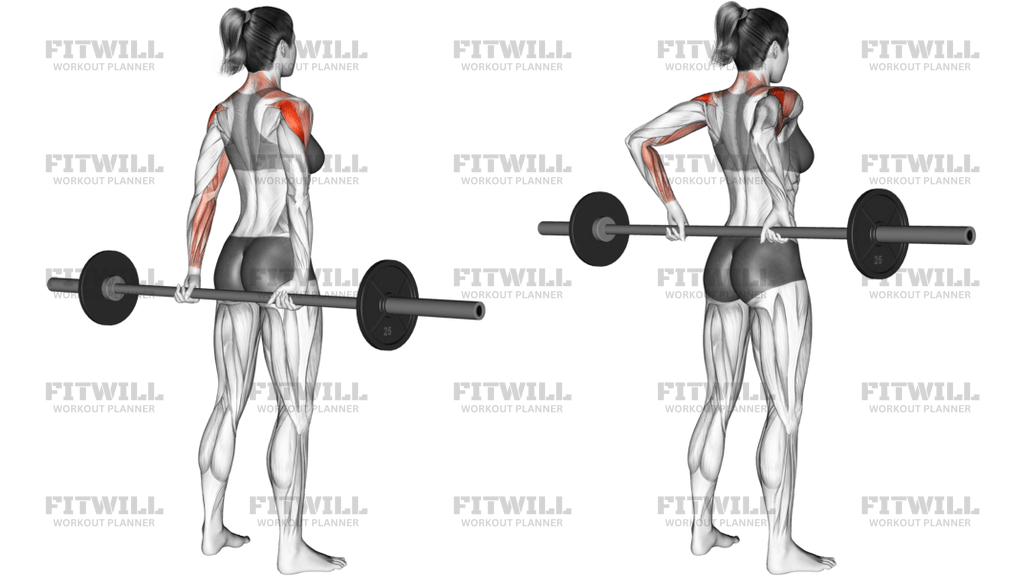
Barbell Rear Delt Raise _shoulder is a standing rear-shoulder isolation exercise that uses a barbell held behind the body to load the rear delts through a short, controlled arc. The version shown here keeps the torso upright, the shoulders set down and back, and the bar traveling close to the hips and lower back instead of swinging away from the body. That tighter line of pull keeps the emphasis on the back of the shoulders and the muscles that help hold the shoulder blades steady.
This movement is useful when you want direct work for the rear deltoids without needing cables or machines. Because the bar stays behind the body, the setup matters: the grip width, stance, and starting bar position all change how much tension you feel in the shoulders versus how much the traps and arms take over. A clean rep should feel deliberate and compact, with the upper body staying organized while the shoulders do the work.
The exercise is not about lifting the bar high. It is about moving it smoothly through a small range while keeping the elbows softly bent and the wrists stacked over the bar. At the top, the upper arms should come back just enough to challenge the rear delts without forcing the lower back to arch or the chest to pop forward. The return should be just as controlled so the shoulders stay under tension instead of dropping the bar and losing the target muscle.
Barbell Rear Delt Raise _shoulder fits well as accessory work on upper-body or shoulder days, especially if your program already includes pressing and front-delt work. It can also help balance a lot of benching and overhead work by giving the rear shoulder a direct stimulus. Use a light to moderate load and keep the motion strict enough that each rep looks almost identical. If the bar starts drifting, your neck tightens, or your torso starts leaning to finish the rep, the set is too heavy for the purpose of this exercise.
[ Workout Log & Planner ]
Put your next workout in Fitwill
Keep your plan and training log ready when you are.


Instructions
- Stand tall with your feet about hip-width apart and hold a barbell behind your hips using an overhand grip a little wider than shoulder width.
- Let the bar rest just behind your glutes with your arms long, elbows softly bent, chest lifted, and shoulders set down instead of shrugged.
- Brace your midsection and keep your head stacked over your ribs before you start the first rep.
- Pull the bar up and slightly back behind your body by driving your elbows outward and back, keeping the bar close to your legs.
- Raise only as far as you can keep your torso still and your shoulders from rolling forward or shrugging hard.
- Squeeze briefly at the top with the rear shoulders doing the work, not the lower back or neck.
- Lower the bar slowly to the start position and keep tension on the shoulders as the arms lengthen.
- Inhale on the way down and exhale as you lift, then repeat for the planned reps without using momentum.
Tips & Tricks
- A slightly wider-than-shoulder grip usually makes it easier to keep the bar path behind the body instead of turning it into a shrug.
- Keep the bar close to your glutes and thighs; letting it drift forward quickly shifts the work away from the rear delts.
- Stop the lift when your shoulders begin to climb toward your ears, because that usually means the traps are taking over.
- Use a small range of motion and make the top position look clean rather than trying to force a bigger swing.
- Keep the elbows softly bent throughout the set so the arms act like levers instead of turning the movement into a row.
- If your lower back arches to finish the rep, lower the load and keep the ribs stacked over the pelvis.
- A slow lowering phase helps keep tension on the rear delts and makes the exercise much more useful than bouncing the bar down.
- Choose a load that lets you pause briefly at the top without losing grip or posture.
- If the bar feels awkward against the thighs, start with a very light barbell or an empty bar and dial in the groove first.
Frequently Asked Questions
What muscle does Barbell Rear Delt Raise _shoulder target most?
It mainly targets the rear delts, with the upper back and stabilizers helping keep the bar path controlled.
Where should the bar move during the rep?
The bar should travel up and slightly back close to your hips and lower back, not swing forward away from your body.
Should I keep my elbows straight or bent?
Keep a soft bend in the elbows. Locked elbows usually make the shoulders less comfortable and the bar harder to control.
Do I need to lift the bar very high?
No. Lift only until the rear shoulders are working hard and the torso still stays quiet. A short, strict range is the goal.
Can this turn into a shrug?
It can if the load is too heavy or the shoulders rise toward the ears. Keep the neck long and the shoulders down.
Is this a good beginner rear-delt exercise?
Yes, if you start light and keep the bar path strict. The small range makes it easier to learn than a big swinging movement.
What should I do if my lower back takes over?
Reduce the load and keep your ribs stacked over your pelvis. The rep should come from the shoulders, not a lean-back.
How many reps work best?
Moderate to higher reps usually work well because this is a small isolation movement and strict control matters more than heavy loading.