Cable Stand-Up
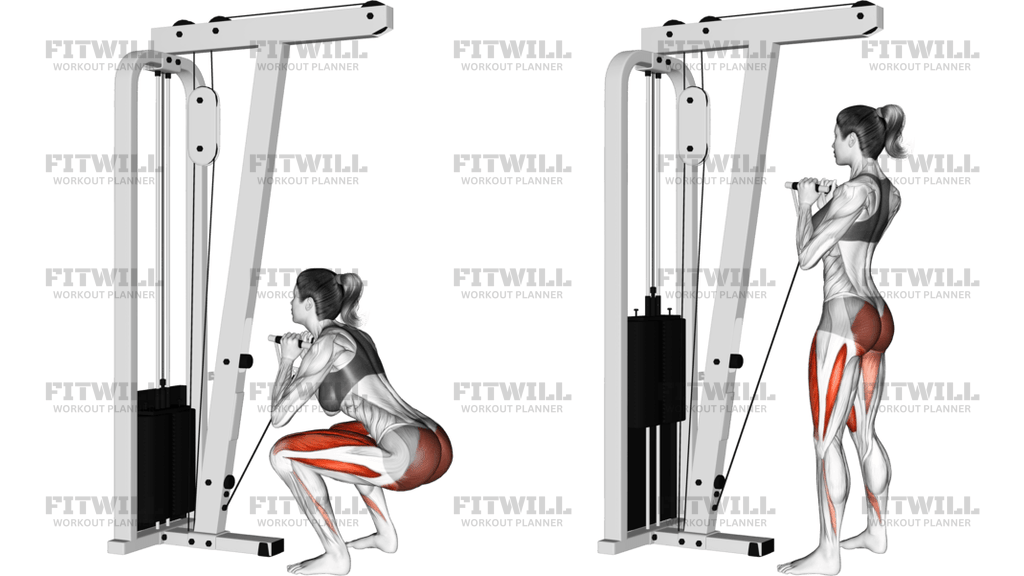
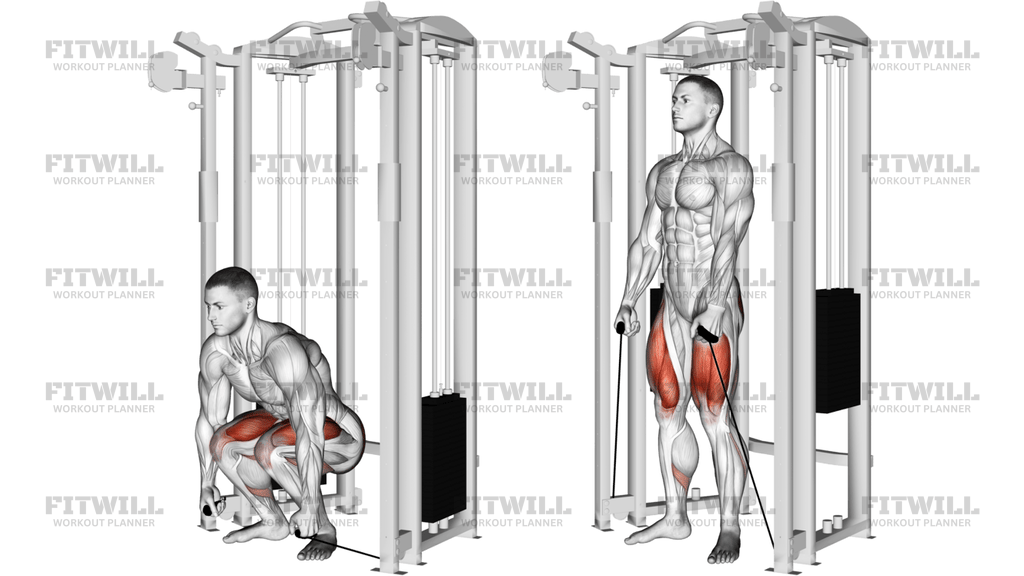
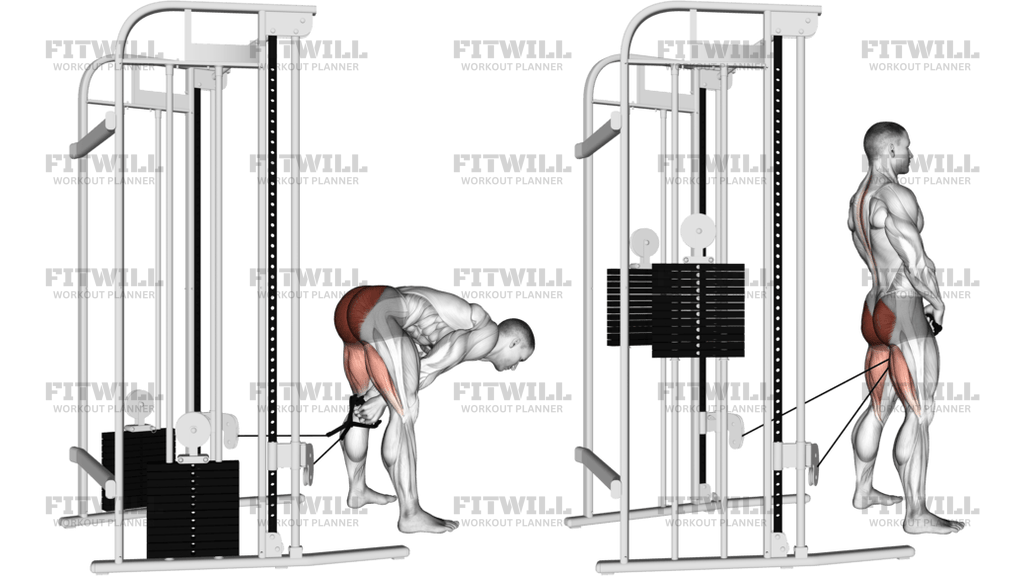
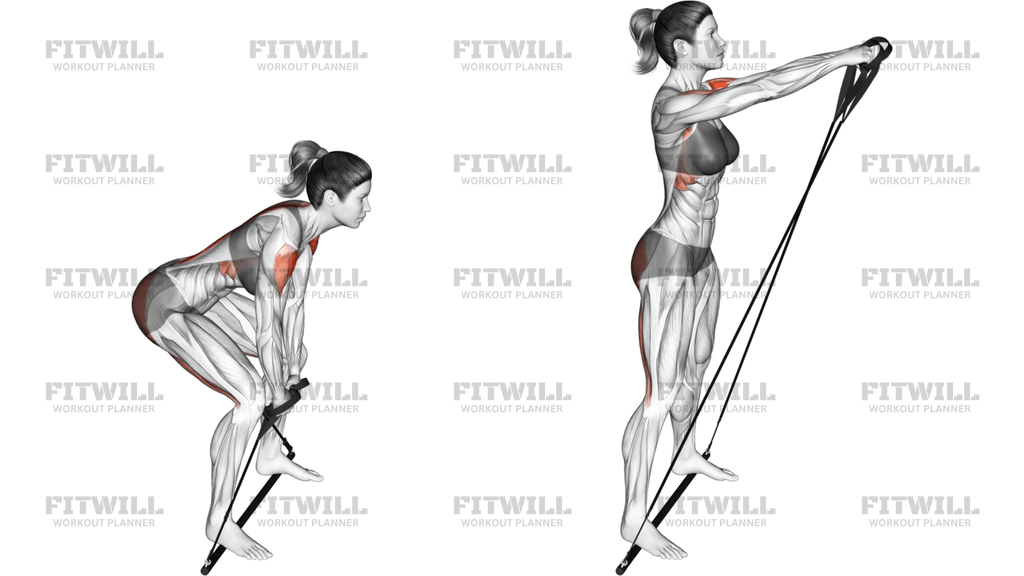
Cable Stand-Up is a low-pulley squat-to-stand exercise that uses a cable machine and handle attachment to challenge the hips, glutes, quads, and core while the cable tries to pull the body forward. The setup matters because the handle is held close to the chest, the torso has to stay organized, and the lower body must produce the rise without turning the rep into a fast yank.
In this movement, the main work comes from the glutes and hips, with the quadriceps helping you extend the knees and stand out of the bottom of the squat. The core and upper back keep the ribcage stacked so the handle stays close and the cable path stays smooth. That combination makes the exercise useful for building lower-body strength, upright squat control, and better bracing under load.
The best reps start with the feet planted, the knees tracking over the toes, and the hips dropping to a comfortable depth before the stand begins. A good repetition feels like a controlled drive from the floor rather than a bounce or a pull from the arms. If the chest collapses, the knees cave, or the weight stack jerks, the load is too heavy or the stance is too narrow for the current strength level.
Cable Stand-Up fits well in lower-body accessory work, glute-focused sessions, or as a technical squat variation when you want constant tension without a barbell on the back. It is usually beginner-friendly when the load is light and the depth is adjusted to match mobility, but the movement still rewards deliberate pacing, stable foot pressure, and a clean return to the bottom on every rep.
[ Workout Log & Planner ]
Put your next workout in Fitwill
Keep your plan and training log ready when you are.


Instructions
- Set the cable to a low pulley and attach a handle, then stand facing away from the machine with the handle held at chest height.
- Place your feet about shoulder-width apart, turn the toes slightly out if needed, and keep the cable line centered so the pull stays straight.
- Hold the handle close to your sternum, keep your elbows tucked, and brace your ribs down before you descend.
- Push your hips back and bend your knees into a deep squat while keeping your heels flat and your chest lifted.
- Let the cable stay taut as you reach the bottom, but do not let your shoulders round forward or the handle drift away from your body.
- Drive through your midfoot and heels to stand up, extending the knees and hips together until you finish tall.
- Squeeze the glutes at the top without leaning back or locking the lower back into a hard arch.
- Lower yourself back into the squat with control and repeat for the planned number of repetitions.
Tips & Tricks
- Choose a load that lets you sit into the squat without the handle pulling your torso forward.
- Keep the handle glued to the chest; letting it drift forward turns the rep into an arm exercise.
- If the heels lift at the bottom, reduce depth or widen the stance slightly before adding more weight.
- Keep the knees tracking in line with the toes so the glutes and quads can share the work evenly.
- Use a slow descent to keep tension on the legs instead of dropping into the bottom and rebounding.
- Exhale as you drive upward, then reset your brace before the next descent.
- Stop a rep before the lower back starts doing the standing for you.
- A small toe-out angle often helps the hips open and makes the squat-to-stand path smoother.
Frequently Asked Questions
What muscles does Cable Stand-Up work most?
It emphasizes the glutes and hips, with the quads and core helping you rise out of the squat.
Can beginners perform this exercise?
Yes, beginners can use a light load and a comfortable squat depth as long as they keep the handle close to the chest.
Where should the handle stay during the rep?
The handle should stay close to the sternum with the elbows tucked, so the cable does not pull the torso forward.
What is the most common form mistake?
People usually let the chest collapse or the knees cave inward when the bottom of the squat gets hard.
Should my heels stay down?
Yes. Keep the heels planted through the squat and stand by driving through the midfoot and heels.
How deep should I squat?
Only as deep as you can keep the torso organized, the heels flat, and the cable path controlled.
Is this more like a squat or a hip exercise?
It is a squat-to-stand pattern that uses the hips heavily, so both the glutes and quads have to contribute.
What should I do if the cable yanks me forward?
Use a lighter load, stand a little farther from the stack, or shorten the squat depth until the pull stays manageable.