Hip Abduction Articulations
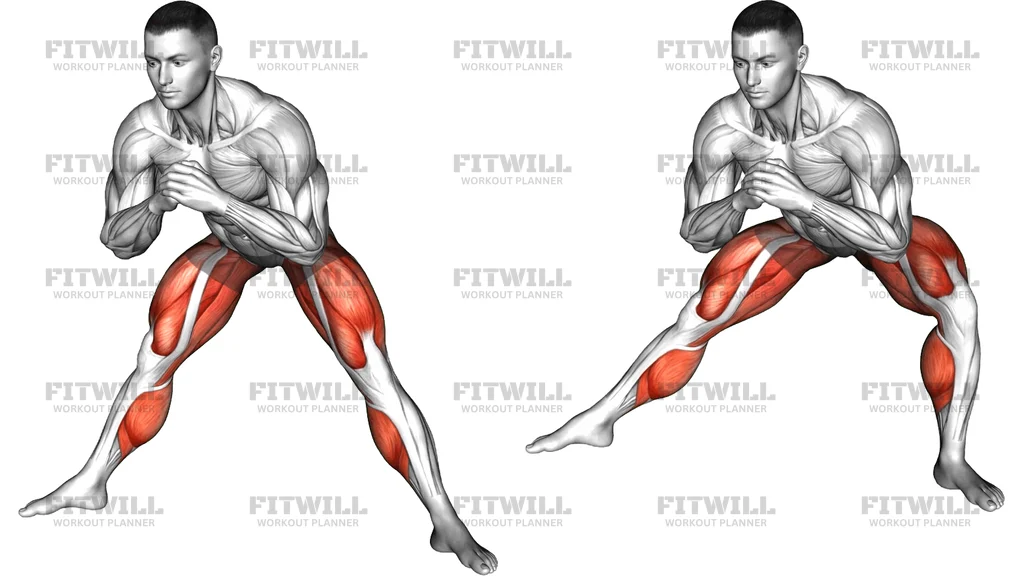
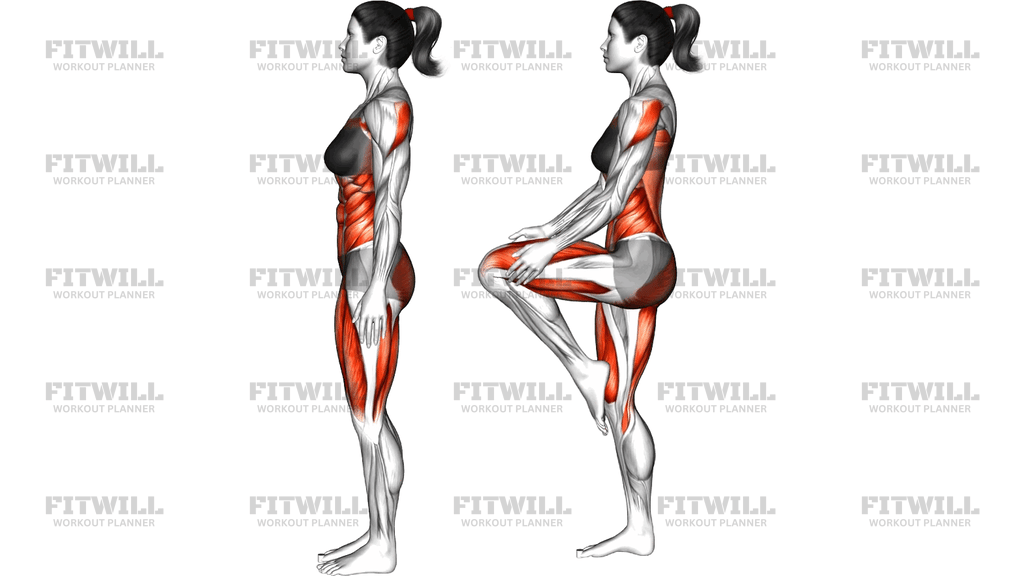
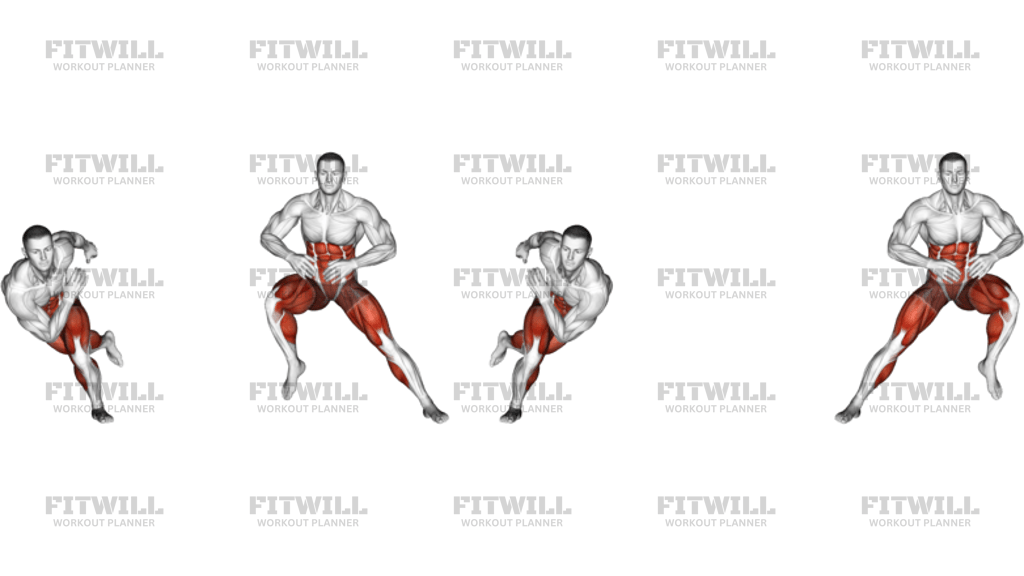
Hip - Abduction - Articulations is a standing bodyweight drill that teaches the hip to move out to the side without the pelvis tipping, the torso leaning, or the lower back taking over. It is a useful pattern for warming up the outer hip, improving single-leg control, and reminding the glutes how to stabilize the body while the free leg moves through a clean abduction path.
This exercise is most valuable when you want controlled hip motion rather than brute force. The working side should feel the outer hip and glute doing most of the work, while the standing leg and trunk keep you tall and steady. Because the load is just body weight, the quality of the position matters more than the size of the swing.
The setup is simple but specific: stand on one leg with the other leg relaxed and ready to move, keep the standing foot rooted, and square the ribs over the pelvis before you start. A small amount of balance challenge is normal, so the goal is to stay upright and avoid shifting your weight toward the side you are lifting. If needed, a fingertip on a wall can help you keep the movement honest without changing the hip path.
As you lift the working leg away from the body, keep the leg moving in a smooth arc rather than throwing it outward. Stop at the height where the pelvis stays level, pause briefly, then lower the leg with control until the foot returns under the hip. That controlled return is part of the exercise, because it trains the outer hip to guide the leg back to center instead of dropping into the start position.
Hip - Abduction - Articulations fits well in warm-ups, rehab-style sessions, movement prep, or accessory work before heavier lower-body training. It can also help lifters who struggle with hip stability during squats, lunges, step-ups, or running drills. The best repetitions look calm and repeatable, with no trunk sway, no turned-out pelvis, and no pain pinching at the front or side of the hip.
Fitwill
Log Workouts, Track Progress & Build Strength.
Achieve more with Fitwill: explore over 9600 exercises with images and videos, access built-in and custom workouts, perfect for both gym and home sessions, and see real results.
Start your journey. Download today!




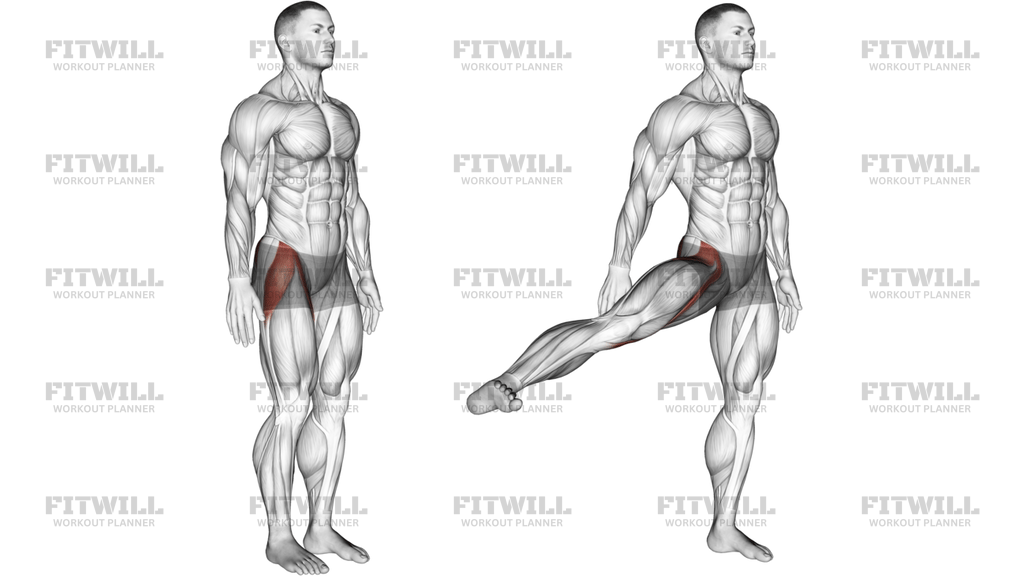
Instructions
- Stand tall on one leg with your weight centered over the planted foot and the other leg hanging free beside you.
- Square your ribs over your pelvis, keep your standing knee softly bent, and set your gaze forward.
- Point the working foot mostly forward so the hip can open to the side without twisting the whole leg.
- Lift the free leg out to the side in a smooth arc without leaning your torso or hiking the hip.
- Raise the leg only as high as you can while keeping the pelvis level and the standing foot fully grounded.
- Pause briefly at the top and feel the outer hip of the moving leg do the work.
- Lower the leg back under control until the foot returns beside the standing leg.
- Reset your balance, breathe out on the lift, and repeat for the planned reps before switching sides.
Tips & Tricks
- Keep pressure through the heel, big toe, and little toe of the standing foot so the pelvis does not drift.
- If your torso leans to the side, reduce the lift height and make the arc smaller.
- A slight toe-down angle on the moving leg usually keeps the work in the outer hip instead of the front of the thigh.
- Do not let the standing hip hitch upward; the pelvis should stay stacked as the leg lifts.
- The free leg should travel away from the body, not forward or backward in a swing.
- Use the wall lightly only if it helps you keep the movement slow and honest.
- Pause for a beat at the top so the glute medius has to control the position.
- Lower the leg slower than you lift it if the return phase turns into a drop.
Frequently Asked Questions
What muscles do Hip - Abduction - Articulations work?
The outer hip is the main target, especially the glute medius and glute minimus, with the standing leg and core helping you stay upright.
Is Hip - Abduction - Articulations a strength exercise or a mobility drill?
It is mostly a control and mobility drill with a light strengthening effect. The value comes from clean hip movement and pelvic stability, not from loading it heavily.
How high should I lift the moving leg in Hip - Abduction - Articulations?
Lift only as high as you can without leaning the torso or tilting the pelvis. A smaller, cleaner arc is better than forcing the leg up.
Why do I feel Hip - Abduction - Articulations in my hip flexor instead of my glute?
That usually happens when the leg swings too far forward or the toes turn out. Keep the movement slightly to the side, point the foot mostly forward, and shorten the range.
Can beginners do Hip - Abduction - Articulations without support?
Yes, but a wall or rack is useful if balance keeps you from moving the leg cleanly. Support should help you stay tall, not push or pull you through the rep.
Should my standing knee stay locked during Hip - Abduction - Articulations?
No. Keep a soft knee so the standing hip can stabilize without locking the joint rigidly.
What is the biggest form mistake in Hip - Abduction - Articulations?
The most common mistake is using momentum and side-bending the torso to fake a bigger range. Keep the pelvis level and let the outer hip move the leg.
Where does Hip - Abduction - Articulations fit in a workout?
It works well early in a warm-up, before squats or lunges, or in accessory work when you want better single-leg hip control.