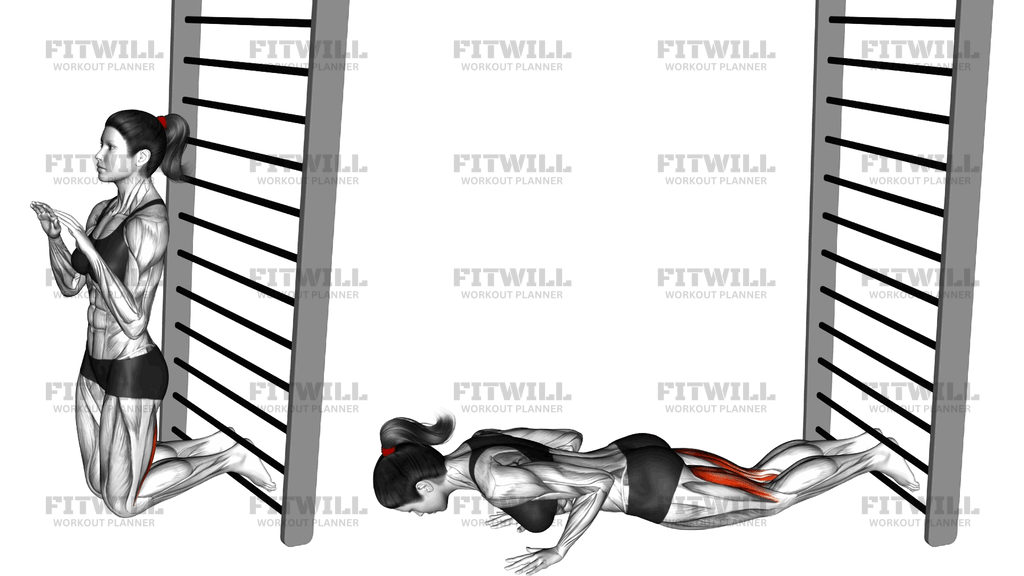
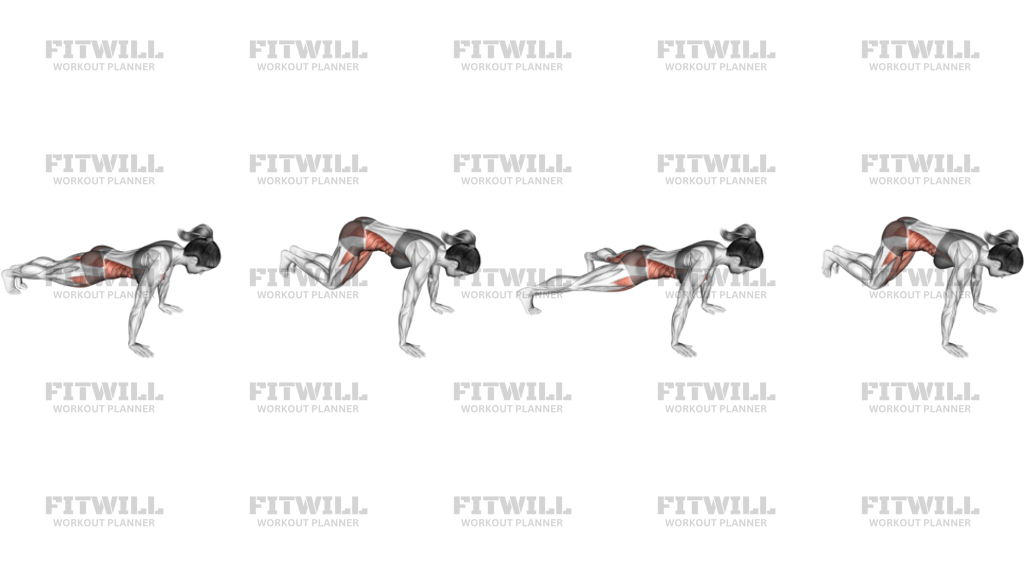
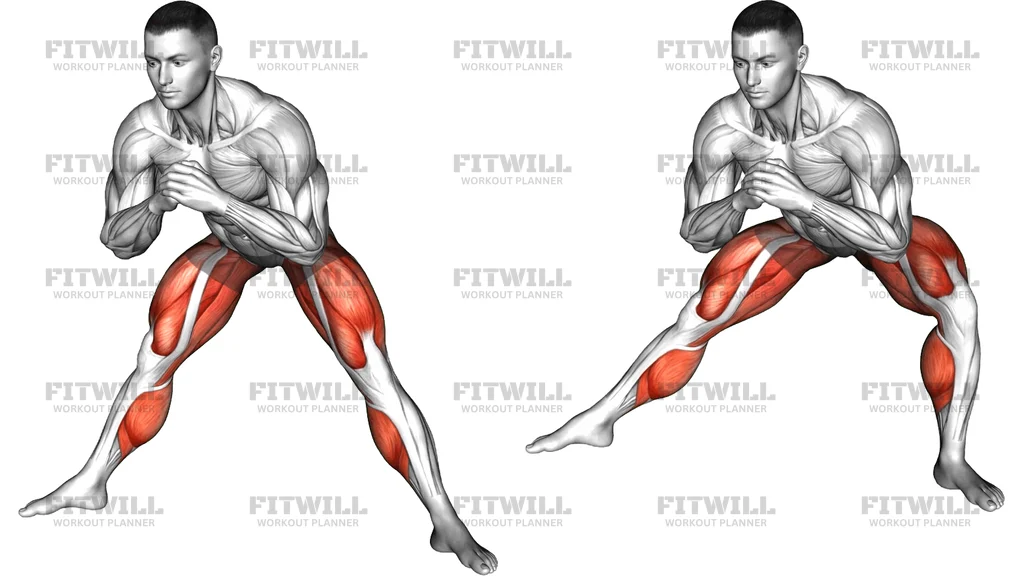
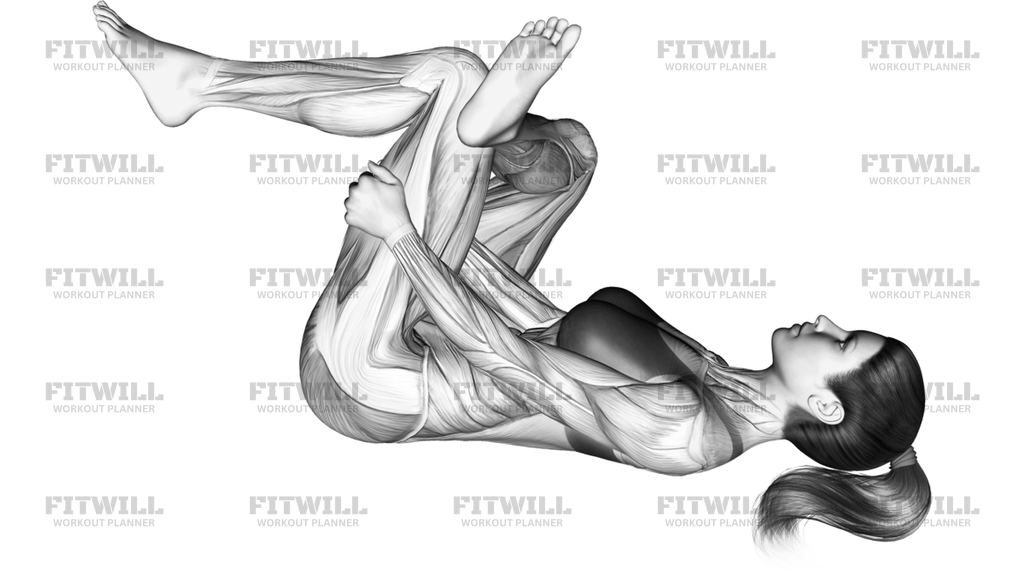
Seal Push-Up
Seal Push Up is a bodyweight push-up variation that uses a wider hand position and a slightly more open elbow path than a standard push-up. It is useful when you want a chest-dominant pressing movement that still asks the shoulders, triceps, and trunk to stay organized while the body moves as one line. The exercise is simple to set up, but the quality of the repetition depends on whether your hands, ribs, hips, and head stay aligned.
Even though the name can sound unusual, the movement is still built around a familiar push-up pattern. You start prone on the floor, place your hands wider than shoulder-width, and lower under control until the chest approaches the floor. That wider base changes the feel of the press and usually makes the descent feel a little more open through the shoulders and chest. For that reason, Seal Push Up works well as a bodyweight strength drill, a chest accessory, or a controlled pressing option when you want less equipment and more repetition quality.
Setup matters because the exercise becomes sloppy fast if the ribcage drops, the hips sag, or the hands are placed too far forward. A solid Seal Push Up begins with a firm plank from head to heels, palms planted evenly, and the shoulder blades controlled rather than shrugged. From there, each rep should descend in a smooth line, with the chest and hips lowering together and the elbows tracking out in a controlled flare that does not turn into a collapse.
The best reps feel steady, not rushed. Lower until you reach a depth you can own, pause only long enough to remove momentum, and press back to full arm extension without bouncing off the floor. Breathing should stay rhythmic so the trunk does not lose tension at the bottom. When you keep the movement strict, Seal Push Up becomes a reliable upper-body builder that also reinforces shoulder control and midline stability.
This exercise is especially useful for home training, warm-ups before heavier pressing, bodyweight circuits, and sessions where you want to accumulate quality reps without loading a barbell. Beginners can use a kneeling version or elevate the hands to reduce the load, while stronger lifters can slow the lowering phase or add a brief pause near the floor. If the wrists, shoulders, or lower back start to complain, the first fix is usually a cleaner setup and a smaller range before you change the exercise itself.
[ Workout Log & Planner ]
Put your next workout in Fitwill
Keep your plan and training log ready when you are.


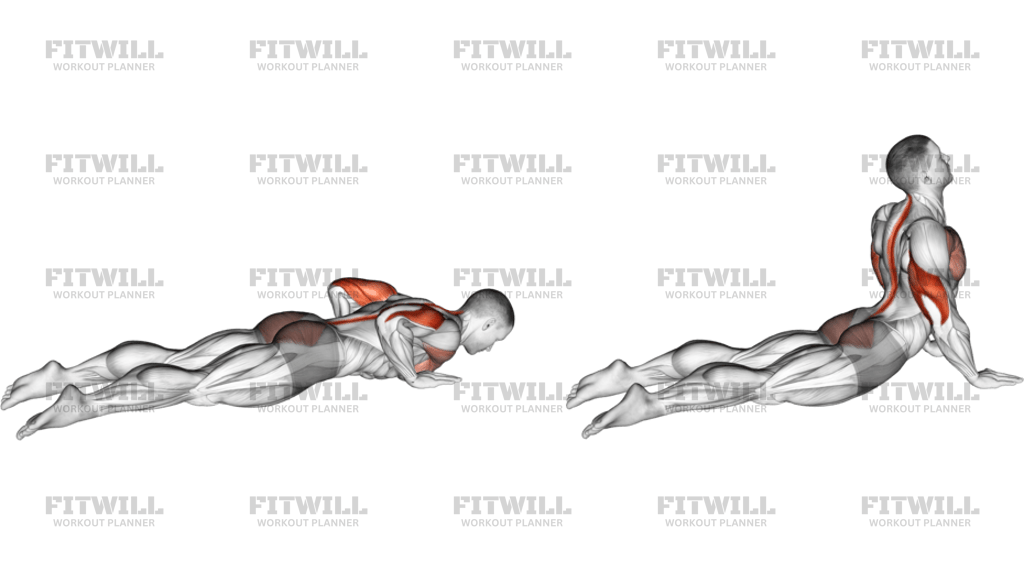
Instructions
- Lie face down on the floor with your legs straight, feet together, and your hands placed wider than shoulder-width apart under your shoulders.
- Plant both palms flat, spread your fingers for balance, and set your shoulders away from your ears before you start.
- Brace your abs so your ribs, hips, and thighs lift as one line from the floor.
- Press through the floor to extend your elbows and come into a strong high plank.
- Lower your chest and hips together until your torso is just above the floor, keeping the elbows angled out in a controlled flare.
- Pause briefly at the bottom without letting your lower back sag or your shoulders dump forward.
- Exhale and press the floor away until your arms are straight again.
- Keep your head neutral, then reset your plank before the next rep.
- Finish the set by lowering your knees or returning carefully to the floor if you need to stop.
Tips & Tricks
- A wider hand position should still feel stacked enough that your wrists are under control; if your shoulders feel pinched, bring the hands in slightly.
- Keep your chest and hips descending together. If the hips hit first, you have turned the Seal Push Up into a broken plank rather than a clean press.
- Stop the descent when your torso is just above the floor instead of forcing extra depth that collapses the shoulders.
- Keep the elbows from drifting into a full T-shape; a controlled flare is the goal, not a violent shrug at the bottom.
- If the wrists complain, use push-up handles or perform the movement on fists so the wrist angle stays more neutral.
- A slow lowering phase makes the exercise much harder and keeps the chest under tension longer than a fast drop.
- Use a kneeling version if you cannot keep the ribs from flaring or the low back from arching.
- Keep your gaze slightly ahead of your hands so the neck stays long instead of craning upward.
- If you want more chest work, pause a split second near the bottom before pressing back up.
- End the set when the plank line breaks; the benefit comes from controlled reps, not from grinding through sloppy ones.
Frequently Asked Questions
What muscles does the Seal Push Up work?
It mainly trains the chest, shoulders, and triceps, with the core and glutes helping you keep a straight body line.
Is the Seal Push Up beginner friendly?
Yes, but many beginners should start on their knees or with their hands elevated so they can keep the torso rigid and the range controlled.
How wide should my hands be in the Seal Push Up?
Place them wider than a normal push-up, but not so wide that your shoulders collapse or your wrists feel unstable. The best width lets you lower smoothly and press without losing the plank line.
Why do my hips drop before my chest in the Seal Push Up?
That usually means your core brace is giving out or the set is too hard. Shorten the range, use a kneeling version, or elevate the hands until the chest and hips can move together.
Should my elbows flare out during the Seal Push Up?
They should flare more than in a close-grip push-up, but they still need to stay controlled. Letting them fly straight out can irritate the shoulders and make the press unstable.
Can I do the Seal Push Up on my knees?
Yes. Kneeling is a good option when you want to keep the chest and shoulders working without losing posture or compensating through the low back.
What is the biggest mistake in the Seal Push Up?
The most common error is letting the ribs flare and the lower back sag while chasing more reps. That turns the movement into a loose press instead of a controlled bodyweight strength exercise.
How can I make the Seal Push Up harder?
Slow the lowering phase, add a brief pause near the floor, or move from a kneeling version to a full plank version once you can keep perfect body alignment.