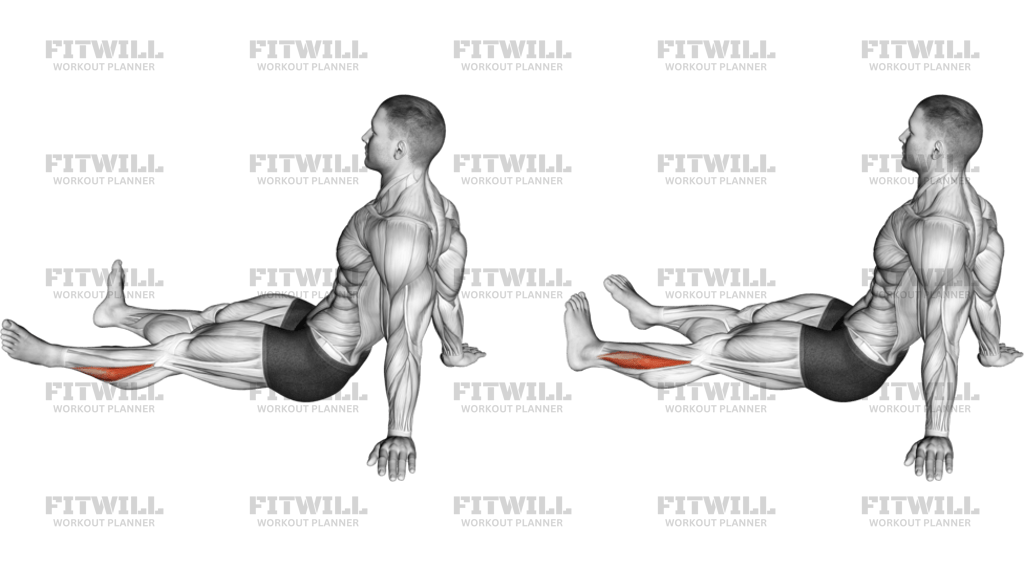
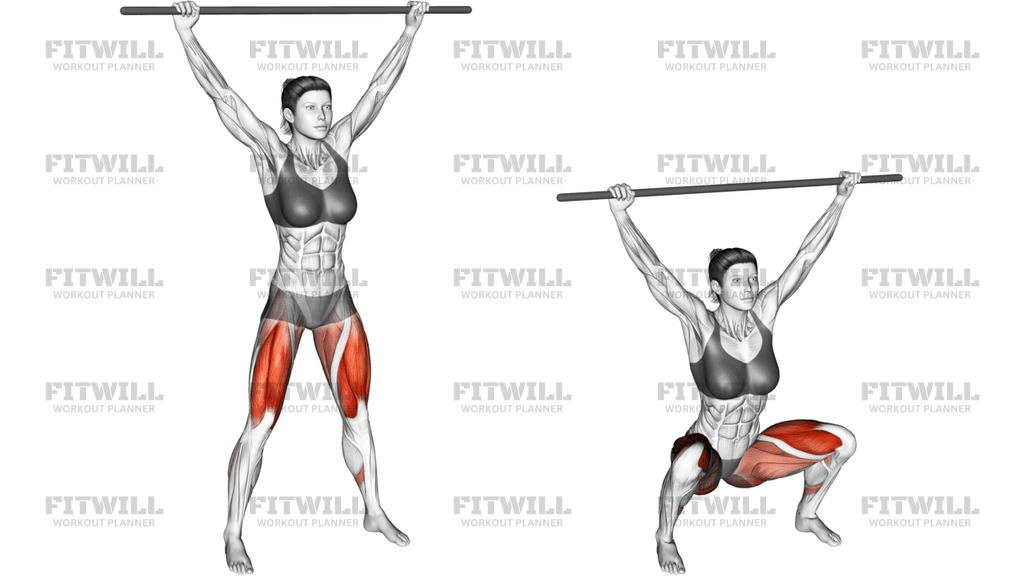
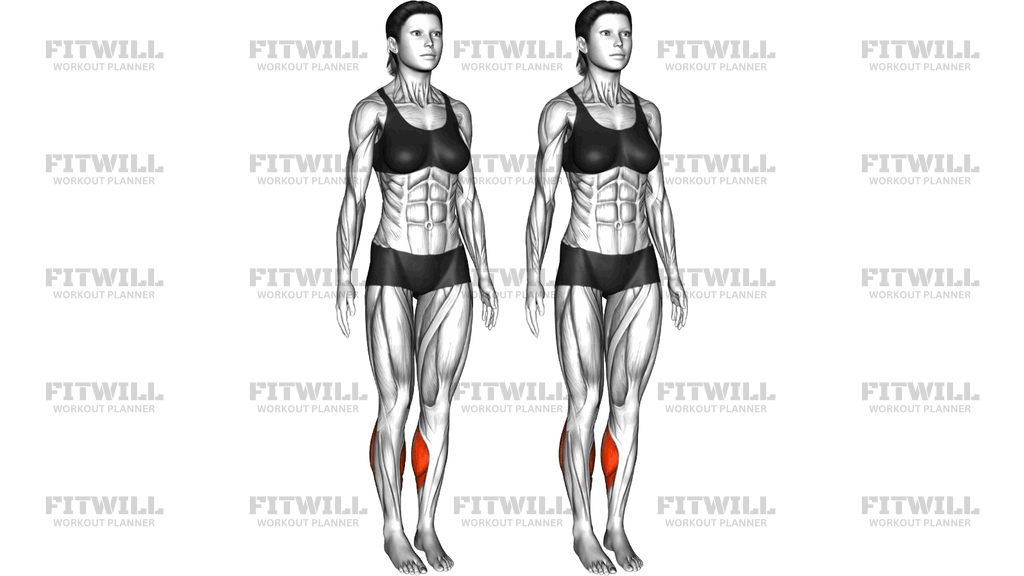
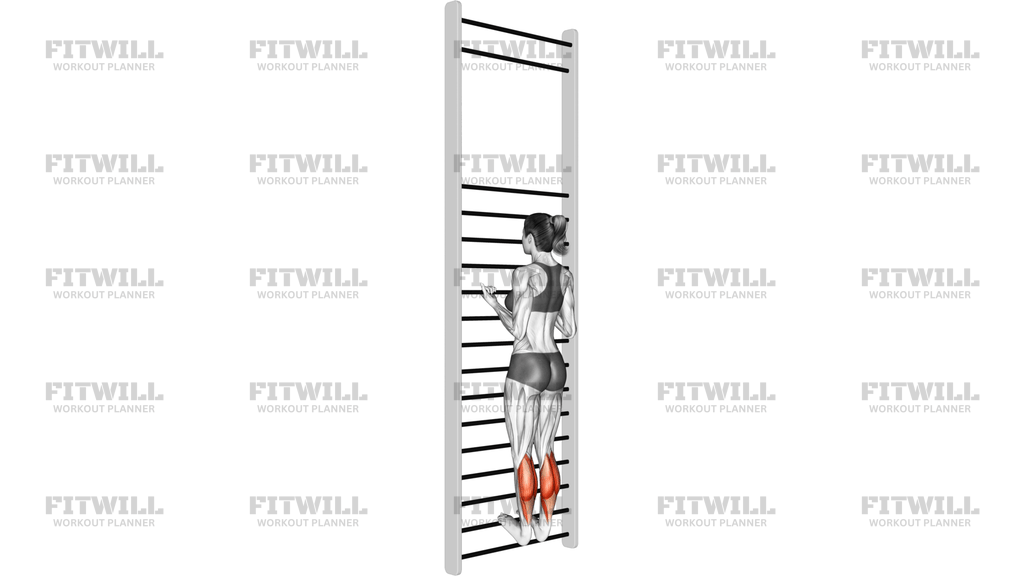
Seated Ankle Stretch
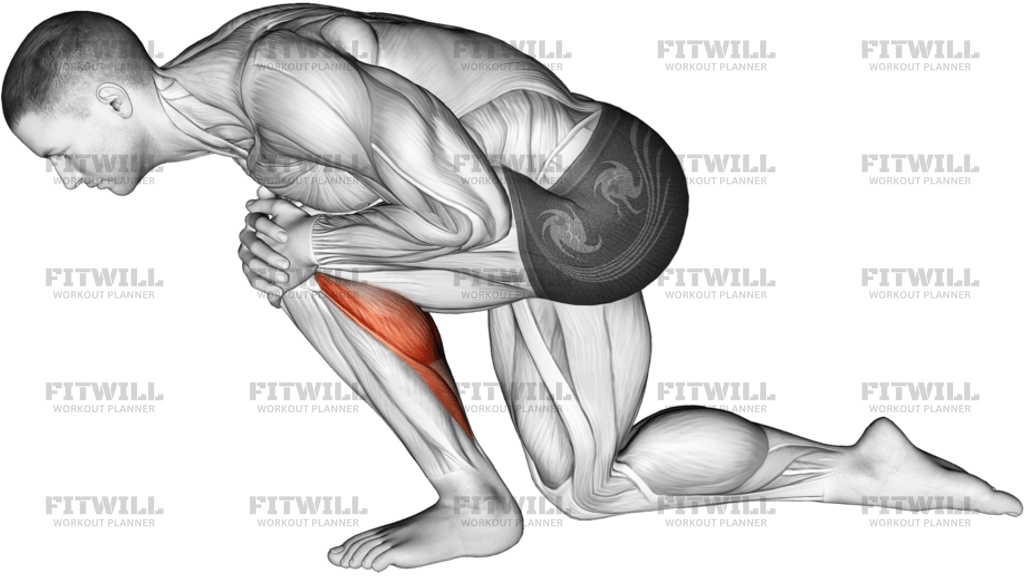
Seated Ankle Stretch is a kneeling floor mobility drill that opens the ankles, calves, and the tops of the feet by placing the shins and insteps on the mat and sitting the hips back toward the heels. It is most useful when the lower legs feel tight after running, squatting, lunging, or long periods of standing, because the position asks the ankle to tolerate both pressure and stretch at the same time.
The image shows a tall kneel with the torso upright and the hands resting lightly on the thighs. That setup matters: if the knees drift unevenly or the weight shifts too far to one side, the stretch can feel lopsided and the knees or tops of the feet may take more stress than the ankles.
Seated Ankle Stretch is not a fast, bouncing movement. The goal is to sit back only as far as you can keep the pressure tolerable, then breathe into the hold so the calves and ankle fronts soften without collapsing the posture or forcing the range.
Because the exercise is low load, it is easy to rush it and miss the actual stretch. Clean execution means staying tall, keeping the feet pointed straight back, and letting the hips move gradually toward the heels while the shins stay grounded and the breathing stays smooth.
Use Seated Ankle Stretch as a warm-up before lower-body training or as a cooldown after work that leaves the ankles stiff. Beginners can keep the hips higher and use a folded towel under the knees if needed, but the stretch should always feel like a controlled opening through the lower legs rather than a sharp pinch in the knees or feet.
[ Workout Log & Planner ]
Put your next workout in Fitwill
Keep your plan and training log ready when you are.


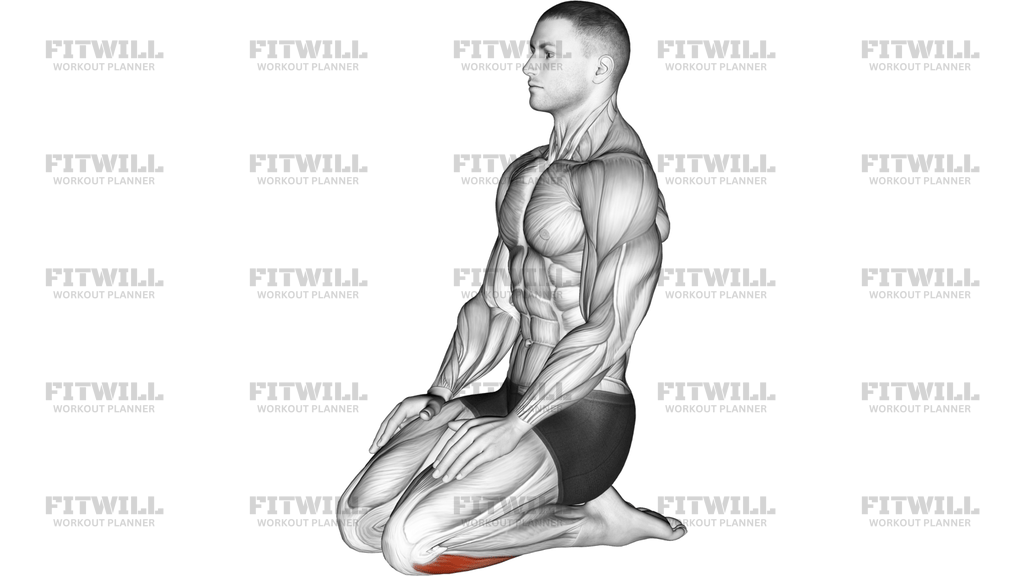
Instructions
- Kneel on an exercise mat with your knees about hip-width apart and the tops of your feet flat on the floor.
- Stack your torso over your hips and rest your hands lightly on your thighs for balance.
- Point your toes straight back so both shins and insteps stay evenly planted.
- Exhale and sit your hips toward your heels until you feel a stretch through the calves and front of the ankles.
- Pause at the first strong but tolerable end range instead of forcing your hips all the way back.
- Keep your chest lifted and your ribs stacked as you hold the stretch and breathe slowly.
- Let each exhale soften the lower legs a little more without rolling the feet inward or outward.
- Come back to a tall kneel with control before repeating or switching to the other side if your setup is asymmetrical.
Tips & Tricks
- A folded towel under the knees makes the hold more comfortable on a hard floor.
- If the tops of your feet are sensitive, keep your hips higher and build the range in small steps.
- Keep both toes pointing straight back; turning one foot out changes where the stretch lands.
- You should feel this in the calves, Achilles area, and ankle fronts, not a sharp bite in the knees.
- A long exhale usually lets the heels and shins relax more than trying to sit deeper on the inhale.
- Keep the weight centered between both shins so the stretch does not drift to one ankle.
- Use this after squats, running, or calf work when the ankles feel stiff and closed off.
- If a foot cramps or goes numb, come out of the stretch, reset, and shorten the hold.
Frequently Asked Questions
What muscle does Seated Ankle Stretch target most?
It mainly targets the calves, Achilles area, and the front of the ankles, with the tops of the feet also under a strong stretch.
Can beginners perform this exercise?
Yes. Beginners should keep the hips closer to the heels only as far as the knees and feet stay comfortable, then increase the hold gradually.
Why do I feel Seated Ankle Stretch on the tops of my feet?
Because the insteps are pressed into the floor, the stretch loads the foot and ankle together instead of isolating the calves alone.
How should my knees be positioned in Seated Ankle Stretch?
Keep them about hip-width apart and lined up with your shins so the pressure stays even and the stretch does not twist the feet.
What should I do if Seated Ankle Stretch hurts my knees?
Shorten the range, add padding under the knees, or stop the set. Knee pain usually means you are sitting back too far or need a softer surface.
How long should I hold Seated Ankle Stretch?
A 20 to 40 second hold works well for most people, especially after training when the ankles and calves are already warm.
Is Seated Ankle Stretch useful before squats?
Yes, especially if your ankles feel stiff or your heels want to rise. Use a gentle hold first so you open the range without irritating the feet.
Can I use Seated Ankle Stretch for recovery?
Yes. It works well in a cooldown after running, jumping, calf raises, or lower-body lifting when the ankles feel tight.