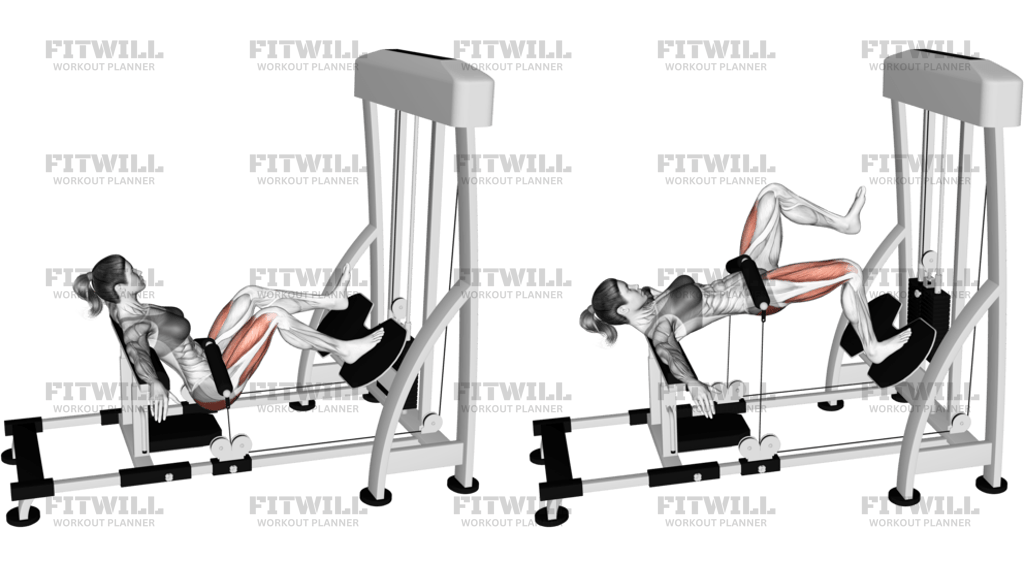
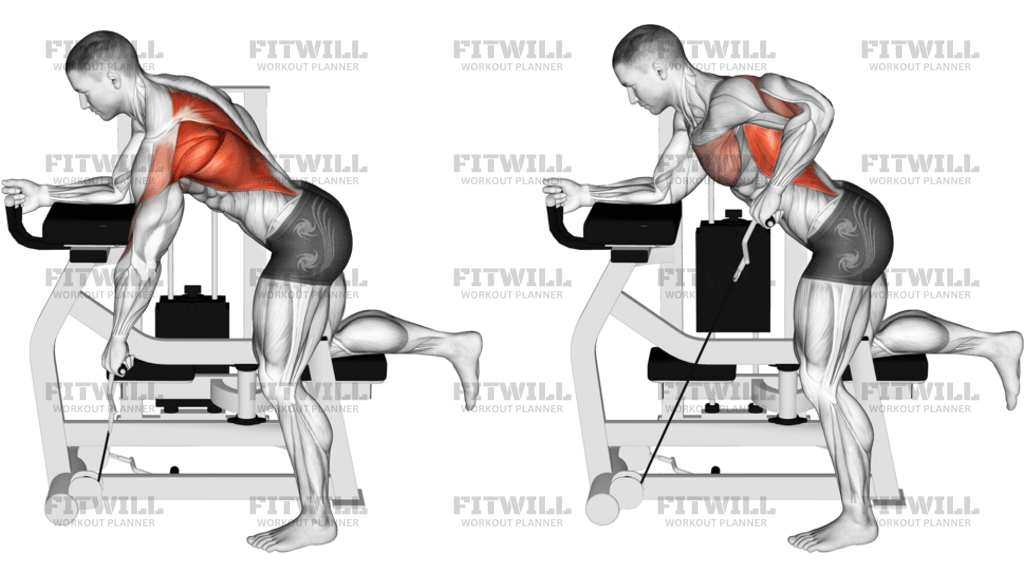
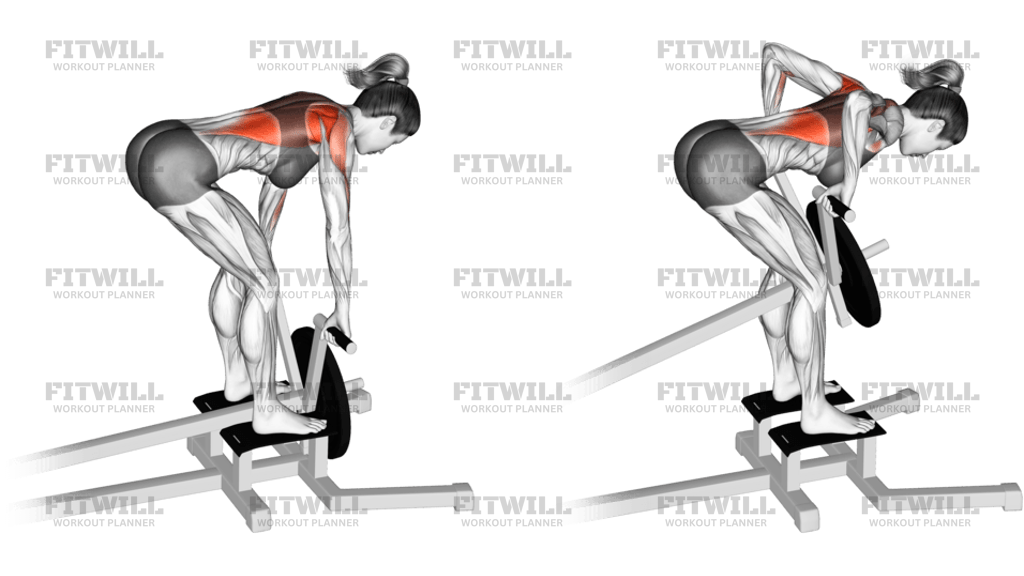
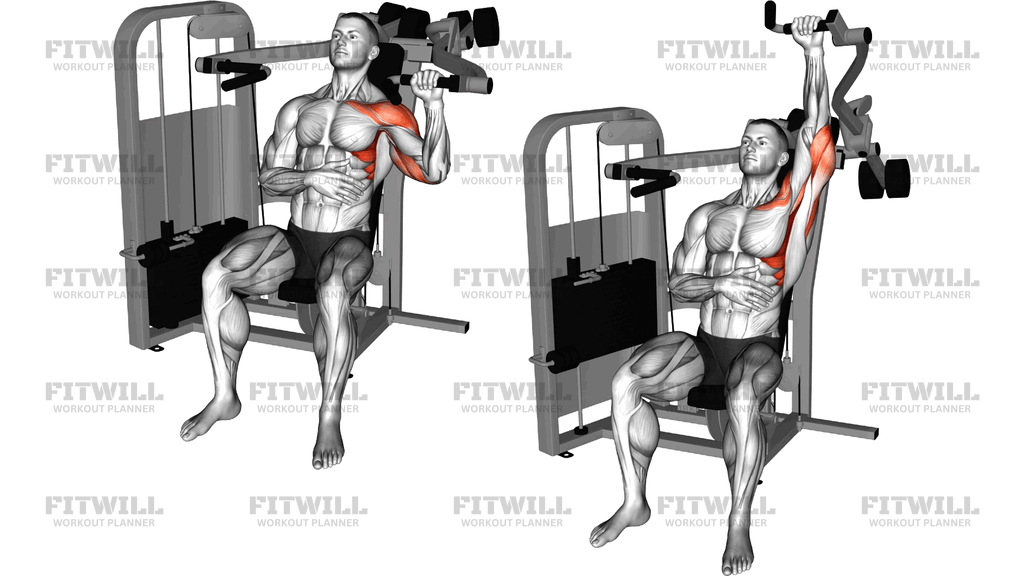
Lever Alternating Narrow-Grip Seated Row Plate Loaded
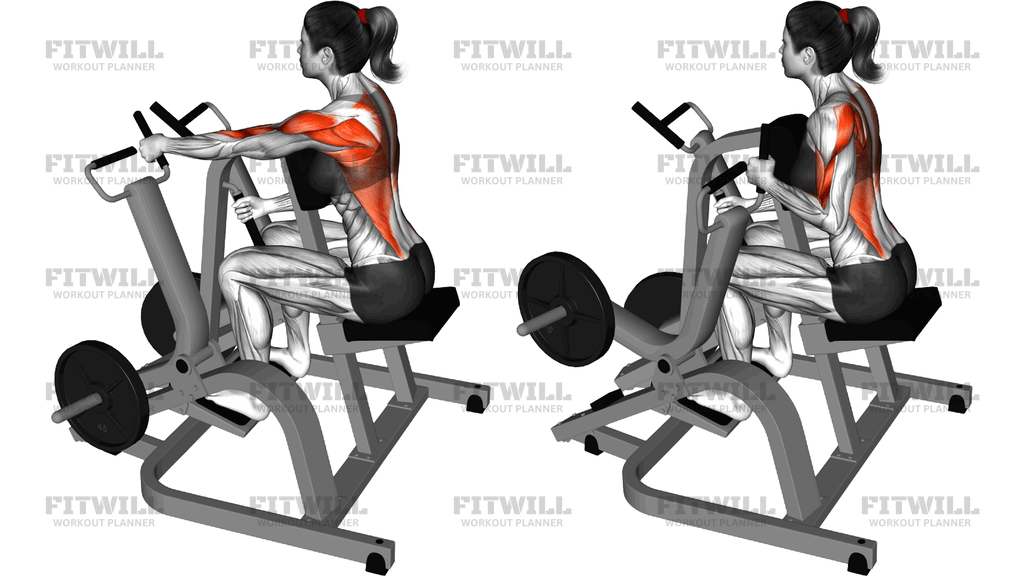
Lever Alternating Narrow-Grip Seated Row (plate loaded) is a chest-supported rowing exercise that trains the upper and mid-back with a narrow neutral grip and an alternating arm pattern. The plate-loaded lever keeps the path consistent, while the chest pad reduces cheating so each rep is driven by the back instead of by torso swing. It is especially useful when you want one side to work at a time without losing the stability of a machine-based row.
The exercise emphasizes the lats, rhomboids, mid traps, rear delts, and biceps, with the torso and grip working to keep the body organized on the pad. Because the handles move independently, the working side has to pull cleanly while the other arm stays controlled in the stretched position. That makes this a good choice for building back thickness, improving left-right balance, and keeping tension high without requiring heavy free-weight loading.
Setup matters. Sit deep on the seat, place your chest firmly against the pad, plant your feet on the platform, and take the handles with a narrow neutral grip. Adjust your position so the handles start where you can reach them without rounding your shoulders forward. Before the first pull, set your ribcage down, keep your neck long, and let the shoulder blades move naturally without losing contact with the pad.
Each repetition should feel like a smooth pull from the upper arm and back, not a body heave. Drive one elbow back toward your lower ribs, keep the wrist straight, and avoid twisting the torso toward the working side. Pause briefly when the handle is close to the body, then return under control until the shoulder blade can reach forward again. Exhale as you pull, inhale on the return, and switch sides only when you can keep the same posture and tempo.
This movement fits well in back day warmups, hypertrophy blocks, or unilateral accessory work after heavier rows and pulldowns. Use it to reinforce clean scapular motion, steady control, and balanced pulling strength. If the machine or handle position forces shoulder pinching, shorten the range slightly and keep the chest pinned rather than chasing extra distance.
[ Workout Log & Planner ]
Put your next workout in Fitwill
Keep your plan and training log ready when you are.


Instructions
- Sit on the machine with your chest against the pad, feet flat on the platform, and your hips centered on the seat.
- Grasp the narrow neutral handles with straight wrists and set the seat height so the starting position lets you reach forward without rounding your shoulders.
- Press your chest into the pad, keep your ribs down, and let your shoulder blades reach forward slightly before the first pull.
- Pull one handle back toward your lower ribs by driving the elbow behind your torso, while keeping the other arm controlled in the stretched position.
- Keep your torso square to the pad and avoid rotating or leaning to help the rep.
- Squeeze the back briefly when the handle reaches your side, but do not yank the elbow farther behind the body.
- Return the handle slowly until the arm is extended and the shoulder blade can move forward again without losing posture.
- Switch sides and repeat for the planned number of reps, breathing out on the pull and in on the return.
Tips & Tricks
- Set the seat so the handles line up with your lower chest or upper ribs, not your shoulders.
- Keep the chest glued to the pad; if you have to lean back to finish the pull, the load is too heavy.
- Think about driving the elbow back and slightly down, which usually hits the lats and mid-back better than pulling with the hand.
- Let the reaching arm stay long and quiet instead of letting it collapse into the shoulder.
- Use a controlled stretch on the way forward so the shoulder blade can protract without losing tension.
- Keep the wrist in line with the forearm; bending the wrist back often turns the set into a grip exercise.
- Pause long enough to feel the back, but not so long that you shrug the shoulder up toward the ear.
- If one side always finishes stronger, match the weaker side's reps and tempo instead of adding extra weight.
Frequently Asked Questions
What muscles does the Lever Alternating Narrow-Grip Seated Row train?
It mainly trains the lats, rhomboids, mid traps, rear delts, and biceps, with the chest-supported position helping you keep tension on the back.
Should my chest stay on the pad the whole time?
Yes. Keeping your chest on the pad prevents torso swing and makes each arm do the work instead of turning the row into a partial cheat rep.
How do I know the seat is set correctly?
You should be able to reach the starting handles with a long arm and neutral shoulders, and the working handle should come back to your lower ribs without forcing you to shrug.
What is the biggest mistake on this machine?
Most people pull with their body or twist toward the working side. Keep the torso square and let the elbow travel back under control.
Why alternate arms instead of rowing both sides together?
Alternating lets you focus on one side at a time, clean up side-to-side differences, and keep a steadier contraction without losing the machine's support.
Can beginners use this exercise?
Yes. The machine path and chest support make it beginner-friendly as long as the load is light enough to keep the shoulders down and the reps smooth.
What if I feel the front of my shoulder instead of my back?
Shorten the range a little, keep the chest pinned to the pad, and finish the pull by driving the elbow back rather than reaching farther with the hand.
Where does this fit in a workout?
It works well after heavier rows or pulldowns, or as a controlled accessory movement when you want more unilateral back work without free-weight instability.