Warming-Up In Lunge Six
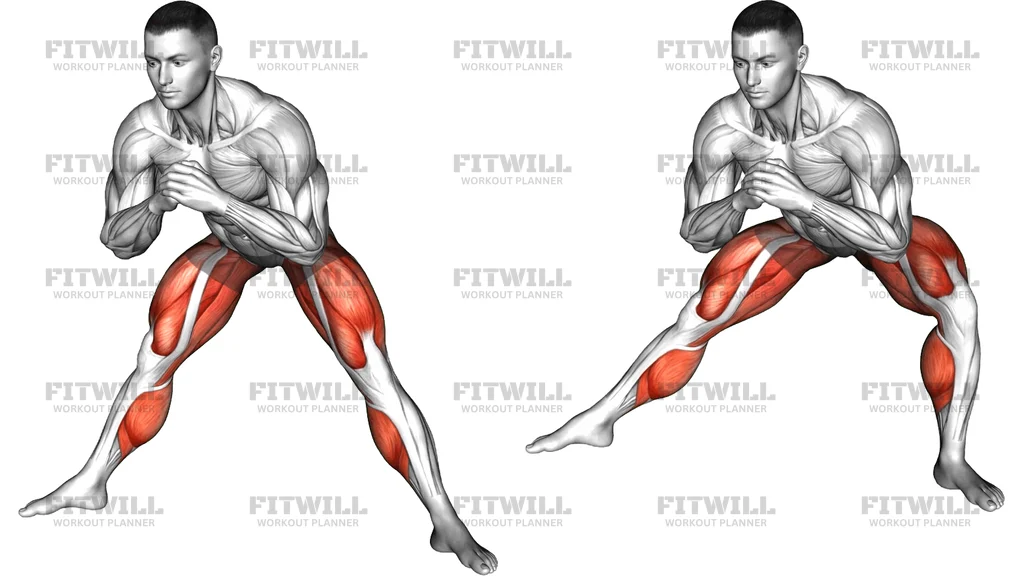
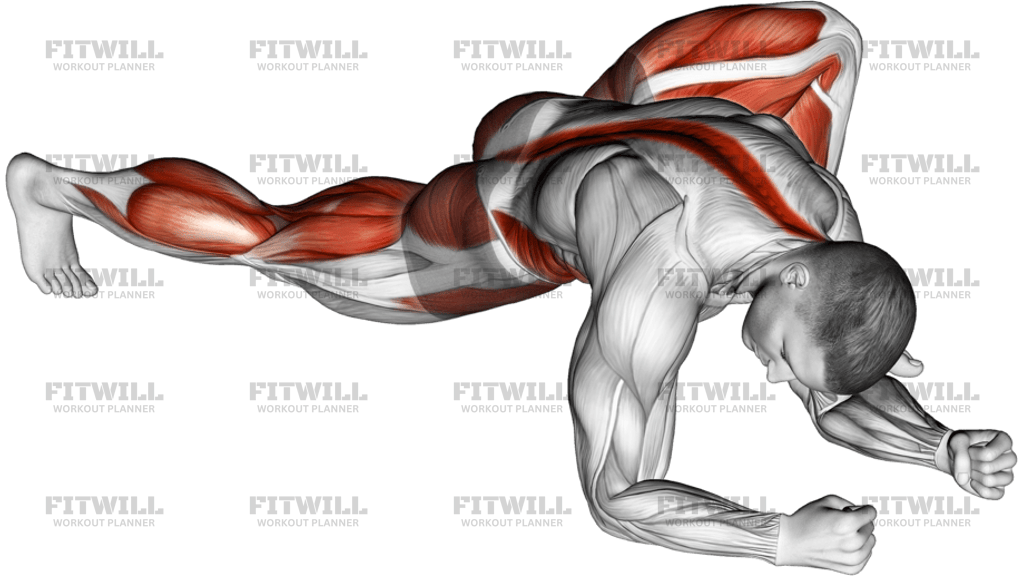
Warming-Up In Lunge Six is a bodyweight mobility drill built around a long, low lunge with the torso supported close to the floor. In the image, the body is set in a split stance with the front leg deeply bent, the back leg extended, and the forearms taking some of the load so the hips can open without the upper body fighting for balance. That makes it a useful warm-up position for sessions that need better hip extension, steadier trunk control, and a smoother transition into squats, lunges, running, or ground-based training.
The drill is less about forcing a big stretch and more about organizing the body in a difficult position. The front foot stays planted, the front knee tracks in line with the toes, and the pelvis stays square enough that the stretch lands in the front of the back hip instead of being dumped into the lower back. Because the forearms are down, the shoulders and core also have to do quiet stabilizing work while the lower body opens up. That is why the movement is useful as a warm-up rather than as a passive hold only.
Getting the setup right matters. A short stance makes the position feel cramped and can push the knee too far forward, while an overlong stance often turns the exercise into a back-hip strain. The best version usually feels like a strong but manageable stretch through the rear hip flexor, a little load in the front glute, and enough core tension to keep the ribs from flaring. If the forearms do not reach the floor comfortably, use the hands or a block first and lower gradually as mobility improves.
When performed well, Warming-Up In Lunge Six helps the body learn how to keep the pelvis steady while the hips move through range. That makes it a practical prep drill before lower-body lifting, sprinting, or any workout where stride length and hip position matter. It can also be used on recovery days as a controlled mobility sequence, especially when the hips feel stiff after sitting or after a heavy training week.
The key safety point is to keep the motion clean and easy to breathe through. The position should feel productive, not pinchy. If the front knee or low back complains, shorten the stance, raise the torso, or reduce the depth of the lunge. Beginners can use it with a smaller range and a slower shift, while more advanced lifters can hold the bottom position longer or add gentle pulses without losing the square, grounded setup.
[ Workout Log & Planner ]
Put your next workout in Fitwill
Keep your plan and training log ready when you are.


Instructions
- Start in a low lunge with one foot forward between your forearms and the other leg extended straight back behind you.
- Bring both forearms to the floor, or use your hands first if the floor is too low for a clean setup.
- Keep the front heel grounded and the front knee stacked over or slightly behind the ankle.
- Square your hips forward so the rear hip flexor stays the main stretch target.
- Set your ribs down, brace lightly, and keep the neck long instead of dropping the chest and head forward.
- Shift the hips forward a few inches until you feel a strong but controlled stretch in the back leg.
- Hold the bottom position or make small controlled rocks in and out of the stretch without losing alignment.
- Breathe slowly through the nose or with a steady exhale, then switch sides when the set is complete.
Tips & Tricks
- Place the front foot far enough forward that the front knee can stay open without jamming into the ankle.
- If the forearms do not reach the floor cleanly, stay on your hands or use a block until the hips open more.
- Keep the rear leg long and active instead of letting the hip collapse into the floor.
- A slight posterior pelvic tilt can make the stretch land in the front of the hip instead of the low back.
- Do not twist the torso toward the front leg unless the workout specifically calls for a rotation variation.
- Move only as far as you can keep the front heel down and the pelvis reasonably square.
- Use the exhale to sink a little deeper rather than forcing the stretch with momentum.
- Pad the back knee if it touches down on a hard surface for longer holds.
Frequently Asked Questions
What does Warming-Up In Lunge Six work most?
It mainly targets the hips, especially the rear-hip flexor stretch, while the glutes and core help stabilize the position.
Can beginners perform this exercise?
Yes. Beginners usually do best with a shorter stance, hands on the floor first, and a smaller range of motion.
Should my forearms be on the floor the whole time?
Only if that keeps the position clean. If your hips or hamstrings limit you, stay on your hands until you can lower without rounding or twisting.
Where should I feel the stretch?
You should feel it mostly in the front of the rear hip and a little through the front leg and inner thigh, not as a sharp pinch in the low back.
What is the biggest setup mistake?
A stance that is too short or too long. Too short crowds the knee; too long often pulls the lower back into the stretch instead of the hips.
Can I add movement instead of just holding the stretch?
Yes. Small forward-and-back rocks work well as long as the front heel stays down and the pelvis does not wobble.
Is this more of a warm-up or a strength exercise?
It is primarily a warm-up and mobility drill. The bodyweight support still challenges the core, but the main goal is controlled opening of the hips.
How do I make it harder without changing the movement?
Deepen the lunge slightly, hold the bottom position longer, or add slow pulses while keeping the torso stacked and breathing steady.