Lying Leg Tuck Hip Stretch
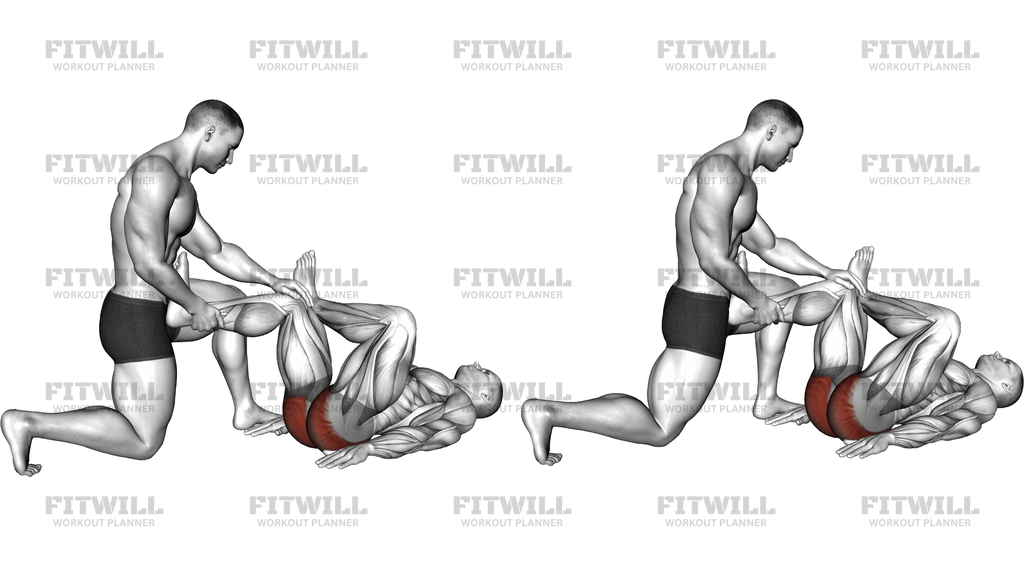
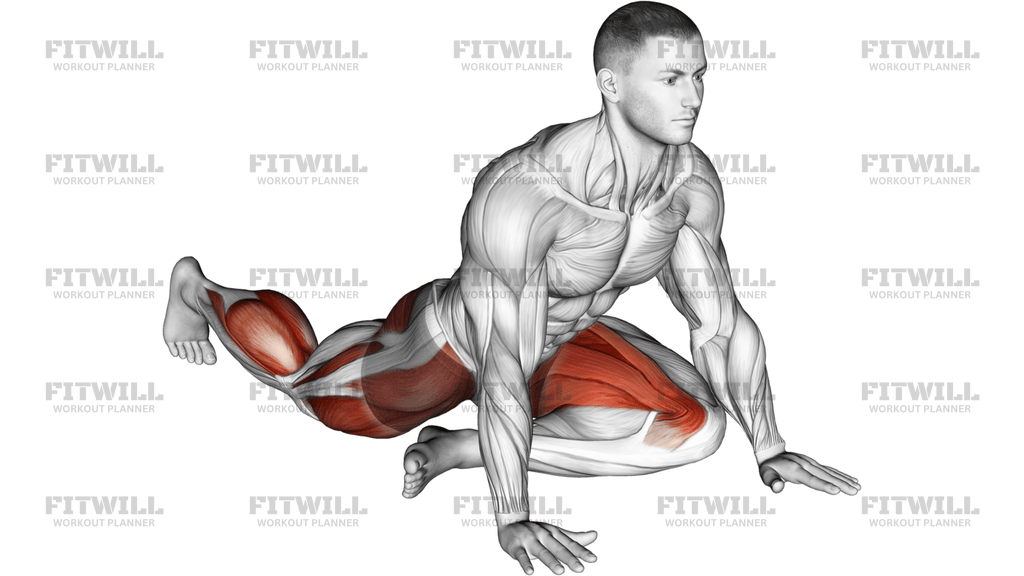
Lying Leg Tuck Hip Stretch is a bodyweight hip-mobility drill performed on an exercise mat from a supported floor position. The image shows a 90/90-style setup: one leg is folded in front of the body, the other is folded behind, and the hands stay on the floor so the torso can stay tall while the hips open. The purpose is not to chase a dramatic range of motion, but to find a controlled position that lets the hips, glutes, and surrounding rotators relax under a steady stretch.
This exercise is useful when the hips feel stiff after sitting, lower-body lifting, running, or change-of-direction work. The front leg position often emphasizes the outer glute and deep hip rotators, while small shifts in torso angle can change the stretch toward the front of the hip, inner thigh, or rear hip. Because the pose is supported by the hands, it is easier to keep the pelvis organized and avoid dumping all the pressure into one knee or one side of the low back.
Good reps are created by breathing and position changes, not by forcing the knees closer to the floor. Sit tall first, then lean forward only as far as you can keep the chest long and the hips square. If the stretch feels too strong, move the hands farther away or back off the hinge slightly. If one side is much tighter, spend a little longer there, but keep the movement smooth instead of bouncing or twisting hard into the end range.
Use this stretch as part of a warm-up, cool-down, recovery session, or mobility block when the goal is better hip rotation and more comfortable floor positions. It can help prepare for squats, lunges, split-stance work, and any exercise that needs clean hip motion. Back off immediately if you feel sharp pinching in the front of the hip or pain in the knee, and use a towel or small pad under the sit bone if the floor position feels too aggressive.
[ Workout Log & Planner ]
Put your next workout in Fitwill
Keep your plan and training log ready when you are.


Instructions
- Sit on an exercise mat with one leg folded in front of you and the other leg folded behind you, matching the supported 90/90 floor position shown in the image.
- Place both hands on the floor beside your hips so you can support your body weight and keep the torso tall.
- Square your chest over the front shin and keep both sit bones as level as possible before you move deeper.
- Brace lightly through the midsection and lengthen the spine instead of collapsing toward the floor.
- Exhale and hinge your chest forward over the front leg until you feel a steady stretch in the hip and outer glute.
- Pause for a few breaths without bouncing, then make small posture changes to shift the stretch between the front hip, outer hip, and rear hip.
- Keep the back knee and front ankle relaxed; do not force either leg toward a painful range.
- Press through your hands to return to the upright start position with control, then switch sides and repeat.
- Reset the hips between sides so the second rep starts from an even, balanced position.
Tips & Tricks
- If the front knee or back knee feels pressured, move the foot or shin a little farther from your torso before you lean forward.
- Keeping your hands farther in front of you makes the stretch easier and lets you stay tall longer.
- A small forward hinge usually targets the front hip and outer glute more than a deep collapse toward the floor.
- If the front hip pinches, reduce the angle and stay more upright instead of forcing depth.
- Try to keep both hip bones facing mostly forward; excessive twisting turns the stretch into a compensation pattern.
- Slow exhalations help the hips settle without having to shove into a harder position.
- A folded towel under the sit bone can make the floor position more comfortable for tight hips.
- Use this as a controlled mobility hold, not a fast repetition drill.
Frequently Asked Questions
What does Lying Leg Tuck Hip Stretch work?
It mainly targets the hips, especially the glutes and the deep rotators around the front and outer hip.
Is this the same as a 90/90 hip stretch?
The supported floor position shown here is very close to a 90/90-style hip stretch, with the torso supported by the hands.
Why are the hands on the floor?
The hands let you keep the chest tall and control how much body weight you place into the hip stretch.
Should I feel this in the front leg or the back leg?
The front leg usually feels the strongest outer-hip and glute stretch, while small adjustments can shift tension to the front of the hip or the rear hip.
How long should I hold each side?
Hold each side for about 20 to 45 seconds, or long enough for the hips to relax without losing position.
Can beginners do this stretch?
Yes. Beginners should keep more weight on the hands, stay more upright, and use a smaller range until the hips open up.
What is the most common mistake?
The biggest mistake is forcing the knees or torso deeper and turning the stretch into a twist or a painful knee position.
When should I avoid this stretch?
Back off if you feel sharp front-hip pinching, knee pain, or a crampy sensation that gets worse as you settle into the position.