Full Squat Mobility
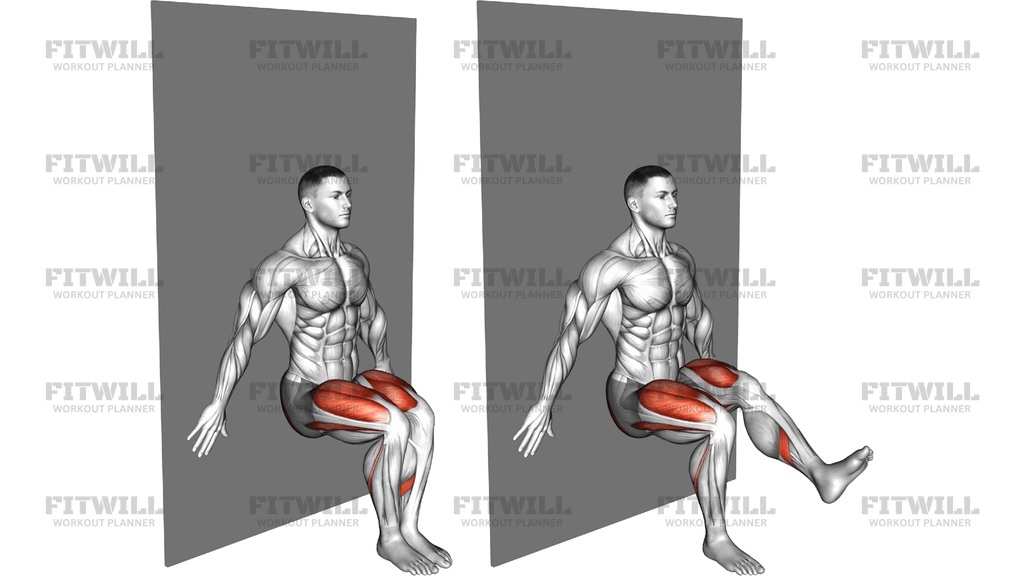
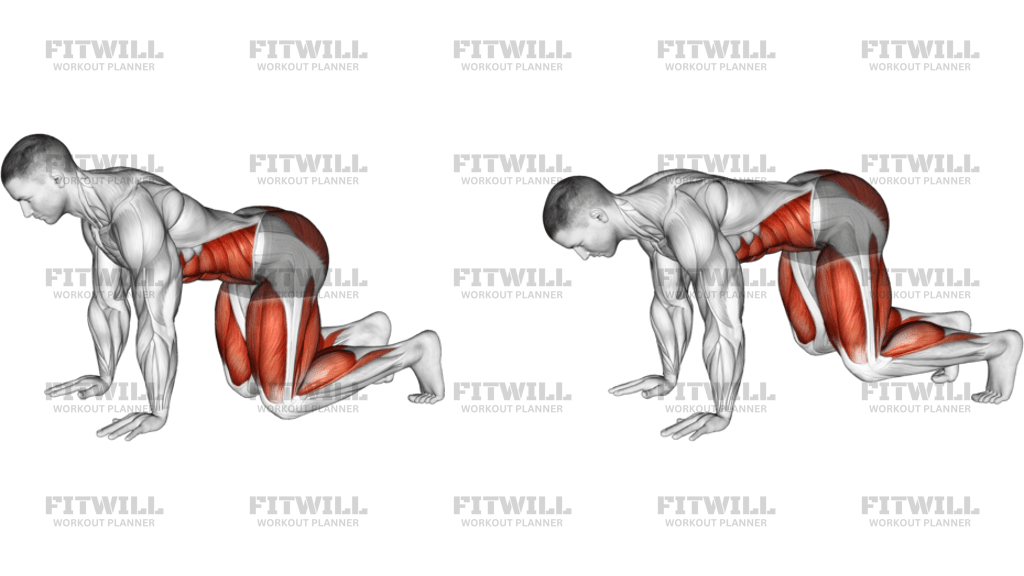
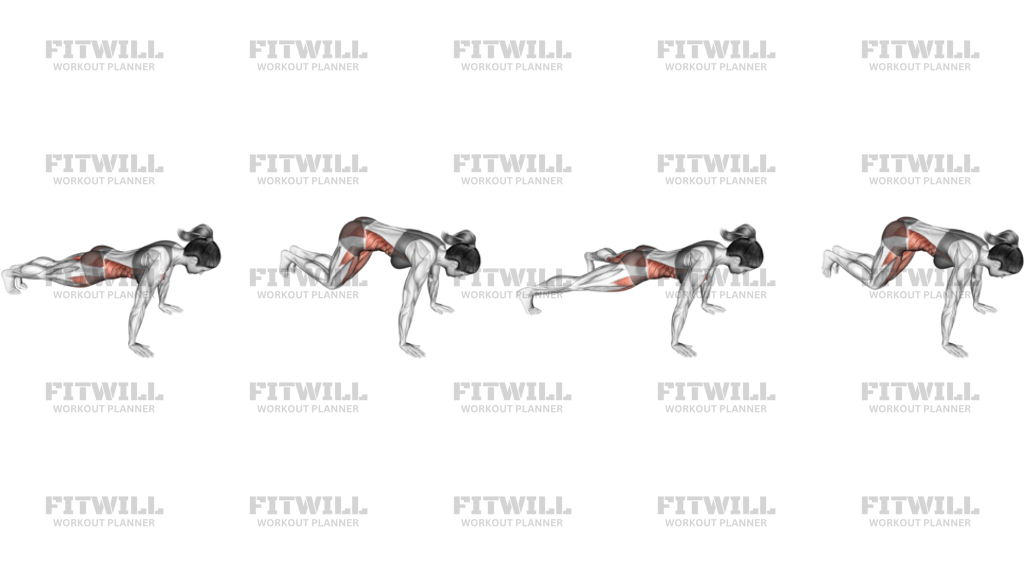
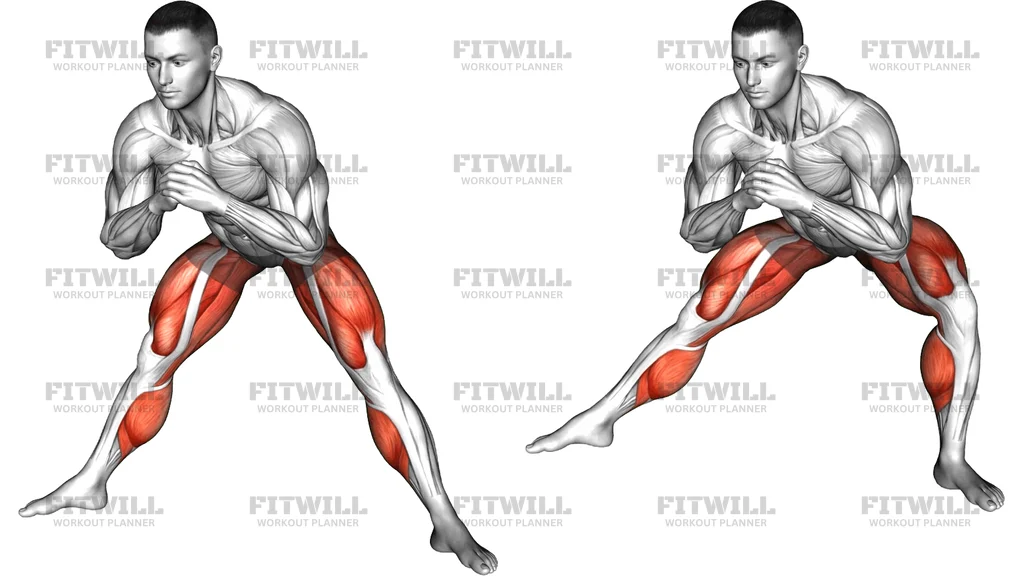
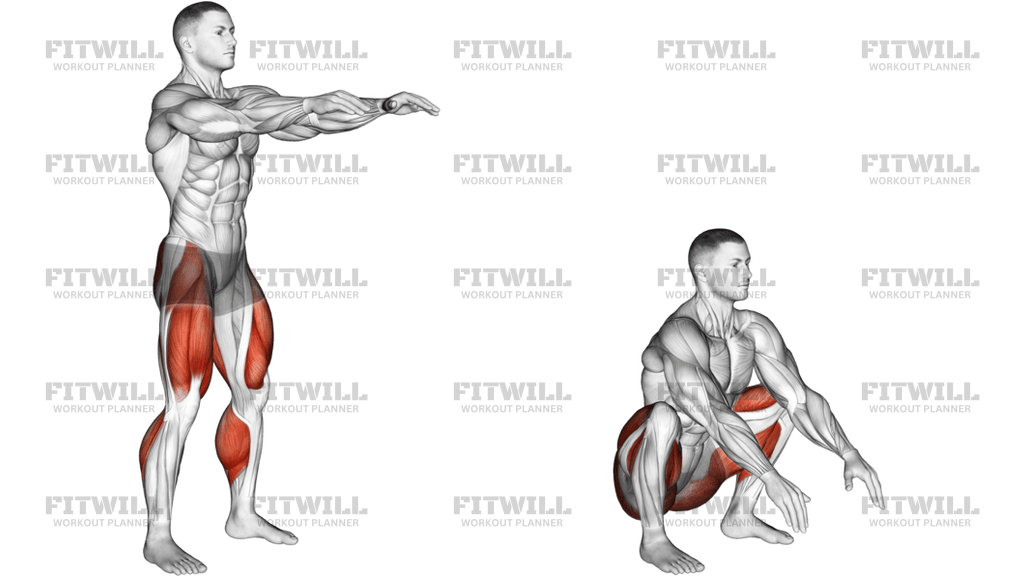
Full Squat Mobility is a bodyweight deep-squat drill for opening the ankles, hips, and adductors while teaching the body to stay organized in the bottom position. The image shows a counterbalanced squat with the arms held forward, which helps keep the chest lifted and the torso from collapsing as you sink into depth. It is less about loading the legs and more about owning the squat pattern with control.
This movement is useful when your squat feels tight, unstable, or hard to repeat consistently. A solid full squat depends on ankle dorsiflexion, hip flexion, and the ability to keep the knees tracking in line with the toes while the heels stay rooted. The forward reach of the arms gives you a clearer balance point and lets you explore depth without immediately pitching backward.
Start from a stance that feels natural, usually about shoulder width, then descend slowly until the hips settle between the heels or as close as your mobility allows. The bottom position should be active, not passive: keep the feet planted, press the knees outward gently, lengthen through the spine, and keep the ribs from flaring. If the heels lift, the knees cave, or the back rounds sharply, shorten the depth and earn the range over time.
Use this exercise as part of a warm-up, movement prep, or mobility circuit before squats, lunges, jumps, or other lower-body work. It can also be used on its own to practice breathing and position awareness in deep flexion. The goal is a repeatable squat that feels smooth from rep to rep, not a forced maximum-depth hold.
Because it is bodyweight, the main safety check is joint comfort and control. Stop short of any pinching in the front of the hip, pain in the knee, or excessive rounding that you cannot correct. A cleaner shallow squat is more valuable than a deep collapse. Over time, better ankle and hip mobility should let you sit lower with less effort and more balance.
Fitwill
Log Workouts, Track Progress & Build Strength.
Achieve more with Fitwill: explore over 9600 exercises with images and videos, access built-in and custom workouts, perfect for both gym and home sessions, and see real results.
Start your journey. Download today!




Instructions
- Stand tall with your feet about shoulder width apart, toes slightly turned out, and your arms held straight in front of you for balance.
- Brace lightly through your midsection and keep your chest lifted before you begin to descend.
- Sit your hips down and back while letting your knees travel forward in line with your toes.
- Keep both heels flat on the floor as long as possible and maintain pressure through the whole foot.
- Lower into the deepest squat you can control without losing balance, letting the arms stay long in front of you.
- At the bottom, keep the knees gently pressed out and the torso active instead of relaxing into the joints.
- Pause for a moment in the bottom position and take a steady breath before standing back up.
- Drive through the midfoot and heels to return to standing with the ribs stacked over the pelvis.
- Reset your stance before the next repetition and repeat for the planned number of reps.
Tips & Tricks
- If your heels pop up early, reduce depth and work on ankle mobility before chasing a deeper bottom position.
- Use your arms as a counterbalance; reaching them forward helps keep the chest from tipping backward.
- Let the knees track over the toes instead of forcing them to stay rigidly vertical.
- Keep the spine long, but do not over-arch the lower back to fake a taller chest.
- A slow descent makes it easier to notice where the squat gets tight or unstable.
- Pause only as long as you can stay active in the hips, feet, and trunk.
- Breathe into the bottom position without losing tension through the torso.
- Stop the rep if the knees cave hard inward or the feet roll to the inside edge.
- For more mobility work, use fewer reps with longer pauses instead of rushing through many shallow squats.
Frequently Asked Questions
What does Full Squat Mobility train?
It trains deep squat position, ankle and hip mobility, and the control needed to stay balanced at the bottom.
Why are the arms held straight in front?
The forward reach acts as a counterbalance so you can sit deeper without tipping backward.
Should my heels stay on the floor?
Yes, keep them down as long as you can. If they lift, shorten the range and work on ankle mobility.
How low should I squat?
Go only as low as you can while keeping the feet planted, the knees tracking well, and the torso under control.
Can beginners use this exercise?
Yes. It is often a useful warm-up drill for beginners as long as the depth stays pain-free and controlled.
Where should I feel the stretch most?
Most people feel it in the ankles, hips, adductors, and sometimes the glutes near the bottom.
What is the biggest mistake in the bottom position?
Relaxing into the squat and collapsing the chest or knees instead of staying active through the feet and trunk.
When should I use Full Squat Mobility in a workout?
Use it in your warm-up or movement prep before lower-body training, or as a standalone mobility drill on recovery days.