Dumbbell Iron Cross
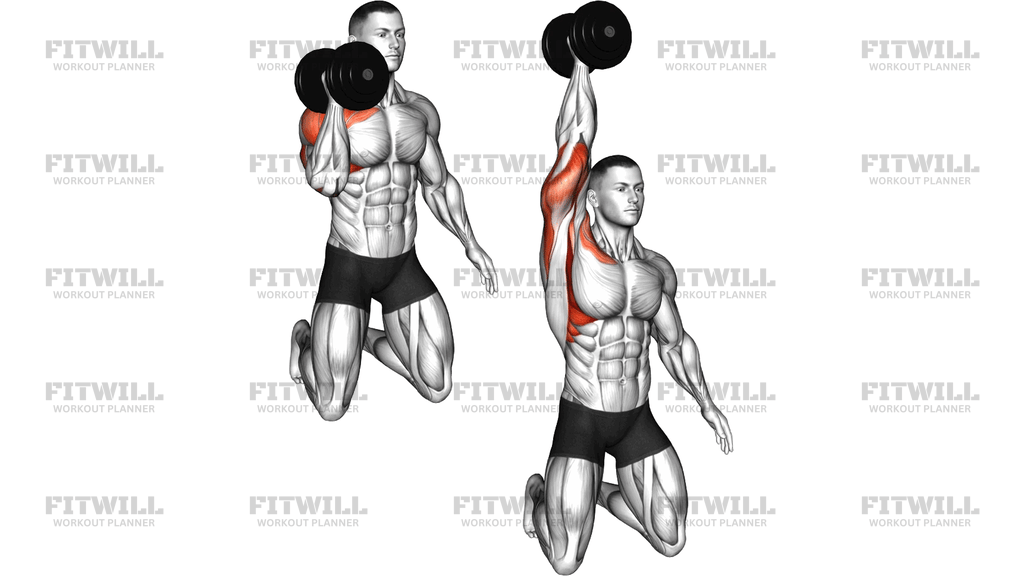
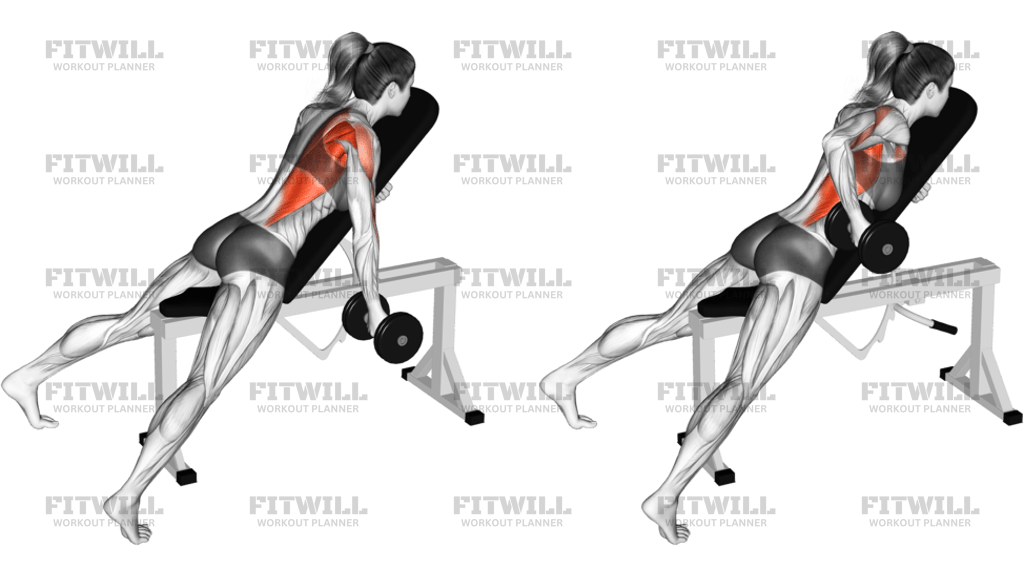
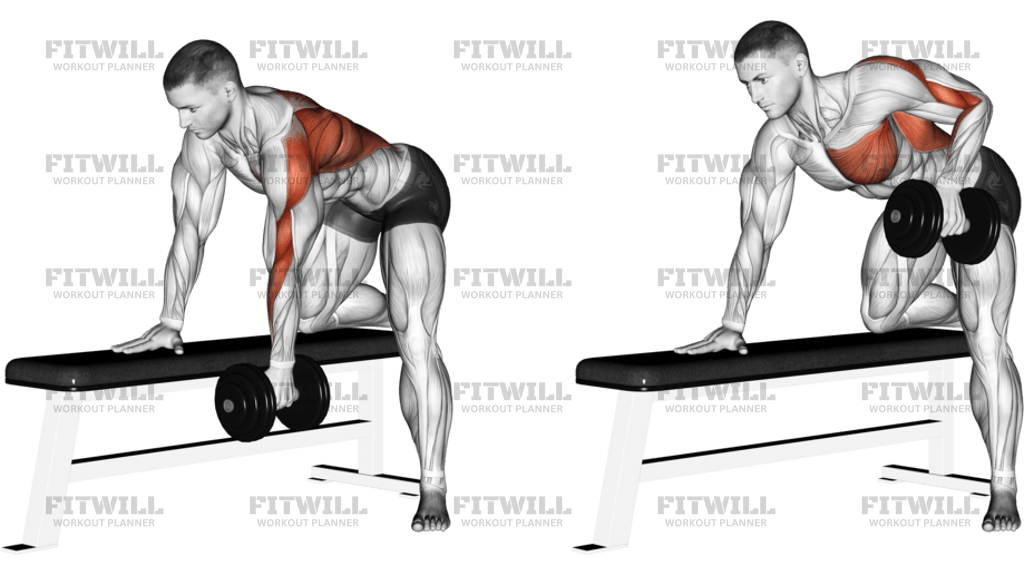
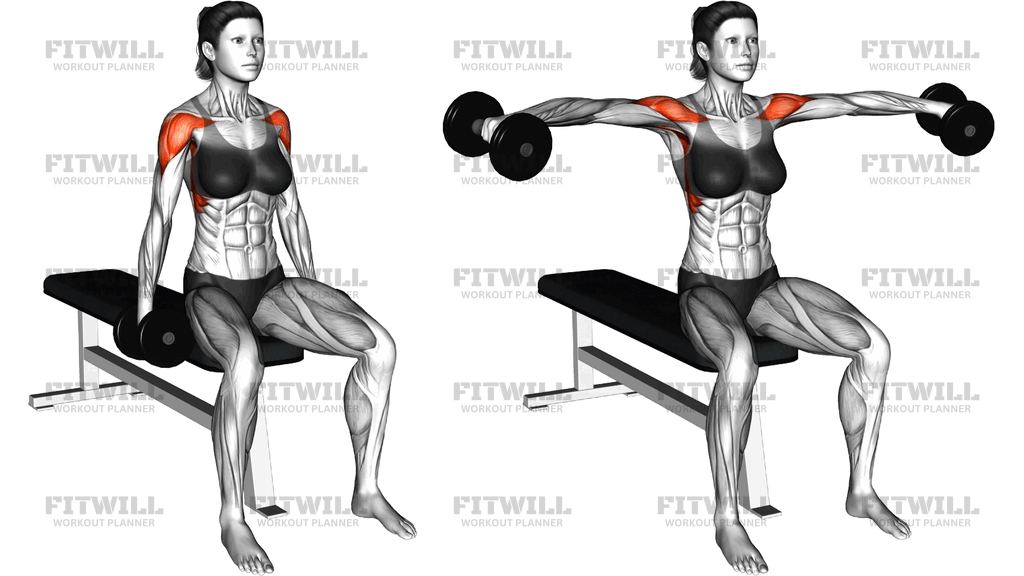
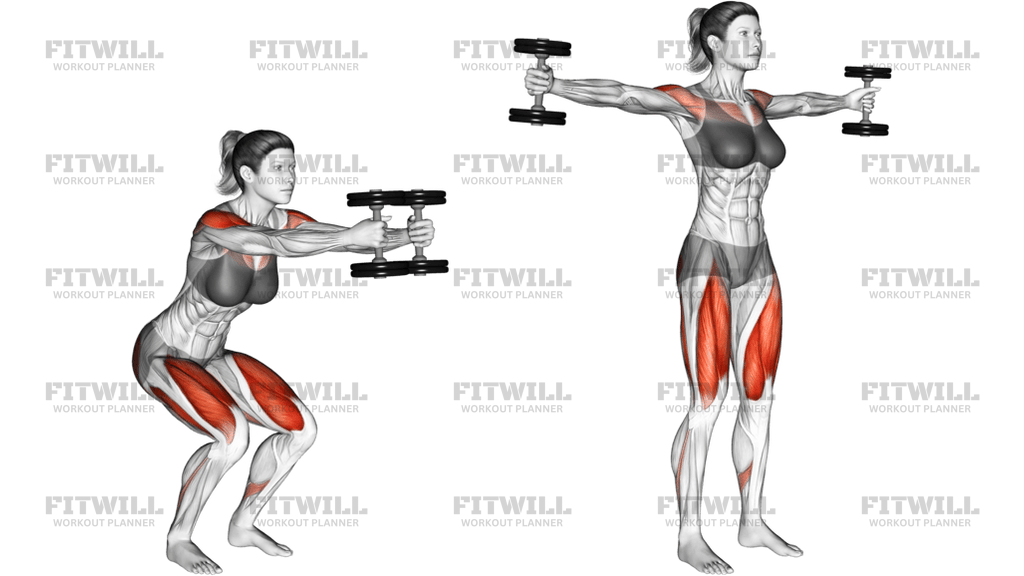
Dumbbell Iron Cross is a standing dumbbell squat-and-reach exercise that links lower-body work with a wide shoulder opening at the top. In the starting position, the dumbbells are held together in front of the chest or upper chest while you sit back into a squat. As you stand, the arms open outward into a controlled T position, creating the “iron cross” shape shown in the image.
The movement is useful when you want a coordinated drill that trains the thighs, glutes, shoulders, and upper back without needing a machine. The squat phase emphasizes the quads and glutes, while the arm opening asks the deltoids, rear shoulder area, and upper-back stabilizers to control the dumbbells. Because the load moves away from the body, the exercise becomes much less about brute strength and much more about posture, shoulder control, and clean timing.
Setup matters here. A narrow stance will make the squat less stable, and a stance that is too wide can make the arm path awkward. Keep the feet about shoulder width apart, stand tall through the ribs and pelvis, and choose dumbbells that let you keep the wrists straight and the shoulders down. The hands should move in a smooth path rather than swinging open, and the torso should stay organized while the legs do the main work.
Each repetition should feel deliberate: lower under control, keep the chest open, then rise by driving through the feet while the dumbbells separate to the sides. At the top, the arms should be near shoulder height with a soft bend in the elbows, not locked straight. If the shoulders shrug, the torso leans back, or the dumbbells drift behind the body, the load is too heavy or the range is too large.
This is best used with light to moderate weights, usually in accessory work, warmups, shoulder-conditioning blocks, or metabolic circuits. It is not a max-strength lift. The goal is to stay smooth, balanced, and coordinated through every rep so the legs and shoulders work together instead of one area taking over. If you have shoulder irritation, reduce the arm height or use a shorter range until the motion feels controlled and pain-free.
[ Workout Log & Planner ]
Put your next workout in Fitwill
Keep your plan and training log ready when you are.


Instructions
- Stand with your feet about shoulder-width apart and hold a dumbbell in each hand with the heads close together in front of your chest.
- Keep your elbows softly bent, ribs stacked over your hips, and your gaze forward before the first rep.
- Sit back into a squat by bending the knees and hips together while the dumbbells stay centered in front of you.
- Lower until your thighs reach a comfortable depth and your heels stay planted.
- Drive through the whole foot to stand up from the squat.
- As you rise, open the arms out to the sides until the dumbbells reach roughly shoulder height and your body forms an iron cross shape.
- Keep the shoulders down and the arms slightly bent so the dumbbells do not swing or lock out hard.
- Bring the dumbbells back together in front of the chest as you reset for the next repetition.
- Breathe in on the descent and exhale as you stand and open the arms.
Tips & Tricks
- Pick dumbbells light enough that you can keep the wrists stacked under the handles while the arms open.
- Let the squat start from the hips, not by collapsing the knees forward and letting the chest drop.
- Stop the arm lift at shoulder level; going higher usually turns the rep into a shrugging motion.
- Keep a soft bend in the elbows so the shoulders are not forced to carry the load with straight-arm leverage.
- Move the arms and legs with the same tempo, rather than standing first and then throwing the dumbbells outward.
- Press through the middle of the foot and heel to keep the squat stable when the arms leave the front of the body.
- If balance is limited, shorten the squat depth before you shorten the arm path.
- Use slower reps if the dumbbells start to drift or the torso twists on the way up.
Frequently Asked Questions
What does Dumbbell Iron Cross train?
It trains the quads, glutes, delts, and upper-back stabilizers together in one coordinated standing movement.
Can beginners perform this exercise?
Yes, as long as the dumbbells are light and the squat depth stays comfortable enough to keep the arm path smooth.
Where should my hands go at the top of the rep?
The dumbbells should open out to about shoulder height with a slight bend in the elbows, forming a wide T shape.
Should I squat before opening the arms?
No. The squat and the arm opening should flow together so the body rises while the dumbbells separate.
How heavy should the dumbbells be?
Light to moderate loads work best because the long arm lever makes the shoulders work harder than the weight itself suggests.
What is the most common mistake with the dumbbell path?
Letting the weights swing behind the body or shrugging the shoulders instead of opening the arms with control.
Is this more of a strength or conditioning exercise?
It is usually used as a coordination and conditioning drill, not as a heavy strength lift.
What should I do if my shoulders feel pinchy?
Reduce the height of the arm opening, keep a softer elbow bend, and use a smaller range until the movement feels smooth.