Static Position Seated Back With Pad
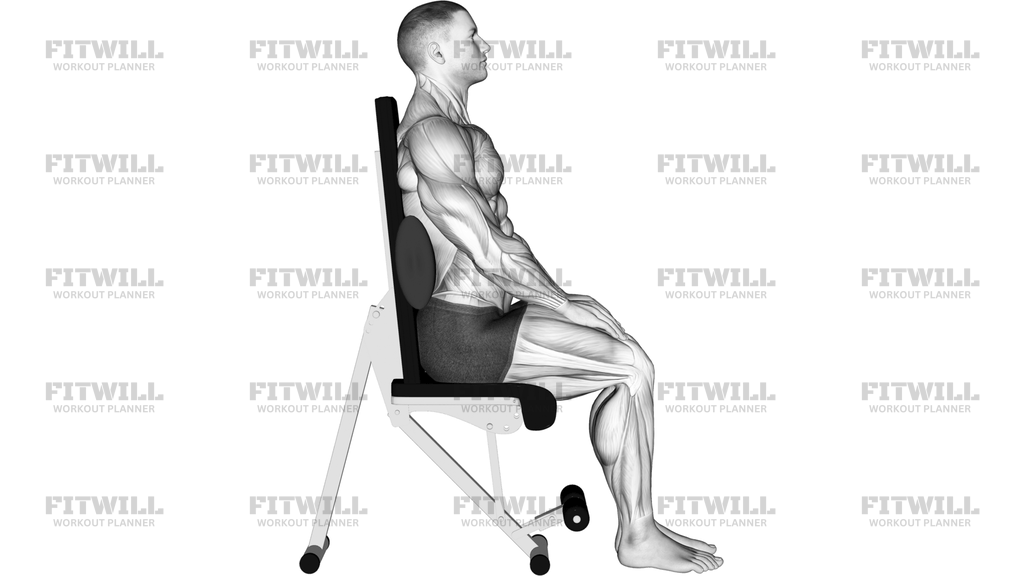
Static Position Seated Back With Pad is a supported seated hold where you sit tall against a back pad and keep the torso, pelvis, and head stacked without turning the posture into a slump or an active lift. In the image, the back pad is there to help you stay organized in the seat, so the exercise is less about moving a load and more about holding a clean, stable position long enough to train posture, trunk control, and relaxed breathing.
That makes this exercise useful whenever you want a simple seated setup that teaches you to stay upright under low-level tension. The pad gives the lower back and mid-back a reference point, but the real work comes from keeping the ribs from flaring, the shoulders from rounding forward, and the chin from jutting out. If you let the pelvis tip back and collapse into the seat, you turn the drill into passive resting instead of an active positional hold.
Treat each repetition or hold as a chance to rehearse alignment. Sit all the way back into the pad, place the feet flat and even, and keep pressure through both sit bones. Then lengthen the crown of the head upward while the shoulders stay down and the hands rest lightly on the thighs. The goal is a calm torso with steady abdominal tension, not a hard squeeze or a rigid chest-up pose.
Because the movement is static, breathing quality matters more than speed. Keep the neck neutral, breathe low into the trunk, and maintain the same stacked position as you inhale and exhale. If the hold is part of a rehab, warm-up, or accessory circuit, it should leave you feeling more organized, not fatigued by compensation. Stop the set if you have to brace so hard that you lose the upright position or if the seat no longer feels supportive.
Use Static Position Seated Back With Pad when you need a low-complexity exercise that reinforces body awareness, postural endurance, and controlled support. It is appropriate for beginners because the setup is simple, but the quality standard should still be high: stable feet, tall spine, quiet shoulders, and a controlled breathing pattern throughout the hold.
[ Workout Log & Planner ]
Put your next workout in Fitwill
Keep your plan and training log ready when you are.


Instructions
- Sit fully against the back pad with your hips centered on the seat and both feet flat on the floor.
- Place your hands lightly on your thighs and stack your ribs over your pelvis instead of letting your lower back round.
- Set your head in line with your torso and keep your chin level, not pushed forward.
- Press evenly through both sit bones and keep the pelvis from sliding forward on the seat.
- Take a breath into your lower ribs and brace just enough to keep the torso tall against the pad.
- Hold the upright position without shrugging, twisting, or leaning back harder into the pad.
- Keep the shoulders relaxed and the neck long while you maintain steady pressure through the feet.
- Breathe slowly and stay in the stacked seated position for the planned time or repetition count.
- At the end of the hold, relax the brace, stand up or reset cleanly, and avoid collapsing out of position.
Tips & Tricks
- Think of the pad as support, not a place to hang your weight. Stay active through the trunk while you sit back.
- If your ribs flare upward, shorten the hold and re-set the stack before continuing.
- Keep both feet planted. Letting one foot drift or press harder than the other usually rotates the pelvis.
- A small amount of abdominal tension is enough; hard bracing tends to raise the shoulders and shorten the neck.
- Rest the hands on the thighs only lightly so you do not use the arms to prop the torso up.
- If the lower back rounds, sit a little taller by tipping the pelvis forward on the seat rather than arching aggressively.
- Use slow nasal or controlled mixed breathing to keep the torso calm while the posture stays fixed.
- The exercise should feel easier to control than to force. If it feels like a fight, the setup is usually off.
Frequently Asked Questions
What is Static Position Seated Back With Pad actually training?
It mainly trains upright seated posture, trunk endurance, and the ability to stay stacked against the back pad without collapsing.
Should I be moving my torso during this exercise?
No. The image shows a static hold, so the goal is to stay tall and still against the pad while you breathe and maintain alignment.
Where should my back contact the pad?
Keep the mid and upper back comfortably supported while the ribs stay stacked over the pelvis. Do not turn the pad into a hard arching target.
What should my feet be doing while I hold the position?
Both feet should stay flat and even on the floor so the pelvis stays centered and the torso does not rotate or drift.
Can beginners do this exercise safely?
Yes. It is beginner-friendly because the setup is simple, but the person still needs to keep the spine tall and avoid slumping into the seat.
What is the biggest mistake people make with this seated hold?
Most people relax into the pad and lose the active stacked position. That turns the drill into passive sitting instead of controlled posture work.
How long should I hold the position?
Hold it only as long as you can keep the chin, ribs, and pelvis stacked. Once you start slumping or bracing too hard, the set is over.
Do I need to squeeze my abs as hard as possible?
No. A moderate brace is enough. If you brace too hard, the shoulders rise and the neck usually tightens.