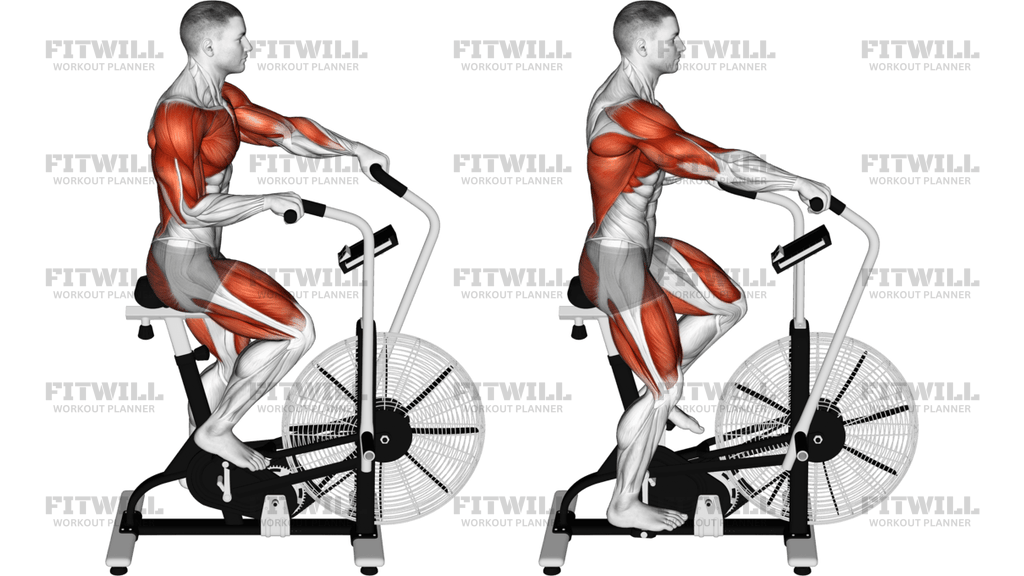
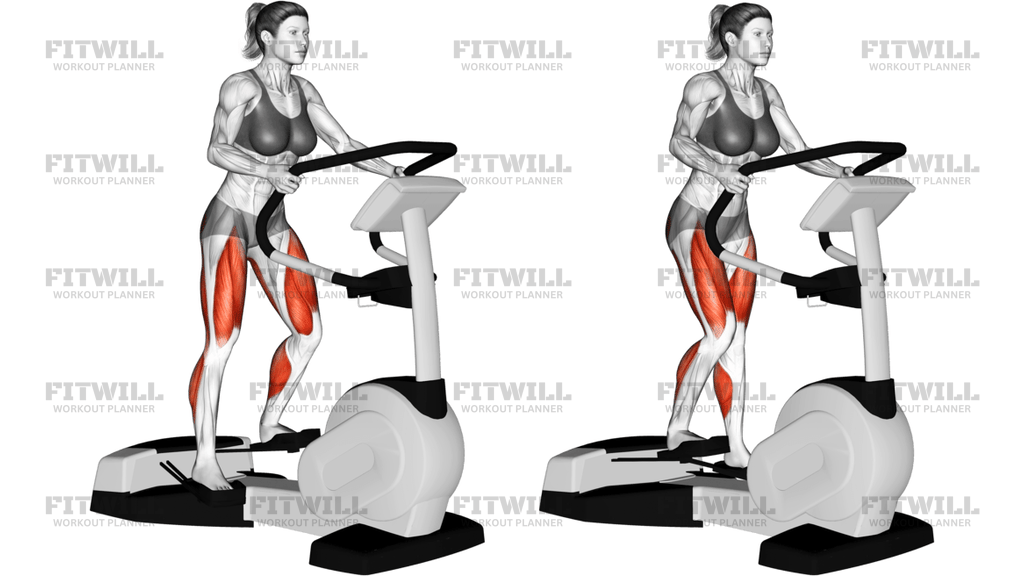
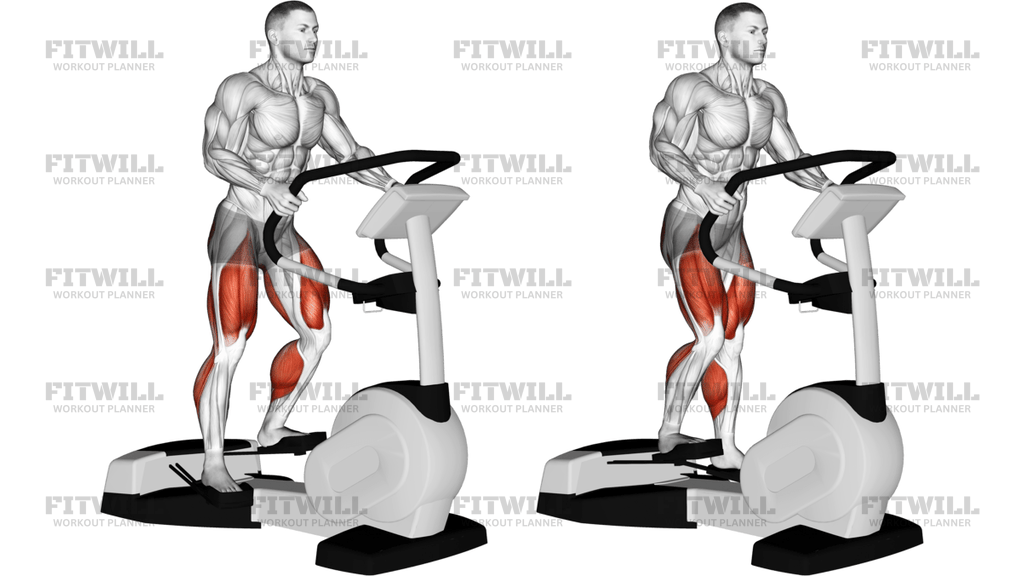
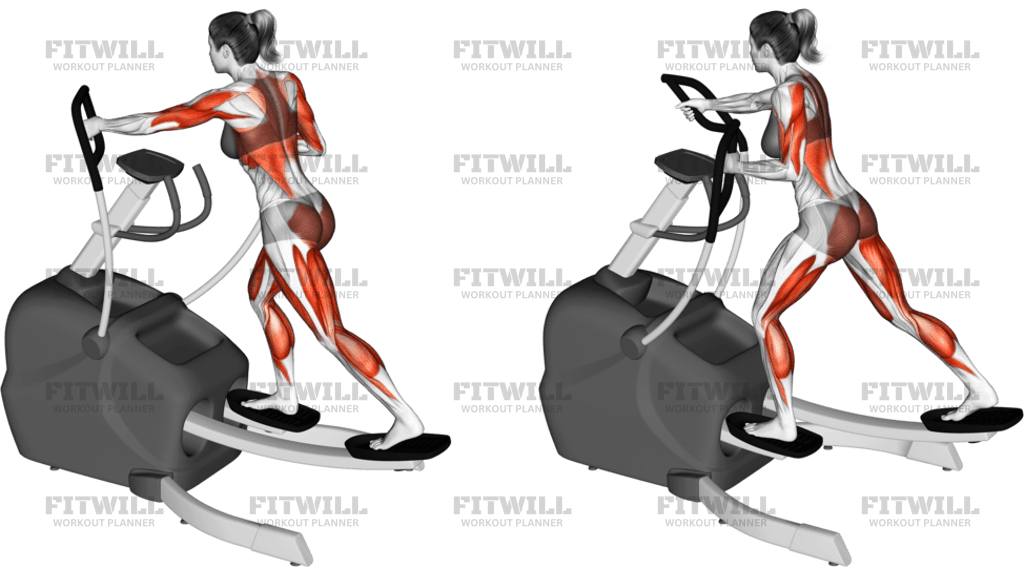
Walking On Incline Treadmill
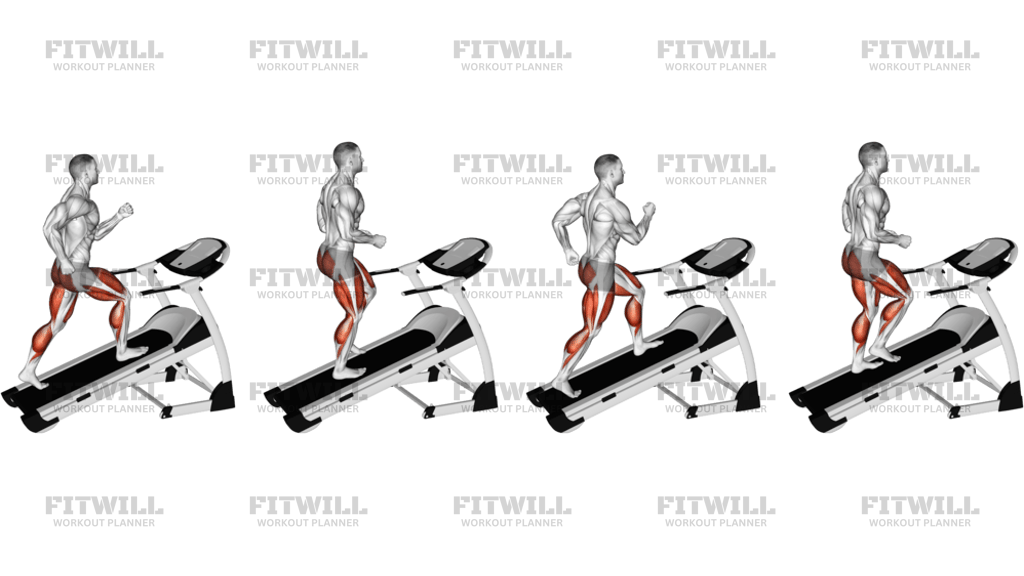
Walking On Incline Treadmill is a steady-state cardio exercise performed on a treadmill set to an incline. The raised belt changes the demand from flat walking and makes you work harder at a given speed, so the movement is useful for conditioning, calorie burn, and lower-body endurance without the impact of running.
The incline shifts more effort to the glutes, calves, hamstrings, and hip flexors while the trunk and arms help keep posture organized. That makes setup matter: if you stand too far back on the belt, lean heavily on the rails, or take long reaching steps, the walk turns into a compensatory pattern instead of clean cardio work.
A good incline walk starts with the treadmill already moving at a safe pace and the incline chosen before you begin. Stay tall through the crown of the head, keep the ribs stacked over the pelvis, and step onto the belt with a short, rhythmic stride. Let the belt come under you, rather than chasing it with an overstriding reach.
During the set, keep your foot strikes quick and controlled, drive through the midfoot and forefoot, and avoid bouncing or hinging at the hips. Light hand contact on the rails is fine for balance, but do not hang your bodyweight on them. Breathe steadily enough to hold a conversation if the goal is aerobic base work, or shorten the breath cycle only if you intentionally want a harder interval-style effort.
Use Walking On Incline Treadmill for warm-ups, conditioning blocks, recovery days, or low-impact fat-loss work when you want a simple exercise that is easy to dose and easy to repeat. It is beginner-friendly because the speed, incline, and duration can all be scaled, but the best results still come from posture, stride control, and a pace you can sustain without gripping the machine or losing form.
[ Workout Log & Planner ]
Put your next workout in Fitwill
Keep your plan and training log ready when you are.


Instructions
- Set the treadmill to the desired incline and a walking speed you can control before stepping on.
- Stand on the side rails, face forward, and wait until the belt is moving smoothly.
- Step onto the belt one foot at a time with a short, balanced stride.
- Keep your torso tall, ribs stacked over your pelvis, and eyes looking forward.
- Walk with quick, even steps and let your feet land under your hips instead of reaching in front of you.
- Drive the step from the glutes and calves while keeping the hips level and the stride rhythm steady.
- Use the handrails only for light balance support, not to pull your body uphill.
- Breathe in a steady pattern for the full walk and adjust speed or incline if your posture starts to collapse.
- Step back onto the side rails before stopping the treadmill and leave the belt to come to a complete stop.
Tips & Tricks
- Choose an incline that challenges your breathing without forcing you to lean forward or grip the rails tightly.
- Keep your steps short; overstriding on an incline usually shifts stress to the low back and front hip.
- Think "push the belt down" rather than "pull yourself up" to stay in the right walking mechanics.
- If your heels are slamming or your knees are locking out, reduce speed and shorten the stride.
- A slight forward lean from the ankles is fine, but bending at the waist turns the walk into a slump.
- Let your arms swing naturally if you are not holding the rails; that helps maintain a walking rhythm.
- Use the treadmill displays to control pace and incline instead of judging effort by how hard you can hold on.
- Stop the set when you can no longer keep your torso tall and your foot placement under control.
Frequently Asked Questions
What muscles do incline treadmill walks work most?
They emphasize the glutes, calves, hamstrings, and hip flexors, with the core and upper body helping you stay upright.
Is this a good beginner cardio exercise?
Yes. Speed and incline are easy to scale, so beginners can start with a modest grade and a pace that feels smooth.
Should I hold the treadmill rails while walking uphill?
Use the rails only lightly for balance if needed. If you are hanging on them, the incline and speed are probably too aggressive.
How far should my foot land in front of me on the belt?
Keep the step under your hips or only slightly ahead of them. Reaching too far forward usually slows your rhythm and strains the stride.
What is the biggest form mistake on an incline treadmill?
Leaning at the waist and overstriding are the main issues. Both make the walk feel harder without improving the training effect.
Can I use incline treadmill walking for fat loss?
Yes. It is easy to keep consistent and accumulate meaningful work, especially when you can repeat it several times per week.
What should my breathing feel like during the walk?
For steady cardio, breathing should stay controlled and rhythmic. If you cannot keep a steady breath, reduce the incline or speed.
How do I progress incline treadmill walking?
Increase one variable at a time: incline, speed, or duration. Keep the stride and posture the same so the harder setting still looks clean.