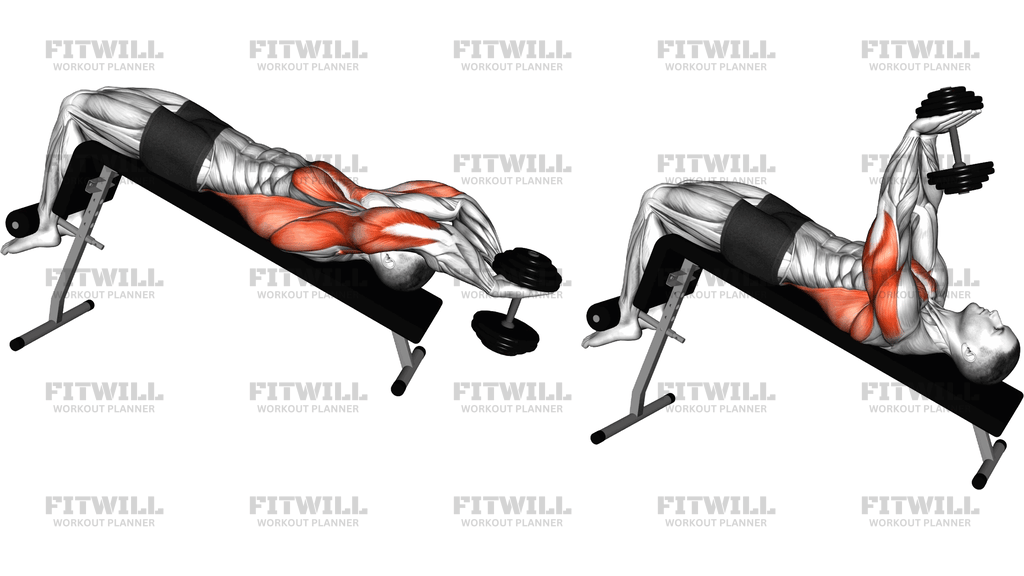
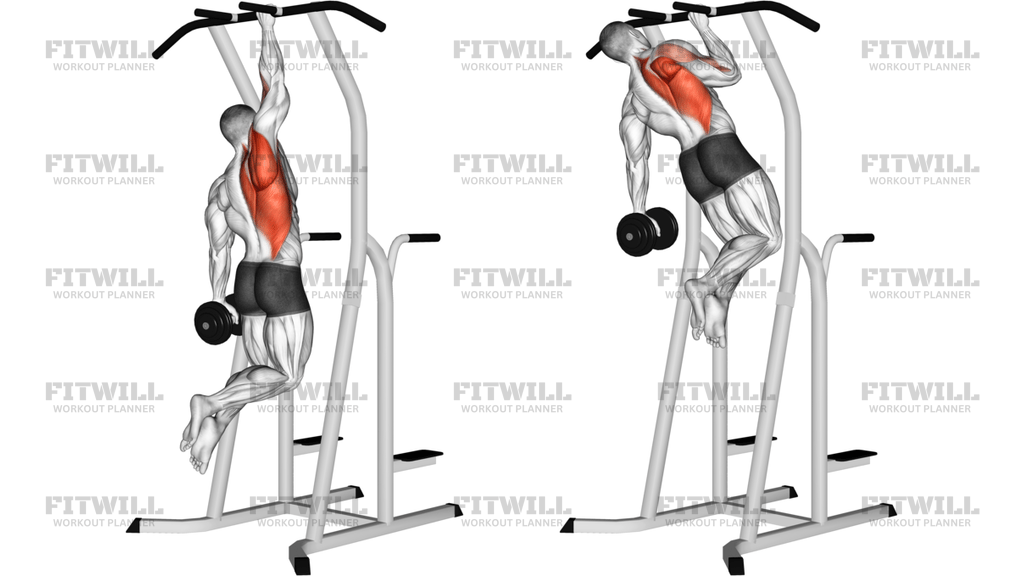
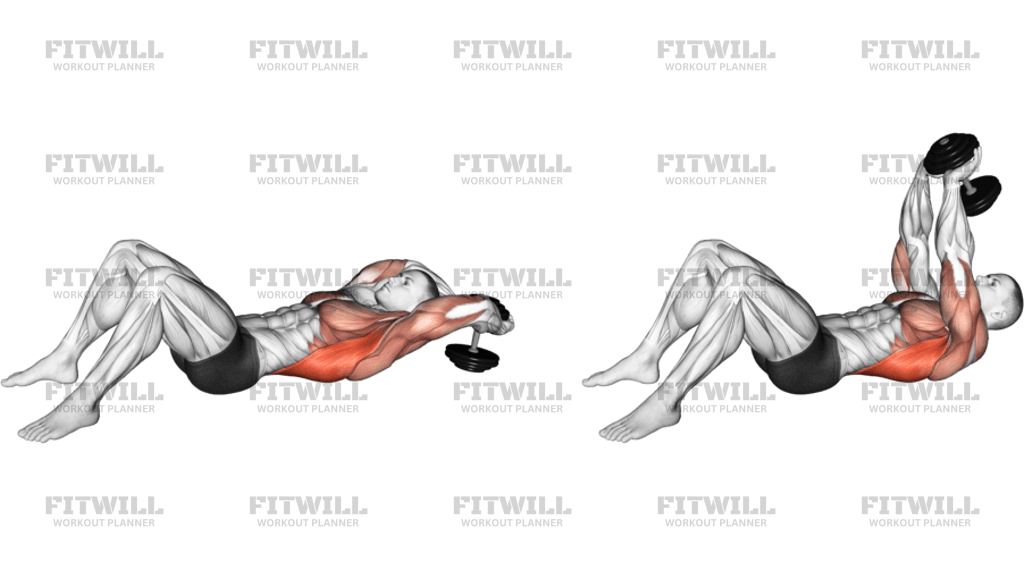
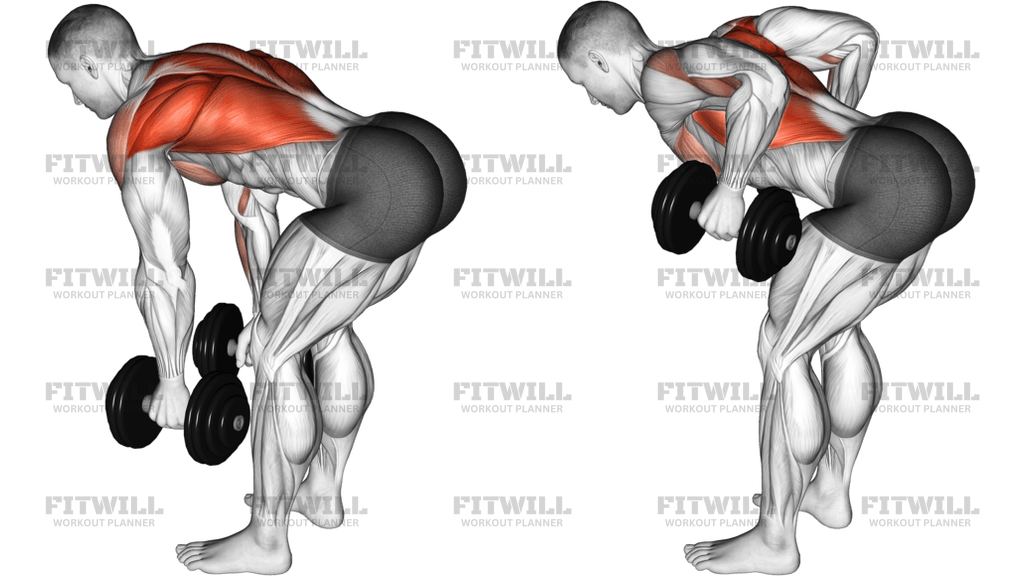
Dumbbell Bench Supported External Rotation
Dumbbell Bench Supported External Rotation is a bench-supported shoulder control drill built around a very specific action: the upper arm stays braced on the pad while the forearm rotates upward against the dumbbell. The bench removes most body swing, so the rep comes from the shoulder joint instead of the torso. That makes the movement useful for rotator cuff work, shoulder warm-ups before pressing, and accessory training when you want cleaner mechanics rather than heavy loading.
The setup matters more than the load. Stand beside the incline bench so the working-side upper arm can rest flat across the pad, with the elbow bent around 90 degrees and the forearm starting across the front of the body. From there, the hand rotates upward until the dumbbell approaches shoulder level and the knuckles turn closer to the ceiling. The free hand can rest on the hip or thigh to help keep the trunk quiet and the stance stable.
A good repetition is slow and deliberate. Keep the upper arm pinned to the bench, the ribs from flaring, and the wrist stacked over the elbow as you rotate. Stop the lift at a strong, pain-free end range, then lower the dumbbell back across the body under control. Exhale as you rotate up and inhale as you return. If the shoulder pinches, the elbow slides, or the torso twists, the load is too heavy or the range is too large.
Treat this exercise like a precision drill, not a max-effort strength move. It works well in shoulder-prehab sessions, upper-body warm-ups, or accessory blocks after pressing and rowing. A light dumbbell with a steady tempo is usually far more productive than a heavier one that forces compensation. When the form is right, you should feel the shoulder rotators and nearby stabilizers working while the bench keeps the rest of the body calm and organized.
[ Workout Log & Planner ]
Put your next workout in Fitwill
Keep your plan and training log ready when you are.


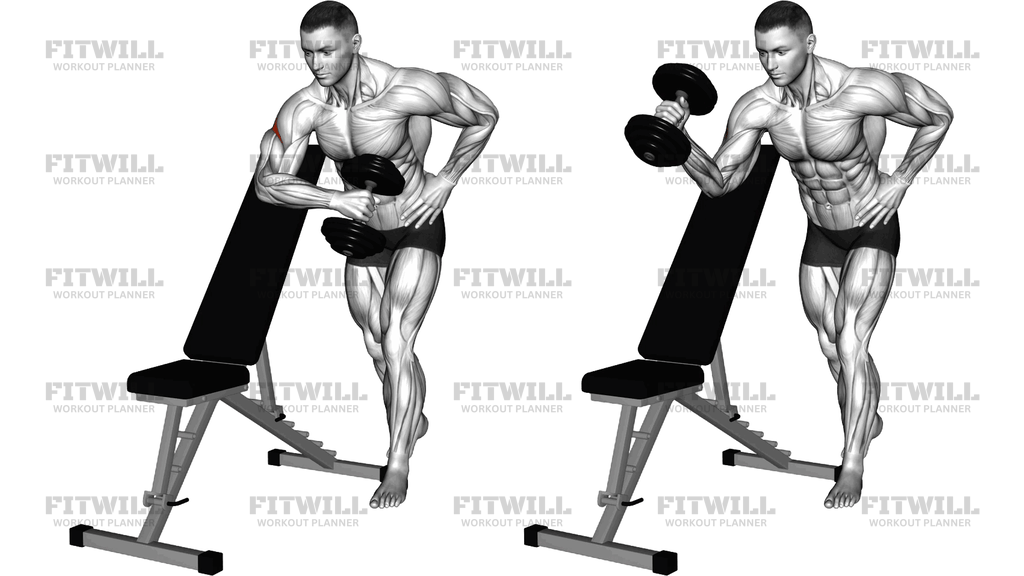
Instructions
- Set the incline bench so the working-side upper arm can rest across the pad at about chest height.
- Stand beside the bench and place the upper arm flat on the pad with the elbow bent about 90 degrees.
- Hold a light dumbbell in the working hand and let the forearm start across the front of your torso.
- Keep your chest square, feet planted, and the free hand resting on your hip or thigh for balance.
- Pin the upper arm to the pad and brace the shoulder before you begin the rotation.
- Rotate the forearm upward until the dumbbell rises toward shoulder level and the knuckles face more toward the ceiling.
- Pause briefly at the top without letting the elbow slide or the torso twist open.
- Lower the dumbbell slowly back across the body to the start position and repeat for the planned reps.
Tips & Tricks
- Use a very light dumbbell; this movement is about shoulder rotation, not pressing strength.
- Keep the upper arm in contact with the bench pad for the entire rep.
- If the elbow drifts off the pad, lower the load and shorten the range.
- Rotate from the shoulder without letting the rib cage flare or the torso twist.
- Keep the wrist neutral so the hand does not collapse backward at the top.
- Lower the dumbbell more slowly than you lift it to keep tension on the shoulder.
- Stop just before any pinch in the front or top of the shoulder.
- Use the exercise as a warm-up or accessory drill before heavier upper-body work.
Frequently Asked Questions
What does Dumbbell Bench Supported External Rotation work?
It emphasizes the small shoulder rotators and the stabilizers that help keep the humeral head controlled while the arm rotates.
How should the arm be positioned on the bench?
The upper arm should rest flat on the pad with the elbow bent near 90 degrees so the forearm can rotate without the shoulder sliding around.
Why does the bench support matter so much?
It keeps the upper arm fixed and limits torso momentum, which makes the rotation come from the shoulder instead of a body swing.
Should my elbow move during the rep?
No. If the elbow lifts, slides, or drifts behind the pad, the set is usually too heavy or the setup is off.
Can beginners use this exercise?
Yes, but only with a very light dumbbell and a short, pain-free range until the shoulder feels stable.
What is a common form mistake on the top half of the rep?
People often twist the torso open or shrug the shoulder to cheat the rotation. Keep the chest quiet and the neck relaxed.
What should I do if the front of my shoulder pinches?
Shorten the range of motion, reduce the load, and stop the set if the pinch does not settle immediately.
How many reps work best here?
Higher, controlled reps are usually a better fit than heavy loading, because the exercise is about precision and shoulder control.