Side Step Front Plank
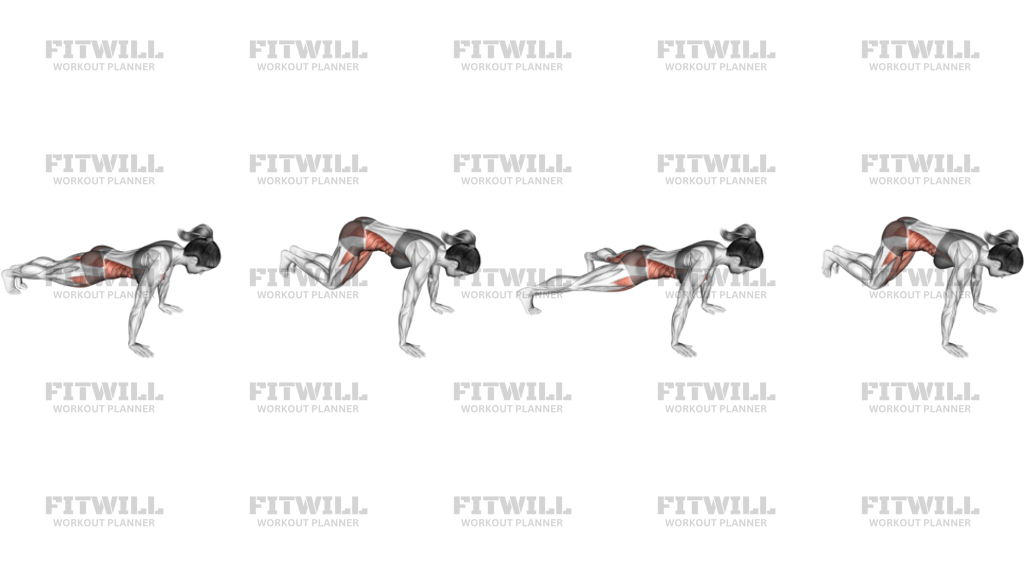
Side Step Front Plank is a bodyweight plank variation performed from the forearms while the feet step laterally in and out. It is less about moving a load and more about keeping the torso, pelvis, and shoulders locked in one long line while the legs change position underneath you. That makes it a useful drill for trunk stiffness, hip control, and anti-rotation strength.
The exercise asks the core to resist twisting as each foot steps to the side. Your abs, obliques, glutes, and shoulder stabilizers all work to keep the hips from sagging or rocking while the lower body creates the movement. The wider the step, the more the adductors and outer hips have to help you manage the shift in support.
The forearm setup matters because it gives you a stable base to push the floor away from. Elbows should sit under the shoulders, forearms should stay parallel or lightly angled inward, and the body should look like a rigid plank before the first step starts. If the rib cage flares or the low back arches, the movement turns into a back-extension drill instead of a controlled plank.
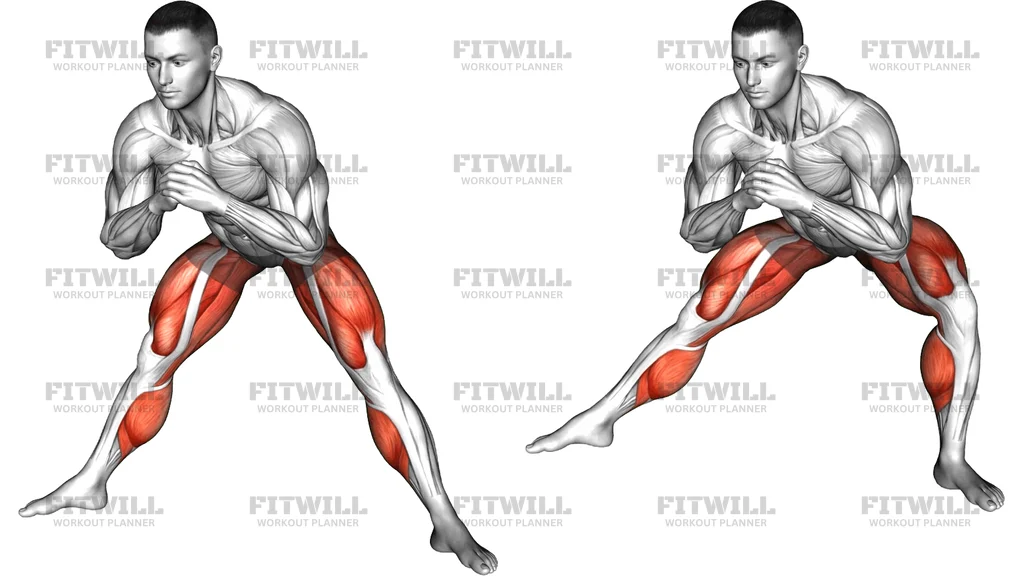
On each repetition, step one foot out to the side without letting the hips drift, then bring it back under control before stepping the other foot. The motion should stay smooth and quiet, with the pelvis level and the shoulders square to the floor. Breathe behind a steady brace instead of holding your breath through the whole set.
This variation fits well in core-focused sessions, warmups, or accessory work when you want more than a static plank but still need a strict, low-impact exercise. It is also a good option for teaching control before progressing to more advanced crawling, plank reach, or sliding plank drills. Keep the steps short enough that you can preserve alignment from the first rep to the last.
[ Workout Log & Planner ]
Put your next workout in Fitwill
Keep your plan and training log ready when you are.


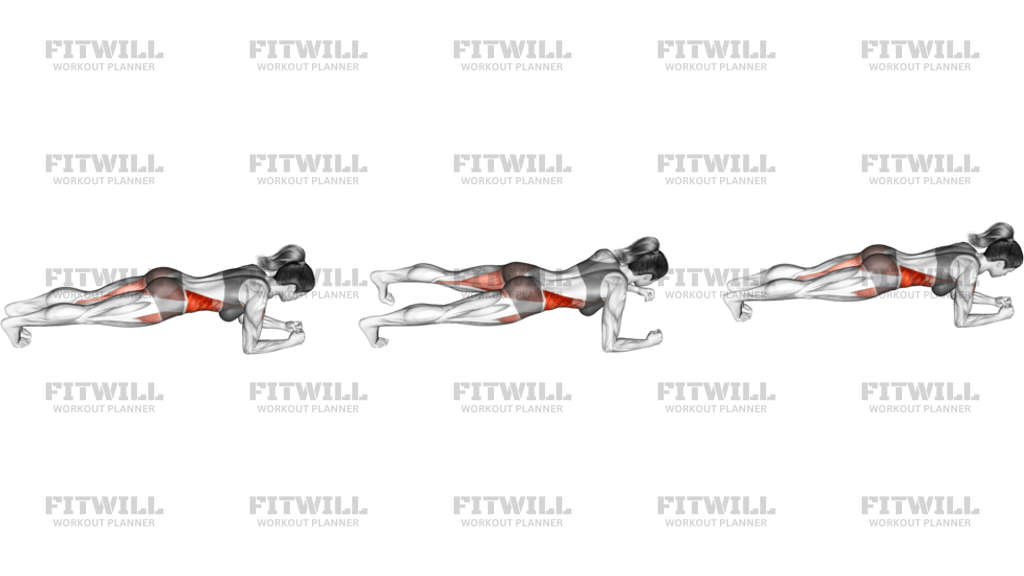
Instructions
- Place your forearms on the floor with your elbows under your shoulders and your feet together behind you.
- Lift into a forearm plank so your head, ribs, pelvis, and heels form one straight line.
- Brace your abs and squeeze your glutes to stop your low back from sagging.
- Step one foot out to the side a short distance while keeping your hips level.
- Bring that foot back under your hips without letting your torso sway.
- Repeat the same side step with the other foot, keeping the shoulders square to the floor.
- Keep alternating side steps for the planned reps or time.
- Breathe out as each foot steps out and keep the brace as the foot returns.
Tips & Tricks
- Keep the forearms planted directly under the shoulders so the plank stays stacked and stable.
- Take short side steps; if the feet travel too far, the hips usually start rocking.
- Press the floor away through the forearms to keep the upper back active instead of collapsing into the shoulders.
- Think about zipping the ribs down toward the pelvis so the low back does not arch.
- Squeeze the glutes hard before each step to keep the pelvis from rotating.
- Move the feet quietly; loud or scraping steps usually mean you are losing control.
- If the set becomes shaky, narrow the step width before you stop the exercise entirely.
- Keep your neck long and look at the floor just ahead of your hands to avoid craning the head.
Frequently Asked Questions
What does the Side Step Front Plank train?
It trains the core, glutes, shoulder stabilizers, and hip control while you keep a rigid forearm plank.
Do my elbows stay under my shoulders in this plank?
Yes. Stack the elbows under the shoulders so the forearm base stays strong while the feet step side to side.
Should my hips move when each foot steps out?
They should stay as level as possible. A small shift is normal, but obvious rocking means the step is too wide or the brace is too loose.
What is the biggest mistake in the side step front plank?
Letting the low back sag or the pelvis twist as the legs move. The plank should stay rigid while the feet do the work.
Is this exercise good for beginners?
Yes, if the steps are short and the hold is brief. Beginners can use small side steps and focus on keeping the torso steady.
What should I feel working in the forearm plank version?
You should feel the abs, obliques, glutes, and shoulders working to resist movement while the feet step laterally.
Can I make the side steps bigger for more challenge?
Yes, but only if the pelvis stays level and the shoulders remain square. Bigger steps are harder because the trunk has to resist more sway.
What is a good way to progress this plank drill?
Use longer sets, slower foot placement, or slightly wider steps while keeping the same forearm plank position and body line.