Dumbbell Incline Front Raise With Chest Support
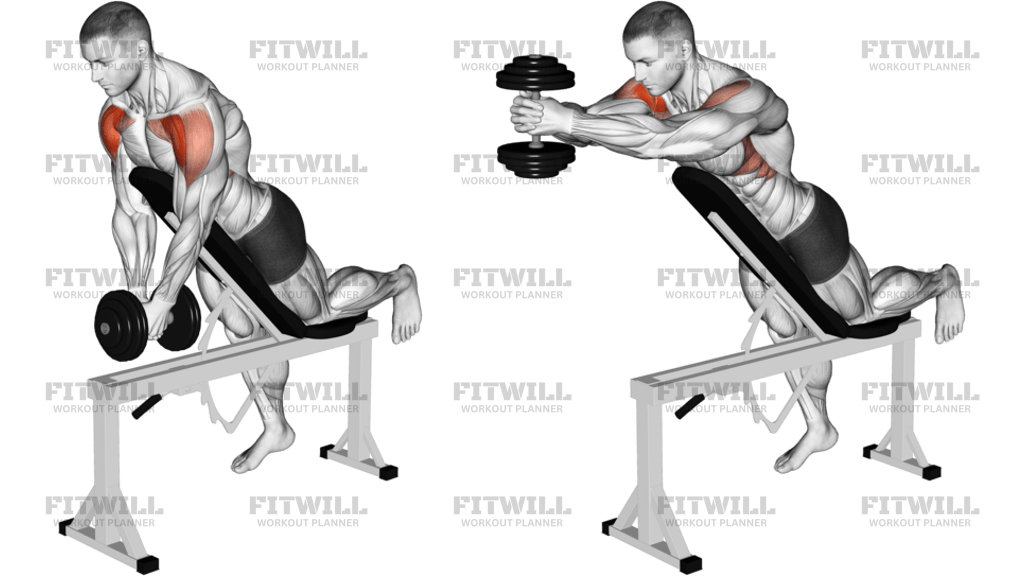
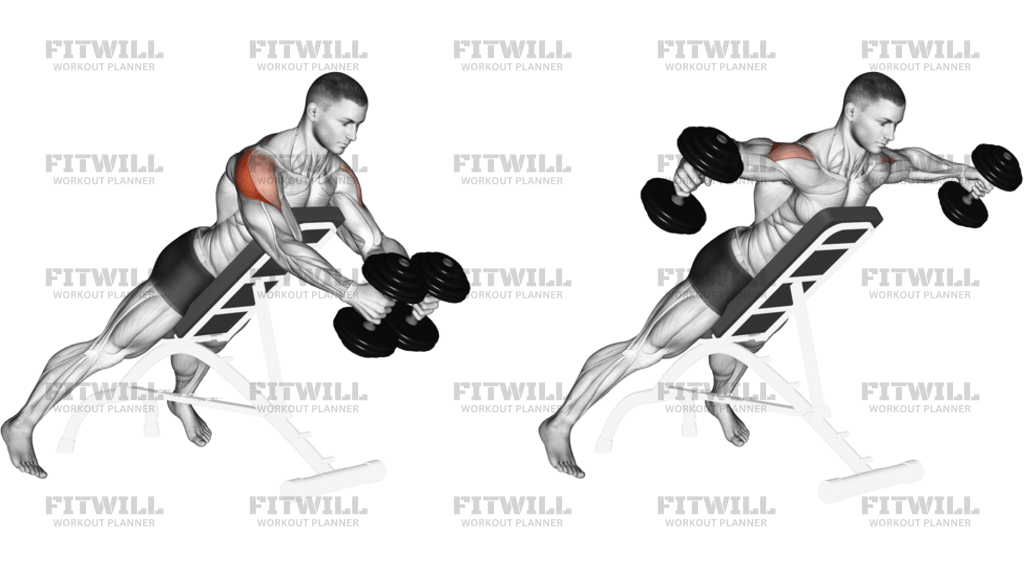
Dumbbell Incline Front Raise With Chest Support is a shoulder-focused isolation exercise built to keep the torso still while the arms work through a controlled front raise. With the chest anchored to an incline bench, the movement removes most of the body English that usually creeps into standing raises and puts a clearer demand on the front delts. That makes it a useful option when you want a strict shoulder accessory rather than a full-body lift.
The main emphasis is on the delts, especially the anterior portion, while the upper back, traps, and triceps help steady the dumbbells and keep the path smooth. The chest support matters because it limits swinging, back extension, and leg drive, so the shoulders have to do the lifting instead of momentum. If the bench is set correctly, the rep should feel like a clean shoulder raise with very little movement anywhere else.
Set the bench to a low-to-moderate incline and lie face down with your chest supported firmly on the pad. Hold a dumbbell in each hand with the arms hanging straight down from the shoulders, wrists stacked and elbows softly bent. Keep your neck long and your gaze down so you do not crank your head up to chase the dumbbells. The setup should feel stable before the first rep even starts.
As you raise the weights, move them in a smooth arc slightly in front of your torso until they reach shoulder height or just below it. Avoid letting the shoulders shrug toward the ears or turning the lift into a rear-delt movement by drifting the arms too wide. The return should be just as controlled as the lift, with the dumbbells lowering under tension until they hang quietly below the chest again.
This exercise fits well as accessory work on chest, shoulder, or upper-body days, especially if standing front raises feel sloppy or if you want a lighter, stricter option for the front delts. It is also useful when you want to keep the lower back out of the exercise and train the shoulders without needing heavy loads. Choose a weight that lets every rep stay smooth, because once the torso starts helping, the chest support is no longer doing its job.
[ Workout Log & Planner ]
Put your next workout in Fitwill
Keep your plan and training log ready when you are.


Instructions
- Set a bench to a low-to-moderate incline and lie face down with your chest supported firmly on the pad.
- Plant your feet wide and stable behind you so your body stays fixed while the shoulders do the work.
- Hold a dumbbell in each hand with the arms hanging straight down from the shoulders and a soft bend in the elbows.
- Keep your neck long and your gaze down so you do not lift your head to help the movement.
- Brace your midsection, then start the raise without kicking, swinging, or arching your lower back.
- Lift the dumbbells in a smooth arc slightly in front of your torso until they reach shoulder height or just below it.
- Pause briefly at the top with the shoulders down and the wrists stacked over the elbows.
- Lower the dumbbells under control until the arms are back to the hanging start position.
- Exhale as you raise the dumbbells, inhale as you lower them, and reset fully before the next rep.
Tips & Tricks
- Choose a bench angle that lets your chest stay anchored without forcing your neck into a hard upward tilt.
- Keep the dumbbells slightly in front of your shoulders so the raise stays in the front-delt line instead of drifting out to the sides.
- Stop the rep when the weights reach shoulder height if your upper traps start taking over above that point.
- Use lighter dumbbells than you would for standing front raises, because the chest support makes strict tempo the priority.
- Keep the wrists neutral; letting them bend back turns the lift into a forearm hold and irritates the front of the wrist.
- Think about reaching the dumbbells forward and up, not jerking them off the pad.
- If your lower back starts to arch, slide your chest a little higher on the bench and reduce the load.
- If both arms together make you shrug, switch to alternating reps so each shoulder has to stay controlled.
Frequently Asked Questions
What muscle does Dumbbell Incline Front Raise With Chest Support target most?
The front delts do most of the work, with the upper traps, upper back, and triceps helping to steady the dumbbells.
Can beginners perform this exercise?
Yes. The chest support makes it easier to learn than a standing front raise, as long as you keep the weight light and the motion strict.
How high should I raise the dumbbells on Dumbbell Incline Front Raise With Chest Support?
Raise them to shoulder height or slightly below. Going higher usually turns the set into a shrug and shifts tension away from the front delts.
Should my palms face down or in during the raise?
Either neutral or slightly turned in can work, but a neutral grip often feels friendlier on the shoulders and wrists for this movement.
Why use a chest-supported incline instead of standing front raises?
The bench removes most of the body swing and lower-back help, so the shoulders have to produce a cleaner, more controlled raise.
What is the most common mistake on this exercise?
Shrugging the shoulders or lifting too high is the big one. Keep the chest glued to the pad and stop the raise before the traps take over.
Can I do Dumbbell Incline Front Raise With Chest Support one arm at a time?
Yes. Alternating arms can help if both arms together make you rush the rep or shrug through the top.
Where should I feel Dumbbell Incline Front Raise With Chest Support?
You should feel the front of the shoulders working most strongly, with only light help from the upper traps and upper back for stability.
How many reps work best for this movement?
Moderate-to-higher reps usually work best, often around 10-15, because the exercise is most useful when the tempo stays strict and controlled.