Push-Up Pike Toe Touch
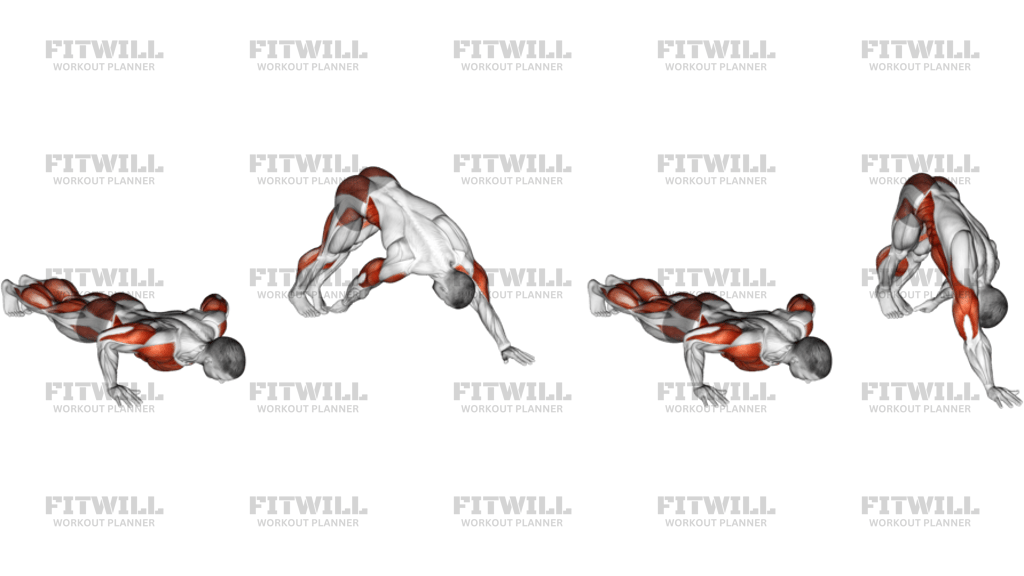
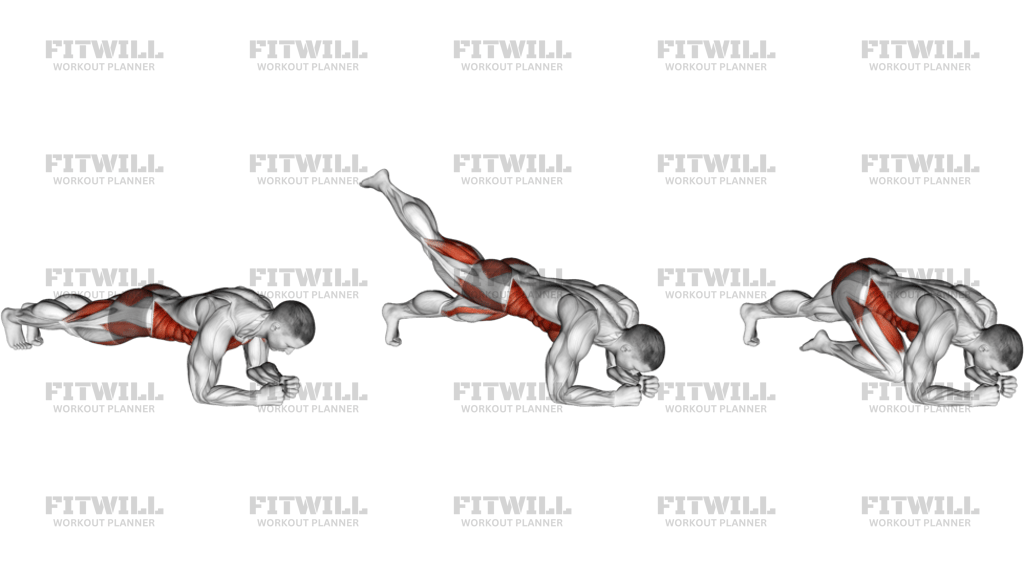
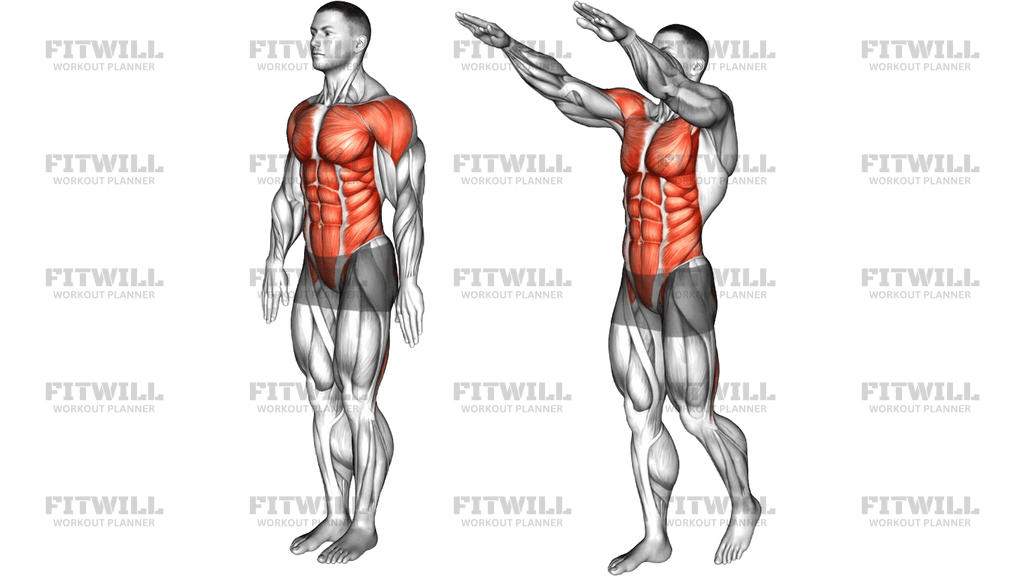
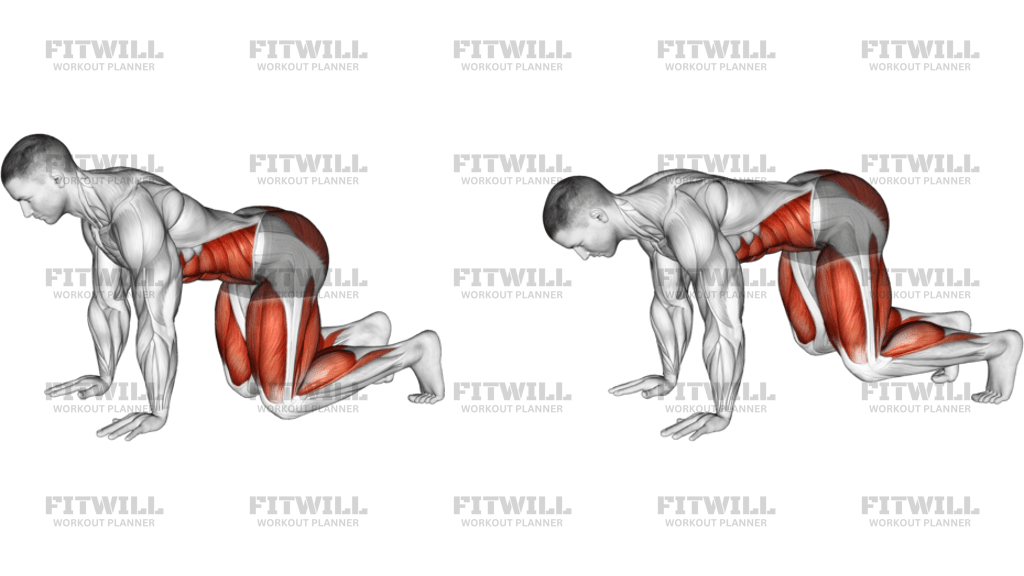
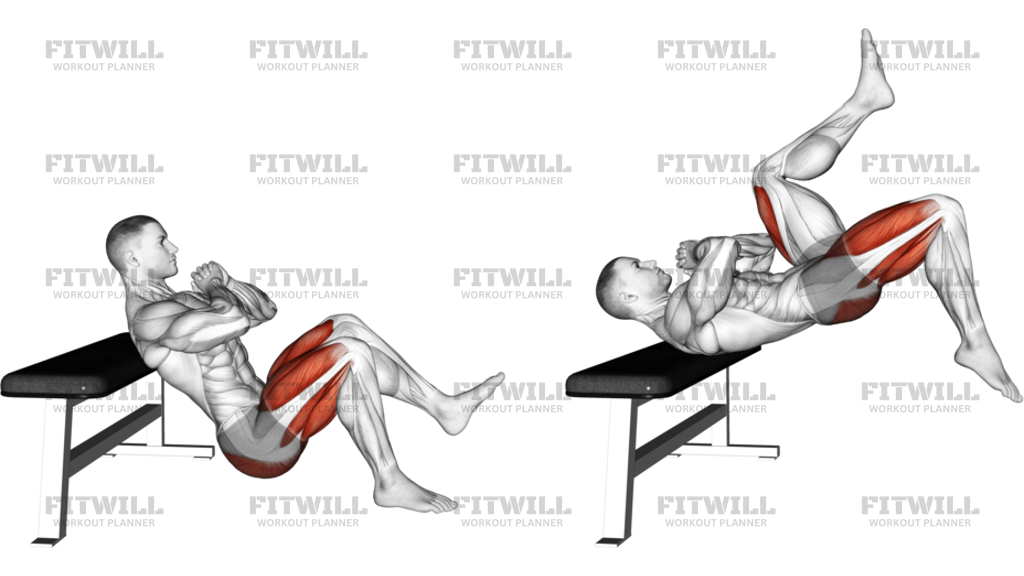
Push-Up Pike Toe Touch is a bodyweight floor drill that combines a strict push-up with a pike position and alternating toe reaches. It is useful when you want one exercise to challenge pressing strength, shoulder stability, core control, and body coordination at the same time. The movement looks simple, but the transition from plank to pike is where the real work happens.
The setup matters because the exercise depends on clean alignment before you add speed or range. Start with your hands under or slightly outside your shoulders, feet together or hip-width apart, and your body long from head to heels. In the plank portion, the ribs should stay tucked and the hips should not sag. In the pike portion, the hips rise high enough to let you reach a toe without dumping pressure into the lower back.
Each rep should move through a clear rhythm: lower into the push-up with control, press back up, then lift the hips into a pike and reach one hand toward the opposite foot or toe. The planted hand and shoulder should stay active so the torso does not collapse while you reach. If your hamstrings are tight, keep a slight knee bend instead of forcing the heel down or rounding through the spine.
This exercise works well in upper-body conditioning blocks, athletic warm-ups, or core circuits because it demands strength without equipment. It also shows you quickly when fatigue is causing the trunk to twist, the shoulders to shrug, or the reach to become sloppy. Keep the reps crisp and stop the set when the push-up loses depth, the pike loses shape, or the toe touch turns into a shaky balance drill.
If you need a regression, reduce the push-up range, elevate the hands, or shorten the toe reach. If you need more challenge, slow the lowering phase, pause briefly in the pike, or alternate the reach more deliberately so the supporting side has to stabilize the body. The goal is not just to touch a toe; it is to keep the whole sequence organized while you do it.
[ Workout Log & Planner ]
Put your next workout in Fitwill
Keep your plan and training log ready when you are.


Instructions
- Start in a high plank on the floor with your hands under or slightly wider than your shoulders, feet together or hip-width apart, and your body in a straight line.
- Press the floor away, keep your core braced, and set your shoulders so they stay active instead of sinking between the arms.
- Lower into a controlled push-up until your chest is close to the floor, keeping your elbows at a comfortable angle and your neck neutral.
- Press back up to the top of the push-up without letting your hips sag or flare upward early.
- From the top, drive your hips up and back into a pike so your torso folds toward your legs.
- Shift your weight into one hand and reach the opposite hand toward the opposite toe or foot while keeping the supporting shoulder strong.
- Touch or reach as far as you can without twisting hard through the torso or rounding the lower back.
- Bring the reaching hand back to the floor, return to the plank, and repeat on the other side for the next rep.
- Exhale on the push and reach, inhale on the return, and stop the set if the plank or pike position starts to break down.
Tips & Tricks
- Keep your hands rooted through the whole set so the plank and the one-hand support in the pike both feel stable.
- A slightly wider foot stance can make the toe reach steadier if your balance shifts too much in the pike.
- If your hamstrings limit the reach, bend the knees a little instead of forcing a round through the lower back.
- Think about lifting the hips first and then reaching, rather than yanking the torso toward the foot.
- On the push-up, let the chest travel between the hands instead of shortening the range to protect the shoulders.
- Keep the supporting shoulder packed during the toe touch so you do not shrug into the ear on that side.
- If your wrists are sensitive, use push-up handles or elevate the hands on a bench or step.
- Use a tempo that keeps the transition from plank to pike clean; rushing the switch is where most form breaks down.
- Stop a rep before the torso starts rotating noticeably or the toe touch turns into a hop.
Frequently Asked Questions
What does Push-Up Pike Toe Touch train most?
It mainly trains shoulder stability, chest and triceps strength, and core control, with extra demand on the hips and hamstrings during the pike reach.
Can beginners perform this exercise?
Yes, but beginners should shorten the toe reach, slow the pace, or elevate the hands so the push-up and pike stay controlled.
Should my legs stay straight during the pike?
Straight legs are ideal, but a soft knee is better than forcing a rounded spine just to reach the toe.
Do I touch the toe on every rep?
Only touch as far as you can while keeping the supporting shoulder steady and the torso organized; a solid reach is better than a sloppy touch.
What is the most common mistake in the push-up portion?
Most people let the hips sag or cut the push-up short, which removes the strength and control demand from the movement.
What if my wrists hurt in the plank position?
Use push-up handles, dumbbells, or an elevated surface so the wrist angle is more comfortable.
Is this more of a strength exercise or a conditioning drill?
It is mainly a strength-endurance and coordination drill, but you can make it feel more conditioning-focused by moving faster without losing form.
How can I make Push-Up Pike Toe Touch harder?
Slow the lowering phase, pause briefly in the pike, or make the toe reach stricter by reducing extra weight shifts through the torso.