Heel To Toe Walk
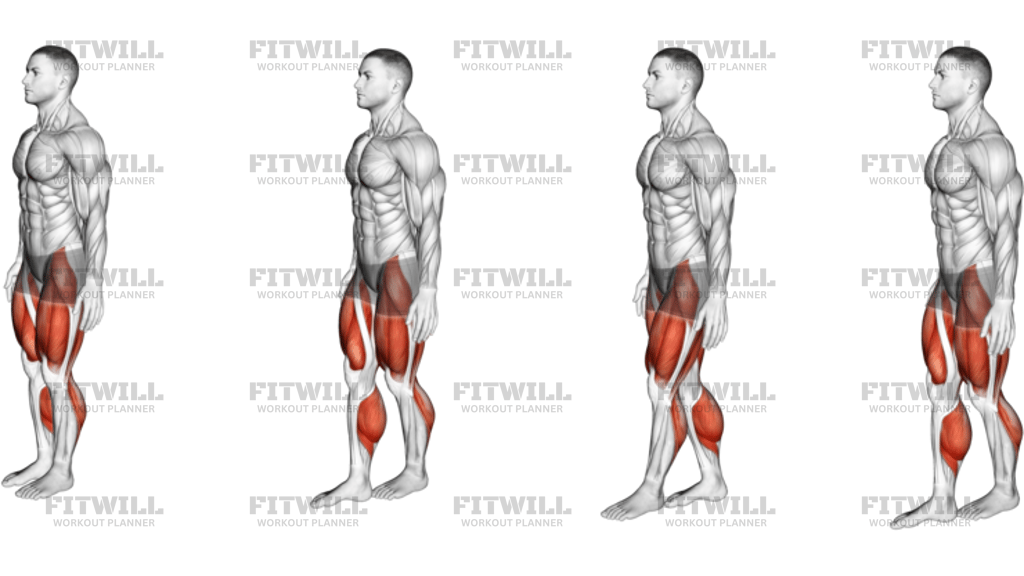
Heel To Toe Walk is a low-impact tandem walking drill that trains balance, gait control, ankle stability, and posture using only body weight. The goal is not speed or distance. It is to place each heel directly in front of the opposite toe, keep the pelvis level, and move forward without wobbling, rushing, or crossing the feet too far off line.
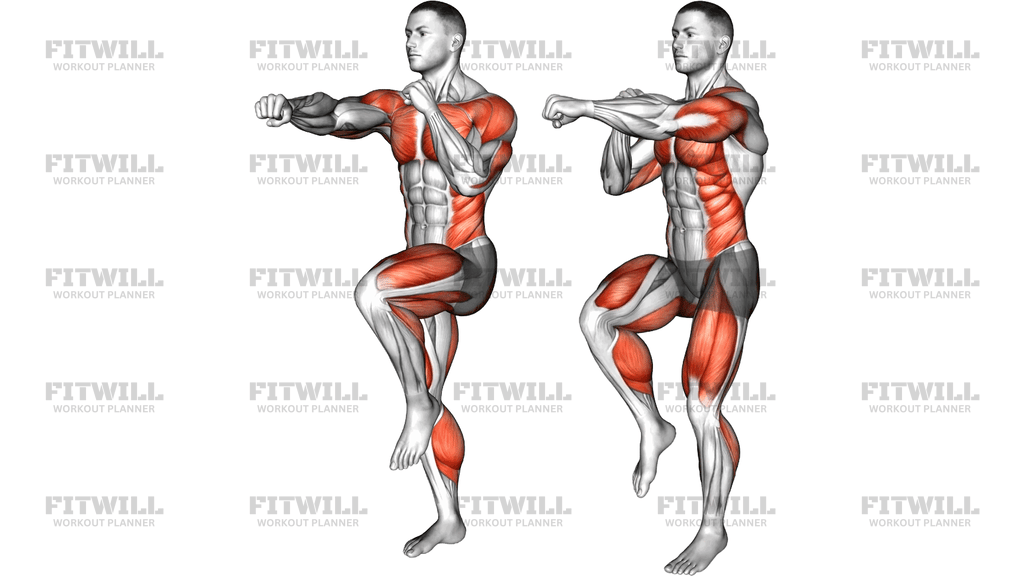
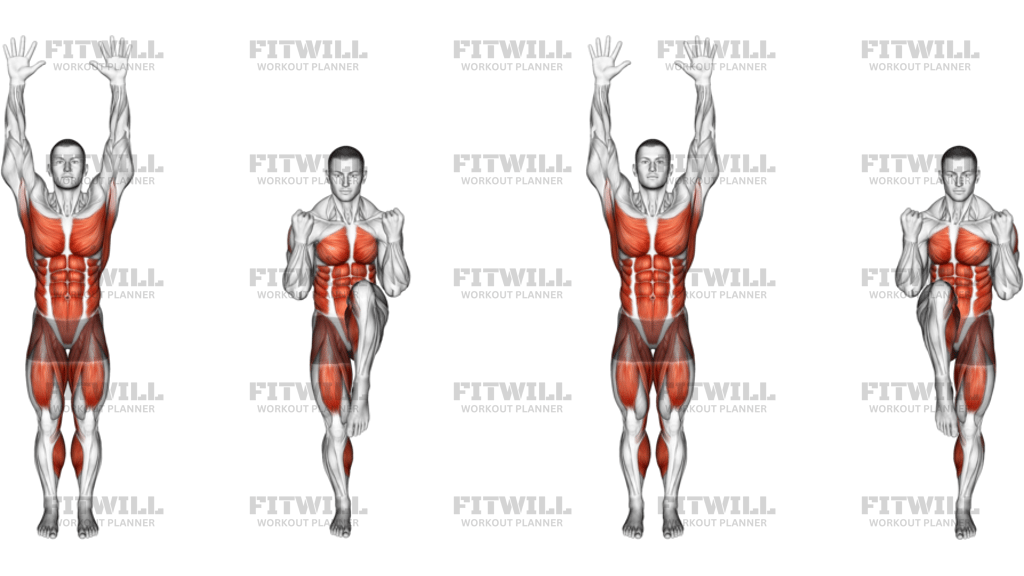
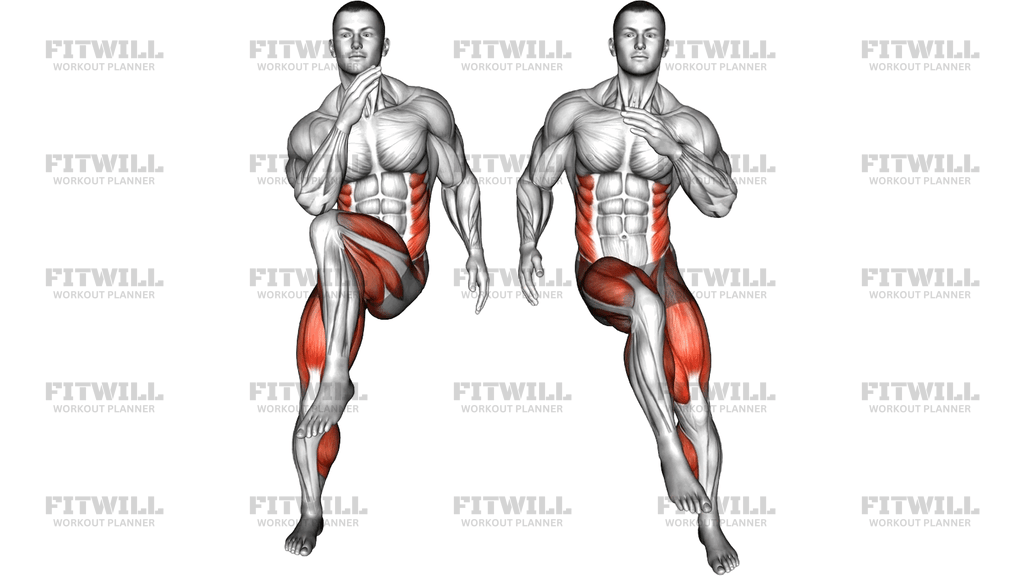
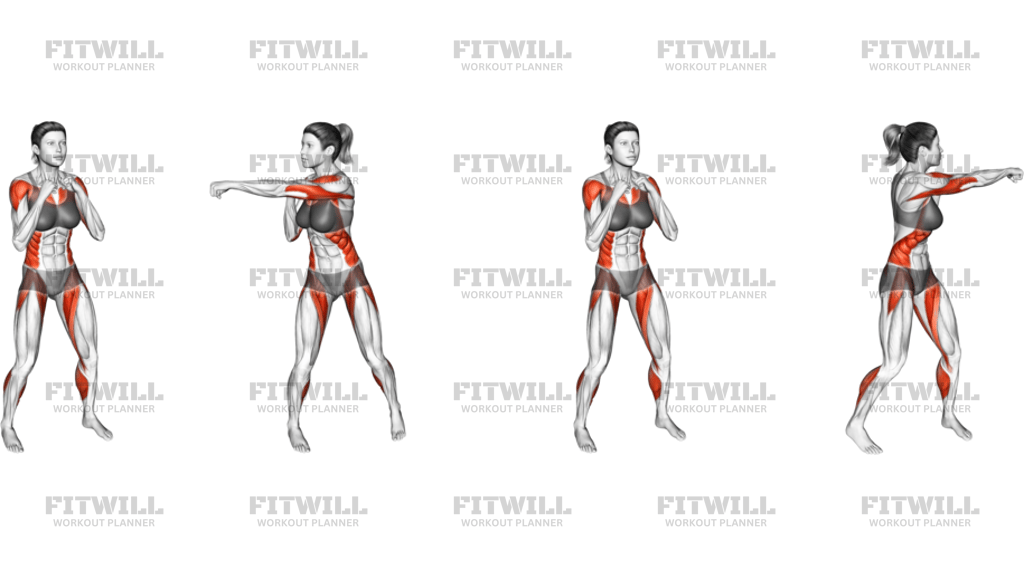
This exercise is commonly used as a warm-up, coordination drill, or light rehab-style movement because it exposes weaknesses in foot control and trunk stability quickly. The image shows a narrow walking pattern with one foot landing heel-to-toe ahead of the other, which is why the setup matters so much. A clean line, a steady gaze, and controlled breathing make the drill much more effective than trying to cover ground fast.
The main training effect comes from the small stabilizers around the feet and ankles, plus the calves, hips, and core working together to keep each step centered. You will usually feel the stance leg managing balance while the lead leg places the heel, rolls through the foot, and prepares the next step. That makes the movement useful for people who need better control in running, field sports, change-of-direction work, or general movement quality.
Heel To Toe Walk should look smooth, quiet, and deliberate. Each step begins with a firm heel placement, then a controlled transfer of weight through the midfoot and forefoot before the trailing leg swings forward. If the line gets sloppy, the steps get too long, or the torso starts leaning side to side, shorten the stride and slow the pace. The best repetitions feel stable from the first step to the last.
Because this is a coordination drill, it fits best when quality matters more than fatigue. Use it to prepare the ankles and hips, to practice walking mechanics, or to challenge balance in a controlled way. Beginners can start with a wall nearby for light support, while more advanced trainees can close the eyes only if they can already maintain perfect alignment and do not feel dizzy or unsteady.
[ Workout Log & Planner ]
Put your next workout in Fitwill
Keep your plan and training log ready when you are.


Instructions
- Stand tall on a clear floor line or hallway with your feet pointing straight ahead and your arms relaxed by your sides.
- Pick a fixed point in front of you and keep your chin level so your eyes stay forward instead of dropping to your feet.
- Place the heel of one foot directly in front of the toes of the other foot, creating a straight tandem stance.
- Brace lightly through your trunk, then shift your weight onto the front foot without letting the hips tip or the shoulders sway.
- Roll through the planted foot from heel to midfoot to forefoot as you prepare the next step.
- Bring the trailing foot forward and place its heel directly against the toes of the lead foot before moving again.
- Keep each step slow and deliberate so your feet stay on the line and your knees track straight ahead.
- Continue walking heel-to-toe for the planned distance or number of steps, then stop with both feet under control.
- If balance slips, shorten the step or pause briefly before continuing rather than rushing the next placement.
Tips & Tricks
- A hallway, tape line, or crack in the floor makes the heel-to-toe path easier to follow.
- Let the front foot land quietly; slapping the floor usually means you are rushing the transfer.
- Keep the stance narrow but not crossed over. The feet should line up, not swing around each other.
- If your knees drift inward, shorten the step and think about pressing the standing foot into the floor.
- A slight bend in the knees is fine, but avoid locking the stance leg at the top of each step.
- Use a wall or rail with one fingertip of support when learning the pattern or when fatigue makes you wobble.
- Move at a pace that lets you own each foot placement instead of trying to look impressive with speed.
- If you feel dizzy or lose your line repeatedly, stop the set and reset before continuing.
Frequently Asked Questions
What does Heel To Toe Walk train?
It trains balance, ankle control, foot placement, and walking coordination while the core and hips help keep you upright.
Which muscles work hardest during the walk?
The calves, feet, glutes, and deep core stabilizers do most of the work to keep each step controlled and centered.
Is this more of a strength exercise or a balance drill?
It is mainly a balance and coordination drill, but it also builds useful lower-leg and hip stability.
Why do I need to place the heel against the opposite toe?
That tandem position narrows your base of support and makes your balance, posture, and foot control work much harder.
Can beginners do Heel To Toe Walk safely?
Yes. Beginners usually do best with a wall nearby, short distances, and slow, deliberate steps.
What is the most common mistake with this exercise?
People often look down, step too fast, or widen the path, which breaks the balance challenge and turns the drill sloppy.
How long should each set be?
Use a short distance or a set number of steps that lets every placement stay clean. Stop before the line and posture fall apart.
Can I make it harder?
Yes. You can slow the tempo, reduce arm movement, or slightly narrow your focus, but only if you can still keep each step stable.