Inverted Shrug On Parallel Bars
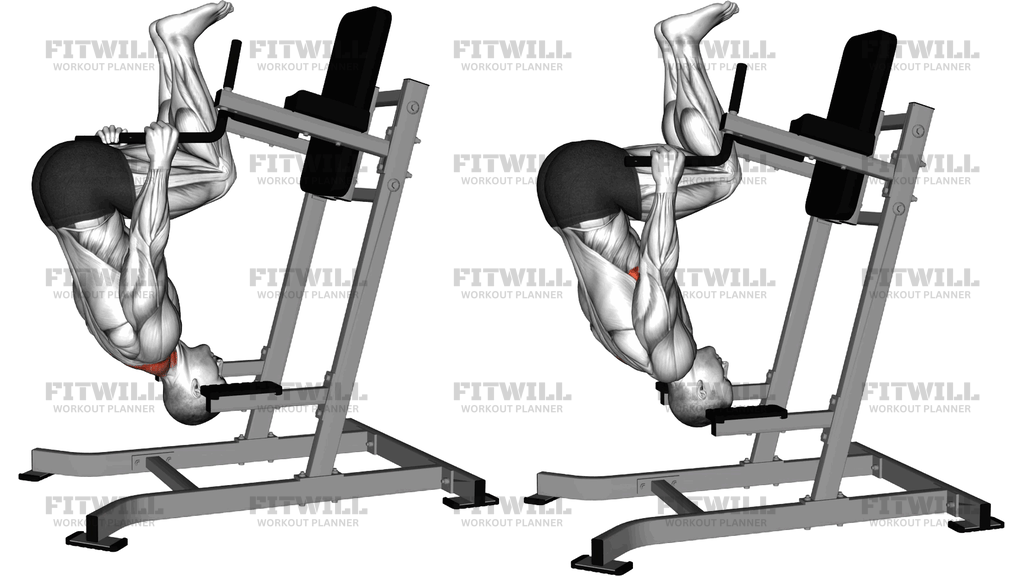
Inverted Shrug On Parallel Bars is a bodyweight shoulder-girdle drill performed upside down on parallel bars. The body is supported by the hands while the shoulder blades do the work, so the exercise teaches scapular control, upper-back tension, and the ability to keep the trunk organized in an inverted position. It is not about speed or big range. It is about making a small, precise shoulder action while the rest of the body stays quiet.
The setup matters because the bars, grip, and body angle decide whether the rep feels stable or chaotic. A solid hand position, straight wrists, and a stacked line through the ribs and pelvis keep the movement in the shoulders instead of turning it into swinging, hip flexion, or a neck-cranking effort. In that sense, the exercise is useful for shoulder awareness, gymnastics-style strength, and upper-back endurance.
Each repetition should come from the shoulder blades, not from bending the elbows or kicking the legs. In the strongest part of the rep, the shoulders lift a little toward the ears while the torso stays fixed, then the body lowers back under control. That controlled shrug action is what gives the movement its training value. If the neck tightens, the legs swing, or the hips change shape, the set has drifted away from the target pattern.
This exercise fits well in a warm-up, accessory block, or skill-focused session where you want body control more than loading. It can help athletes who need stronger inverted support, better scapular timing, or more awareness of how the shoulders behave under bodyweight. Use a pain-free range, keep the tempo deliberate, and stop the set before posture breaks down.
[ Workout Log & Planner ]
Put your next workout in Fitwill
Keep your plan and training log ready when you are.


Instructions
- Grip the parallel bars at about shoulder width and come into the inverted support with your hands fixed, wrists straight, and your body stacked under the bars.
- Keep your elbows straight or only very softly unlocked so the movement stays in the shoulder girdle instead of turning into an arm bend.
- Tuck the pelvis slightly, draw the ribs down, and keep the head neutral so your torso does not swing or arch as you move.
- Brace your midsection before the first rep and keep pressure through both hands so the body stays steady under the bars.
- Shrug the shoulders a few centimeters toward the ears while the rest of the body stays still and the elbows do not change angle.
- Pause briefly at the top of the shrug and feel the upper back and shoulder blades controlling the position rather than momentum.
- Lower the shoulders back to the start under control, keeping the neck long and the torso quiet.
- Repeat for the planned reps with the same small, clean range of motion on every repetition.
Tips & Tricks
- Think about lifting and lowering the shoulder blades, not pushing harder through the hands.
- Keep the elbows fixed; if they bend, the rep turns into a press or a partial body reposition.
- A small shrug is enough here. Chasing a huge range usually means the neck and hips are taking over.
- Keep the ribs from flaring so the inverted position stays organized and the lower back does not overextend.
- Move slowly enough that you can feel the shoulder girdle pause at the top instead of bouncing through the rep.
- If your legs start to swing, reset the set before adding more repetitions.
- Keep the neck long and avoid jamming the chin upward just to make the shrug look bigger.
- Use this as technical work first; once control is solid, increase time under tension before trying to add volume.
Frequently Asked Questions
What does Inverted Shrug On Parallel Bars train most?
It mainly trains shoulder-girdle control in the inverted position, with the upper back and scapular stabilizers doing most of the work.
Do I bend my elbows during the shrug?
No. Keep the elbows straight or nearly straight so the movement comes from the shoulders rather than an arm bend.
What should I feel during the rep?
You should feel the shoulders and upper back working while the neck, hips, and legs stay quiet.
Is this the same as a dip shrug?
No. This version is done upside down on parallel bars, so the body angle and balance demands are different.
Can a beginner try this exercise?
Yes, if they can hold a stable inverted position on the bars and keep the shoulders from swinging.
What is the biggest form mistake?
Bending the elbows or using leg swing to fake a bigger shrug is the most common problem.
How do I make the movement harder without adding weight?
Slow the lowering phase, hold the top position longer, or add more clean reps while keeping the body still.
Should my neck feel tight during the set?
A little upper-trap effort is normal, but the neck should not feel jammed or painful.