Barbell Bench Press With 2 Board
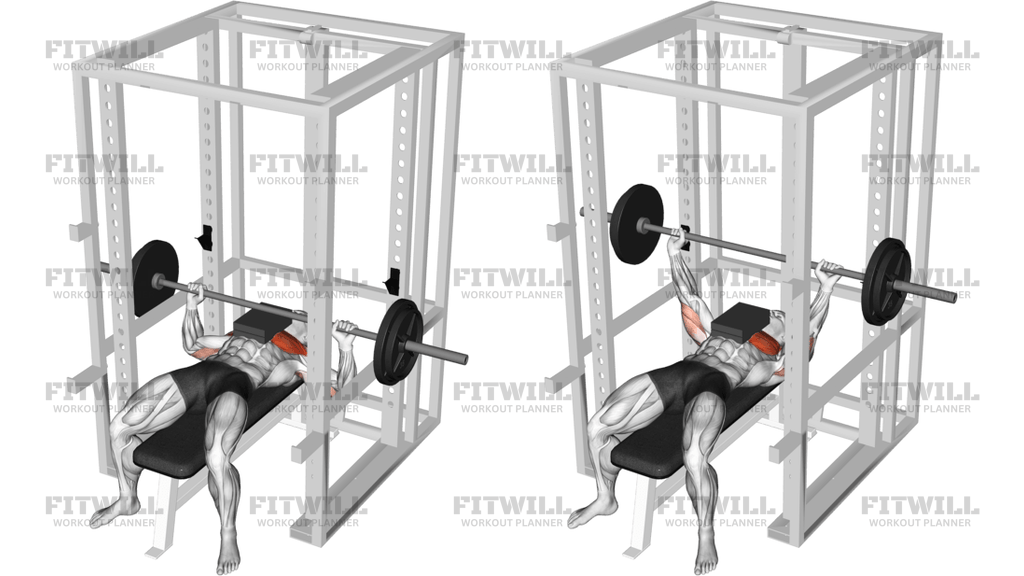
Barbell Bench Press With 2 Board is a partial-range bench press that uses a two-board setup on the chest to shorten the bottom of the lift and overload the press from the mid-range to lockout. The boards raise the touch point so the bar does not travel as deep as a full bench press, which changes the training stimulus and usually lets lifters use heavier loads with a stricter top-end press.
That shorter range makes the exercise especially useful when you want to build pressing strength without forcing the shoulder into the deepest part of the bench press. It is common in strength programs as an overload movement for the chest, triceps, and front shoulders, but the real benefit comes from the setup: the board stack has to stay centered, the upper back has to stay tight, and the bar path has to stay consistent from the rack to the boards and back up again.
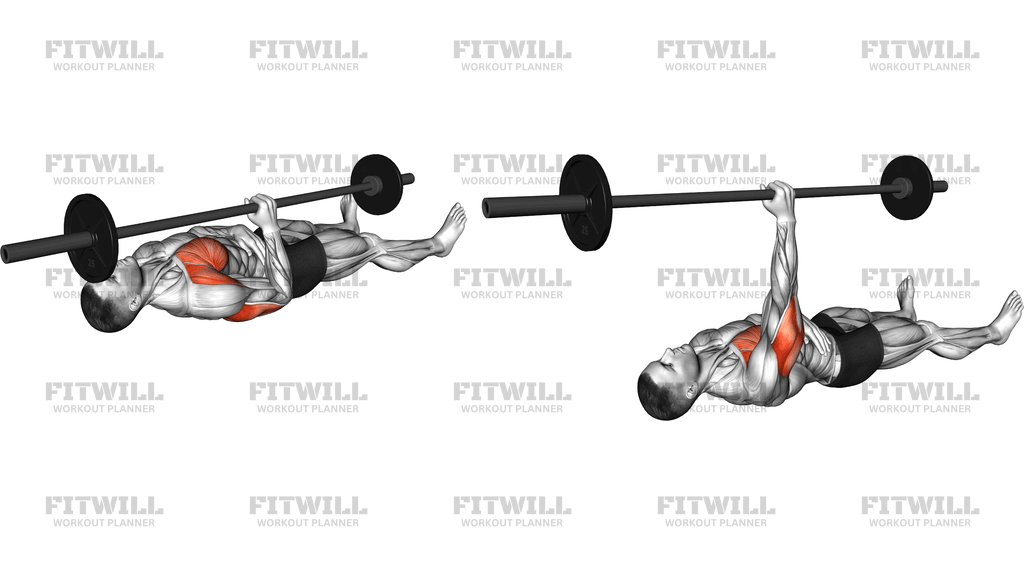
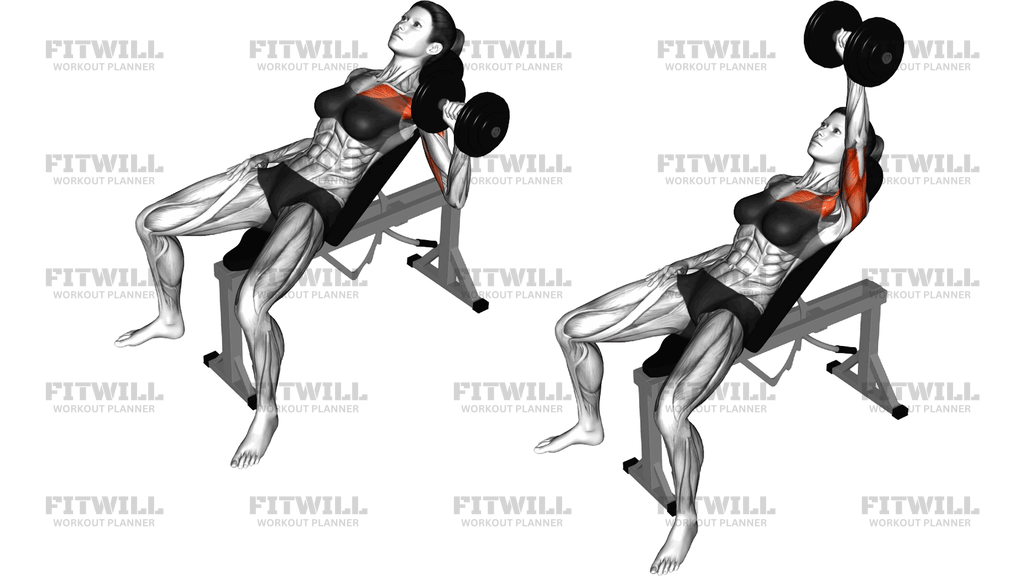
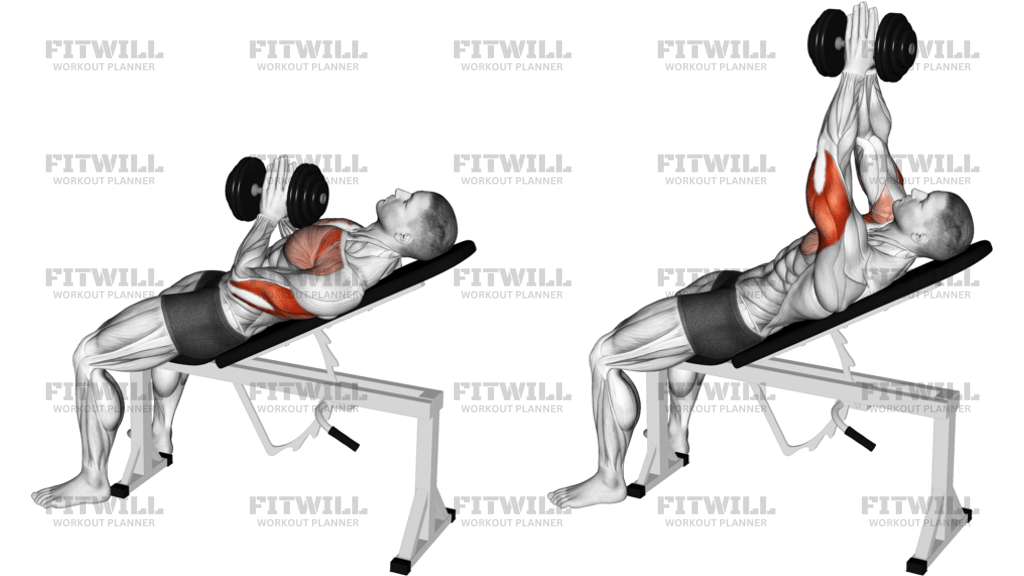
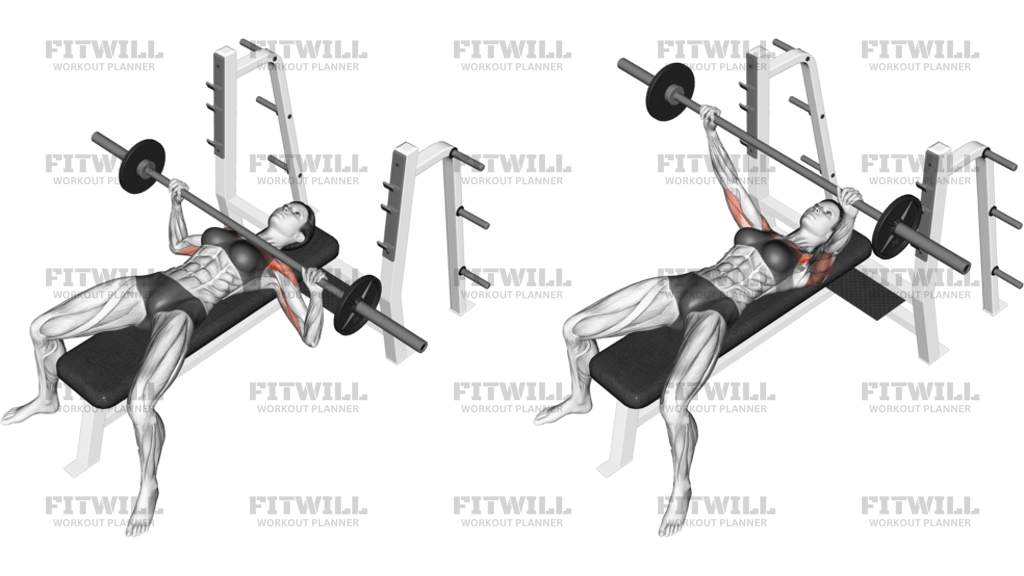
The image shows the barbell lowered in a power rack to a pair of boards placed on the torso, then pressed straight back to lockout. A stable bench, firm feet, a tight upper back, and a controlled touch on the boards matter more here than in a free-range press because the reduced range can tempt lifters to rush the descent or bounce the bar. The best reps are smooth, brief at the bottom, and explosive off the boards without losing shoulder position or wrist alignment.
Use this variation when you want to emphasize the top half of the bench press, train a stronger lockout, or manage stress in the lower position of a full bench. It can also be a helpful accessory for lifters who already know how to bench well and want a more specific overload tool. Beginners should usually learn the standard bench press first, because the board setup still demands solid control, a reliable rack setup, and good awareness of bar path.
Treat the boards like a fixed depth target, not a place to crash the bar. Keep the boards secure, use safeties or a spotter when the load gets heavy, and stop the set if the bar drifts, the boards shift, or the shoulders lose their packed position. The lift should feel powerful but organized, with each rep touching the same spot and finishing in a strong, clean lockout.
[ Workout Log & Planner ]
Put your next workout in Fitwill
Keep your plan and training log ready when you are.


Instructions
- Set the bench inside a rack with the safeties or a spotter ready, then place the 2-board stack on your torso so it stays centered on the touch point.
- Lie back with your eyes under the bar, feet flat on the floor, upper back arched slightly, and shoulder blades pulled down and together.
- Grip the bar with your preferred bench width, stack your wrists over your forearms, and squeeze the bar before you unrack it.
- Unrack the bar to locked elbows and bring it over the shoulders so the start position is steady before the first descent.
- Lower the bar under control until it lightly touches the boards, keeping the forearms vertical and the elbows under the bar.
- Pause briefly on the boards without bouncing or relaxing your upper back.
- Press the bar straight up and slightly back to the rack until your elbows lock out at the top.
- Keep your feet driving into the floor and your ribcage set as you repeat each rep with the same touch point.
- Rack the bar carefully after the last rep, keeping control until the hooks are fully secure.
Tips & Tricks
- Center the two boards under the bar path before unracking; if they sit too high or too low on the torso, the touch point and elbow angle will change rep to rep.
- Keep the shoulder blades pinned down and back so the shortened range does not turn into sloppy shoulder protraction at the bottom.
- Touch the boards lightly and stop the descent yourself; bouncing off the stack defeats the point of the variation and can jar the shoulders.
- Use a grip that leaves your forearms close to vertical when the bar touches the boards, which usually keeps the wrists and elbows stacked better.
- Expect to use less load than a full-range bench if you are new to board pressing, because the bar still needs to stay controlled through the top half of the lift.
- Drive the feet hard into the floor on every rep so the torso stays fixed while the bar leaves the boards.
- Press in a clean line up and slightly back toward the hooks instead of straight toward the ceiling, which helps the bar finish over the shoulders.
- Keep the bar path and touch point identical on every repetition; board press work is most useful when each rep looks the same.
- Use a spotter or set the safeties high enough that you can rerack safely if the bar stalls above the boards.
Frequently Asked Questions
What does the 2-board bench press train most?
It mainly overloads the mid-range and lockout of the bench press, with strong emphasis on the chest, triceps, and front shoulders.
Why use boards instead of a full bench press?
The boards shorten the range of motion so you can train a heavier top-end press, reduce the deepest shoulder angle, and focus on lockout strength.
Where should the boards sit on my chest?
They should be centered on the torso so the bar touches the same spot on every rep and the stack stays stable under the bar.
Should I bounce the bar off the boards?
No. Touch the boards lightly, pause long enough to stay in control, and then press without crashing into the stack.
Is this a beginner-friendly exercise?
Usually not as a first bench variation. Most beginners should learn a full bench press before using board presses for overload work.
How wide should my grip be on a board press?
Use a grip similar to your bench press setup, or slightly narrower if that keeps your forearms vertical and your elbows stacked under the bar.
What is the most common mistake with this setup?
Letting the boards shift, lowering the bar too fast, or losing the upper-back arch so the touch point changes from rep to rep.
Can I do board presses without a spotter?
Only if the rack safeties are set correctly and you can rerack safely on your own. Heavy board presses are better with a spotter.