2 To 1 Jump Box
2 To 1 Jump Box is a bodyweight plyometric drill where you jump off two feet and land on one foot on top of a box. The movement is built to train explosive takeoff, single-leg landing control, and quick coordination, so the jump matters as much as the landing. It is more demanding than a standard box jump because the landing leg has to absorb the force by itself instead of sharing it with the other foot.
The main training value comes from the lower body producing force together, then controlling that force on one side. Quads, glutes, calves, and the hip stabilizers all help, but the real skill is keeping the landing leg stacked and quiet while the torso stays tall. When the drill is done well, it teaches you to absorb force without the knee collapsing inward or the hip drifting to one side.
Setup matters because this is a power drill, not a distance jump. Place a stable box in front of you on a non-slip surface and stand close enough that you can jump straight up and slightly forward without reaching. The box should be low enough that you can land on one foot with confidence and hold the top position without wobbling. If the box is too high, the rep turns into a scramble instead of a clean plyometric.
Each rep should begin from a shallow athletic crouch with the feet set under the hips or slightly wider. Drive both feet into the floor, swing the arms, and jump onto the box. Land on one foot with the whole foot centered on the surface, then bring the other knee up for balance and stand tall before stepping down. Alternate sides from rep to rep or from set to set so both legs get the same quality work. The goal is a fast but controlled contact, not a rushed bounce.
2 To 1 Jump Box fits well in plyometric blocks, warmups for running or lifting, or athletic conditioning when you want power and coordination without long sets of fatigue. It is not a drill to chase when you are already sloppy or winded, because missed balance and noisy landings reduce the benefit and raise the risk of a bad step. Keep the reps crisp, lower the box if the landing gets unstable, and stop the set when you can no longer land quietly and reset under control.
Fitwill
Log Workouts, Track Progress & Build Strength.
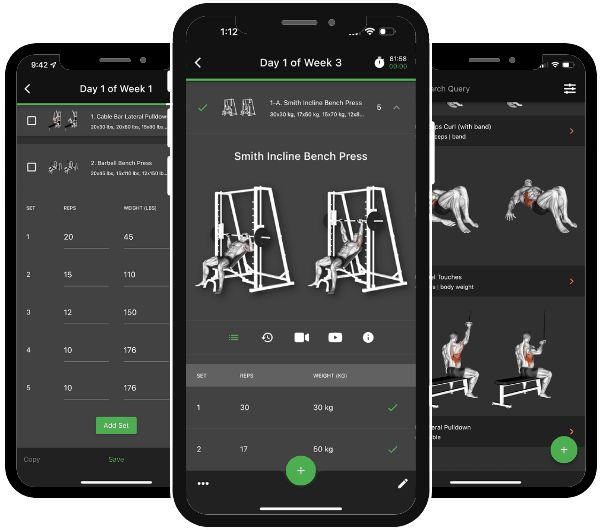
Achieve more with Fitwill: explore over 5000 exercises with images and videos, access built-in and custom workouts, perfect for both gym and home sessions, and see real results.
Start your journey. Download today!


Instructions
- Place a stable box on a flat, non-slip surface and stand close enough that you can jump straight up and slightly forward without reaching for it.
- Set your feet about hip-width apart, keep your chest up, and sink into a shallow athletic crouch before each rep.
- Let your arms drift behind you to load the jump while you keep your weight centered over the midfoot.
- Drive through both feet and explode onto the box with a strong arm swing.
- Land on one foot in the center of the box with the knee tracking over the toes and the torso tall.
- Bring the free knee up for balance, then hold the top position long enough to show control.
- Step down carefully, reset your stance, and alternate legs on the next repetition or set.
- Keep the breathing sharp and consistent, exhaling on the jump and resetting before the next rep.
Tips & Tricks
- Choose a lower box than you would for a regular box jump if the single-leg landing feels sketchy.
- Keep the takeoff vertical and crisp; if you are reaching far forward, the box is probably too far away.
- Land on the whole foot instead of the toes only so the ankle and knee can absorb the force together.
- Watch the landing knee: it should track in line with the second toe, not cave inward.
- Use the arm swing to help the jump, but do not let your torso fold over the thighs.
- Step down after each rep if balance is shaky; do not rebound off the box just to keep the pace high.
- Keep the box stable and dry, especially if you are training on a slick gym floor.
- Stop the set as soon as the landing gets loud, sloppy, or asymmetric.
Frequently Asked Questions
What does 2 To 1 Jump Box train?
It trains explosive two-foot takeoff power plus single-leg landing control on top of the box.
Is 2 To 1 Jump Box the same as a regular box jump?
No. A regular box jump lands on two feet, while this version lands on one foot and demands more balance control.
Which foot should land on the box?
Either foot can land, but alternate sides so both legs get the same amount of work over time.
How high should the box be for 2 To 1 Jump Box?
Use a height that lets you land softly on one foot and stand tall without wobbling. Lower is usually better for this drill.
Can beginners do this exercise?
Yes, but only with a low box and very few reps. If the landing is unstable, a standard box jump is the better starting point.
What is the biggest mistake on this movement?
Jumping too far forward or landing with the knee collapsing inward is the most common form problem.
How many reps should I use?
Keep sets short, usually just a few crisp reps, so each landing stays powerful and controlled.
What can I use instead if the landing feels too hard?
A regular box jump or a step-up variation is a better substitute until your single-leg landing control improves.