Cable Half Kneeling Push Pull
Cable Half Kneeling Push Pull is a half-kneeling cable drill that combines a forward press with a pull back to train the shoulders, upper back, arms, and trunk together. One arm reaches or presses away from the body while the other arm draws back, so the set challenges both strength and control instead of letting one side do all the work. The kneeling position makes the body work harder to stay tall and square, which is why this movement is often used when you want upper-body output with a real anti-rotation demand.
The setup matters a lot because the cable line, knee-down position, and foot placement decide whether the rep feels smooth or messy. Set the cable so the handle path lines up around chest height, then take a half-kneeling stance with one knee on the floor, the opposite foot planted, and your hips stacked over the kneeling side. Keep your front shin roughly vertical, ribs down, and pelvis level before you start pulling or pressing. If the stack is too close or too far away, the handles will drift and the torso will start to twist.
Each repetition should look controlled and balanced. Brace the midsection, keep the chest tall, and drive one hand forward as the opposite elbow pulls back toward the ribcage. Let the shoulder blades move naturally, but do not shrug or rotate through the lower back to finish the rep. The goal is a clean press-pull pattern with steady tension through the cable, not a big body swing or a forced range of motion.
This exercise fits well in upper-body accessory work, shoulder stability work, or a conditioning block where you want coordinated effort from the chest, back, arms, and core. It can be especially useful when a lifter needs more trunk control during pressing and rowing patterns, or when you want to build shoulder coordination without the looseness that often shows up in standing cable work. Because the body is supported by the floor, it is also a useful option for learning how to keep the ribs, hips, and shoulders organized under load.
Keep the movement honest. Choose a resistance that lets both arms move with the same rhythm, and stop the set if the torso starts leaning into the stack, the front knee slides, or the lower back arches to help the handles travel farther. A smooth return matters as much as the press-pull itself, because the lowering phase is where many reps lose position. With the right load and setup, this is a compact but demanding drill for shoulder control, upper-back engagement, and core stability.
Fitwill
Log Workouts, Track Progress & Build Strength.
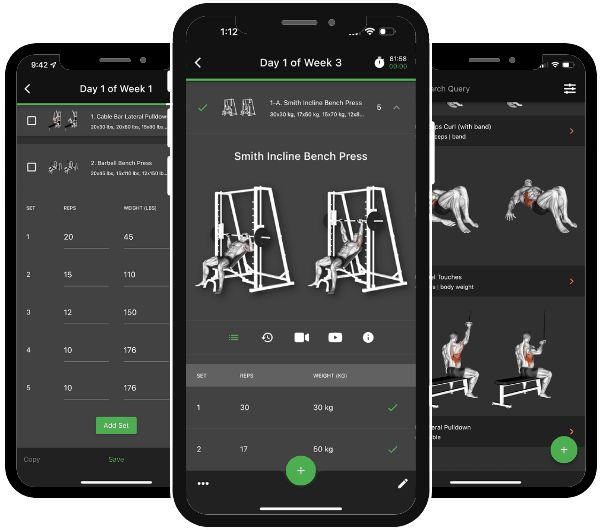
Achieve more with Fitwill: explore over 5000 exercises with images and videos, access built-in and custom workouts, perfect for both gym and home sessions, and see real results.
Start your journey. Download today!


Instructions
- Set the cable handles around chest height and kneel a step away from the machine in a split stance, with one knee down and the opposite foot flat in front.
- Hold a handle in each hand and face the cable stack so the lines of pull stay level with your chest.
- Stack your ribs over your pelvis, squeeze the glute on the down-knee side, and keep both shoulders level before the first rep.
- Start with one arm slightly forward and the opposite elbow pulled back beside your ribcage.
- Press the forward-side hand straight out from the chest as the other arm rows back toward the lower ribs.
- Keep the torso square and resist twisting toward the cable tower as the handles move in opposite directions.
- Pause briefly when both arms reach their end positions without letting the lower back arch or the shoulders hike up.
- Return both handles under control until you are back in the starting split-kneeling position.
- Exhale through the press-pull and inhale on the controlled return.
- Reset your stance before the next rep if the front foot slides or the torso starts leaning.
Tips & Tricks
- Choose a cable height that lets the starting handle path sit roughly at mid-chest, not above the shoulder or down near the waist.
- Keep the kneeling-side glute switched on so the pelvis does not tip forward and the low back does not take over.
- Think of the front arm as a straight press and the rear arm as a clean row; do not turn it into a wild diagonal swing.
- Keep the elbows moving in line with the ribcage instead of letting them flare wide.
- If the torso rotates toward the stack, step a little farther away or reduce the load until you can stay square.
- Let the shoulders stay down and wide; shrugging usually means the load is too heavy or the reach is too aggressive.
- A short pause at full reach and full pull makes the rep feel much more stable than bouncing through the cable tension.
- Use a slower return than the drive phase so the cable never yanks you out of position.
- Keep the front shin planted and the foot tripod active so the split stance stays solid during the press-pull.
Frequently Asked Questions
What does Cable Half Kneeling Push Pull train?
It trains the shoulders, upper back, arms, and core together while teaching the torso to resist rotation in a half-kneeling stance.
Can beginners perform this exercise?
Yes. Beginners can use light cable resistance and a slower tempo as long as they can keep the hips and ribs square.
Should both arms move at the same time?
They should. One arm presses forward while the other arm pulls back, so the rep stays coordinated and balanced.
Where should the cable handles start?
Set them around chest height so the press and row both travel on a clean horizontal path without forcing the shoulders up.
What is the biggest form mistake?
Twisting the torso toward the cable stack. The hips, ribs, and shoulders should stay stacked as the arms move.
Which knee should be down?
Use the half-kneeling setup that keeps you stable and square to the cable path, with one knee on the floor and the opposite foot planted.
Can I use this as a warm-up?
Yes, it works well as a shoulder-and-core activation drill when the load is light and the reps stay crisp.
How do I make it harder without adding a lot of weight?
Slow the return, add a brief pause at the end of each rep, or step a little farther from the stack while keeping the torso still.