Dumbbell Seated Lateral To Front Raise
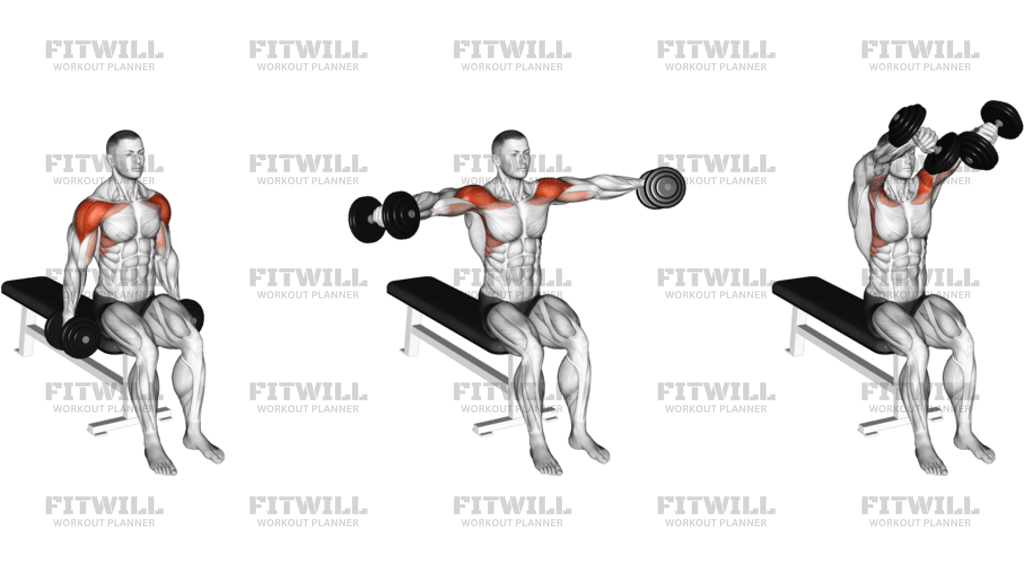
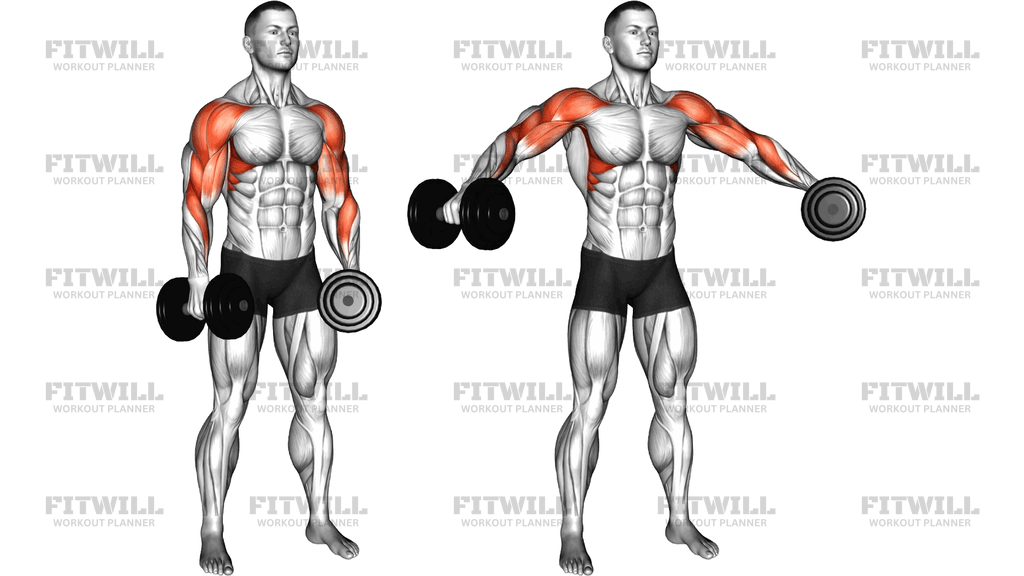
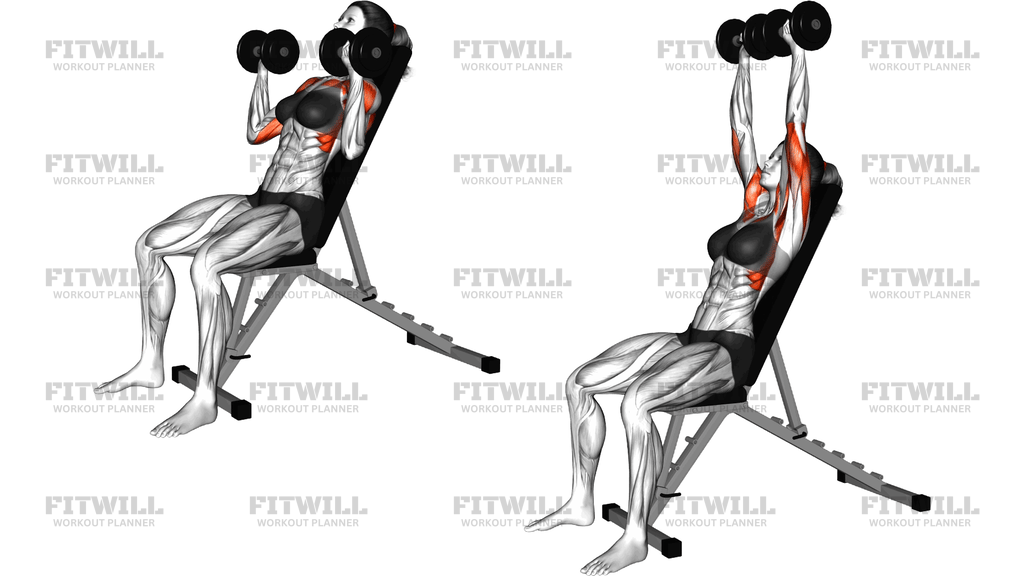
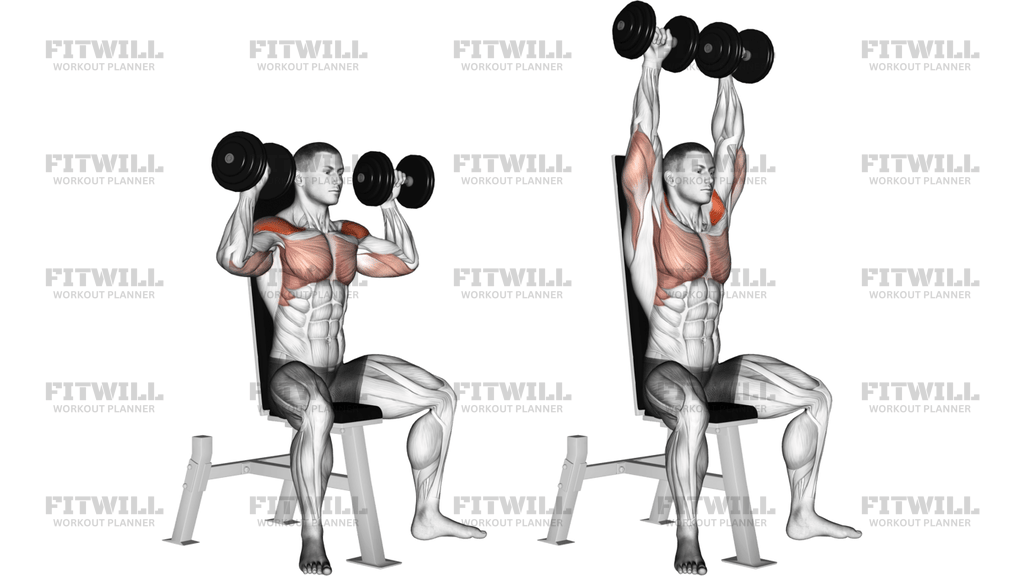
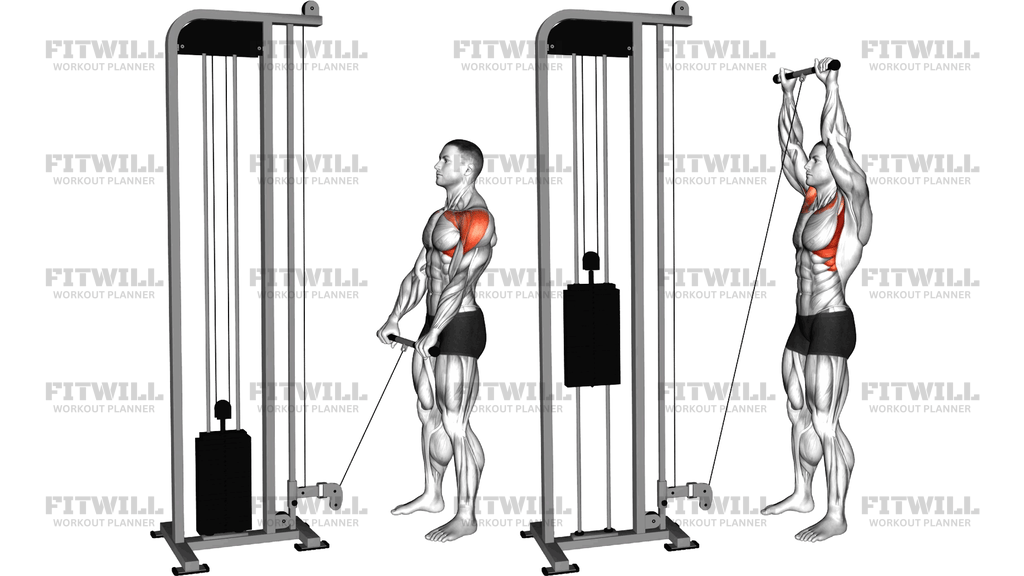
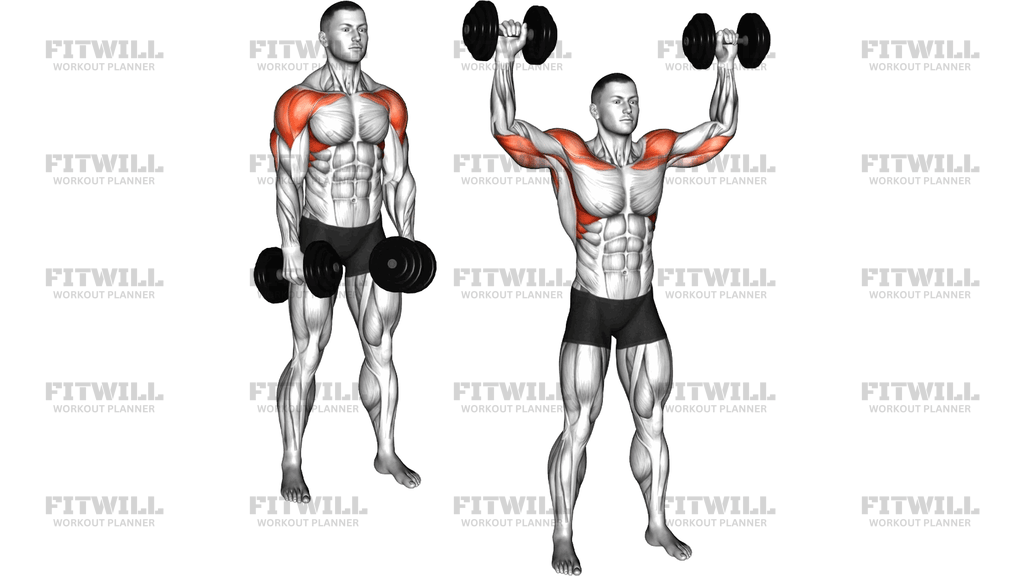
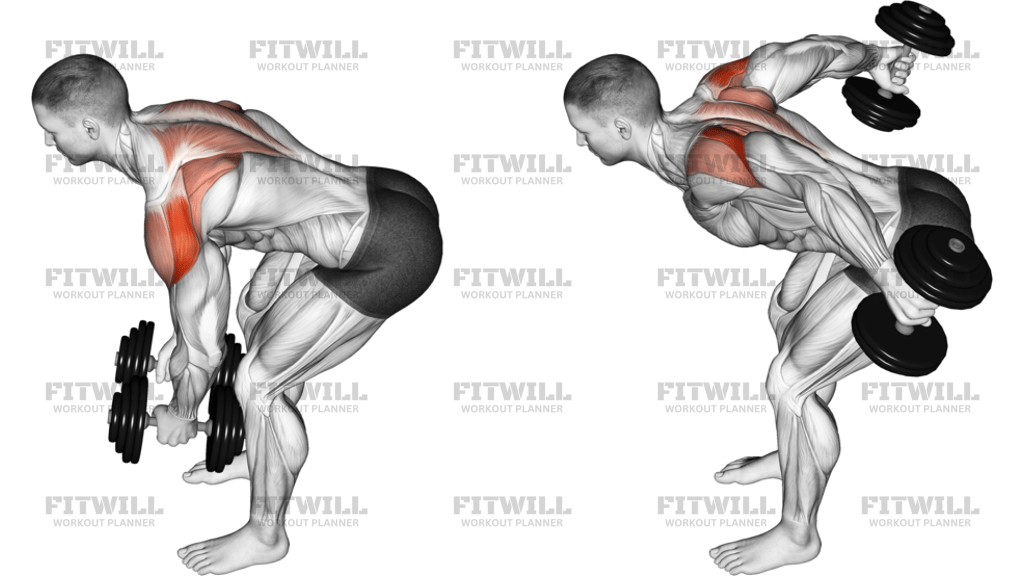
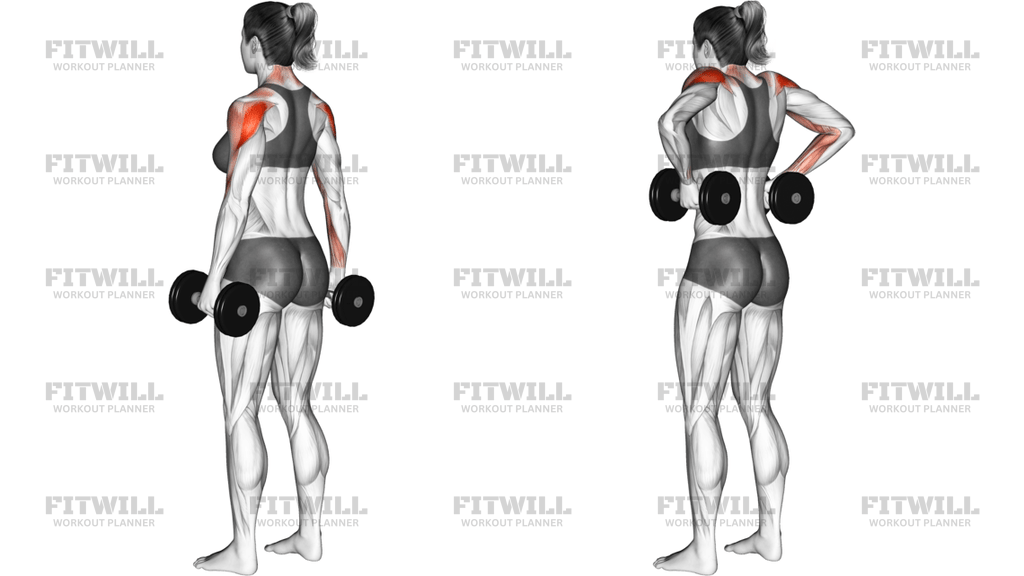
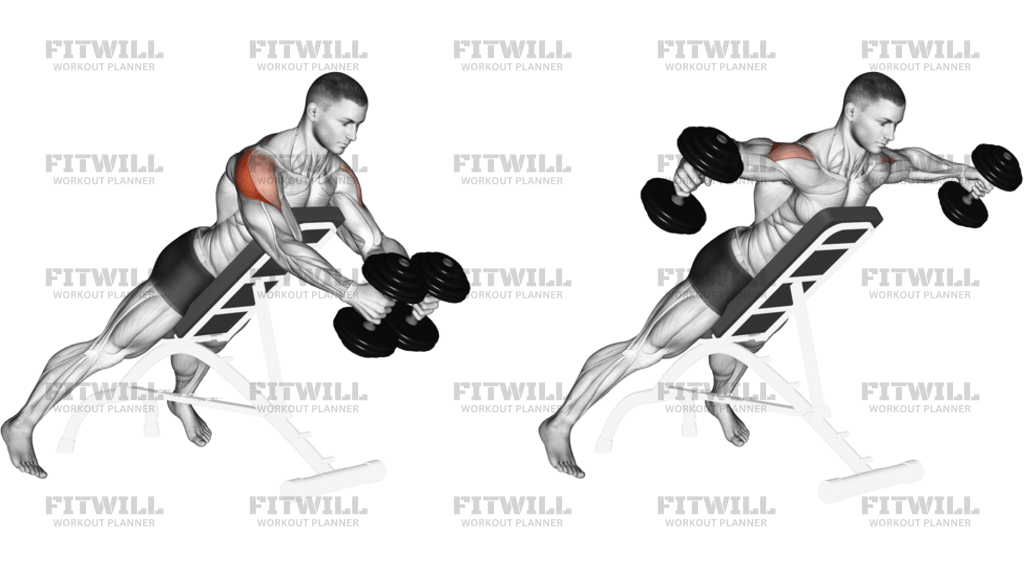
Dumbbell Seated Lateral To Front Raise is a seated shoulder isolation exercise that moves the arms from the sides of the body, out to shoulder height, and then into a higher front raise finish. The image shows a flat bench setup with the lifter sitting tall, feet planted, and a dumbbell in each hand. That setup matters because a stable seat makes it easier to keep the torso quiet while the delts do the work.
The exercise places the biggest demand on the lateral and front portions of the shoulders, with the upper traps, upper back, and arms helping to steady the path of the dumbbells. In practical terms, it is a controlled way to train shoulder abduction and shoulder flexion in one continuous arc. The movement is useful when you want a lighter accessory exercise that still challenges shoulder control, posture, and positioning through a long range of motion.
Start with the dumbbells hanging beside the thighs, shoulders set down, and chest tall. From there, raise the arms out to the sides until they reach shoulder height, then continue the same rep by sweeping the dumbbells forward and upward until they finish above eye level or close together overhead, depending on shoulder comfort. The return should follow the same path in reverse, with no swinging, leaning, or jerking to finish the rep.
Because this motion crosses from a lateral raise into a front raise, it can expose weak points in shoulder control quickly. A load that feels easy on a plain lateral raise may be too heavy here once the arms travel overhead. That is why the exercise works best with moderate-to-light dumbbells, crisp positioning, and a tempo that lets the shoulder muscles stay in charge instead of momentum taking over.
Use it as accessory work in a shoulder session, upper-body circuit, or warm-up when you want controlled deltoid tension without a barbell or machine. Keep the neck relaxed, avoid over-arching the lower back as the arms rise, and stop the set if the dumbbells start drifting forward or the bench position becomes unstable. The goal is smooth, repeatable shoulder mechanics, not chasing the highest possible weight.
[ Workout Log & Planner ]
Put your next workout in Fitwill
Keep your plan and training log ready when you are.


Instructions
- Sit on the edge of a flat bench with your feet flat, torso tall, and a dumbbell in each hand hanging beside your thighs.
- Set your shoulders down and back slightly, keep a soft bend in both elbows, and brace your midsection before the first rep.
- Begin by raising both dumbbells out to the sides in a wide arc until your arms reach shoulder height.
- Without pausing to swing, continue the same rep by bringing the dumbbells forward and upward until they finish above your forehead or near the top of the head.
- Keep the elbows slightly bent and the wrists stacked over the forearms as the weights travel through the arc.
- Lower the dumbbells along the same path in reverse: from overhead to shoulder height, then down beside the thighs.
- Exhale as you lift and inhale as you lower while keeping your torso still on the bench.
- Reset the shoulders and repeat for the planned number of repetitions with the same smooth path.
Tips & Tricks
- Choose lighter dumbbells than you would for a standard lateral raise, because the overhead finish adds a harder lever arm.
- Keep the shoulders from creeping toward your ears; the upper traps should assist, not take over the lift.
- Stop the rep if you have to arch your lower back to reach the top position, since that usually means the load is too heavy.
- Move both dumbbells through the same arc so one side does not drift higher or faster than the other.
- Lead with the elbows rather than the hands to keep tension on the delts instead of letting the wrists do the work.
- Lower slowly through the lateral-raise portion of the descent, because that is where many people lose control and drop the weights.
- Keep the bench contact stable through your sit bones and feet so the torso does not rock with each rep.
- If shoulder mobility is limited, finish just above shoulder height instead of forcing the dumbbells deep overhead.
Frequently Asked Questions
What muscles does Dumbbell Seated Lateral To Front Raise work most?
It primarily trains the delts, especially the lateral and front heads, with the upper traps and upper back helping stabilize the path.
Why is this version seated on a flat bench?
Sitting on the bench removes a lot of leg drive and torso sway, which makes it easier to keep the dumbbells on a clean arc.
How heavy should the dumbbells be for this movement?
Use a load that lets you reach shoulder height and finish overhead without shrugging, leaning back, or shortening the lowering phase.
Should the dumbbells travel straight up?
No. They should sweep out to the sides first, then continue forward and upward so the rep matches the lateral-to-front path.
Can I stop at shoulder height instead of going overhead?
Yes. If your shoulders feel pinched or you cannot keep the torso still, finishing at shoulder height is a safer option.
What is the most common form mistake?
The usual problem is using momentum from the torso or shrugging the shoulders to get the dumbbells overhead.
Is this exercise good for beginners?
Yes, if they use very light dumbbells and keep the motion smooth, but the overhead finish makes it harder than a basic raise.
Where should I feel the working tension?
You should feel it mostly in the shoulders, with some upper back and trap assistance near the top of the arc.