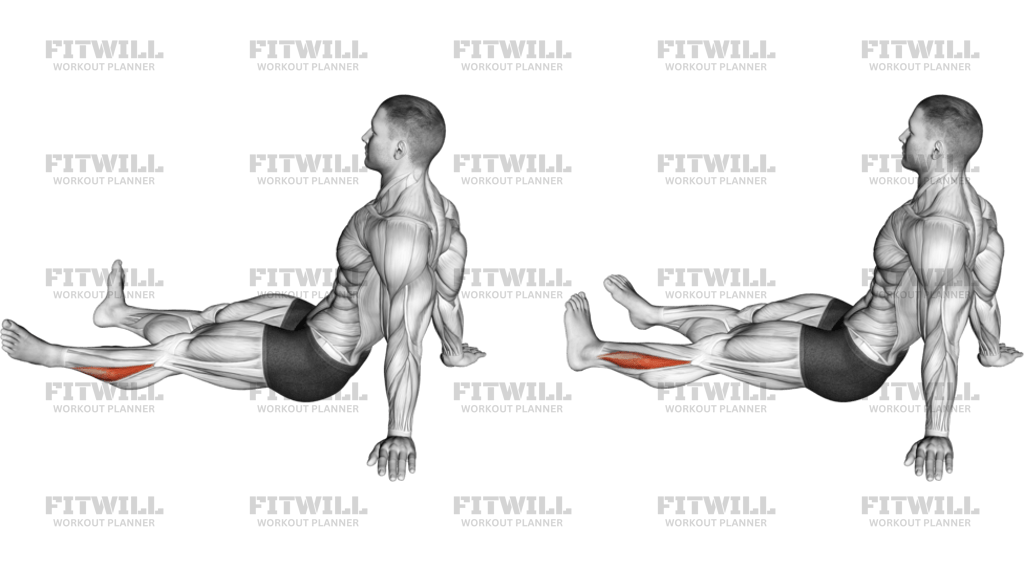
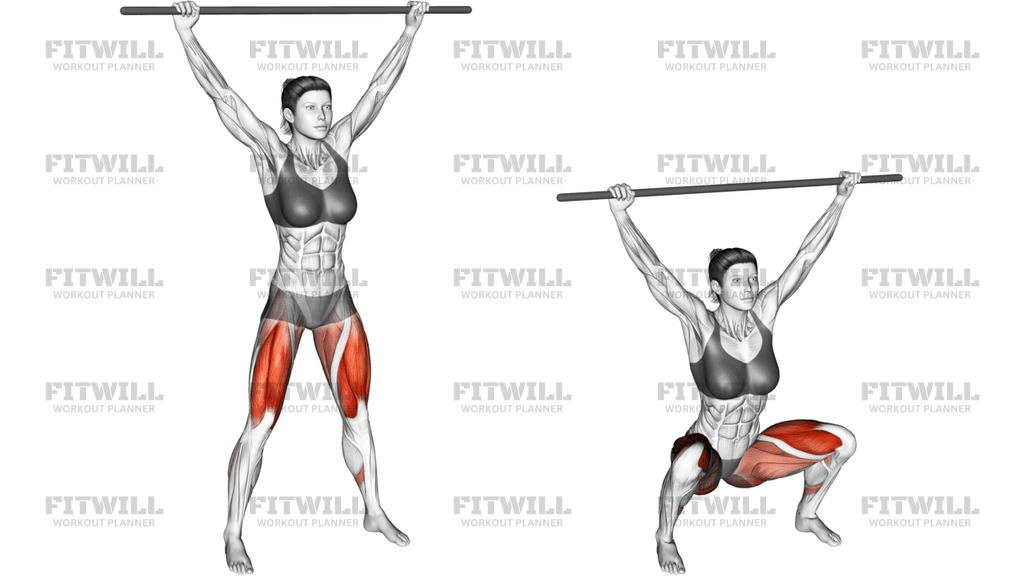
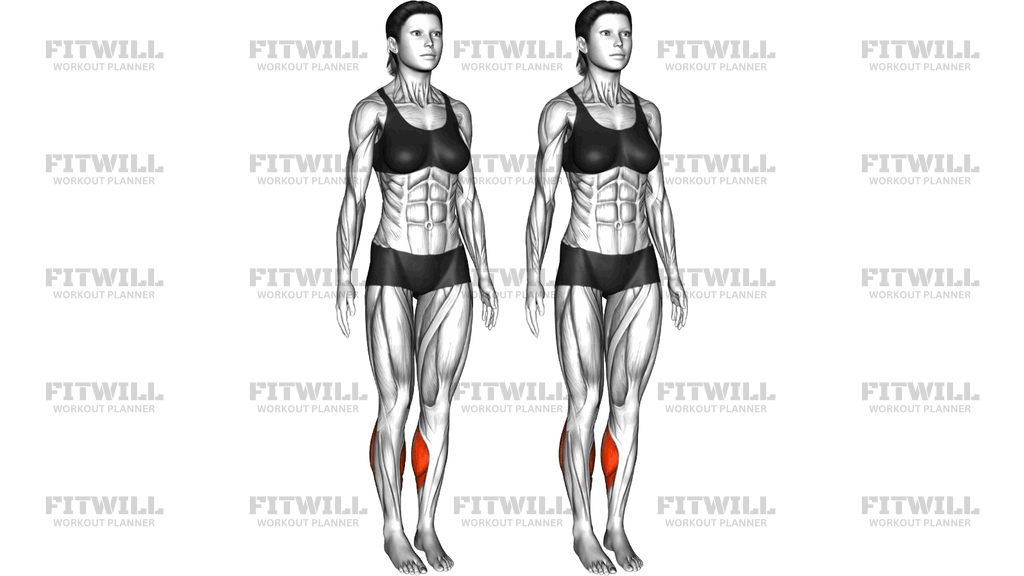
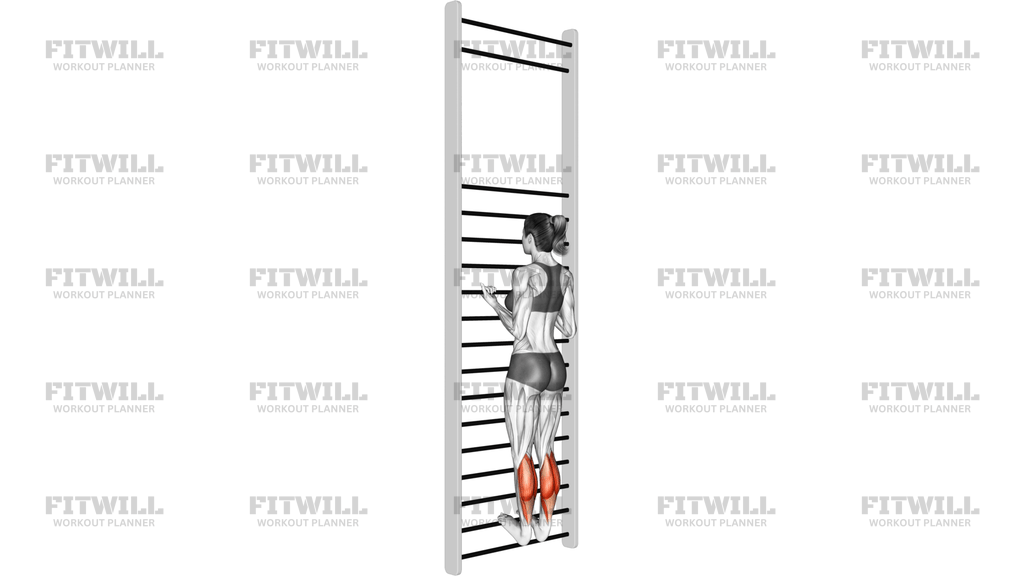
Circles Knee Stretch
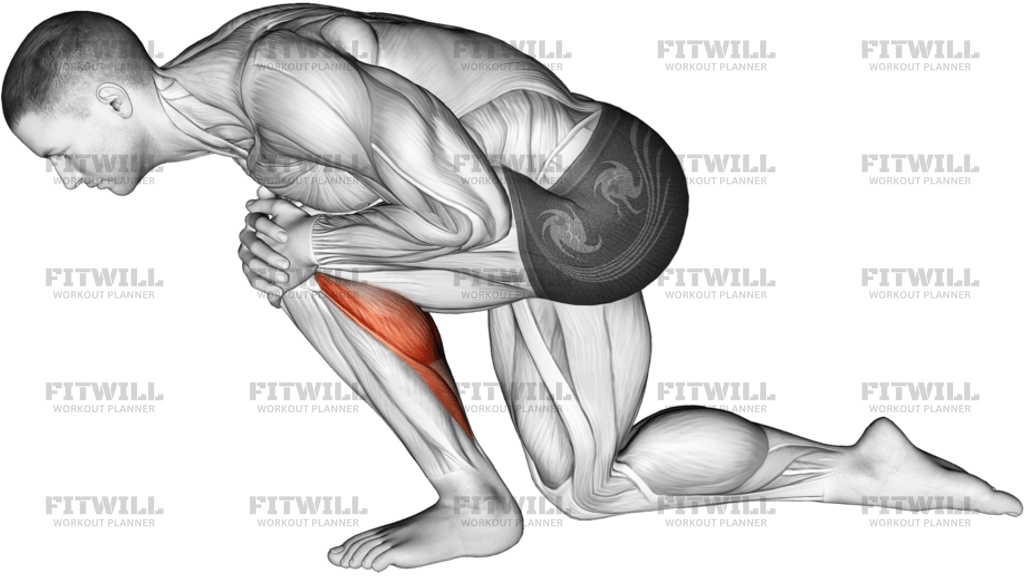
Circles Knee Stretch is a standing bodyweight mobility drill performed on an exercise mat with the feet planted close together and the hands resting on the hips. The knees stay softly bent while you trace smooth circles with the lower body, using control rather than force. The goal is to warm the lower legs, improve awareness around the knees and ankles, and build the kind of steady alignment that helps the rest of a warm-up feel organized.
This exercise is simple, but the setup matters. A narrow stance makes the movement easy to read, while a slight knee bend lets the ankles, calves, and surrounding support muscles move without locking out. Keep the chest lifted, the ribs stacked over the pelvis, and the weight spread evenly through both feet so the circle comes from controlled lower-body motion instead of a wobble through the torso.
Because the movement is circular, the range should stay small and smooth. Bigger circles usually turn into twisting, bouncing, or shifting the hips too far off center. A clean repetition feels like the knees are drawing a slow loop while the feet stay rooted and the upper body stays quiet. That makes the drill useful before running, jumping, squatting, or any session where the lower body needs to feel warm and coordinated.
Circles Knee Stretch also works well when the lower legs feel stiff and you want a low-impact way to get them moving again between harder sets. It is not meant to be aggressive or painful. Stay in a comfortable stretch, reverse direction after a few repetitions, and keep breathing relaxed. If balance is limited, hold a wall or rack lightly for support and make the circles smaller until control improves.
Done well, this movement teaches you to keep the knees tracking smoothly while the ankles, calves, and feet stay stable underneath you. That combination makes it more than a generic stretch: it becomes a controlled mobility drill that can prepare the lower body without adding fatigue.
[ Workout Log & Planner ]
Put your next workout in Fitwill
Keep your plan and training log ready when you are.


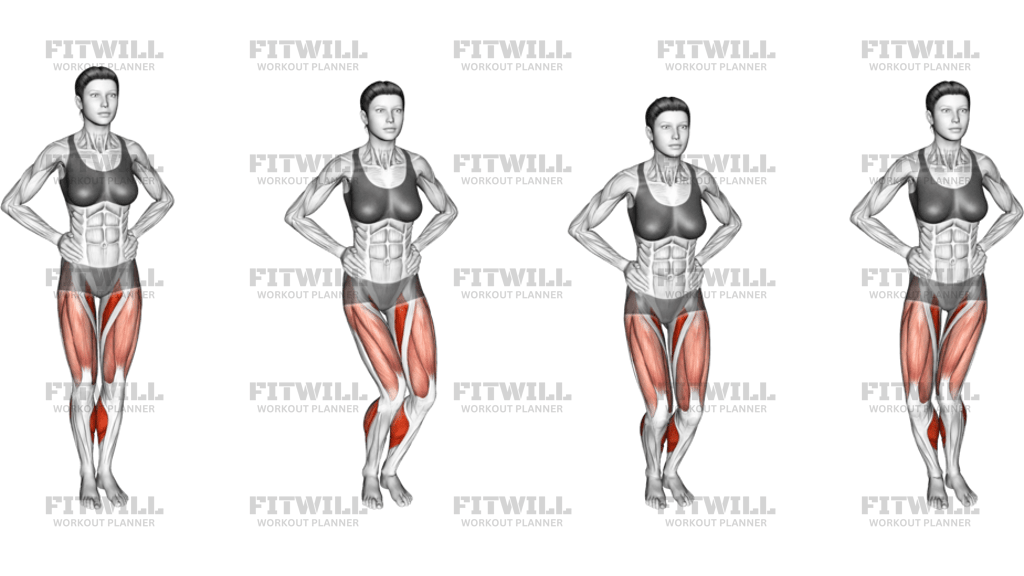
Instructions
- Stand on the mat with your feet close together, toes pointing forward, and your hands on your hips.
- Soften both knees slightly and stack your ribcage over your pelvis before you start to move.
- Keep your heels and forefeet rooted as you shift the knees forward into a small circle.
- Trace the knees around to one side, then back and around to the other side without twisting the torso.
- Use a slow, continuous motion so the circle stays smooth and even instead of jerky.
- Breathe out as the knees pass through the hardest part of the circle and keep the neck relaxed.
- Complete your chosen reps in one direction, then reverse the circle and match the same control.
- If your balance feels unsteady, lighten the bend and use a nearby support while you keep moving.
Tips & Tricks
- Keep the circles small enough that your torso stays almost still; the knees should move more than the hips.
- Imagine pressing the floor evenly through both feet so you do not roll onto the outside edge of one foot.
- Soft knees work better than locked knees because the bend lets the lower legs glide without jolting the joints.
- If the movement pinches in the knee, shrink the circle and make the path more vertical.
- Move slowly enough that you can feel the calves and ankles participating instead of just swinging through momentum.
- Hold the hips square to the front; rotating the pelvis turns the drill into a trunk twist instead of a knee circle.
- Use a wall, post, or rack for a fingertip support if balance is limiting the quality of the circle.
- Reverse direction after a few reps so both sides of the lower leg get the same warm-up pattern.
Frequently Asked Questions
What does Circles Knee Stretch work most?
It primarily targets the calves and the surrounding lower-leg support muscles, while the knees and ankles learn to move together smoothly.
Is this a good warm-up before leg training?
Yes. The standing knee circles are a low-impact way to warm the ankles, calves, and lower body before squats, jumps, or running.
Do my feet stay planted during the circle?
Yes. Keep both feet on the mat and let the knees trace the circle above them instead of stepping or bouncing.
What is the most common mistake with this movement?
Most people make the circle too big and start twisting the torso. A smaller, smoother path is usually better.
Can I hold onto something for support?
Yes. A light fingertip hold on a wall or rack is useful if balance keeps you from making a clean knee circle.
Should I feel this in my knees?
You should feel motion and mild stretch, not pain. If the knee feels pinchy, shorten the circle and soften the bend.
How many circles should I do?
Use a short set of controlled reps in one direction, then repeat the same amount in the opposite direction.
Is this exercise suitable for beginners?
Yes. Beginners usually do best with a smaller range, a slow pace, and support nearby until the movement feels stable.