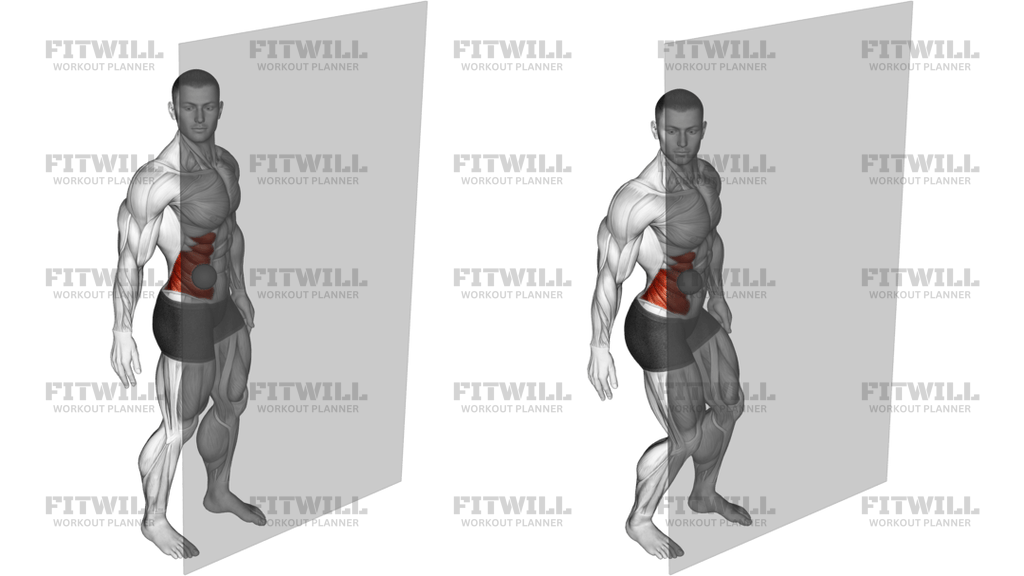
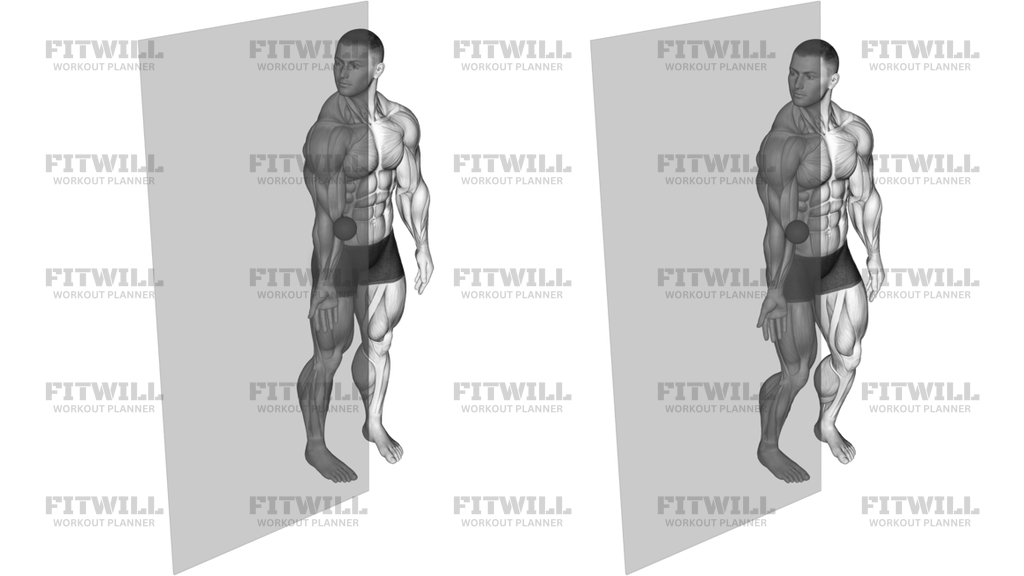
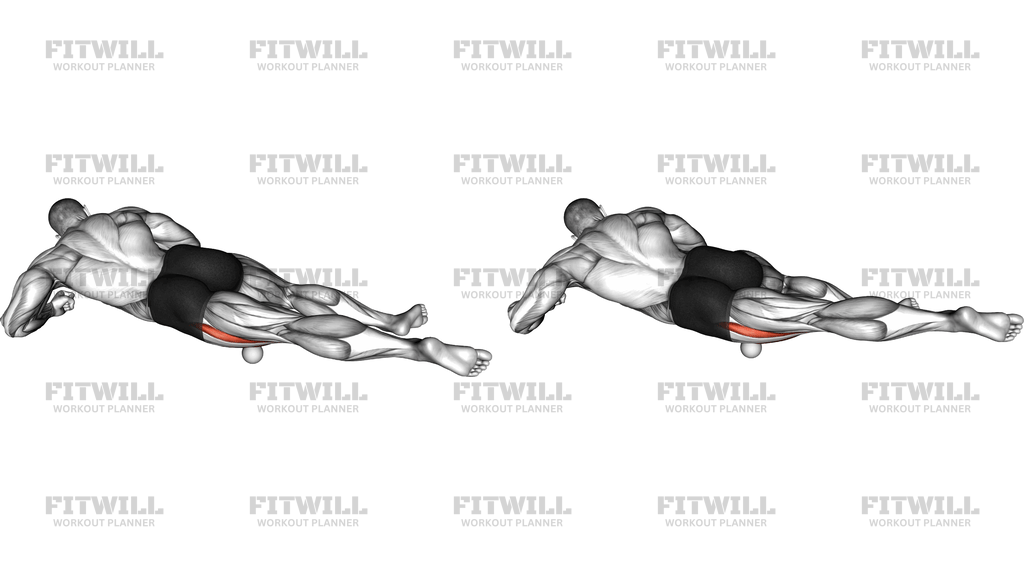
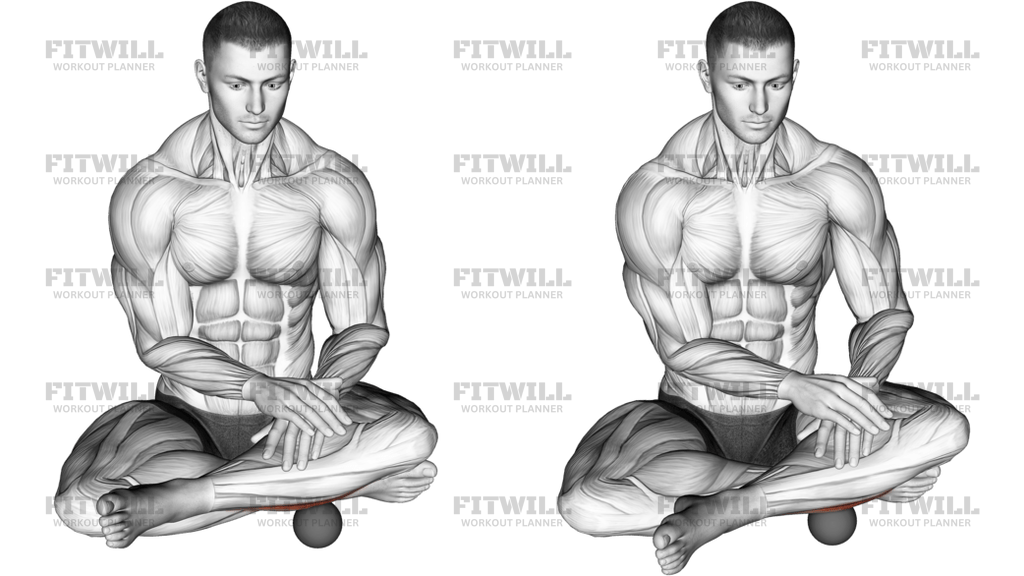
Roll Ball Piriformis Version 2
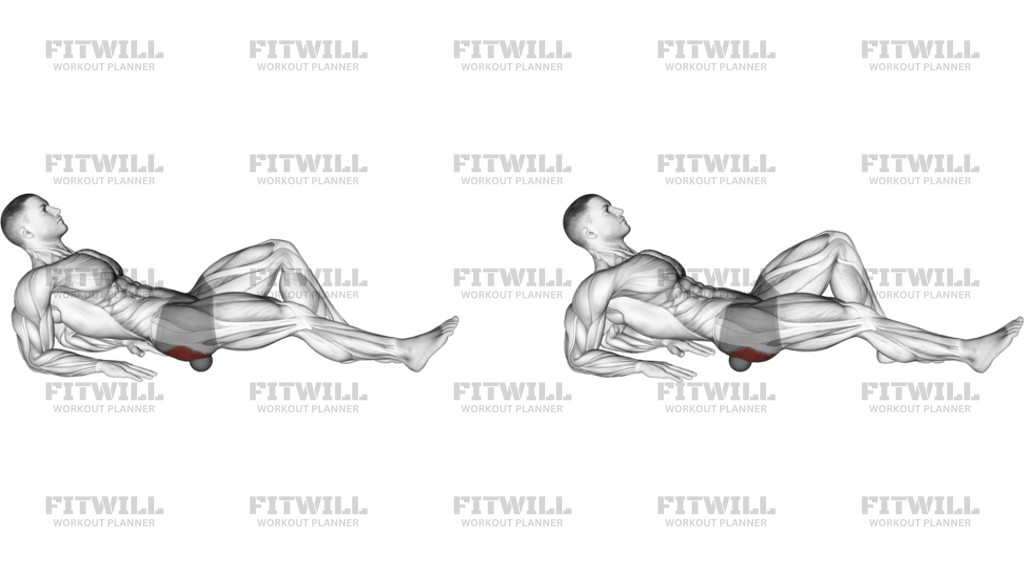
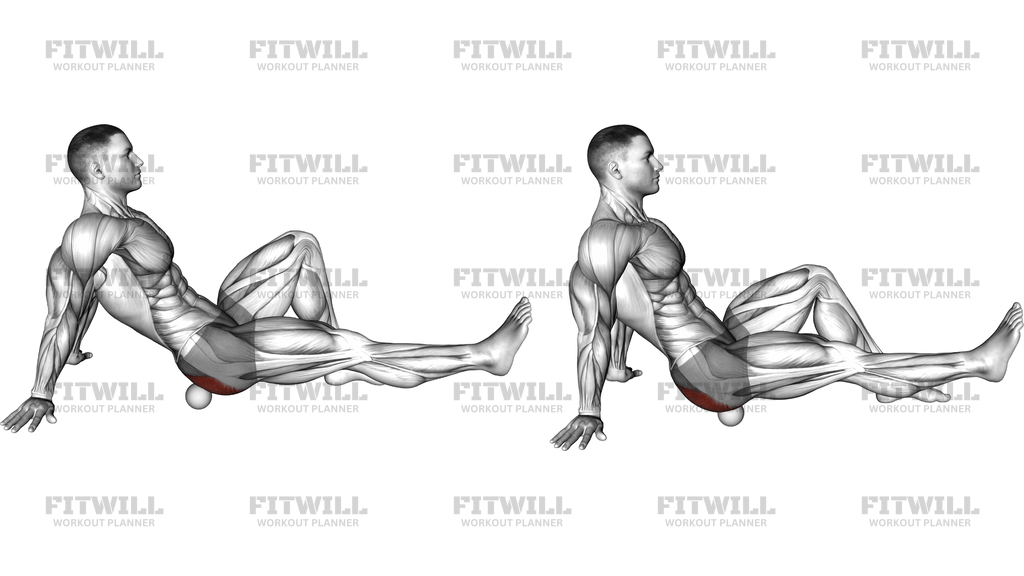
Roll Ball Piriformis (Version 2) is a targeted self-massage exercise for the deep gluteal area, using a rollball to ease tension around the piriformis and the surrounding hip rotators. It is not a power movement or a heavy strength drill; the value comes from finding a tight spot, settling your weight onto it, and letting steady pressure and small shifts in position do the work. That makes setup and pressure control more important than range or speed.
The exercise is especially useful if you sit for long periods, train hard with squats, runs, cycling, or lower-body lifting, or simply feel stiffness high in the back of the hip. The piriformis sits deep under the glute max, so a small change in where the ball sits can make the difference between useful pressure and a dull, unfocused grind. When the ball is placed correctly, you should feel a focused release in the fleshy part of the upper glute rather than pressure on the spine or the sit bone.
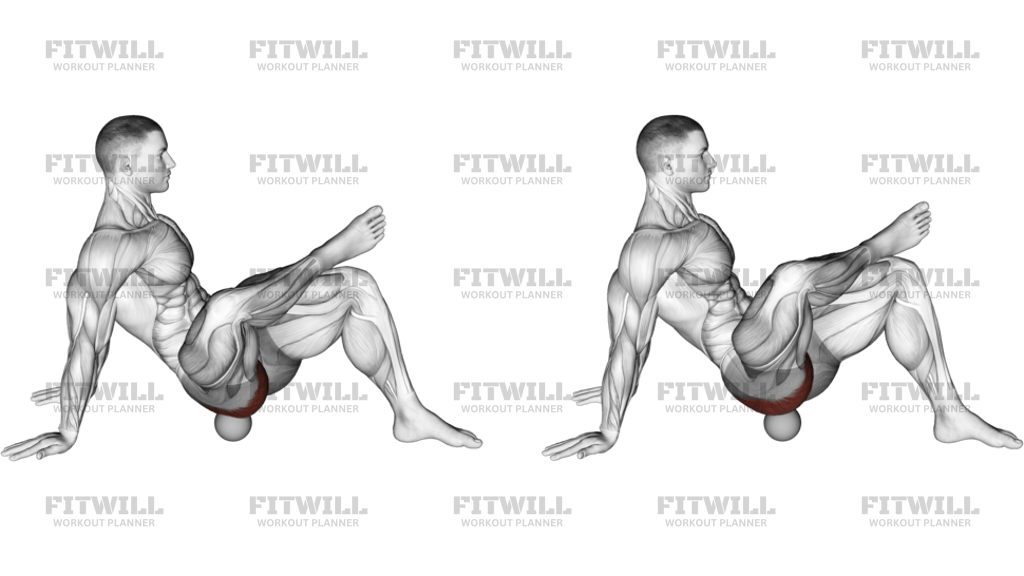
A good rep starts by supporting your body weight with your hands and controlling how much pressure you drop into the ball. You can keep the other leg extended or bend it slightly to help balance and unload the working side. From there, make short rolls, side-to-side shifts, or tiny circles instead of big sweeping motions. The goal is to search the tissue for tender points, then soften into them with calm breathing instead of bracing through the whole set.
Because this is a release drill, clean positioning matters more than load. If the pressure feels sharp, tingling, or too deep to relax into, reposition the ball slightly higher, wider, or more toward the outer glute until the sensation is firm but tolerable. Keep the torso quiet, the neck relaxed, and the pelvis steady so the ball stays under the muscle you are trying to address. That keeps the work local and makes the exercise more useful as part of a warm-up or recovery block.
Roll Ball Piriformis (Version 2) fits well before lower-body training to reduce stiffness, or after training to downshift tight hips and restore motion. It can also be a practical option on days when sitting has left the outer hip feeling locked up. Done patiently, it should leave the hip feeling freer and easier to move, not irritated or overly compressed.
[ Workout Log & Planner ]
Put your next workout in Fitwill
Keep your plan and training log ready when you are.


Instructions
- Sit on the floor or a mat with one leg extended in front of you and place the rollball under the fleshy upper part of the working-side glute, just outside the sit bone.
- Lean back onto your hands for support and let the torso stay tall enough that you can shift weight without collapsing through the low back.
- Keep the opposite leg extended or bend it slightly if you need more balance and less pressure on the working hip.
- Shift a little body weight onto the ball until you feel firm pressure in the deep glute rather than sharp pain on bone.
- Roll only a few centimeters at a time, moving back and forth or side to side to search the piriformis and surrounding hip rotators.
- When you find a tender point, stop there and hold the pressure for a few slow breaths while keeping the shoulders relaxed.
- Exhale as you settle into the tight spot, then inhale and make a small adjustment if the pressure becomes too intense.
- After the target side loosens, ease off the ball, sit up slowly, and repeat the same setup on the other hip.
Tips & Tricks
- Place the ball high in the back pocket area of the glute, not directly on the sit bone, if you want piriformis pressure instead of bone pressure.
- Use your hands behind you to control how much bodyweight drops into the ball; a few inches of hand position change can make the pressure much lighter or stronger.
- Small shifts usually work better than large rolls on this exercise because the piriformis is a small, deep muscle.
- If the pressure feels sharp or causes tingling down the leg, move the ball slightly wider or higher rather than forcing through the sensation.
- Keep the pelvis quiet while you roll so the movement stays local to the hip instead of becoming a full-body rock.
- A bent non-working leg can reduce pressure and make it easier to stay relaxed through the set.
- Hold the tender spot for only a few breaths at first; long, aggressive holds can make the area feel irritated instead of released.
- This works well after sitting, but it should leave the hip feeling freer, not sore or bruised, when you stand up.
- If the ball slips, use a mat on a non-slippery floor and reduce how far you lean into the side of the hip.
Frequently Asked Questions
What does Roll Ball Piriformis (Version 2) target?
It mainly targets the piriformis and the deep gluteal tissues around it, with the surrounding hip rotators helping stabilize the area.
Is Roll Ball Piriformis (Version 2) a stretch or a massage exercise?
It is closer to self-massage or self-myofascial release than an active strength exercise. The goal is to use the rollball to ease tension in the upper glute.
Where should the rollball sit for the best result?
Place it in the fleshy upper back corner of the glute, just outside the sit bone. If it feels like bone pressure, slide it slightly higher or wider.
Can beginners do this exercise comfortably?
Yes, as long as they keep the pressure light and use their hands to support more of their bodyweight. Beginners should start with short holds and small rolls.
Why do I feel the pressure more in one hip than the other?
One side is often tighter, less mobile, or easier to load because of sitting habits and training history. Adjust the ball position and bodyweight until the pressure feels focused but manageable.
Should I ever feel tingling or sharp pain?
No. Tingling, numbness, or sharp pain usually means the ball is too close to a nerve-sensitive spot or the pressure is too high, so reposition immediately.
What can I use instead of a rollball?
A firm massage ball or tennis ball can work, but a smaller ball is often more intense. Use the alternative that lets you stay relaxed and target the deep glute without guarding.
How long should I stay on each side?
About 1 to 2 minutes per side is usually enough, especially if you are using it before or after lower-body training. Stay shorter if the area feels irritated.