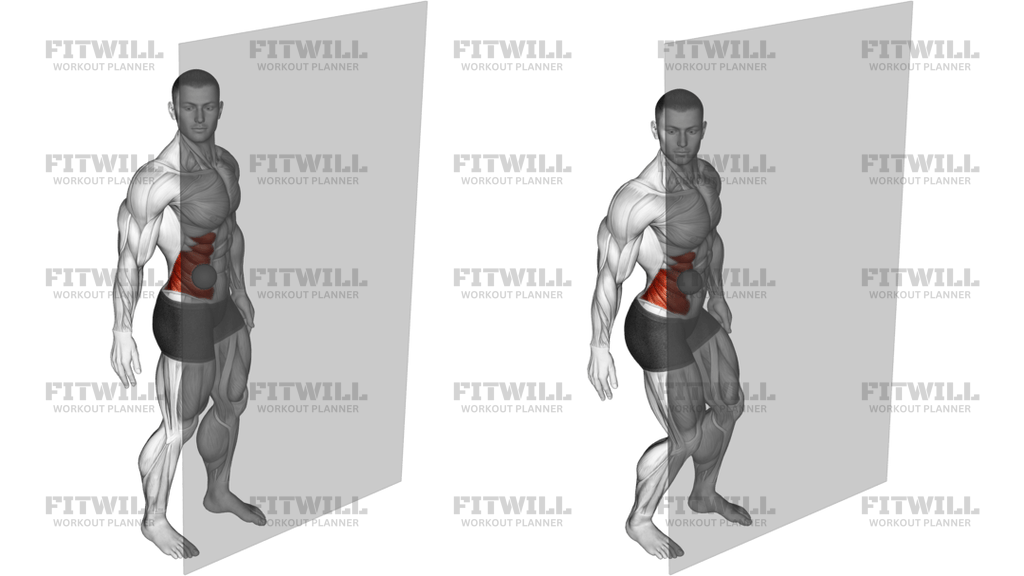
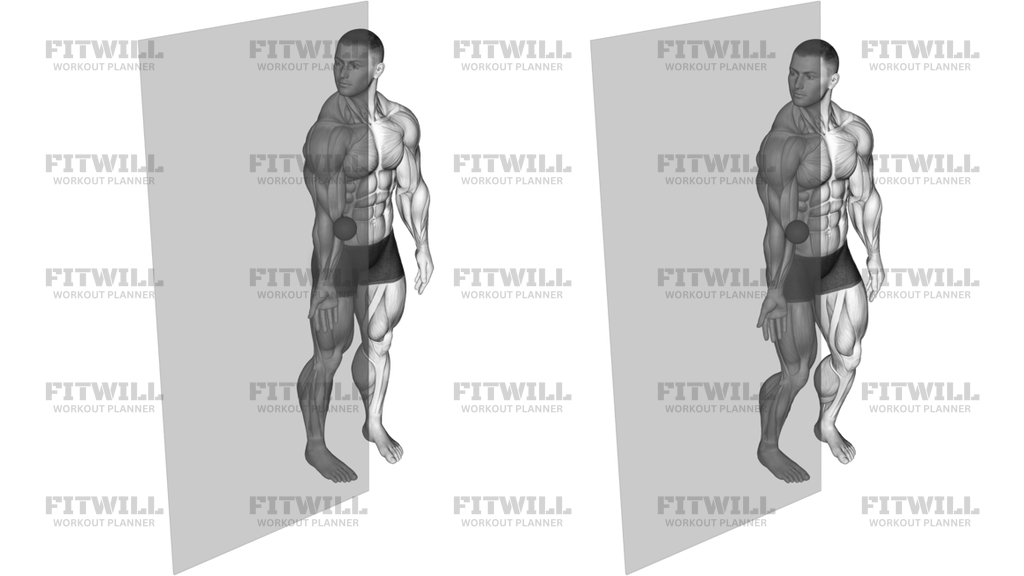
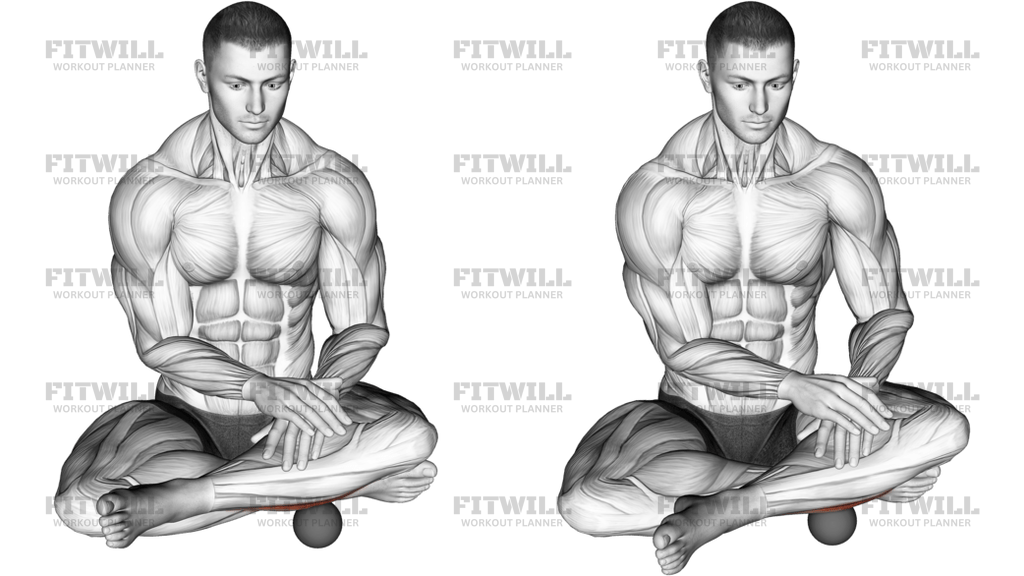
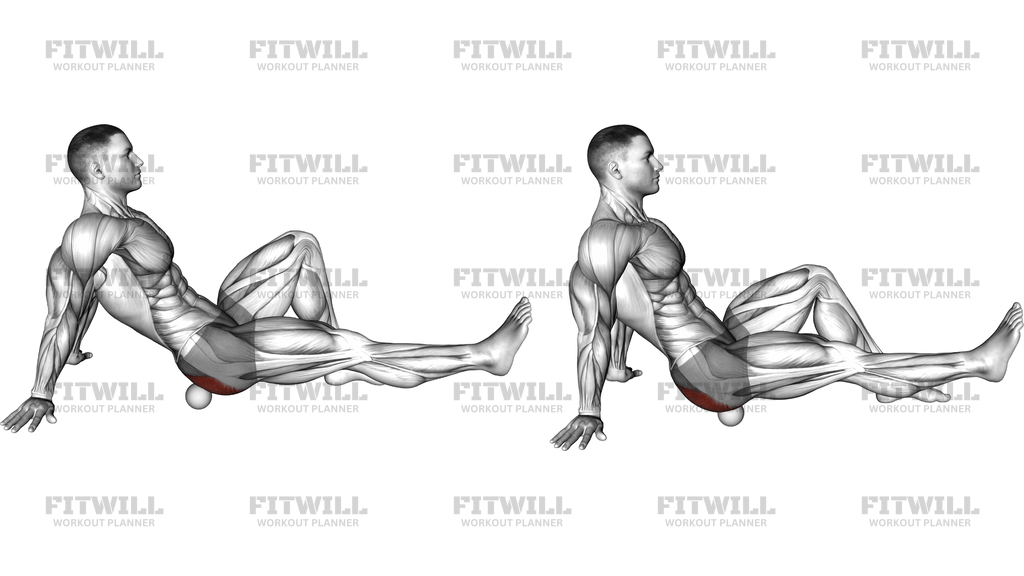
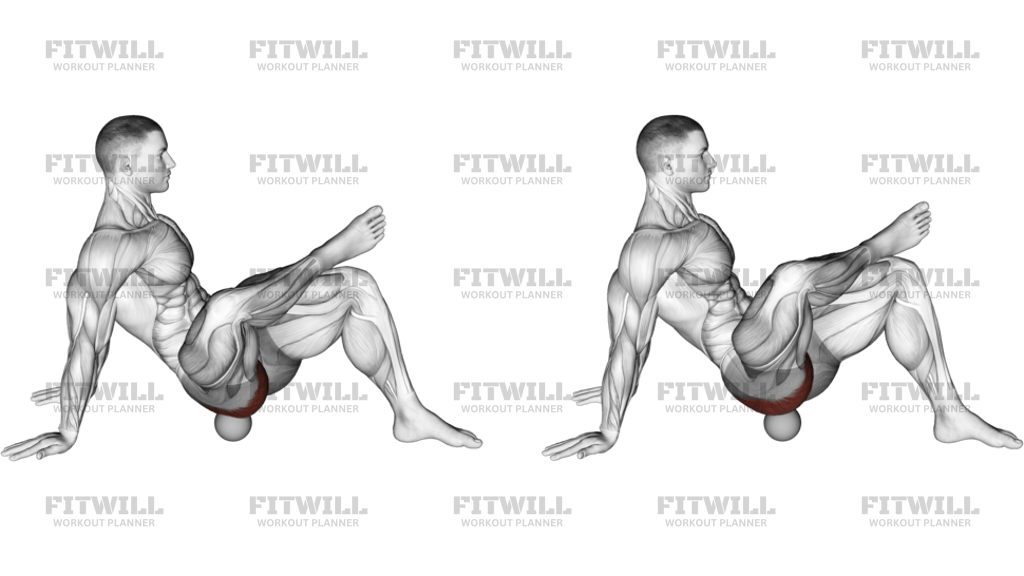
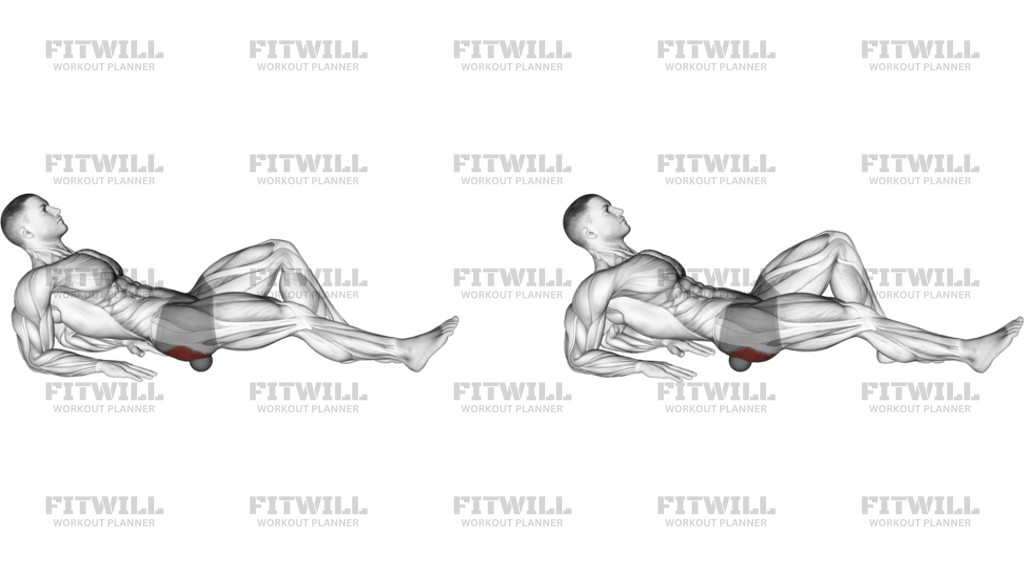
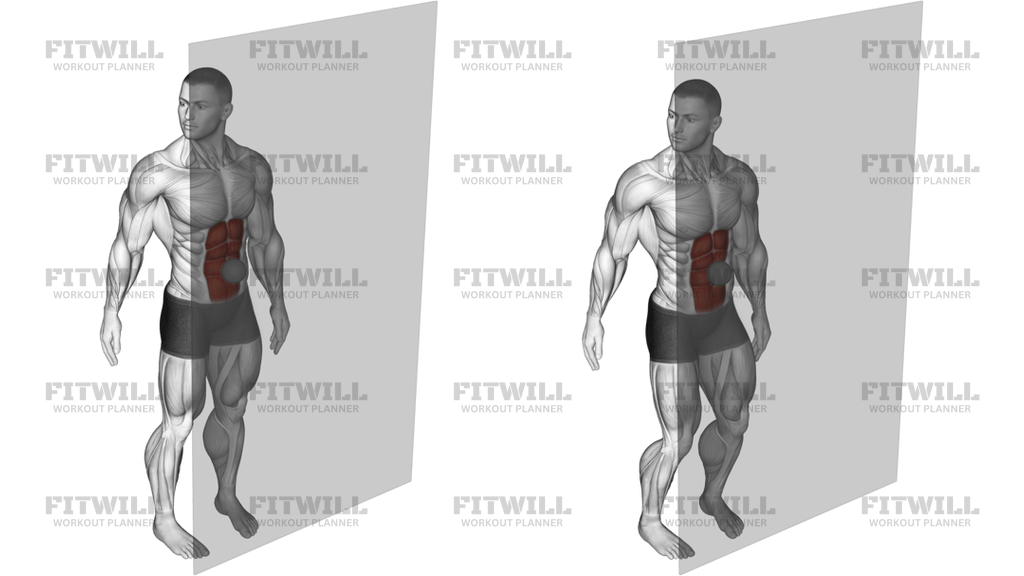
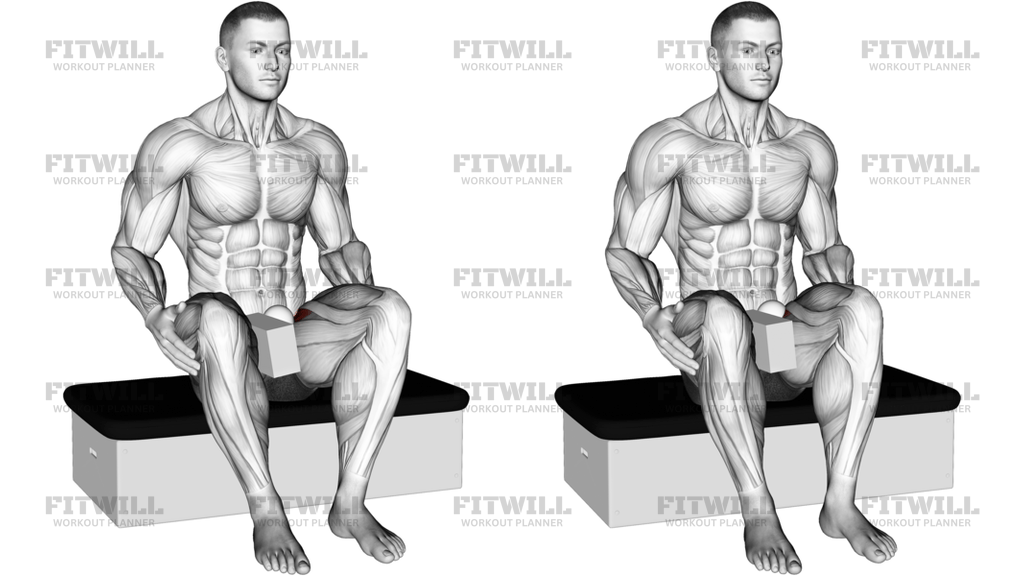
Roll Ball Lateral Vastus
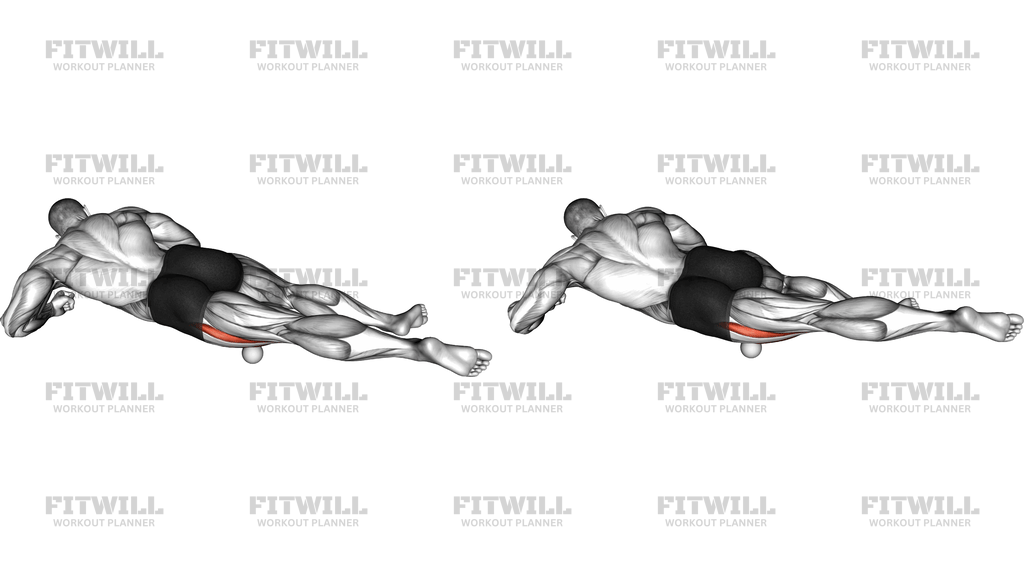
Roll Ball Lateral Vastus is a targeted self-massage drill for the outside of the thigh, especially the vastus lateralis on the outer quadriceps. The rollball lets you apply steady pressure to one narrow strip of muscle instead of sweeping the whole leg, which makes it useful when the outer quad feels tight after squats, running, cycling, or other knee-dominant lower-body work.
The setup matters because a small change in body position changes how much pressure reaches the tissue. By lying on your side and using the forearm, opposite foot, and free hand for support, you can load the outer thigh gradually and keep the pressure on the muscle belly rather than dumping it onto the knee or the hip bone.
A good rep is slow and deliberate: roll a few inches at a time from just above the outer knee toward the upper outer thigh, pause on tender spots, and breathe until the area softens. The goal is not to crush the tissue; it is to find a tolerable level of pressure that lets the muscle relax while you stay in control.
This movement is useful as part of a warm-up when the outer quad feels stiff, or after training when you want to reduce the sense of congestion in the thigh. Keep the pressure moderate, especially if the area is sensitive, and stop short of sharp pain, numbness, or any pinching around the knee. Done well, Roll Ball Lateral Vastus should leave the outer thigh feeling freer and easier to bend, squat, and walk.
Because the vastus lateralis blends into the outer side of the knee, it is easy to use too much pressure too low on the leg. If the ball feels bony or stingy near the knee, move it a little higher onto the meatier part of the thigh and let your forearm carry more of your bodyweight.
Treat each pass like a scan rather than a grind. Short, controlled rolls help you find the tight spots quickly, and a steady pause on the most sensitive area usually does more than forcing a bigger range. Over time, this makes Roll Ball Lateral Vastus a practical reset between hard training sessions, especially when the outer thigh feels dense or hard to bend through a squat.
[ Workout Log & Planner ]
Put your next workout in Fitwill
Keep your plan and training log ready when you are.


Instructions
- Lie on your side with the rollball under the outer thigh of the working leg, a few inches above the knee.
- Stack the legs, then bring the top foot slightly forward for balance and prop your upper body on the forearm of the same side.
- Place the free hand on the floor or across your chest and shift enough weight off the ball to keep the pressure tolerable.
- Keep the working thigh slightly turned inward so the ball stays on the outer quadriceps instead of drifting toward the hip bone.
- Take a slow breath, then roll the thigh a few inches toward the hip and back toward the knee.
- When you find a tender spot, stop and hold steady pressure for 10 to 20 seconds while breathing normally.
- Move to the next spot with small controlled shifts instead of sliding quickly along the whole leg.
- Work from just above the outer knee up toward the upper outer thigh, avoiding direct pressure on the kneecap and hip bone.
- Finish by easing your weight off the ball, rolling onto your back or sitting up, and switching sides if needed.
Tips & Tricks
- If the pressure feels sharp, press more through the forearm and top foot so the ball sinks less deeply into the outer thigh.
- Keep the range short; this drill works best when you stay on the muscle belly instead of chasing a long hip-to-knee sweep.
- A slight toe-in position usually increases contact with the vastus lateralis and reduces the temptation to roll onto the front of the thigh.
- Do not stay directly on the kneecap or the hard outside edge of the hip; slide an inch or two higher until the pressure feels muscular, not joint-like.
- A slow exhale on a tender point often helps the tissue soften faster than repeated quick passes.
- If your neck or shoulder starts doing the work, support more of your bodyweight with the free hand and forearm before continuing.
- Use less pressure near the outer knee, where the tissue is thinner and the sensation can feel much harsher than it does mid-thigh.
- Stop immediately if you feel tingling, numbness, or a sharp nerve-like zing instead of normal muscle tenderness.
Frequently Asked Questions
What does Roll Ball Lateral Vastus target?
It targets the vastus lateralis, the outer part of the quadriceps on the outside of the thigh.
Should the rollball sit closer to my knee or my hip?
Most of the pressure should sit on the muscle belly between those landmarks, not right on the kneecap or the hip bone.
Is Roll Ball Lateral Vastus the same as foam rolling?
The goal is similar, but the smaller rollball creates more focused pressure on a narrow strip of outer thigh tissue.
How long should I hold each tender spot?
Hold for about 10 to 20 seconds, or until your breathing settles and the tenderness eases.
Can beginners do this exercise?
Yes, beginners can start with very light bodyweight on the ball and short passes over the outer quad.
When should I use Roll Ball Lateral Vastus?
It works well before lower-body training if the outer thigh feels stiff, or after training when you want to calm that area down.
What if the pressure feels too intense?
Shift more weight onto your forearm and top foot, or move the ball slightly higher on the thigh where the tissue is usually less sensitive.
Do I need to do both sides evenly?
Yes, work each side separately and give extra time to the thigh that feels tighter after squats, running, or cycling.