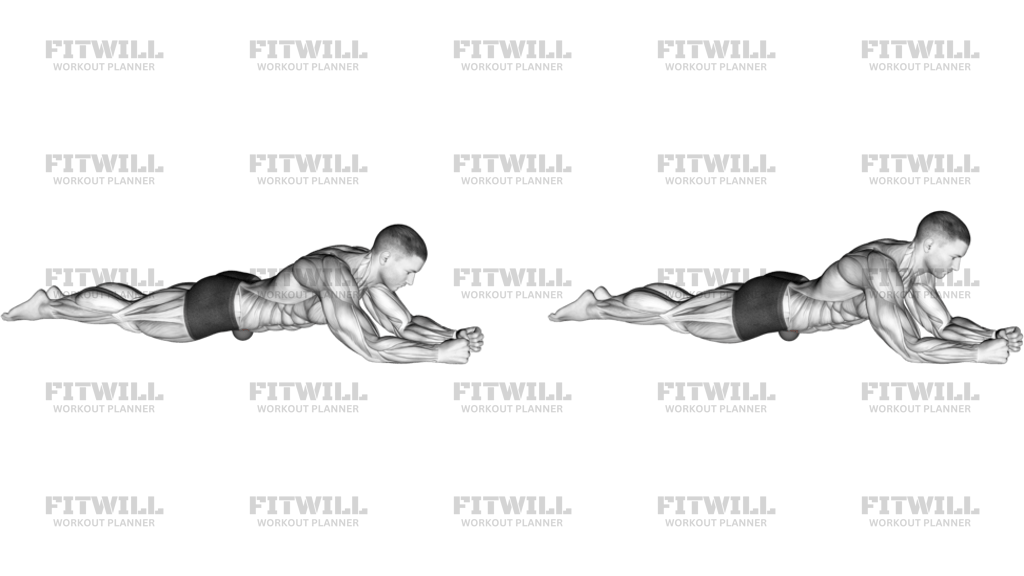
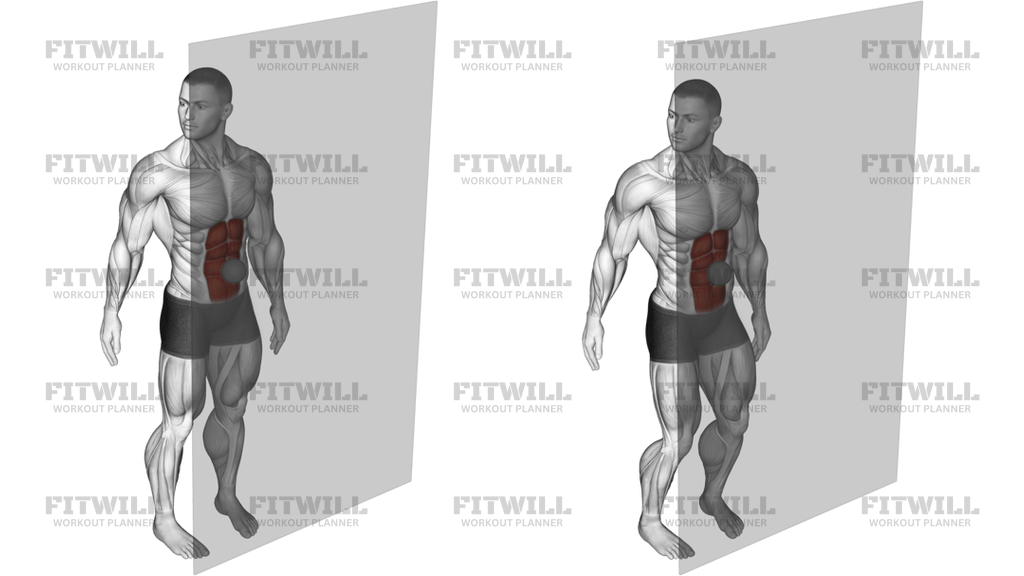
Roll Ball Piriformis Release
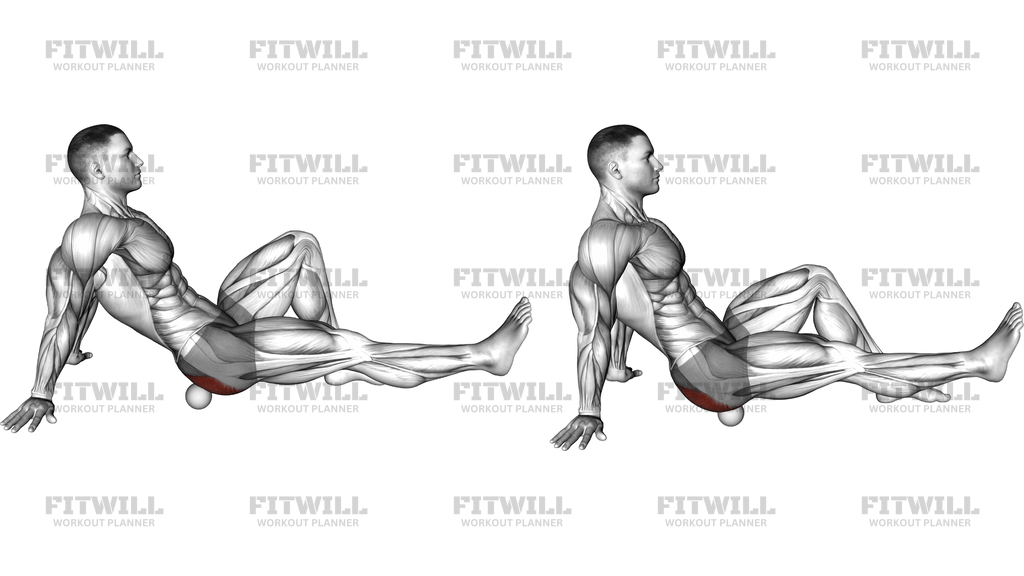
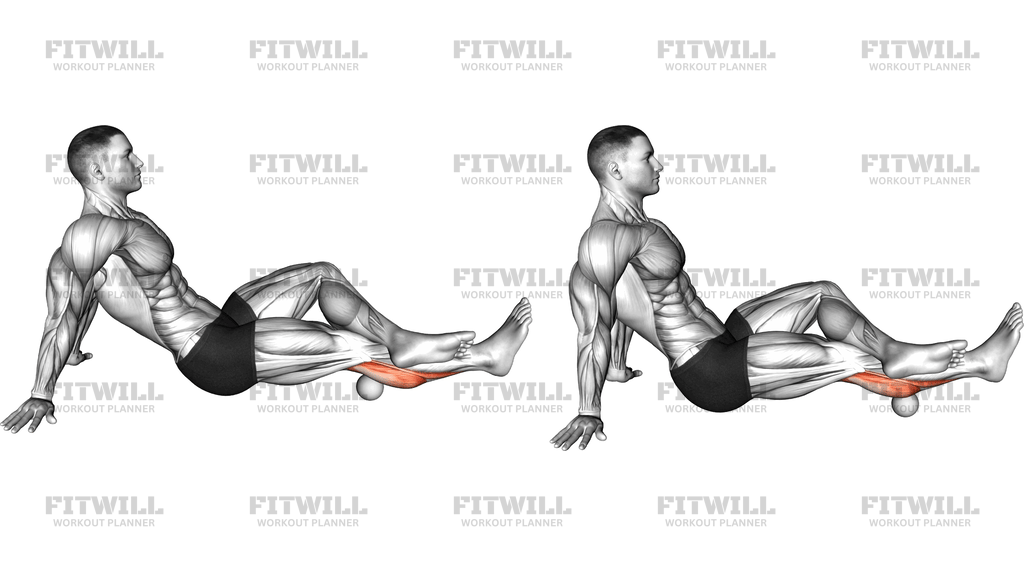
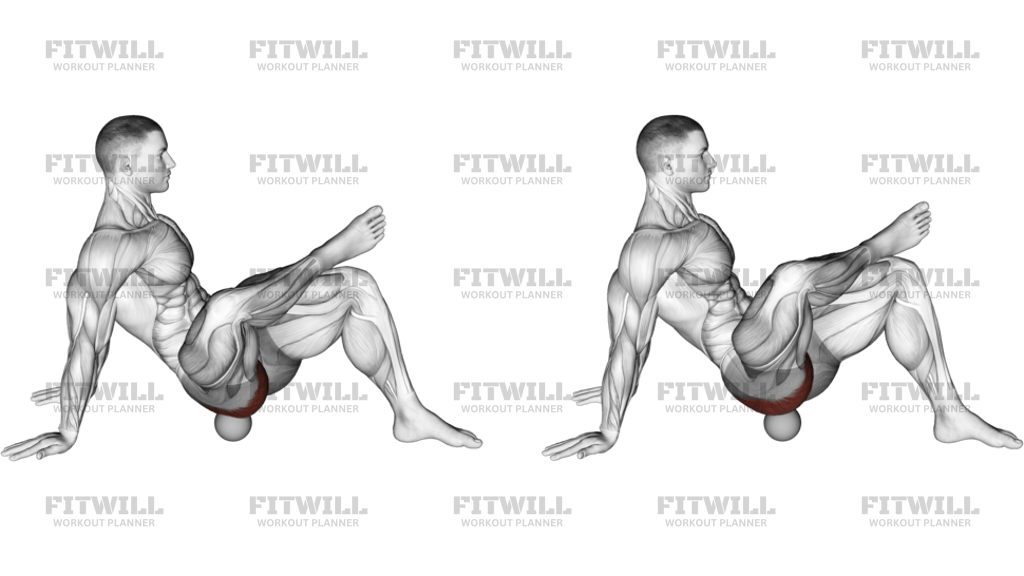
Roll Ball Piriformis Release is a floor-based self-release drill for the deep back-and-side portion of the hip. The rollball is placed under one glute so you can use bodyweight, small shifts, and breathing to reduce tension in the piriformis and nearby deep rotators. It is not a strength move in the usual sense; the goal is to find a tight spot, settle onto it, and let the muscle soften without letting pressure drift into the low back.
This exercise is most useful when the outside of the hip feels stiff, the glutes are carrying a lot of tension, or hip rotation feels limited during squats, lunges, running, or sitting. The body position matters because it controls where the pressure lands. With the hands behind you and the torso slightly tipped back, you can unload enough weight to work the target tissue while still keeping the pelvis stable and the spine out of the way.
A good rep is slow and deliberate. You place the ball under one glute, shift until you find the deep tender spot, then use tiny side-to-side or forward-back adjustments to map the area. The pressure should stay in the fleshy part of the hip, not on the tailbone or lower back. If the setup is correct, the release feels deep, localized, and controllable rather than sharp or scattered.
Breathing is part of the technique. Long exhales help the hip settle into the ball and can make the tissue release without forcing extra pressure. Short holds on the tightest point are usually more useful than aggressive rolling. For most people, this works best as a warm-up, cooldown, or recovery drill between lower-body sessions, especially when one hip feels tighter than the other.
Keep the movement small and stop before the sensation turns into numbness, tingling, or pain that shoots down the leg. If the ball feels too intense, reduce bodyweight through the hands or move it slightly toward the outer glute. When done well, Roll Ball Piriformis Release helps restore comfort and range around the hip so the rest of your training feels smoother and more even.
[ Workout Log & Planner ]
Put your next workout in Fitwill
Keep your plan and training log ready when you are.


Instructions
- Sit on the floor and place the rollball under one glute, just behind the outer hip.
- Lean back on your hands and keep your chest open so your arms can take some of your bodyweight.
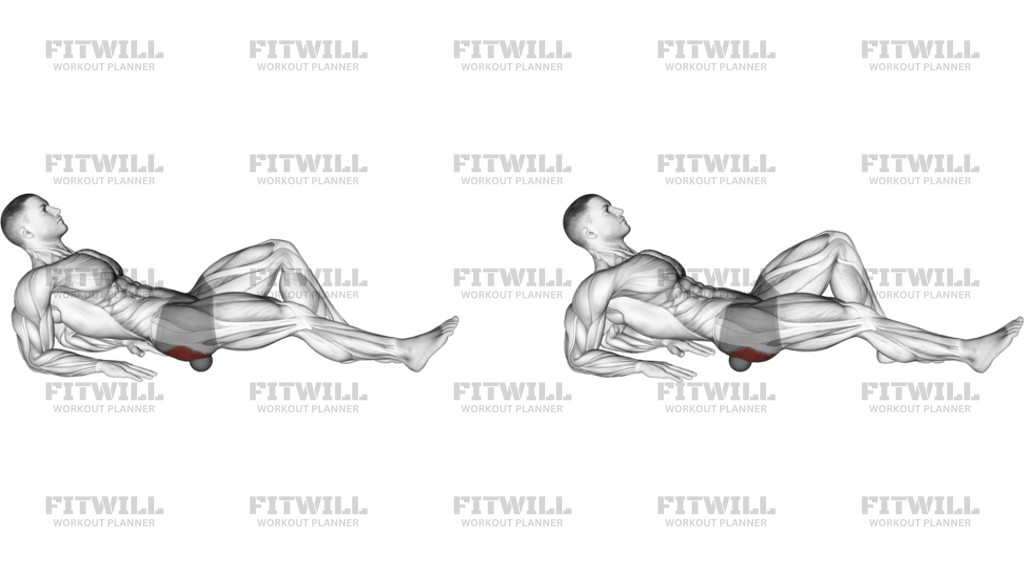
- Bend the working-side knee and keep the other leg relaxed or lightly crossed to expose the deep hip rotators.
- Shift your hips a few centimeters until the ball finds a tender spot in the piriformis or upper glute.
- Keep the pressure in the fleshy part of the hip, not on the tailbone or low back.
- Hold the spot and make tiny side-to-side or forward-back adjustments instead of rolling big distances.
- Exhale slowly and let the hip sink into the ball for a short pause.
- Release the pressure, move to another tight area on the same side, then switch sides when finished.
Tips & Tricks
- Use your hands to unload the ball; if you cannot breathe calmly, you are probably pressing too hard.
- Stay on the glute mass and avoid letting the ball roll onto the sacrum or lower spine.
- Small movements work better than big rolls for the piriformis, which sits deep under the glute max.
- A bent knee usually opens the target area more than a straight leg.
- If the pressure is sharp, shift a little toward the outer hip or move the ball half an inch.
- Long exhales help the hip relax, especially after a hard lower-body session or a long day of sitting.
- Pause longer on one tender point instead of hunting for new spots every second.
- Stop immediately if you feel numbness, tingling, or pain traveling down the leg.
Frequently Asked Questions
What does Roll Ball Piriformis Release target?
It targets the deep back of the hip, especially the piriformis and nearby deep glute rotators.
Can beginners perform this exercise?
Yes. Beginners should just keep the pressure light, use their hands to support more bodyweight, and stay with small shifts.
How do I know the ball is in the right place?
You should feel a deep, local pressure in one glute rather than sharp pain in the spine or a bruise-like sensation on the bone.
Should I cross the other ankle over the knee?
If that position opens the hip and helps you find the piriformis, use it. If it makes the setup unstable, keep the free leg relaxed instead.
How long should I stay on one tight spot?
Usually 15 to 30 seconds is enough before you shift a little and check for another tender point.
Why are my hands behind me during this movement?
They help support bodyweight so the rollball can work the hip without forcing too much pressure into the glute at once.
Is this better before or after training?
It can work in either spot, but it is especially useful before lower-body sessions or after training when the hip feels tight.
What should I do if I feel tingling down the leg?
Stop the release, reduce pressure, and avoid that position. Tingling is a sign the ball is irritating a nerve rather than releasing the muscle.