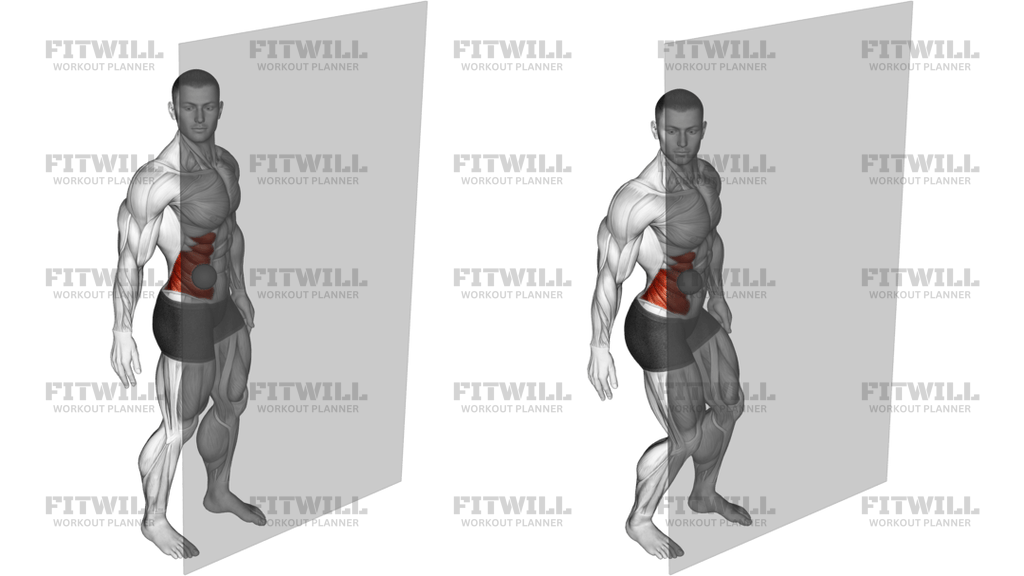
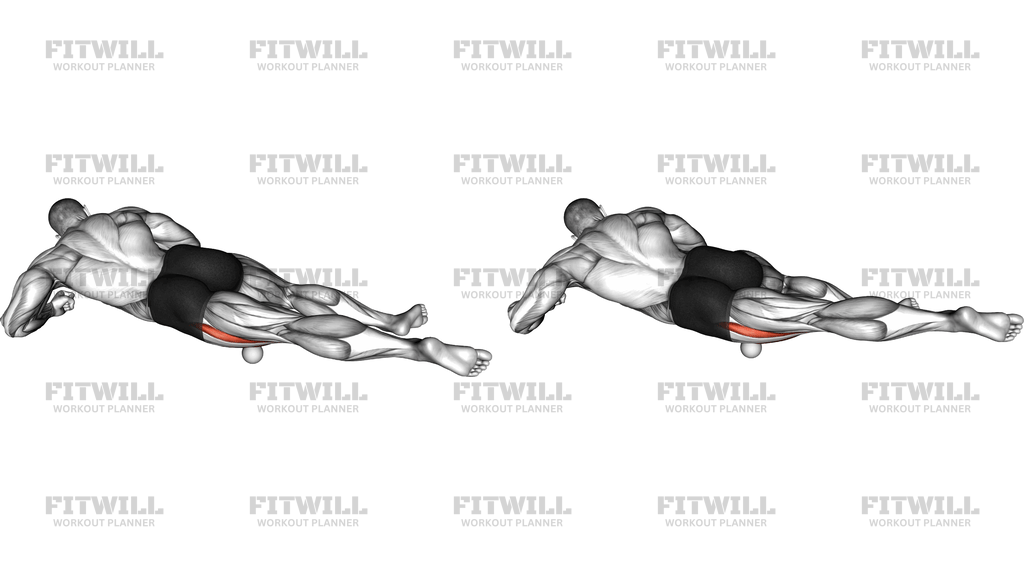
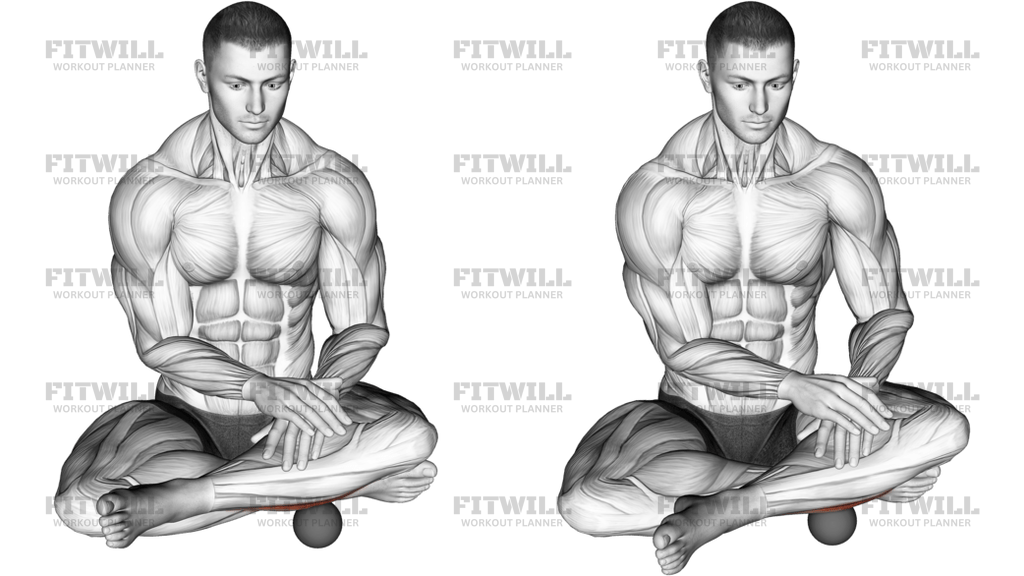
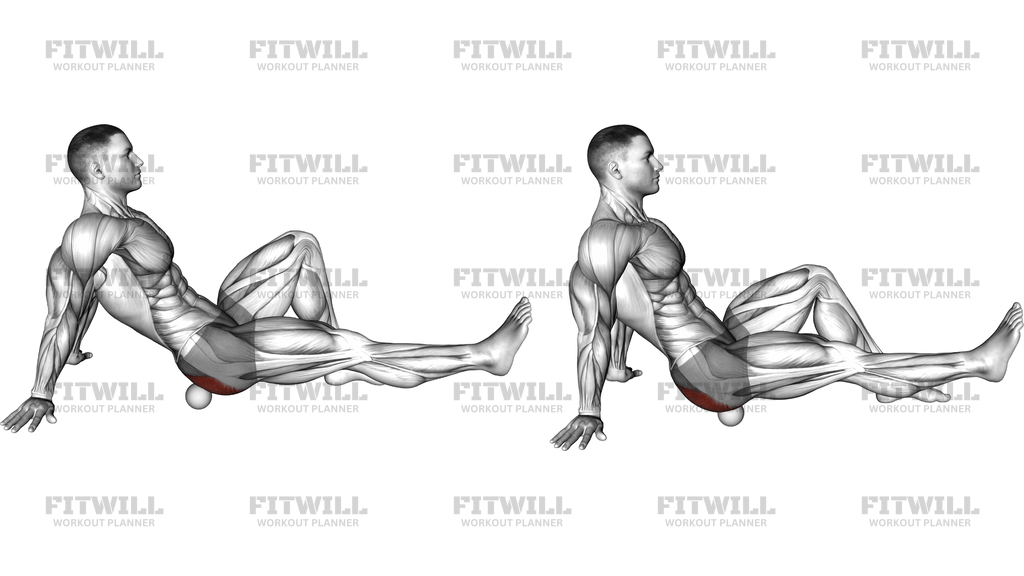
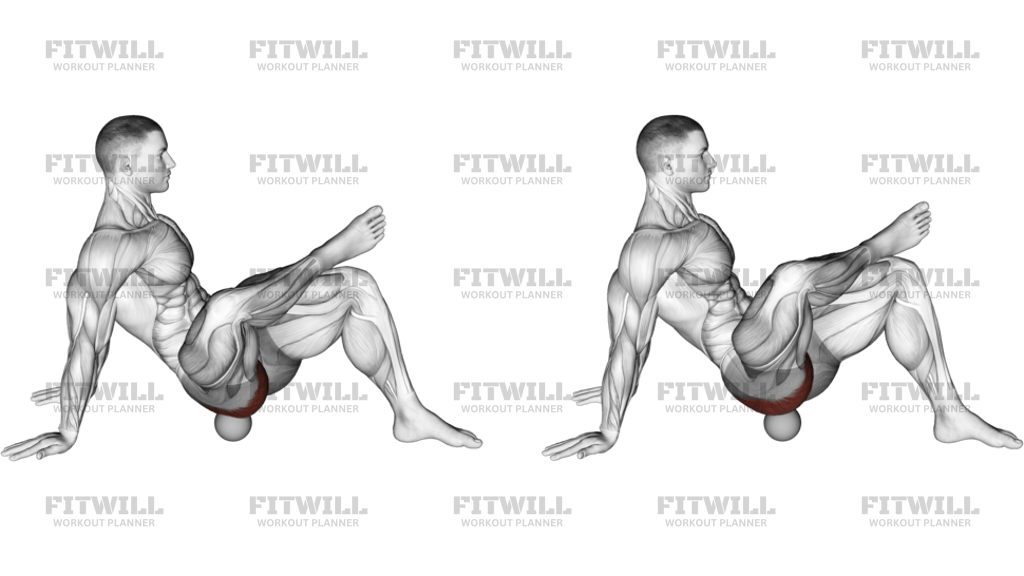
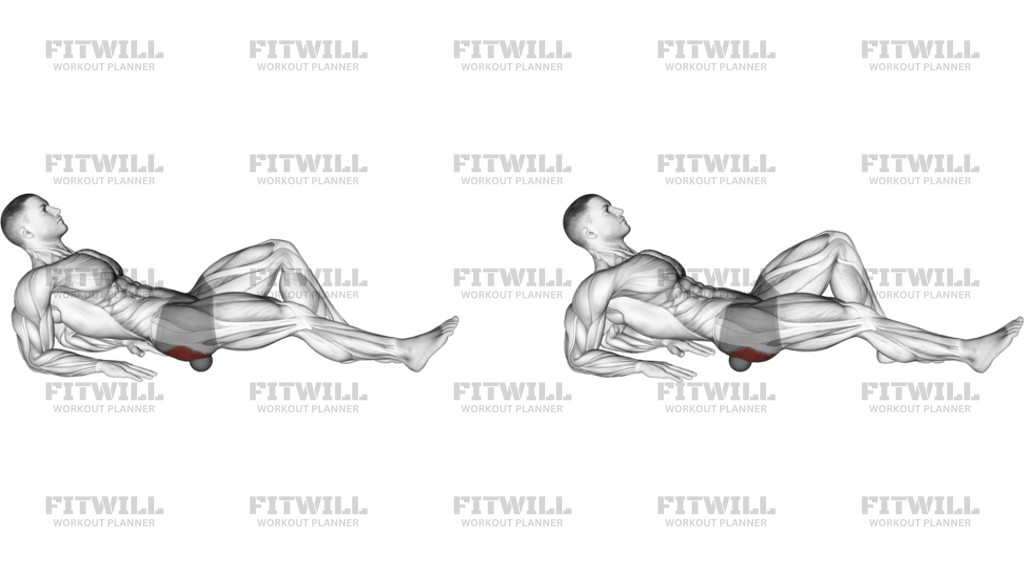
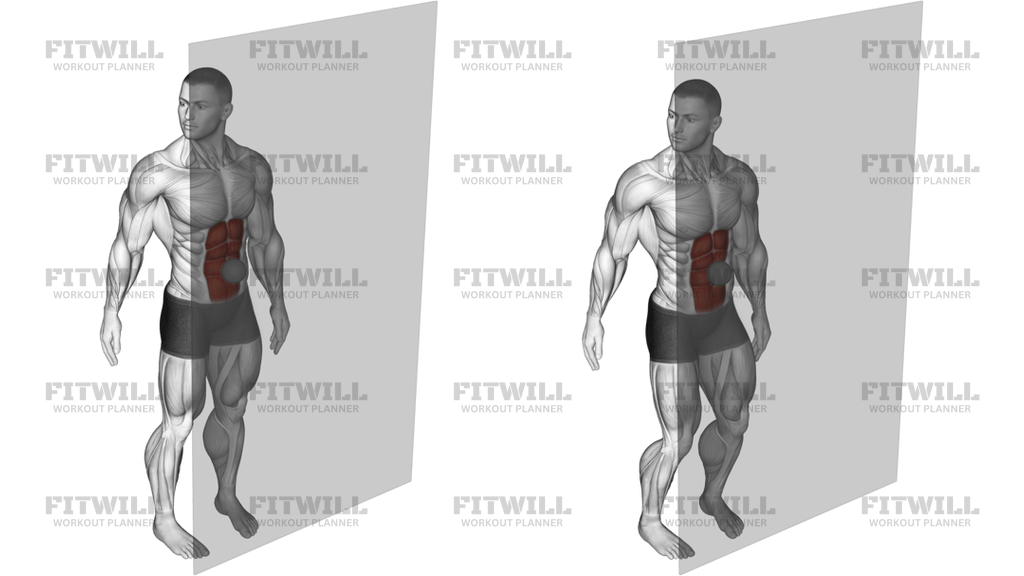
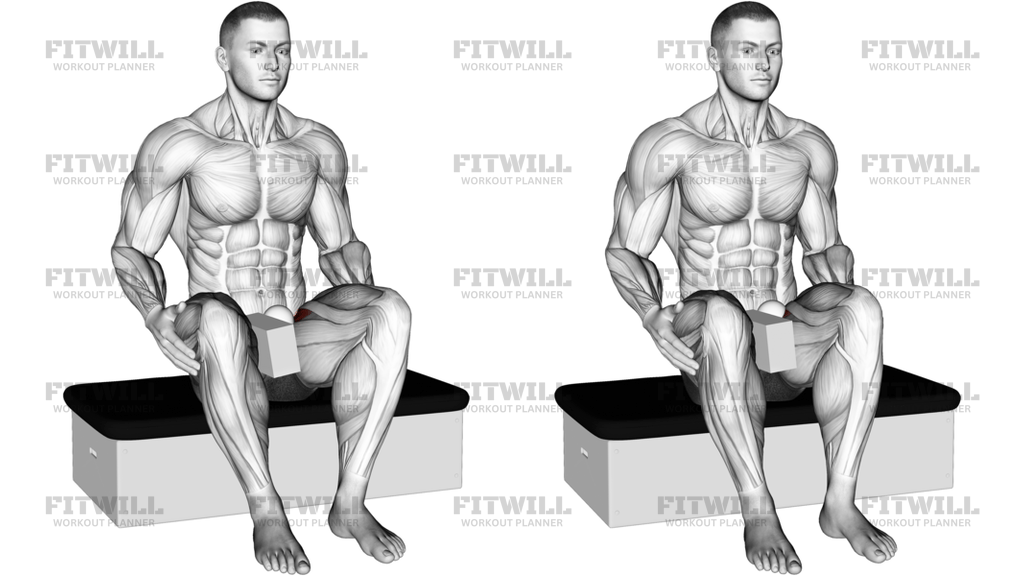
Roll Ball Forearm Pronator
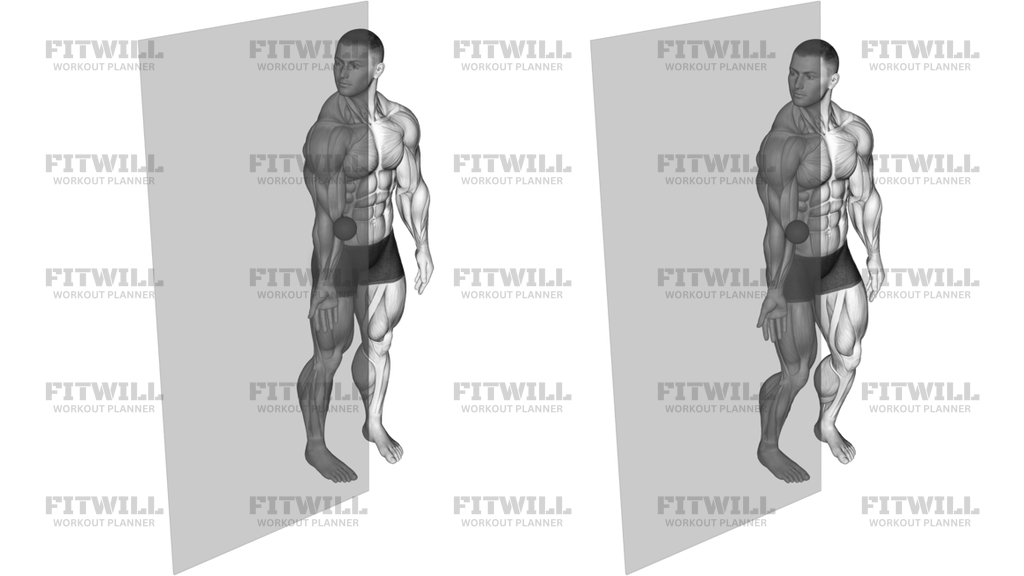
Roll Ball Forearm Pronator is a small-range forearm control drill that teaches the hand and forearm to rotate smoothly into pronation with light resistance and clear feedback from the rollball. It is less about building fatigue and more about owning the turning action through the forearm, which makes it useful for warmups, arm prep, and low-load accessory work when wrist position and grip quality matter.
The main action comes from the forearm pronators, especially pronator teres and pronator quadratus, while the wrist flexors, extensors, and grip muscles help steady the hand. That setup matters because it is easy to fake the movement by twisting the shoulder, flaring the elbow, or bending the wrist. When the upper arm stays quiet and the wrist stays neutral, the work stays local to the forearm where it belongs.
A good rep starts tall and controlled, with the working elbow close to the side and the forearm ready to rotate without a lot of body motion. Turn the forearm so the palm rotates down, or as far as your pain-free range allows, and let the rollball give you a tactile cue for the path. The motion should be smooth, not forced, and the return should be just as deliberate as the turn.
This exercise fits well before training that depends on grip, racket control, climbing, or any task where forearm position changes quickly and often. It can also help clean up side-to-side differences if one arm pronates more freely than the other. The goal is repeatable positioning and honest range, so the quality of each rep matters more than the number of reps. Use it as a quick warmup, a light rehab-style accessory, or a technique reset between heavier sets when you want the forearm to stay responsive without getting overly tired.
If the wrist starts to bend, the elbow drifts forward, or you feel sharp irritation near the inside of the elbow, shorten the range and lighten the load. The movement should feel like a controlled forearm rotation rather than a whole-body twist. Done well, it is a precise drill that improves how the forearm and hand organize under load.
[ Workout Log & Planner ]
Put your next workout in Fitwill
Keep your plan and training log ready when you are.


Instructions
- Stand tall with the working elbow tucked close to your side and the rollball held in the working hand.
- Start with the forearm in a neutral position and the wrist straight, not bent back or curled inward.
- Set the shoulder down and quiet the torso so the upper arm does not drive the rep.
- Rotate the forearm so the palm turns down and the rollball follows the same arc.
- Stop at the end of the pain-free range without jerking the wrist or shrugging the shoulder.
- Pause briefly in the turned position so you can feel the forearm working instead of the whole arm swinging.
- Reverse slowly back to neutral under control and keep the elbow from drifting away from your ribs.
- Breathe out as you rotate and breathe in on the return, then repeat for the planned reps.
Tips & Tricks
- Keep the elbow pinned near your rib cage; if it drifts forward, the shoulder starts helping too much.
- Use only enough grip to control the rollball. Crushing the handle or ball will fatigue the hand before the forearm does.
- Let the forearm rotate as a unit instead of bending the wrist into flexion or deviation.
- Slow the return phase. The lowering or unwinding side is where the control work really happens.
- Choose a light rollball load first. This drill should feel precise, not like a max-effort strength move.
- Keep the ribcage stacked over the pelvis so you do not twist the torso to fake more range.
- If you feel the inside of the elbow getting irritated, shorten the range and reduce speed before adding load.
- Match the number of reps on both sides so the weaker forearm does not get skipped or rushed.
Frequently Asked Questions
What does Roll Ball Forearm Pronator train most?
It mainly trains the forearm pronators, especially pronator teres and pronator quadratus, with the grip muscles helping stabilize the hand.
Should my elbow move while the rollball turns?
No. Keep the elbow tucked near your side and let the rotation come from the forearm instead of the shoulder.
How far should I rotate the rollball or hand?
Rotate only through a pain-free range that you can control without bending the wrist or twisting the torso.
Where should I feel the Roll Ball Forearm Pronator?
You should feel the work in the forearm, with possible tension near the inside of the elbow, not in the shoulder or lower back.
Is this a good exercise for beginners?
Yes. It works well with a very light rollball and a short, controlled range while you learn to keep the elbow quiet.
What if my wrist starts bending during the rep?
Reduce the load and shorten the range. The wrist should stay straight while the forearm rotates.
Do I need to squeeze the rollball hard?
No. Use a controlled grip, but do not crush the ball. Excess grip pressure can hide the forearm work.
How can I make this exercise harder?
Add reps, slow the return, or use a slightly heavier rollball only after you can keep the elbow and wrist stable.