Roll Ball Lower Back
Roll Ball Lower Back is a gentle floor-based mobility and soft-tissue exercise for the lower back, hips, and surrounding trunk muscles. It uses bodyweight over a small ball to create controlled pressure and small rolling movements through the lumbar area. The goal is not to force a big range or chase discomfort, but to find a position that lets the muscles around the spine relax while you stay organized and supported.
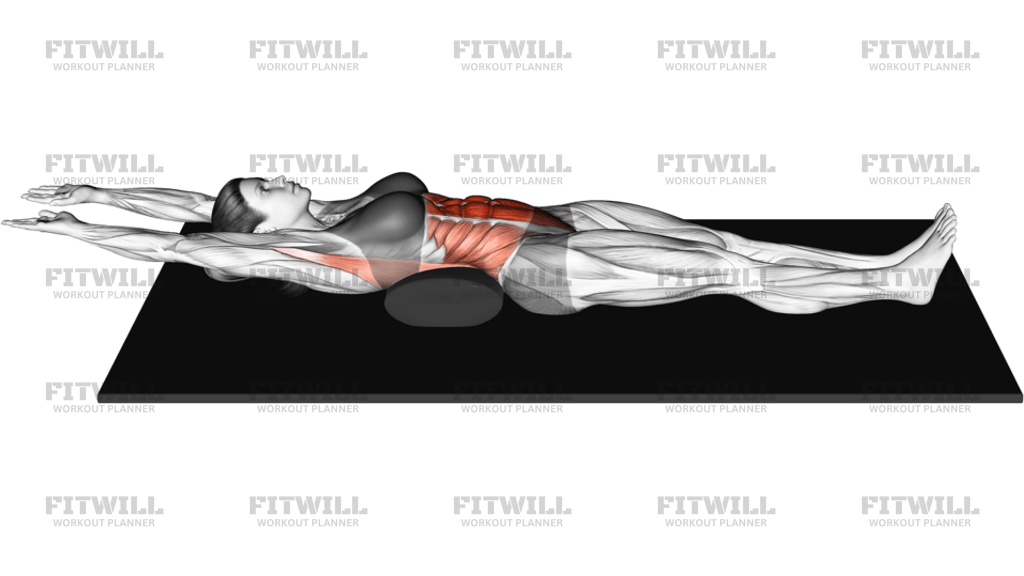
Because the lower back is sensitive, the setup matters more here than on many other exercises. You want the ball under the muscles beside the spine, not directly on the spine itself, and you want enough upper-body support that the pressure feels manageable. That is why the forearm-supported position and staggered legs in the image matter: they reduce the load on the low back and let you control how much pressure you place on the area.
Roll Ball Lower Back is useful before lifting, after sitting for long periods, or any time the low back feels stiff and you want to ease into movement. It can also help you check how the hips, glutes, and trunk respond when you shift weight side to side or slightly up and down. Done well, the movement should feel like a slow, deliberate release rather than a hard roll or a direct spine massage.
The key is to keep the movement small and smooth. Let your breathing slow down, then subtly shift pressure into one side of the lower back, pause, and roll a little farther only if the tissue tolerance stays comfortable. If you feel sharp pain, nerve-like symptoms, or pressure on the bones of the spine, stop and adjust the ball position immediately.
Treat Roll Ball Lower Back as a recovery and positioning tool, not a test of toughness. It works best when the body stays relaxed through the shoulders, the ribs do not flare, and the pelvis stays easy to control. Use it to prepare for training, reduce post-session stiffness, or improve awareness of how your lower back and hips move when you support them with the floor and a small ball.
[ Workout Log & Planner ]
Put your next workout in Fitwill
Keep your plan and training log ready when you are.


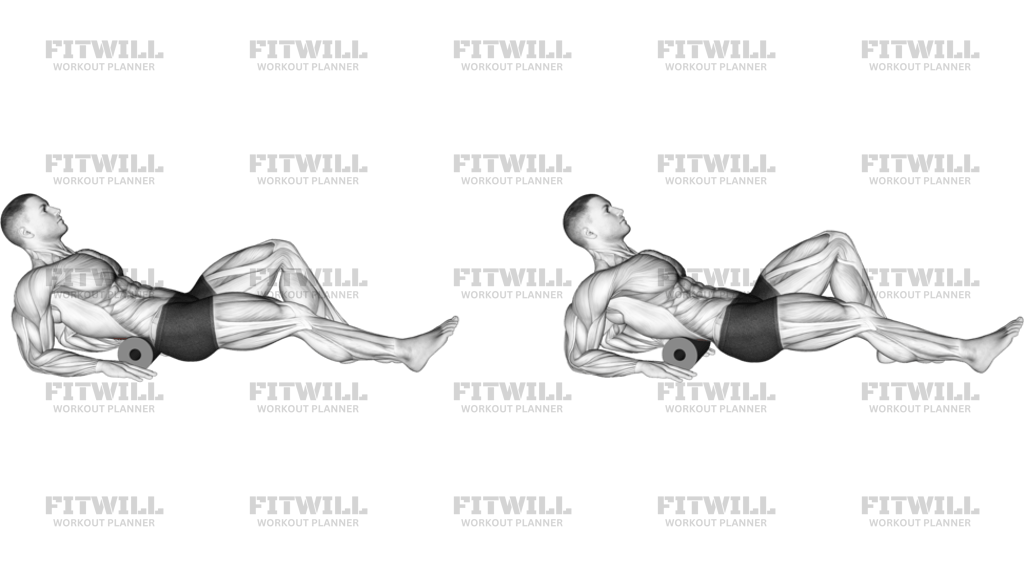
Instructions
- Lie on your back on the floor with the ball under one side of your lower back, just beside the spine and above the hip crest.
- Prop yourself on your forearms so your chest is open, bend one knee with the foot flat, and keep the other leg extended to help control the pressure.
- Settle your weight onto the ball until you feel firm pressure in the muscles beside the spine, not on the vertebrae.
- Take a slow breath in and let your ribs soften while you keep your abdomen lightly braced.
- Shift your torso a few inches side to side or slightly up and down so the ball rolls over the tight area.
- Pause on the tender spot for a breath or two, then ease the pressure off before moving again.
- Keep your neck relaxed and your shoulders down while you maintain steady support through the forearms.
- Roll only through a comfortable range, then switch sides or reset once the target area feels less guarded.
Tips & Tricks
- Place the ball beside the spine, not directly on it, so you stay on muscle instead of bony pressure.
- Use the forearm-supported position to reduce how much bodyweight sinks into the low back.
- If the pressure feels too sharp, move the ball slightly higher toward the thoracolumbar junction or lower toward the top of the pelvis.
- Keep the movement small; big rolls usually turn this into a jerkier shift instead of controlled release work.
- Let the bent leg help you fine-tune pressure by taking some load off the rolling side.
- Slow nasal breathing usually helps the tissue relax faster than holding your breath.
- Stop if you feel tingling, numbness, or pain that shoots away from the area being worked.
- This should feel like easing tension in the lower back and side trunk, not grinding through discomfort.
Frequently Asked Questions
What does Roll Ball Lower Back mainly work?
It mainly targets the muscles beside the lumbar spine, with support from the hips, glutes, and deep trunk stabilizers.
Is Roll Ball Lower Back safe if my back gets tight easily?
Yes, if you keep the pressure light and stay off the spinal bones. Start with short holds and tiny shifts so the area can relax instead of guarding harder.
Where should the ball sit during Roll Ball Lower Back?
It should sit on the soft tissue beside the spine, usually just above the hip crest and not on the vertebrae themselves.
Why are one knee bent and one leg straight in Roll Ball Lower Back?
That staggered position helps you control how much weight drops into the ball and makes it easier to find a comfortable pressure level.
Should Roll Ball Lower Back feel painful?
No. It should feel like steady, tolerable pressure or a mild release. Sharp pain, numbness, or pain down the leg means you should stop and reposition.
Can I do Roll Ball Lower Back before a workout?
Yes, it works well before squats, deadlifts, or long periods of sitting because it can reduce stiffness and help you settle into better trunk position.
How long should I stay on one side in Roll Ball Lower Back?
A few slow passes or 20-40 seconds of gentle pressure is usually enough before switching sides.
What if Roll Ball Lower Back feels too intense?
Reduce the pressure by keeping more weight on your forearms, moving the ball slightly away from the most tender spot, or using a softer ball.