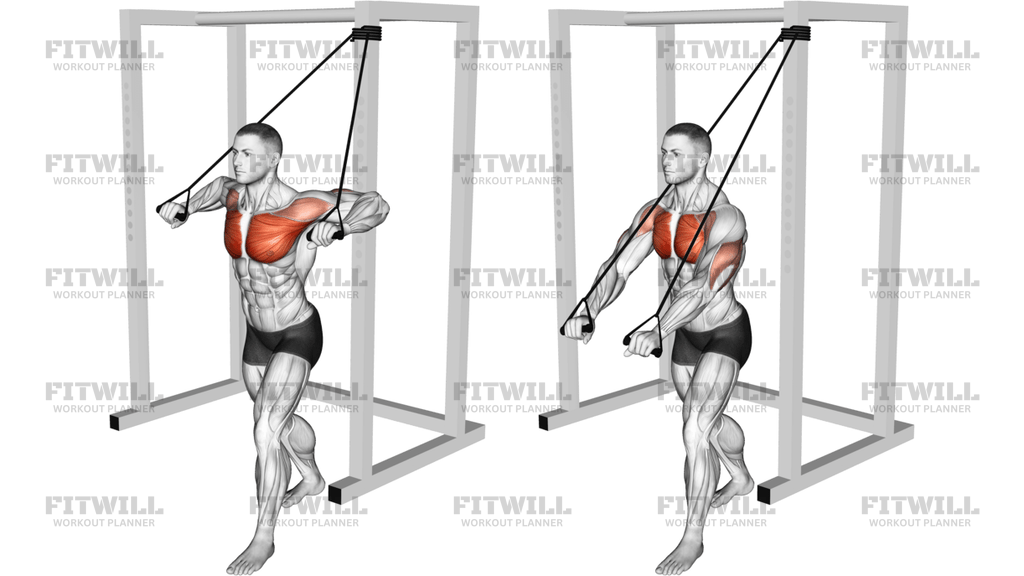
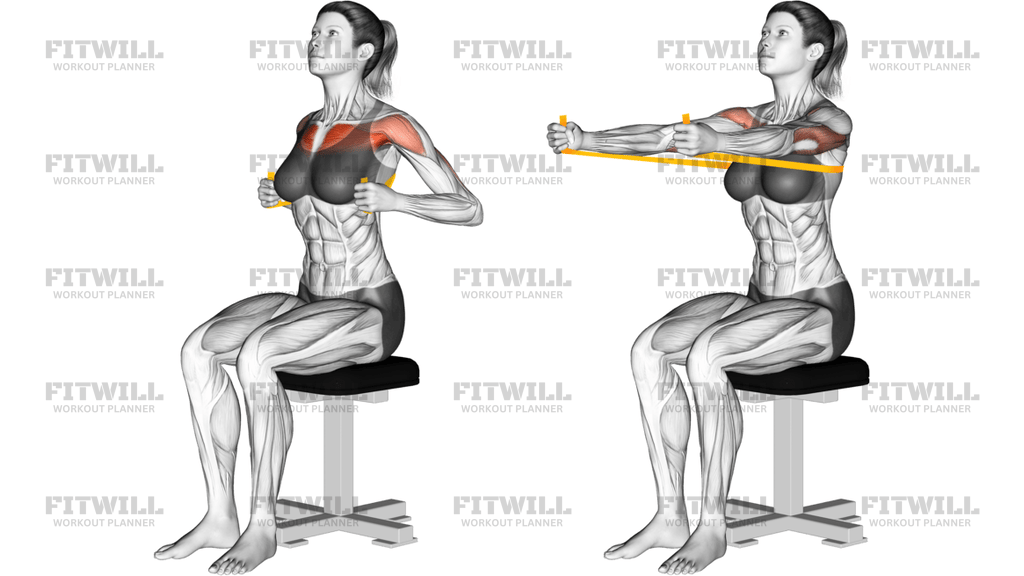
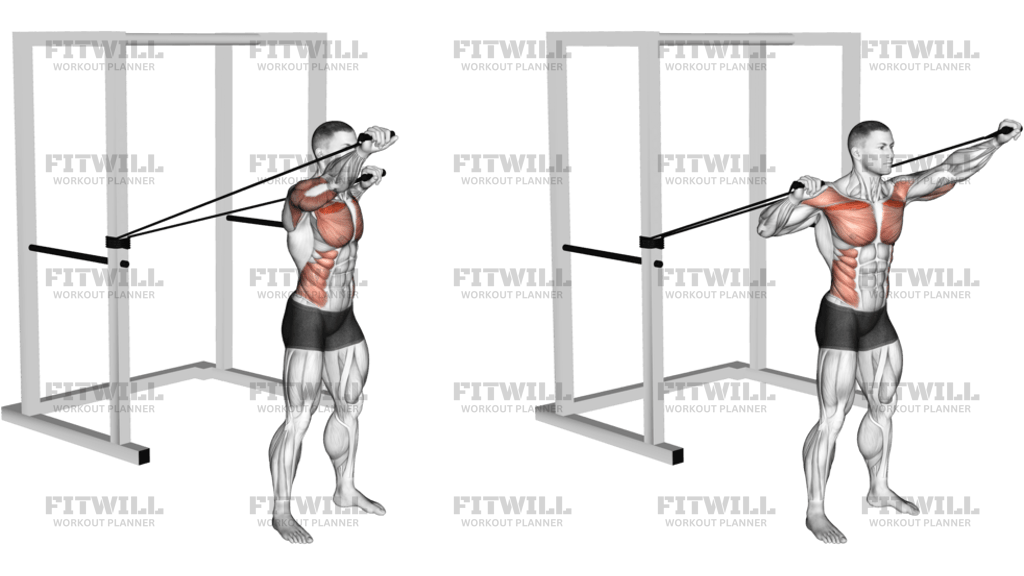
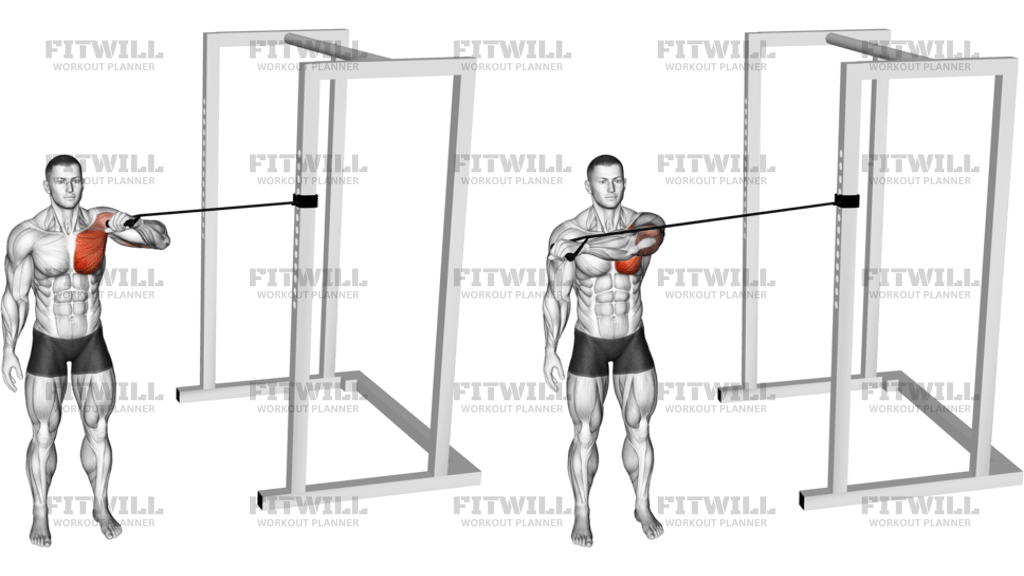
Bar Band Kneeling Incline Press
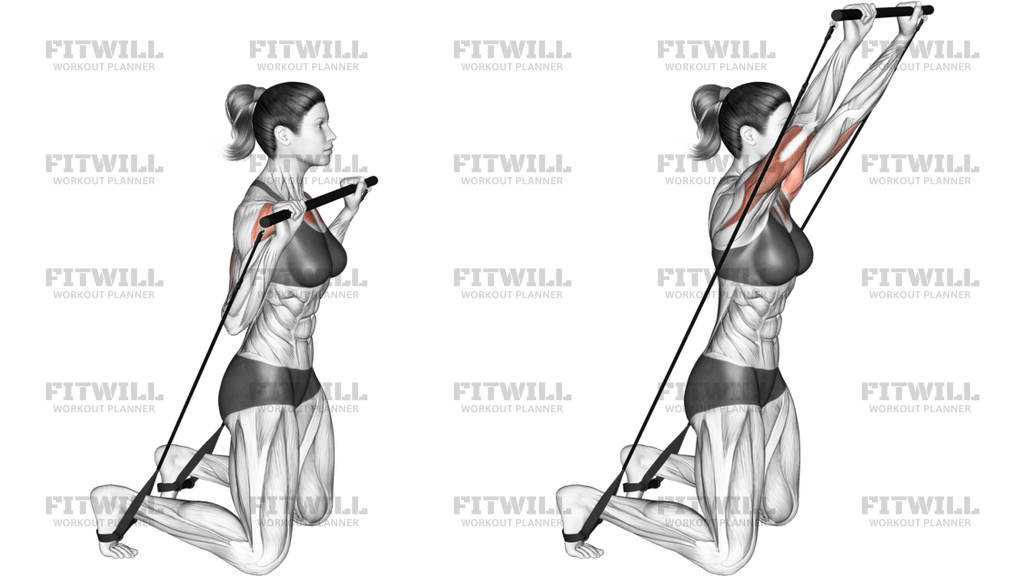
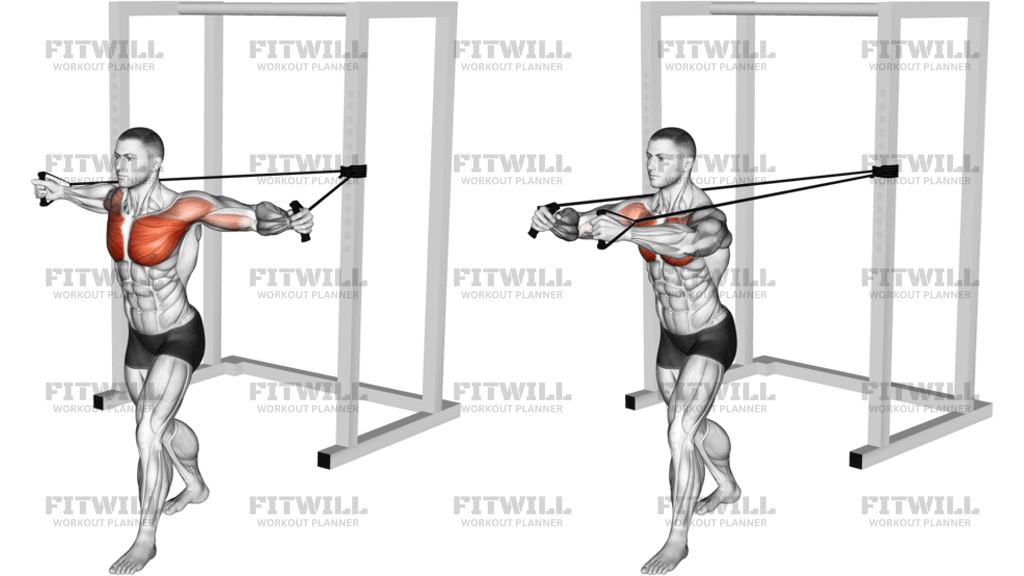
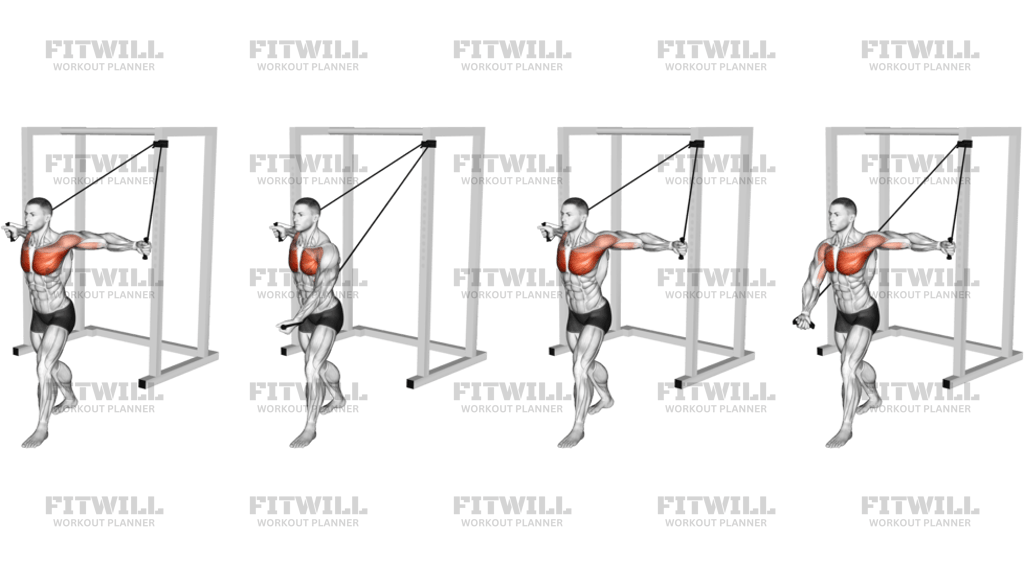
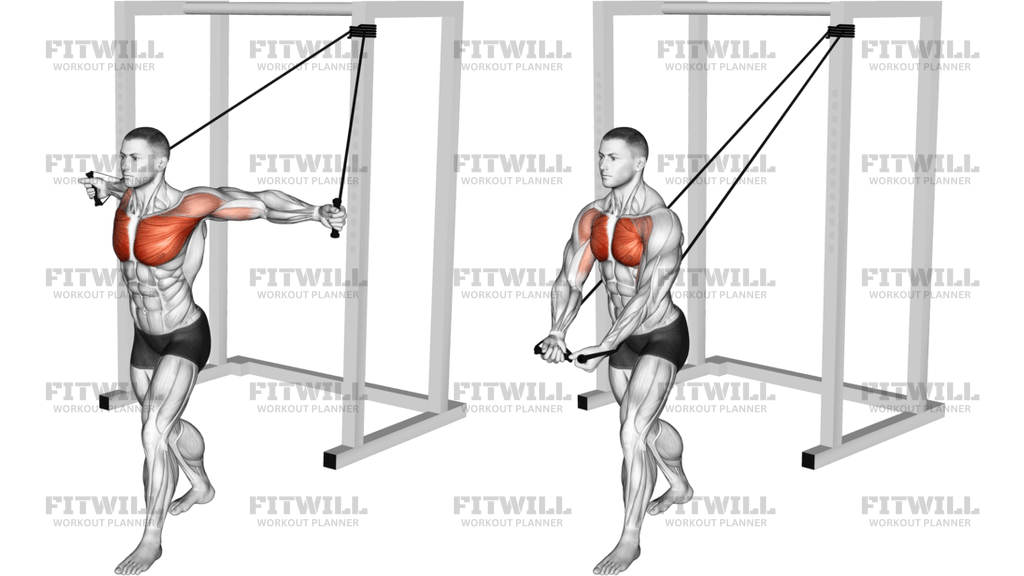
Bar Band Kneeling Incline Press is a kneeling band press that shifts the work toward the upper chest while also asking the front shoulders, triceps, and core to stay organized. It is a useful press variation when you want incline-style chest training without a bench, because the kneeling position removes leg drive and makes each rep depend on clean positioning and a controlled press path.
The setup matters more here than in many other presses. Anchor the band securely above shoulder height, kneel on the floor with your knees under your hips, and start with your hands at upper-chest level so the band already has tension before you press. That starting position keeps the line of pull honest and helps the movement feel like an incline press instead of a loose front raise.
As you press, send the hands forward and slightly upward in one smooth diagonal until the elbows are nearly straight, then come back under control to the same chest-level start. Keep the ribs stacked over the pelvis, the neck long, and the wrists lined up with the forearms so the shoulders do not take over the rep. The kneeling position should feel stable and quiet, not like you are shifting around to help the band move.
Bar Band Kneeling Incline Press works well as an accessory movement for upper-chest volume, warm-ups, or home training sessions where you want a pressing pattern with constant tension. It is also a good option for lifters who want to keep the chest involved while limiting how much lower-body momentum leaks into the press.
For best results, use a band tension that lets you pause briefly near full extension without losing shoulder position or arching the lower back. If the press line feels too steep, adjust the anchor height until the movement tracks slightly upward from the chest rather than straight overhead. The goal is a repeatable press that feels strong, controlled, and specific to the chest rather than a rushed band shove.
[ Workout Log & Planner ]
Put your next workout in Fitwill
Keep your plan and training log ready when you are.


Instructions
- Anchor the band securely above shoulder height and kneel on the floor facing the anchor, with your knees about hip-width apart.
- Hold the band or handles with both hands slightly wider than shoulder-width and keep your wrists straight.
- Set the starting position at upper-chest level with your elbows bent and a light band tension already in place.
- Tuck your ribs down, stack your torso tall over your hips, and brace your core before the first press.
- Press your hands forward and slightly upward in a smooth diagonal path until your arms are almost straight.
- Keep your shoulders down and away from your ears as the band gets tighter near the top.
- Pause briefly in the extended position without locking out hard or letting the chest flare forward.
- Lower the band back to upper-chest level under control, keeping the same kneeling position and tension line.
- Reset the hands and elbows before the next rep, then release the band carefully after the final repetition.
Tips & Tricks
- Set the anchor high enough that the press angles up, but not so high that it turns into a straight overhead press.
- If the band snaps you forward, step closer to the anchor or use a lighter band so the start position stays clean.
- Keep your forearms vertical at the start so the wrists do not bend back when the band gets tight.
- A small pause at the top is enough; do not shrug and chase extra range by reaching your shoulders forward.
- Keep your glutes lightly squeezed so your lower back does not overarch while you press.
- If one hand rises before the other, reset the grip width and make both elbows start at the same height.
- Use a controlled lowering phase so the band does not yank your hands back to your chest.
- Choose band tension that lets you finish the last rep with the same kneeling position you had on the first rep.
Frequently Asked Questions
What does Bar Band Kneeling Incline Press work most?
It mainly trains the upper chest, with the front shoulders and triceps helping to finish each press.
How should I position my knees for Bar Band Kneeling Incline Press?
Kneel with your knees about hip-width apart and your hips stacked over them so you can press without sliding forward.
Where should my hands start on Bar Band Kneeling Incline Press?
Start with your hands at upper-chest level and a slight bend in the elbows so the band already has tension before the first rep.
Should Bar Band Kneeling Incline Press feel like a shoulder press?
No. The path should go forward and slightly upward, which keeps more of the load on the chest than a straight overhead press would.
Can beginners do Bar Band Kneeling Incline Press?
Yes, as long as the band is light enough to keep the torso steady and the reps stay smooth.
What is the most common mistake on Bar Band Kneeling Incline Press?
Letting the lower back arch and the ribs flare is the biggest issue; keep the torso stacked so the press stays controlled.
How high should the band anchor be for Bar Band Kneeling Incline Press?
Set it above shoulder height, then adjust until the press feels like a slight upward incline instead of a straight front press.
What can I use instead of Bar Band Kneeling Incline Press?
An incline dumbbell press or a kneeling cable press can fill a similar role if you want a chest-focused press with a different loading feel.